Ancestral Mezcal
Ancestral is the strictest certified category: agave roasted in an earthen pit, milled by hand or tahona, fermented in wood, stone or hide, and distilled in clay pots.
The Mexican standard splits mezcal into three production tiers. Ancestral is the most restrictive: no autoclaves, no diffusers, no copper alembics and no mechanical shredders. Distillation must happen in clay pots over direct fire, and even the still's condenser has to be wood, clay, copper sheet or stainless.
Clay is a slow, porous, imperfect conductor, so ancestral mezcals come out earthy, textural and slightly wild, with mineral, mushroom and damp-clay notes that copper strips away. Yields are tiny and the pots crack, which is why so little of it exists.
If a label says Ancestral, the process is guaranteed by certification rather than by marketing — one of the few claims in agave spirits you can take literally.
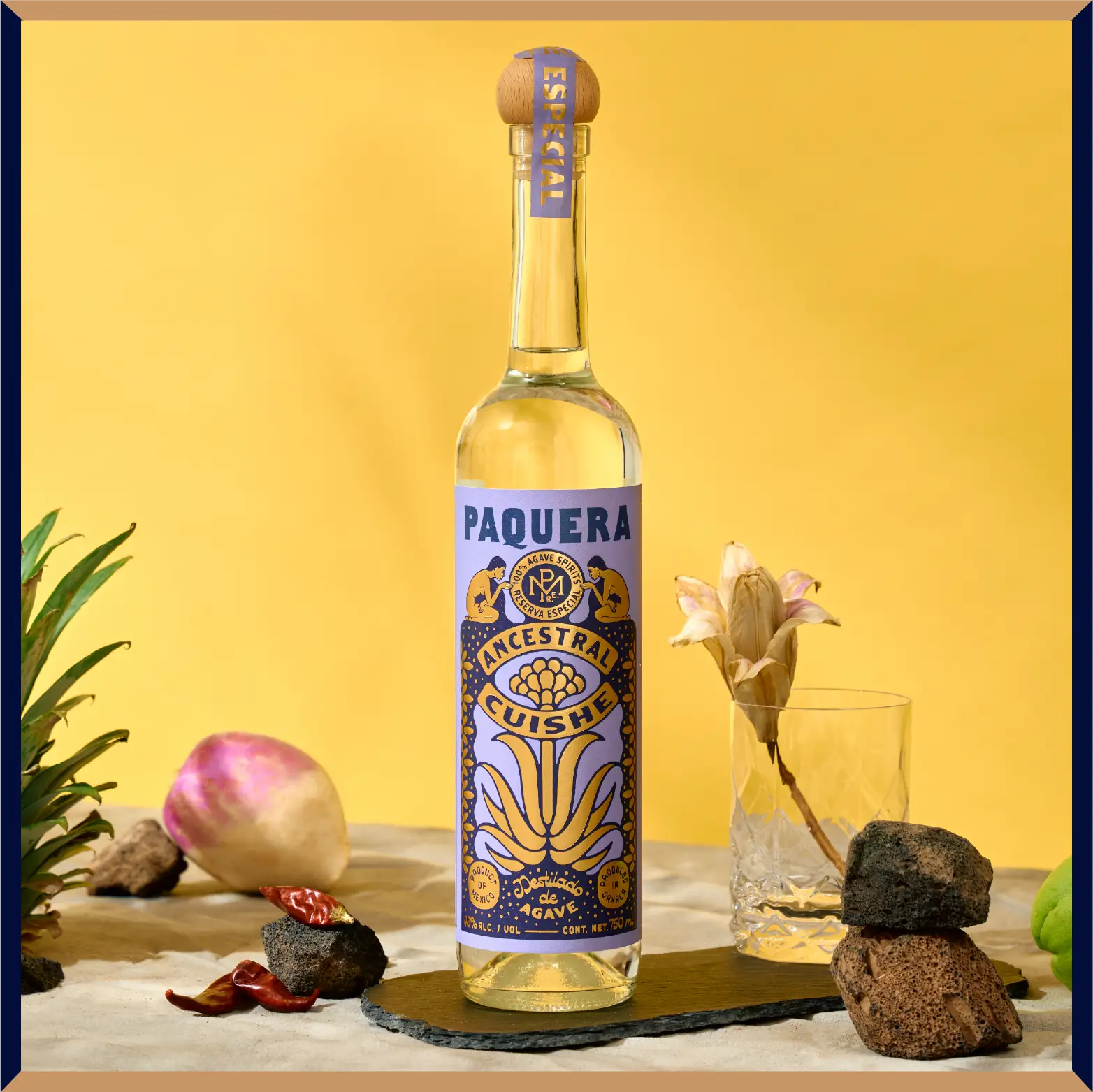
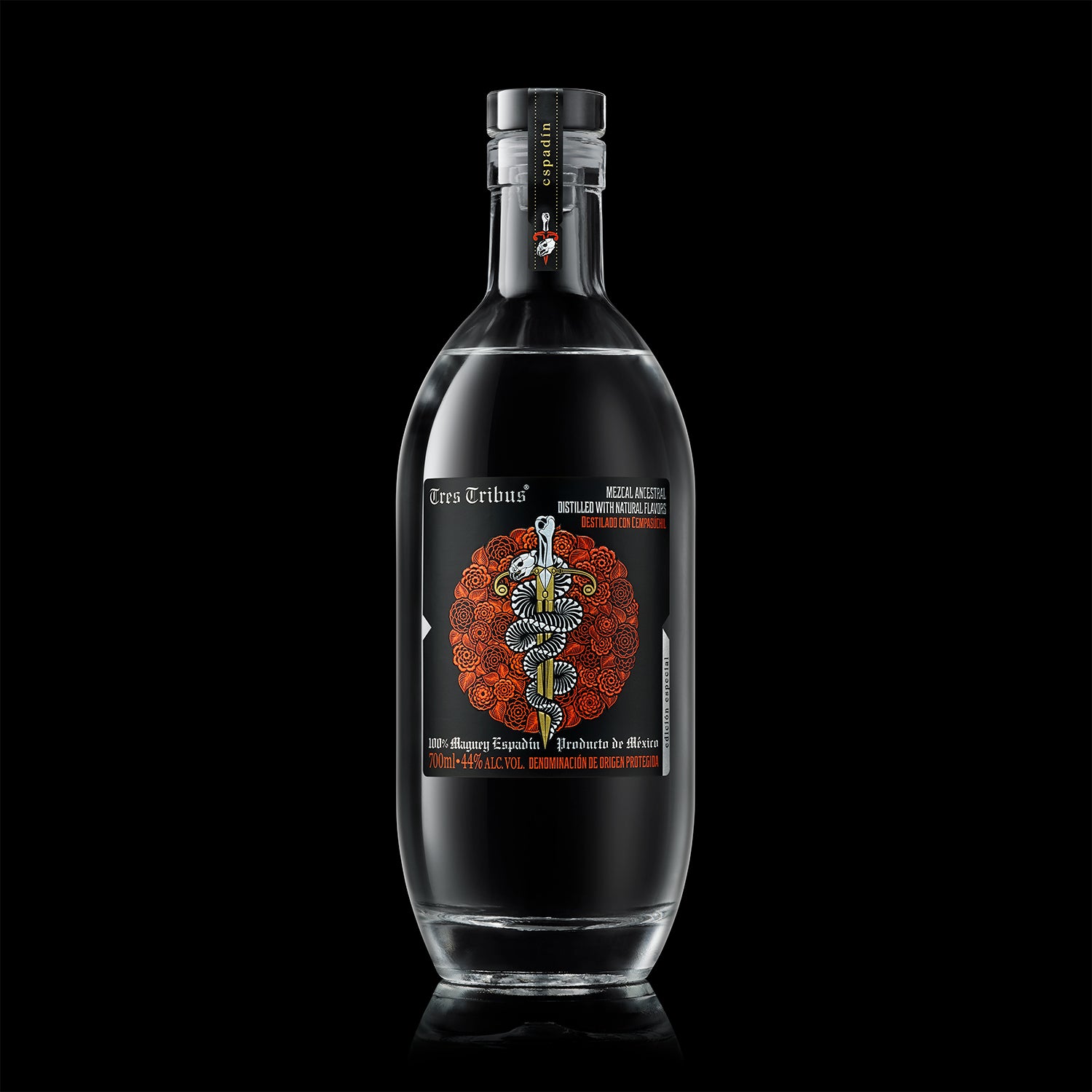
Ancestral bottles in the catalogue


Frequently asked
- What is the difference between ancestral and artesanal mezcal?
- Both roast agave in an earthen pit and ferment in wood or stone, but artesanal allows copper alembic stills and mechanical milling, while ancestral requires clay-pot distillation and hand or tahona milling.
- Does clay-pot distillation change the taste?
- Yes. Clay conducts heat unevenly and does not scrub sulphur compounds the way copper does, leaving a heavier, earthier and more textural spirit.