Espadín mezcal
Agave angustifolia — the cultivated backbone of Oaxacan mezcal and the variety behind most bottles you'll ever pour.
- Species
- Agave angustifolia Haw.
- Cultivation
- Cultivated
- Maturity
- 6–8 years
- Main states
- Oaxaca, Guerrero, Puebla
- Bottles in catalog
- 965
- Average rating
- 3.62 / 5
Espadín is the most planted agave in mezcal. It is cultivated rather than gathered wild, matures in roughly six to eight years, and yields enough sugar per plant to make it the only variety that can be produced at any real scale. That is why it anchors almost every producer's range: the espadín is the house bottle, the one that shows you what a palenque's water, wood and still actually taste like.
Botanically it is Agave angustifolia Haw., the same species that, domesticated differently in Jalisco, became blue weber for tequila. Its narrow, sword-like leaves give it the name — espadín, from espada, sword. Grown mostly in the valleys and hills of Oaxaca, it is also distilled in Guerrero, Puebla, Michoacán and beyond.
In the glass, a well-made espadín is not a beginner's compromise. Roasted agave, smoke that should sit behind the fruit rather than in front of it, green herbs, citrus peel and a mineral, slightly saline finish are typical. Because it is so widely made, espadín is also the fairest way to compare producers side by side — the variety is the constant, the maker is the variable.
What espadín mezcal tastes like
Expect cooked agave sweetness up front, then smoke, green pepper, citrus and wet stone. Ripeness at harvest matters more than most drinkers assume: an under-mature piña gives thin, vegetal, aggressively smoky spirit, while a properly mature one gives depth and a long, sweet-savoury finish.
Smoke level is a production choice, not a varietal trait. Underground earthen-oven roasting with local wood, open-air fermentation in wooden tinas, and copper or clay pot stills each leave their own signature — which is why two espadíns from neighbouring villages can taste nothing alike.
Why espadín is the reference point
Because supply is reliable, espadín is what producers bottle year in and year out. Wild varieties like tobalá, tepeztate or madrecuixe appear in small, irregular batches; espadín is the constant release. If you are learning a brand, start with its espadín — it is the clearest statement of house style and almost always the best value in the range.
It is also the base for most ensambles, where espadín is blended with a wild agave to carry structure while the wild variety supplies aroma.
How to buy espadín well
Look for the producer's name (the mezcalero), the village, the ABV and the batch on the label. Bottlings at natural strength — usually 45–50% ABV — tend to carry far more aroma than those cut to 40%. Community ratings below give you a shortcut: every bottle listed here has documented agave, origin and production information.
Espadín bottles, rated by the community
120 bottles with photos and documented origin · mostly from Oaxaca, Jalisco, Guerrero
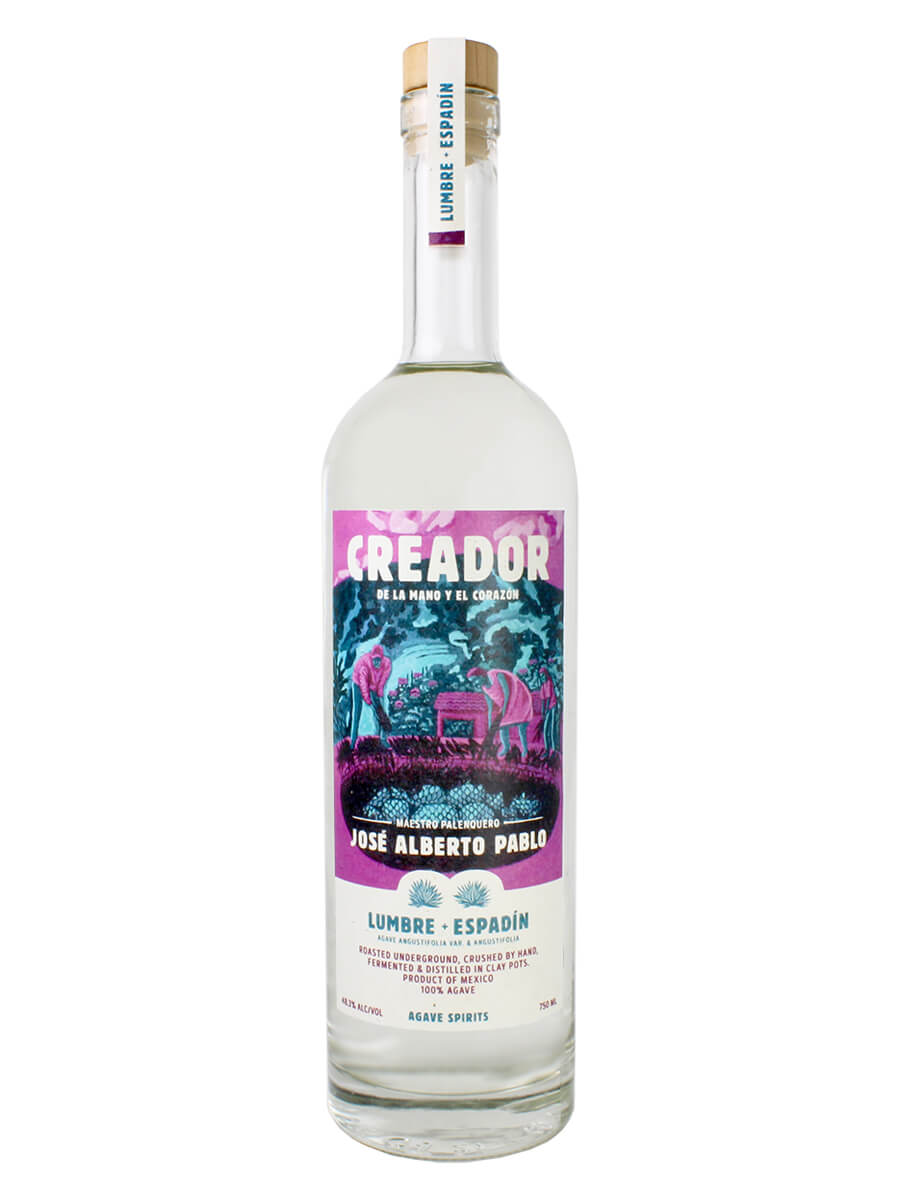
Creador Agave Spirits
Creador Lumbre + Espadin
Angustifolia · Oaxaca
4.0(32)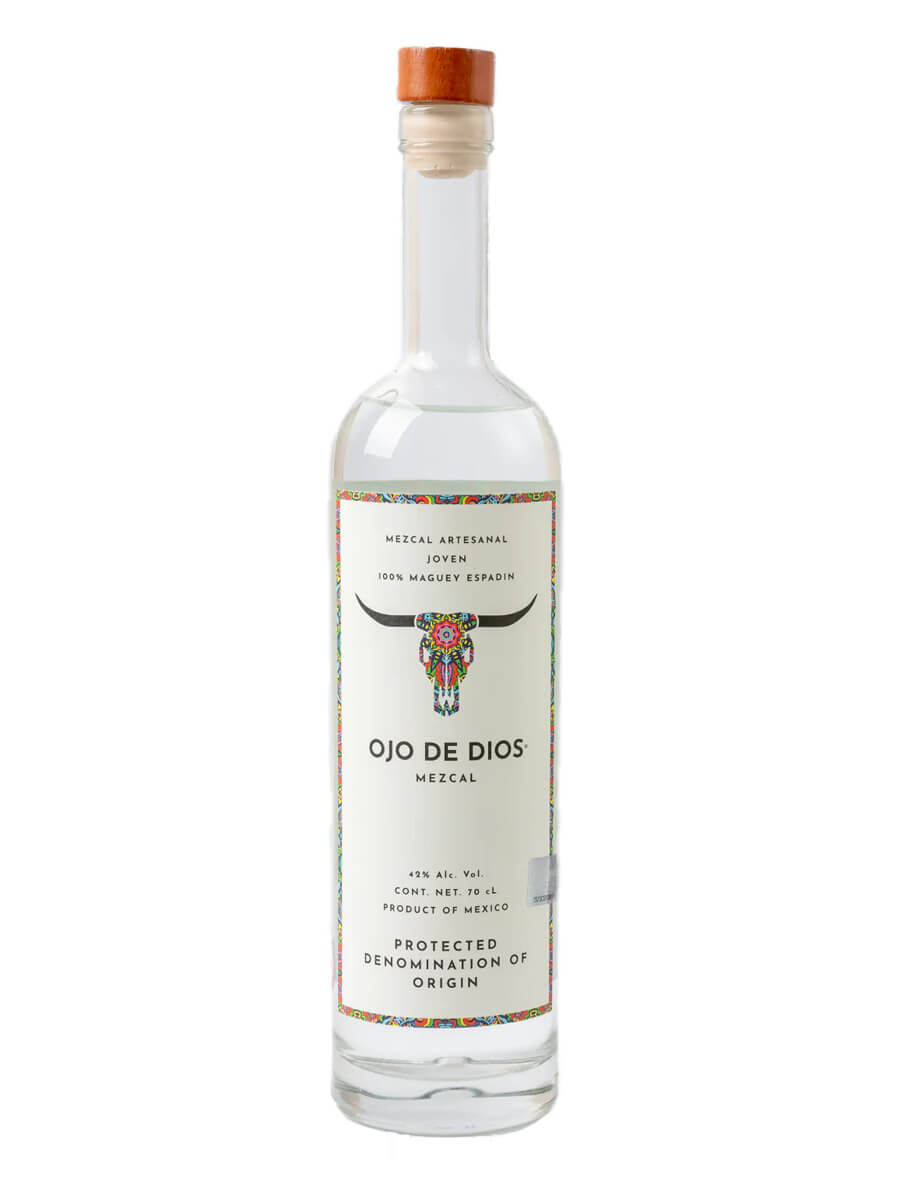
Ojo de Dios Mezcal
Ojo de Dios Espadin
Angustifolia · Oaxaca
3.8(19)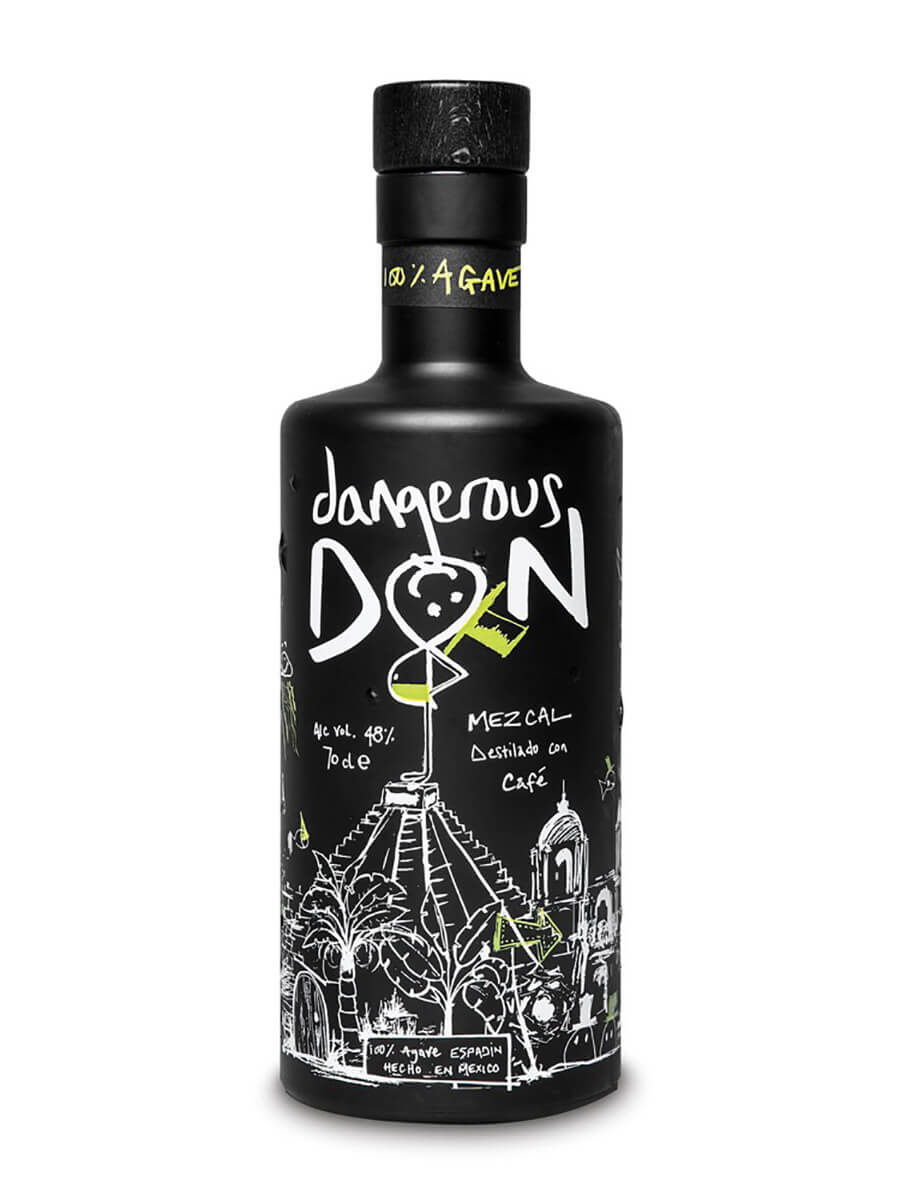
Dangerous Don Cafe Mezcal
Dangerous Don Cafe Mezcal
Angustifolia · Oaxaca
3.7(42)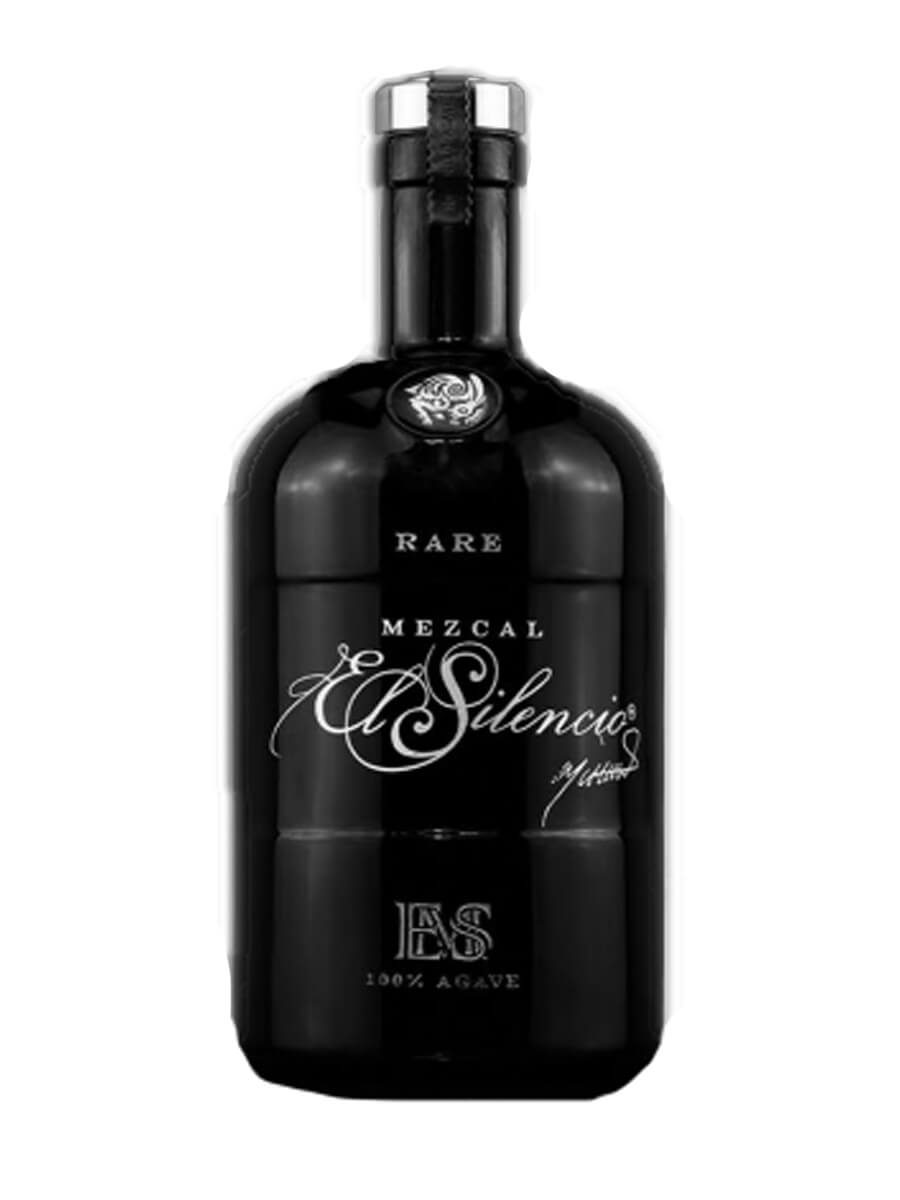
El Silencio Mezcal
El Silencio Rare
Angustifolia · Oaxaca
3.7(42)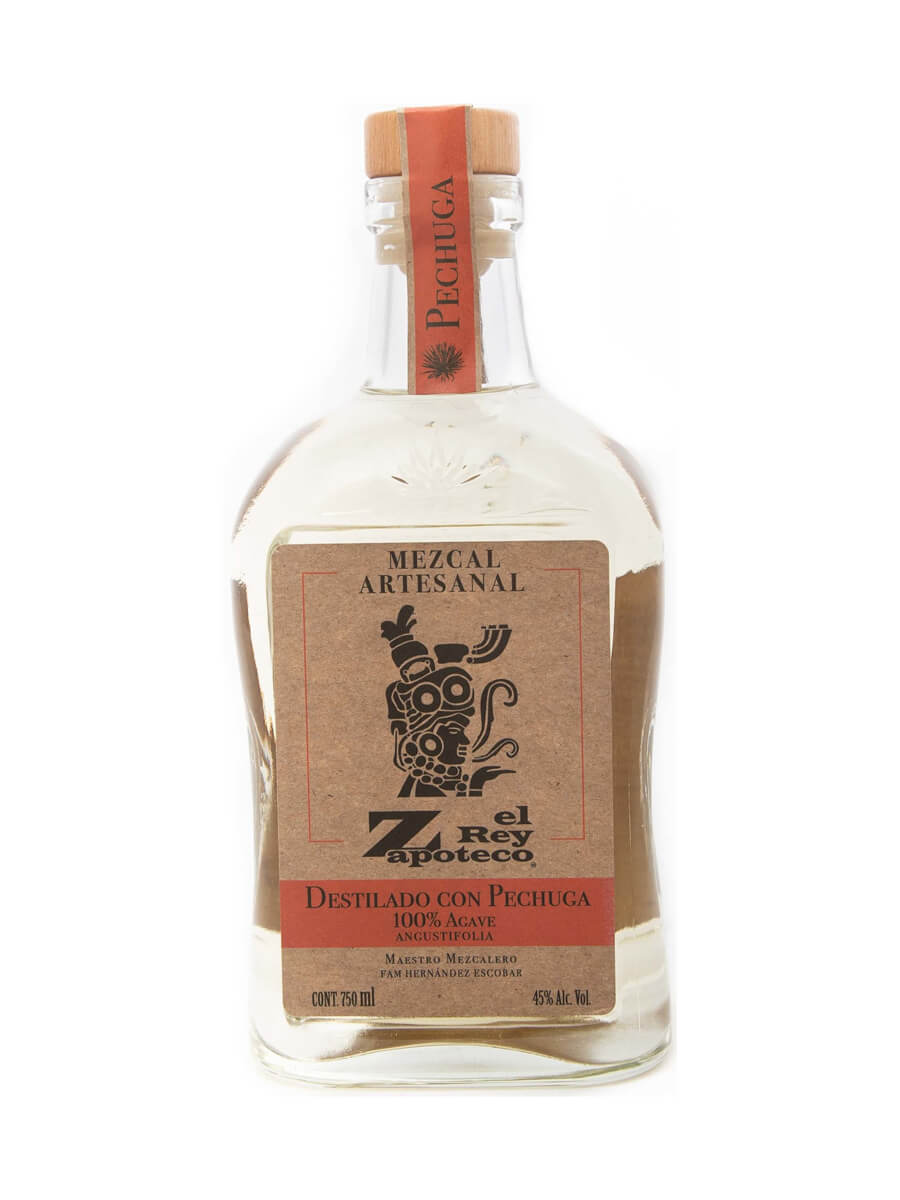
El Rey Zapoteco Mezcal
El Rey Zapoteco Pechuga
Angustifolia · Oaxaca
3.6(42)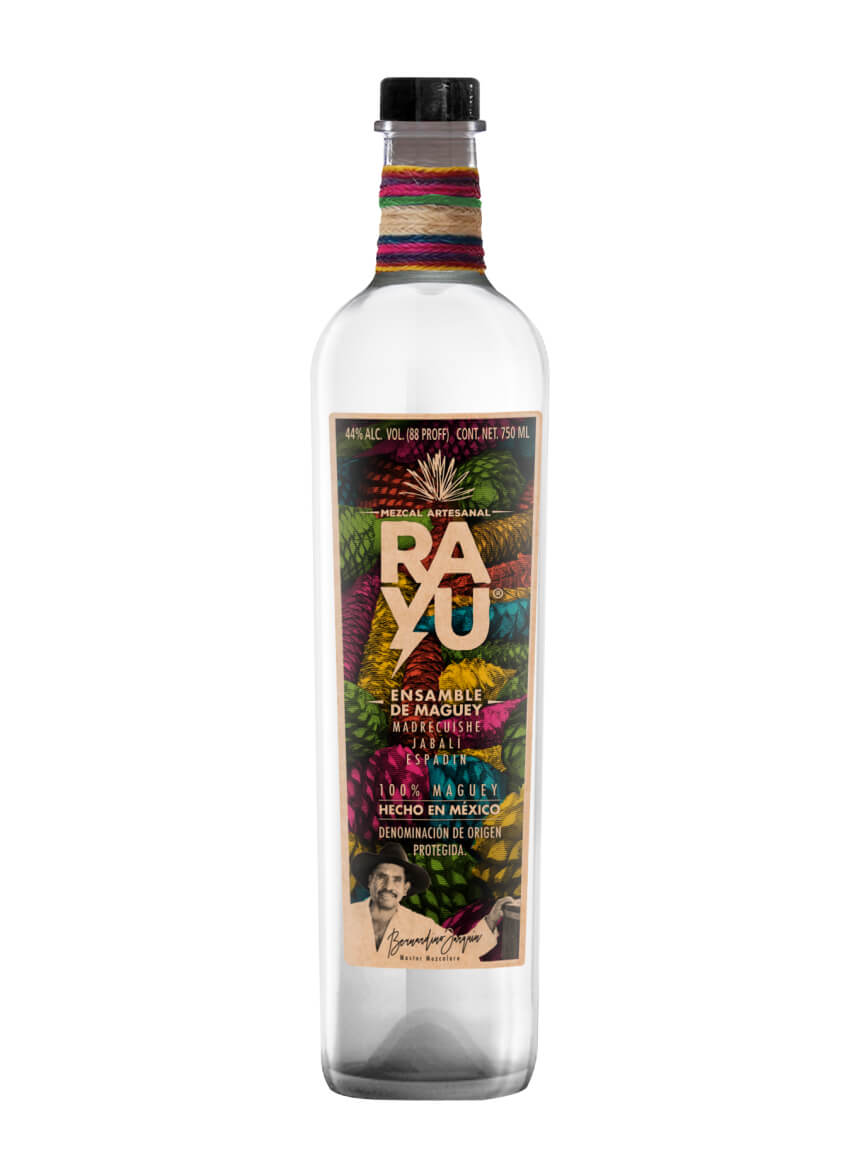
Rayu Mezcal
Rayu Ensamble
Angustifolia · Oaxaca
3.6(42)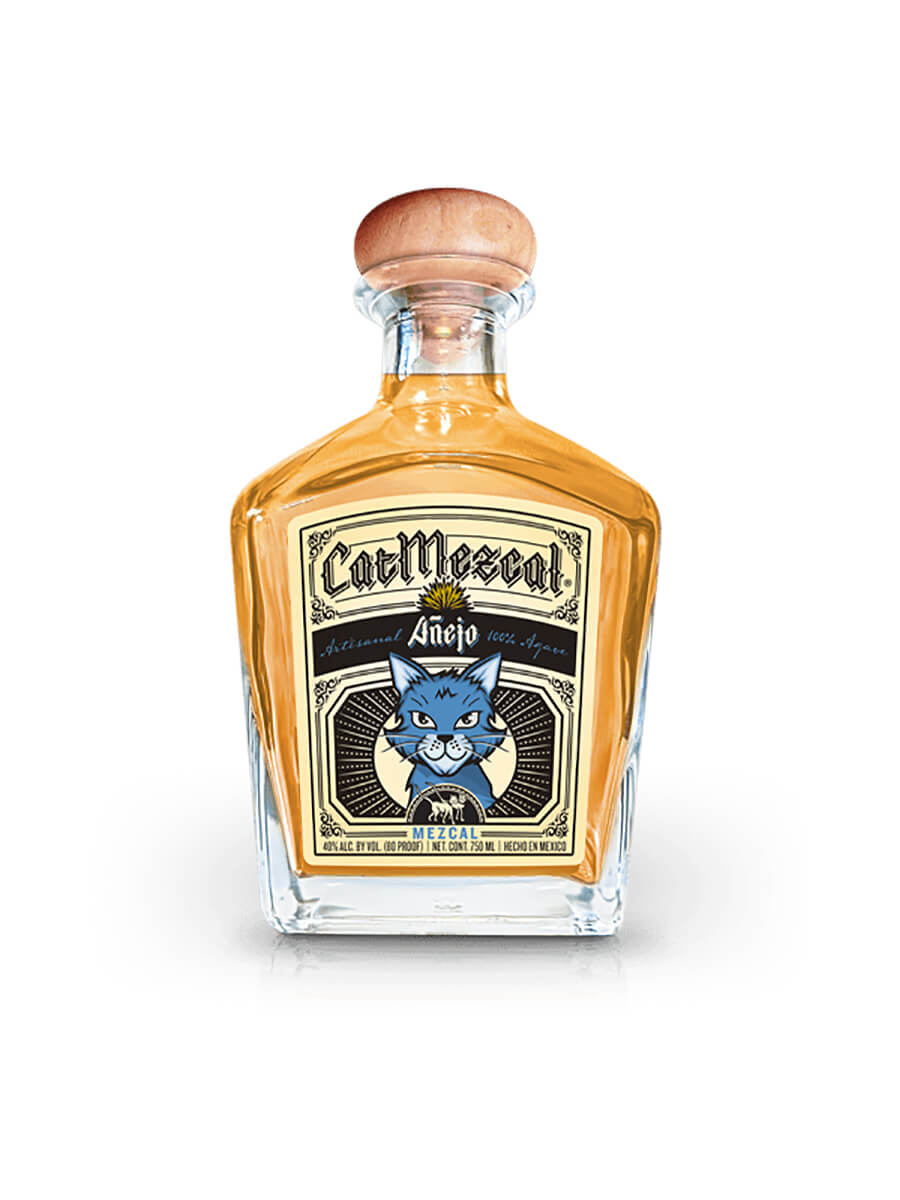
Cat Mezcal
Cat Anejo
Angustifolia
3.6(42)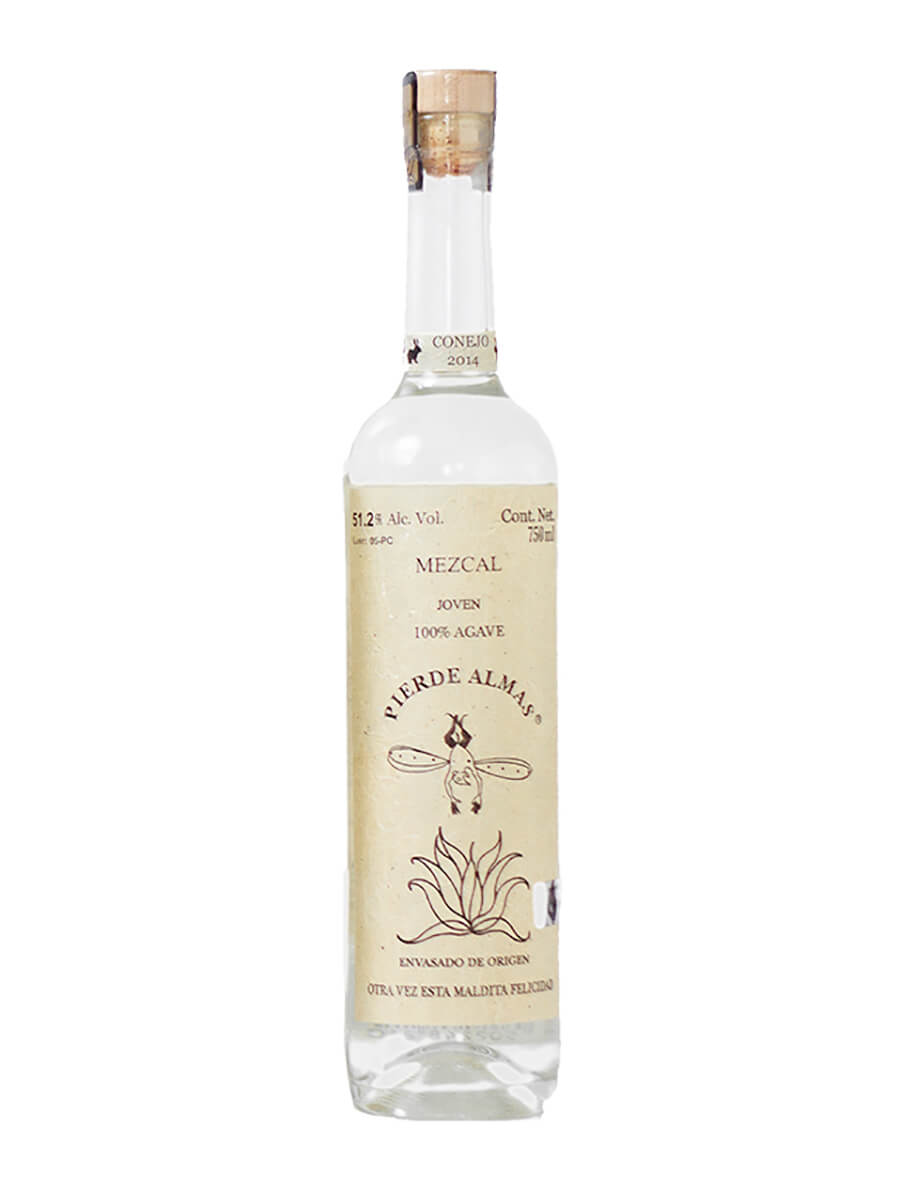
Pierde Almas Mezcal
Pierde Almas Mezcal de Conejo
Angustifolia · Oaxaca
3.6(42)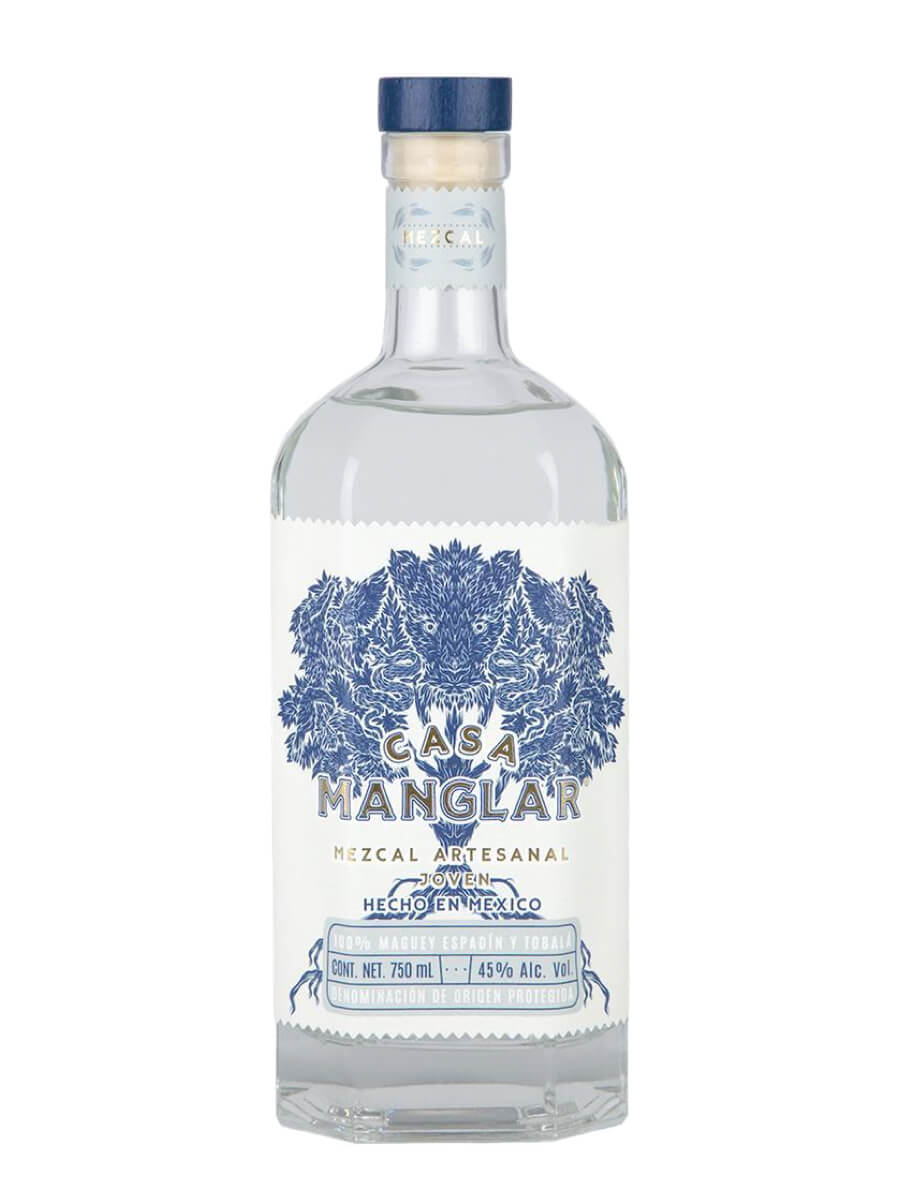
Casa Manglar Mezcal
Casa Manglar Espadin y Tobala
Angustifolia · Oaxaca
3.6(42)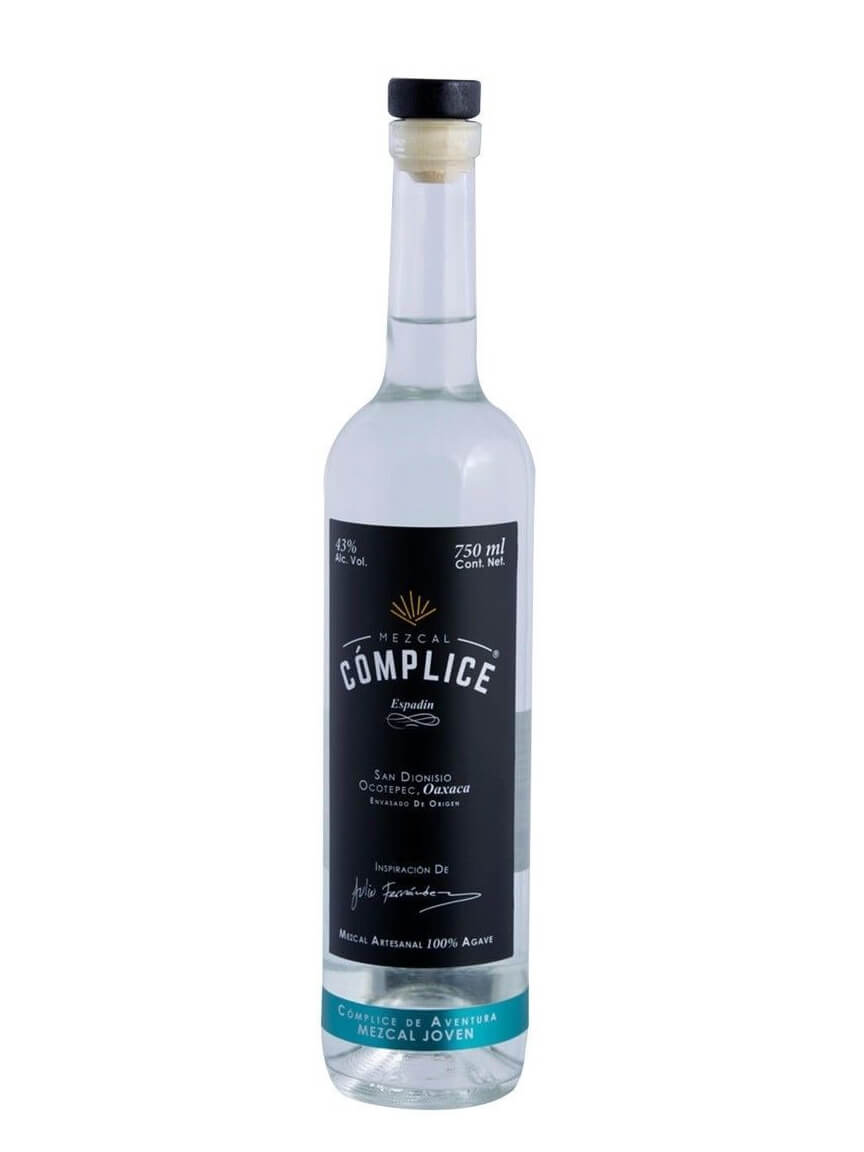
Cómplice Mezcal
Cómplice Espadin
Angustifolia · Oaxaca
3.6(42)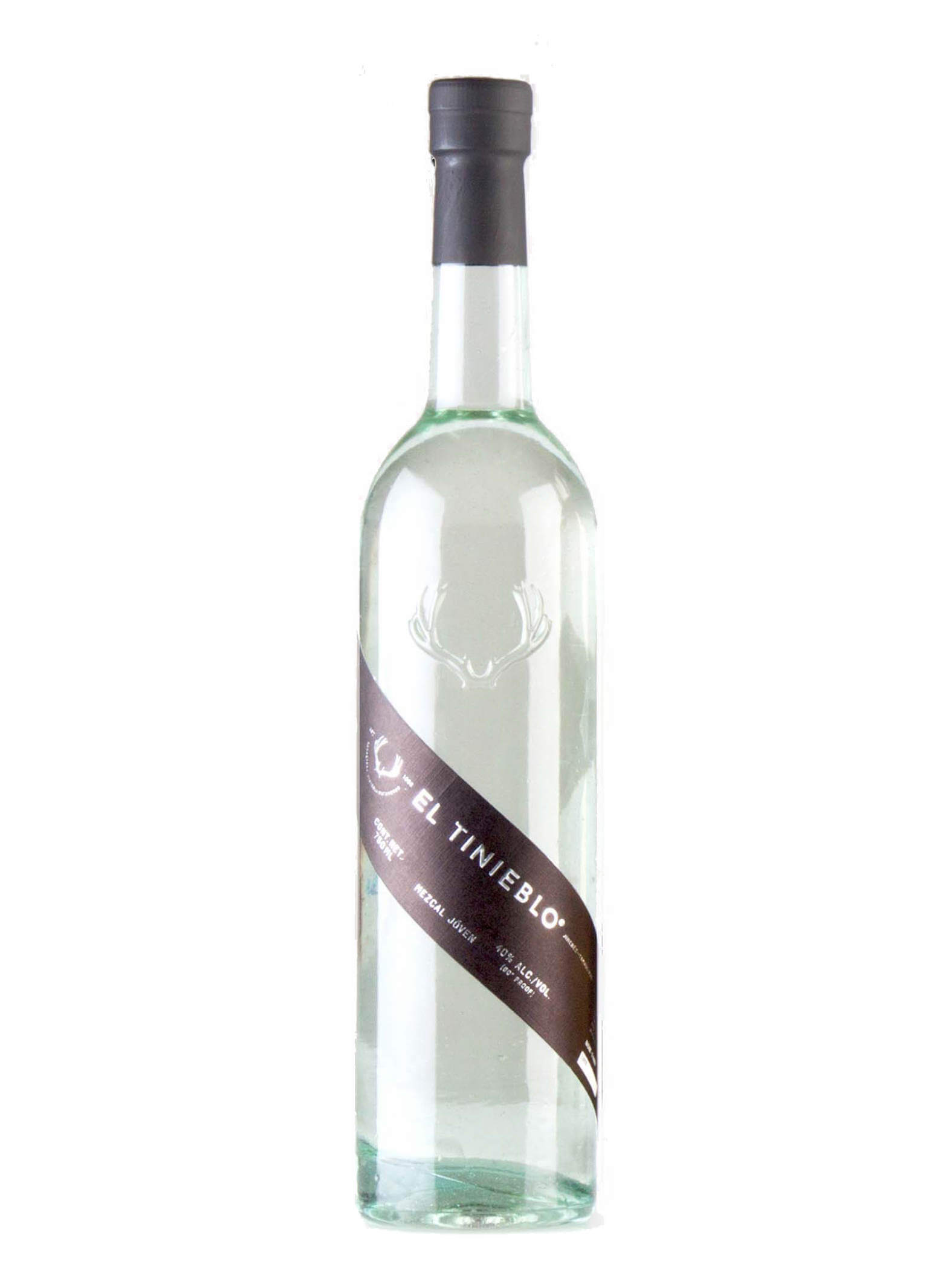
El Tinieblo Mezcal
El Tinieblo Joven
Americana · Tamaulipas
3.6(42)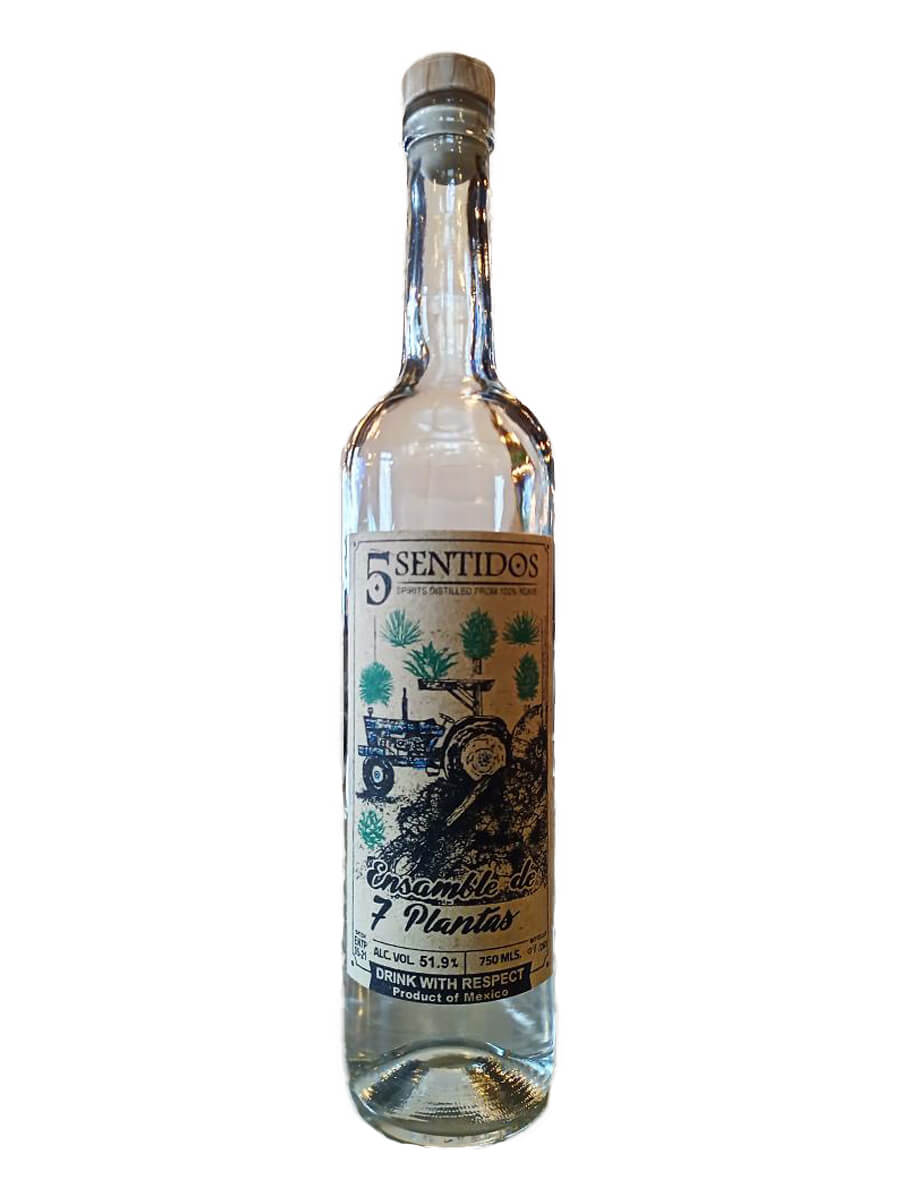
5 Sentidos
5 Sentidos Ensamble de 7 Plantas
Angustifolia · Oaxaca
3.6(42)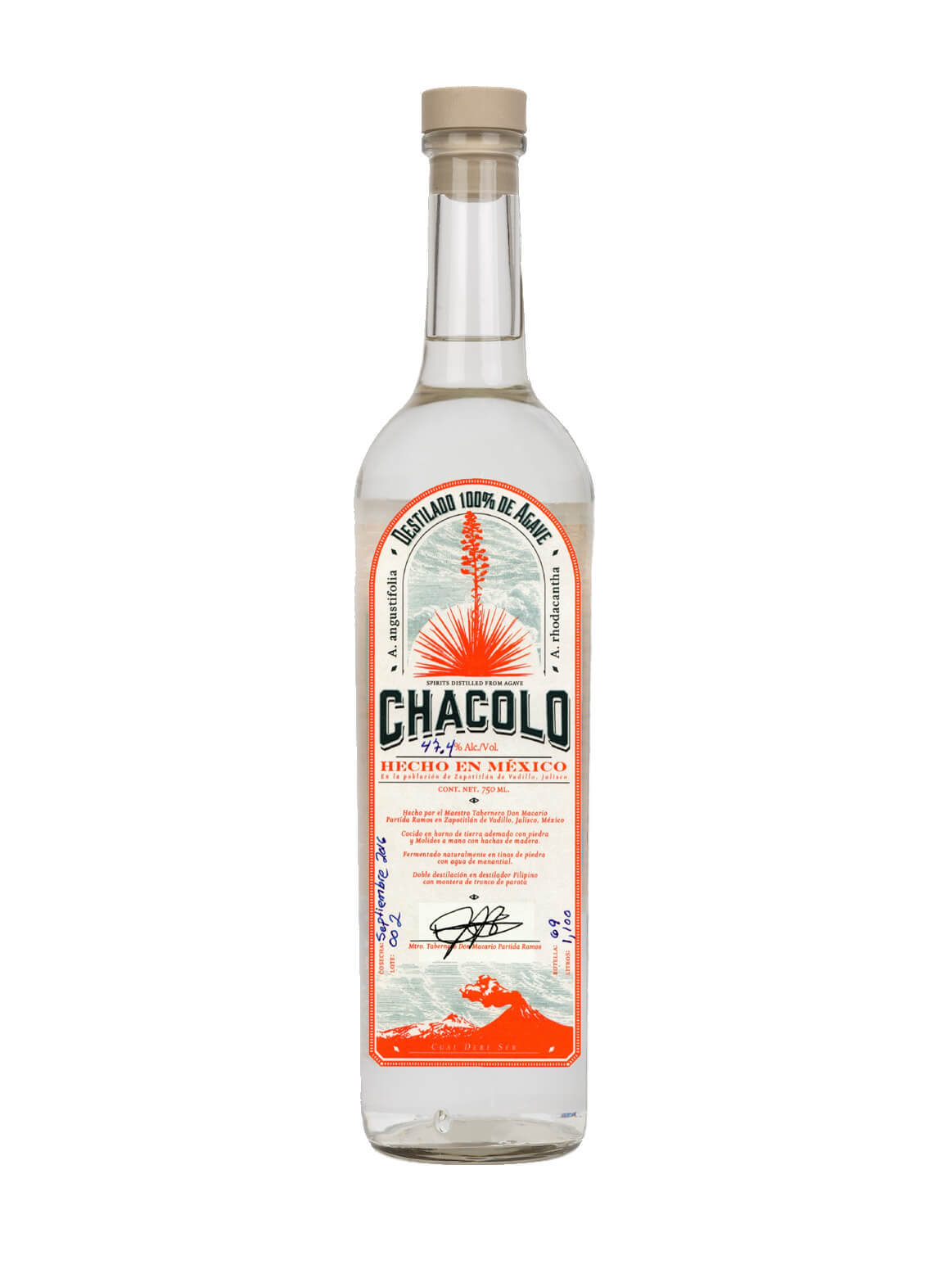
Chacolo
Chacolo Brocha – Ixtero Amarillo
Angustifolia · Jalisco
3.6(42)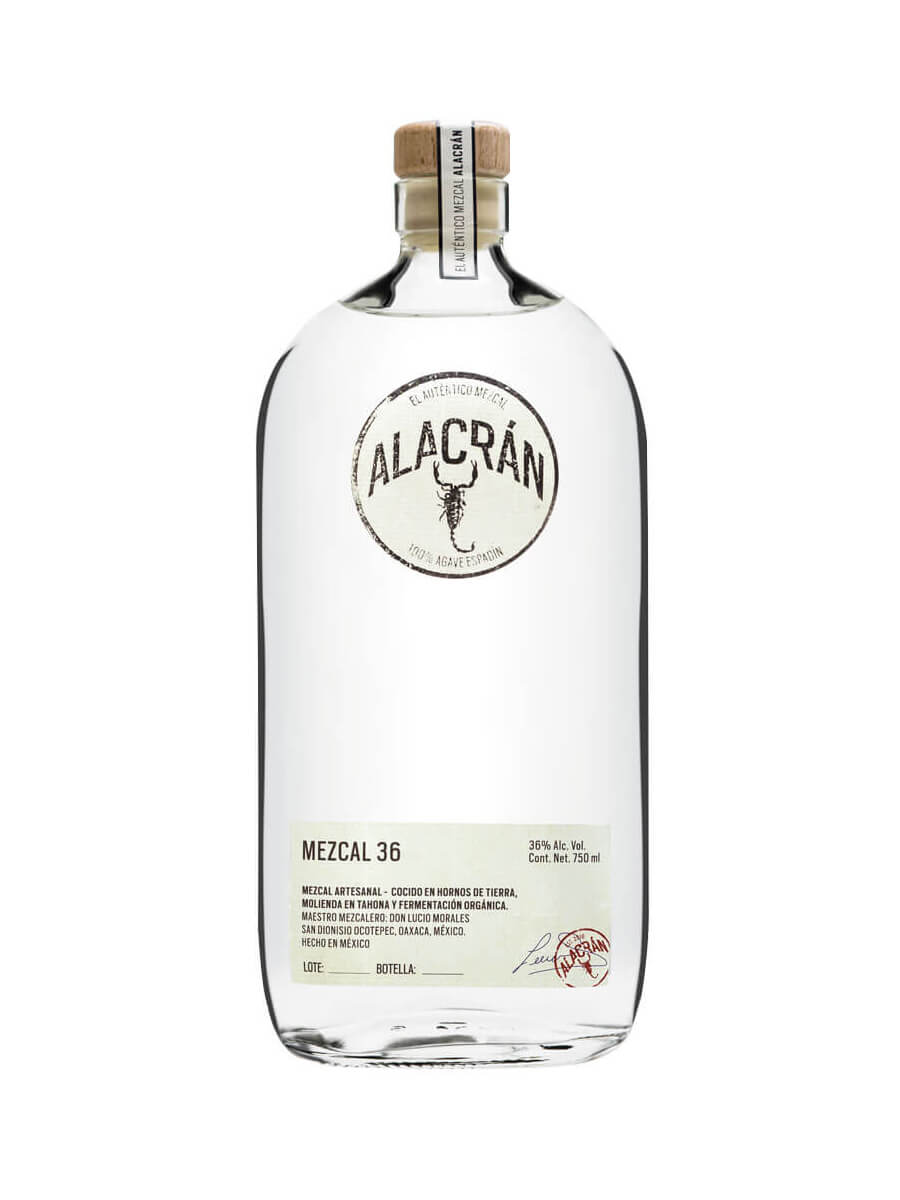
Alacrán Mezcal
Alacrán 36
Angustifolia · Oaxaca
3.6(42)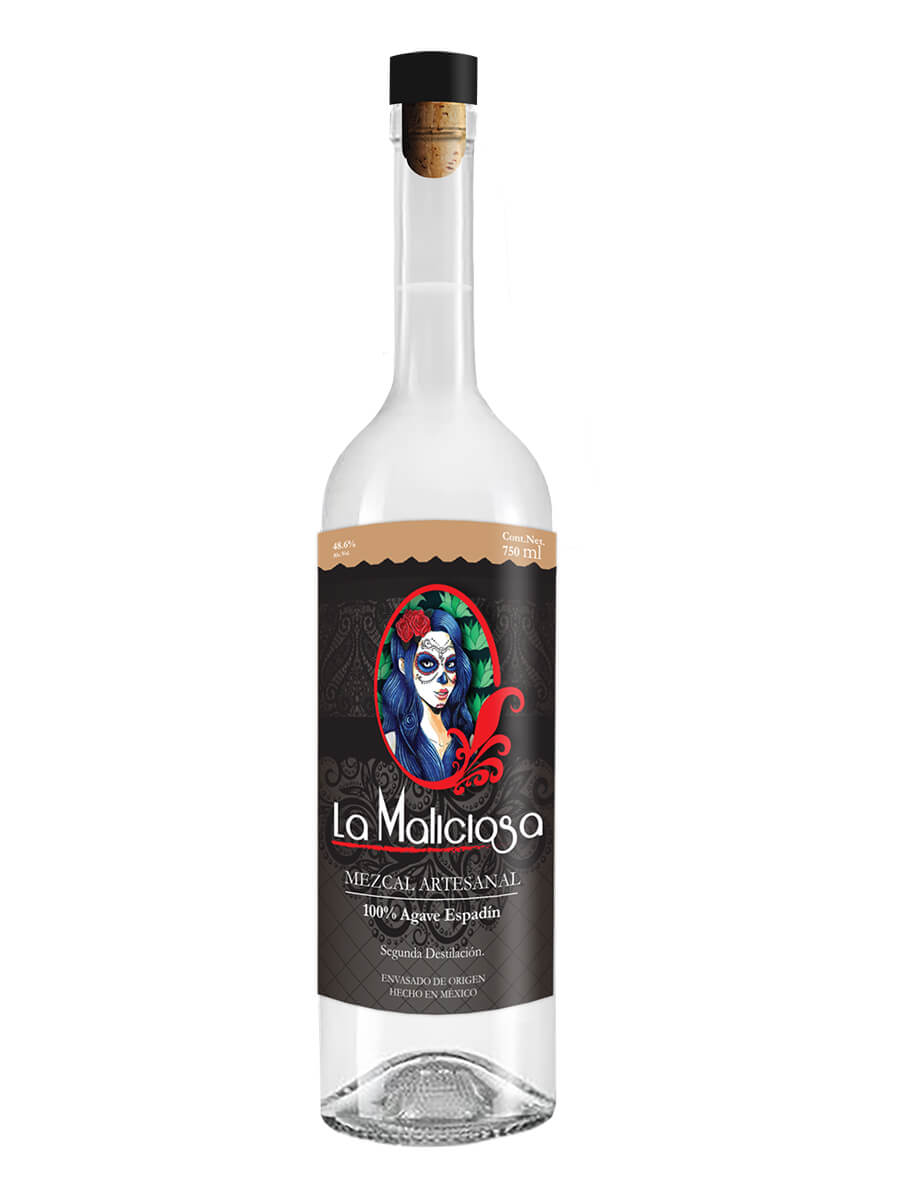
La Maliciosa Mezcal
La Maliciosa Espadin
Angustifolia · Oaxaca
3.6(42)
Tesla Mezcal
Tesla Espadin y Bicuishe
Angustifolia · Oaxaca
3.6(42)
Noble Fuego
Noble Fuego Espadin
Angustifolia · Oaxaca
3.6(42)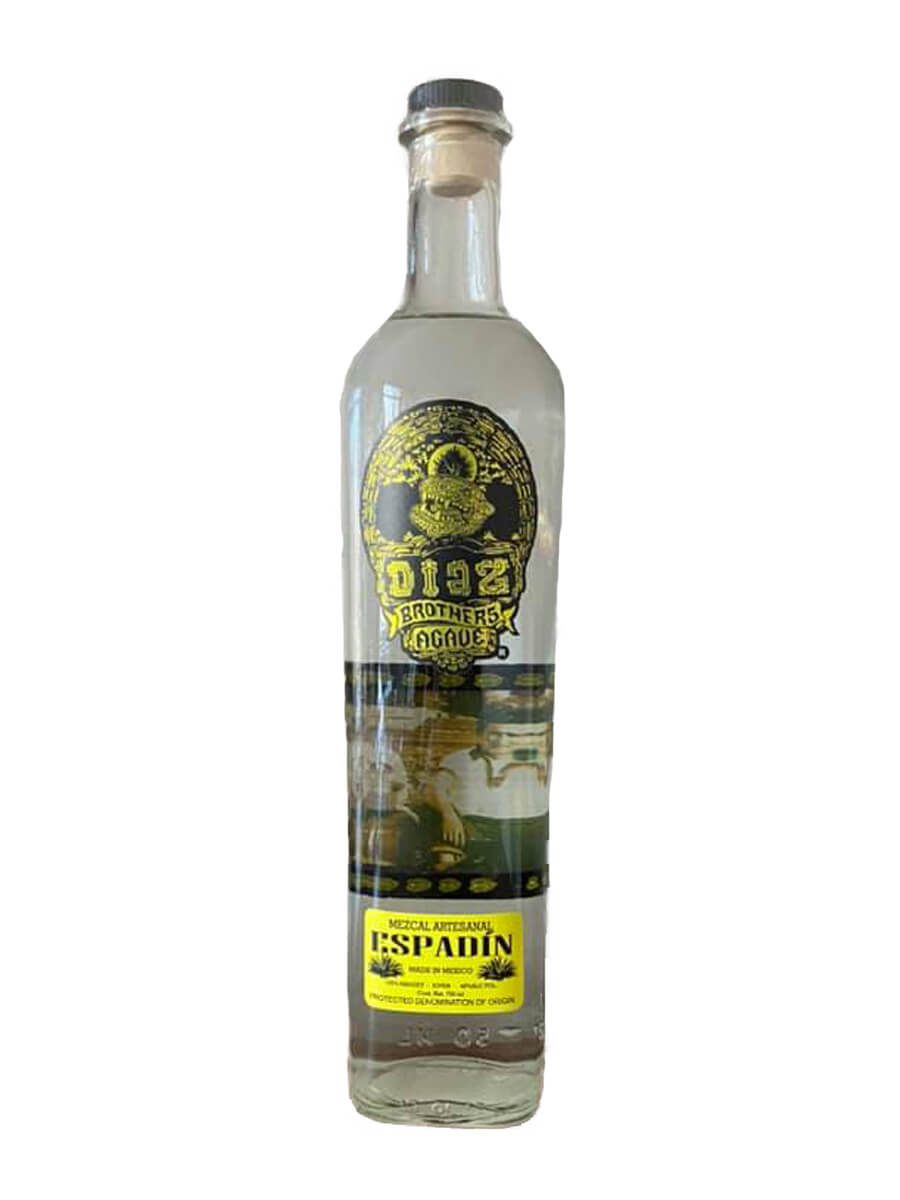
Diaz Brothers Agave
Diaz Brothers Espadin
Angustifolia · Oaxaca
3.6(42)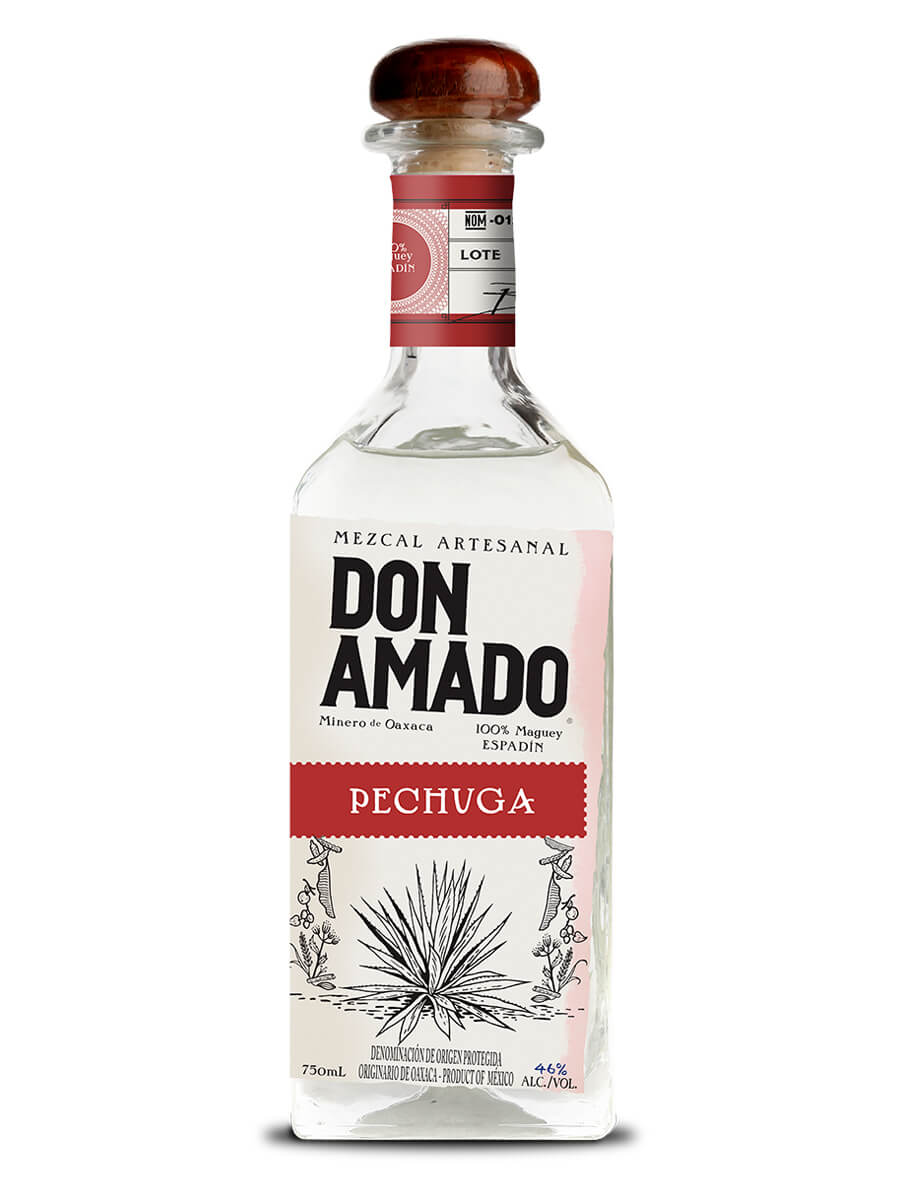
Don Amado Mezcal
Don Amado Pechuga
Angustifolia · Oaxaca
3.6(42)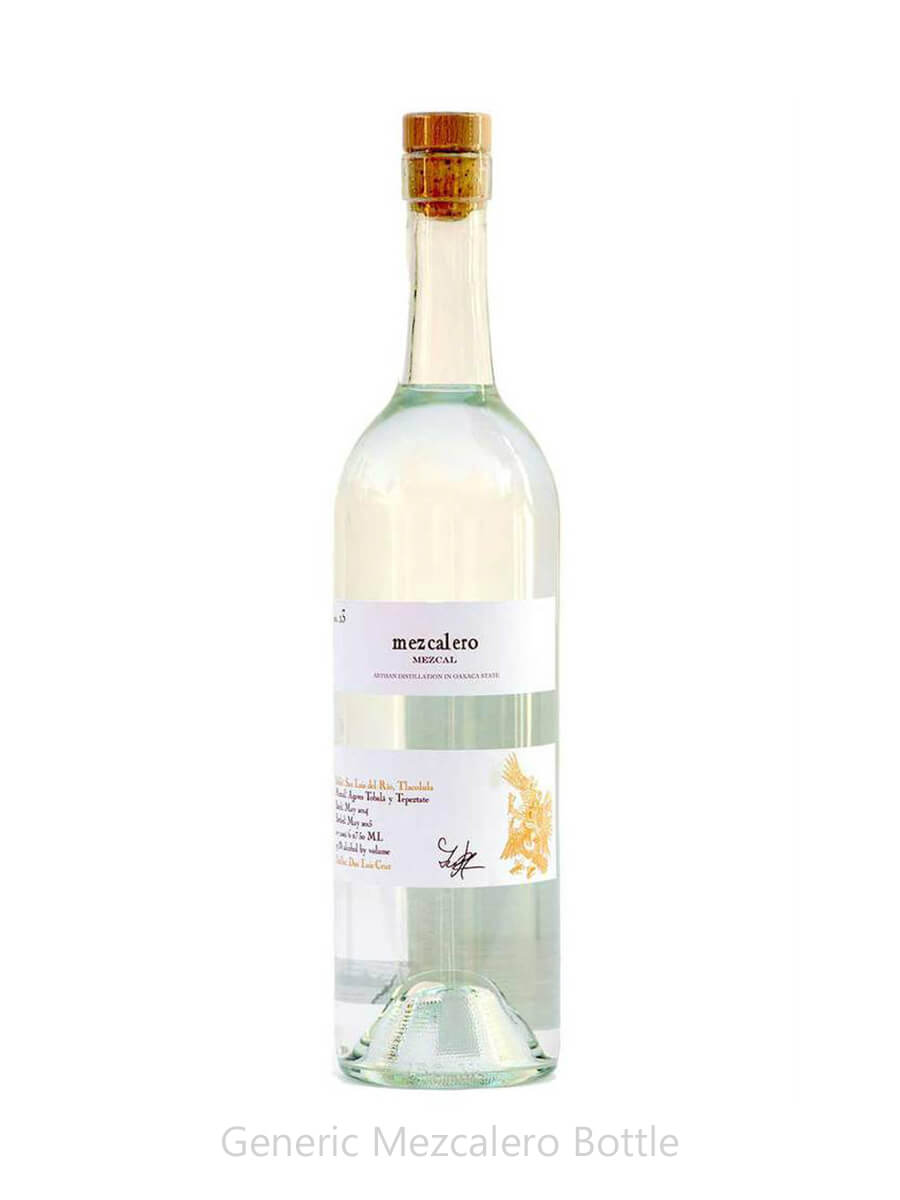
Mezcalero Mezcal
Mezcalero No. 11
Angustifolia · Oaxaca
3.6(42)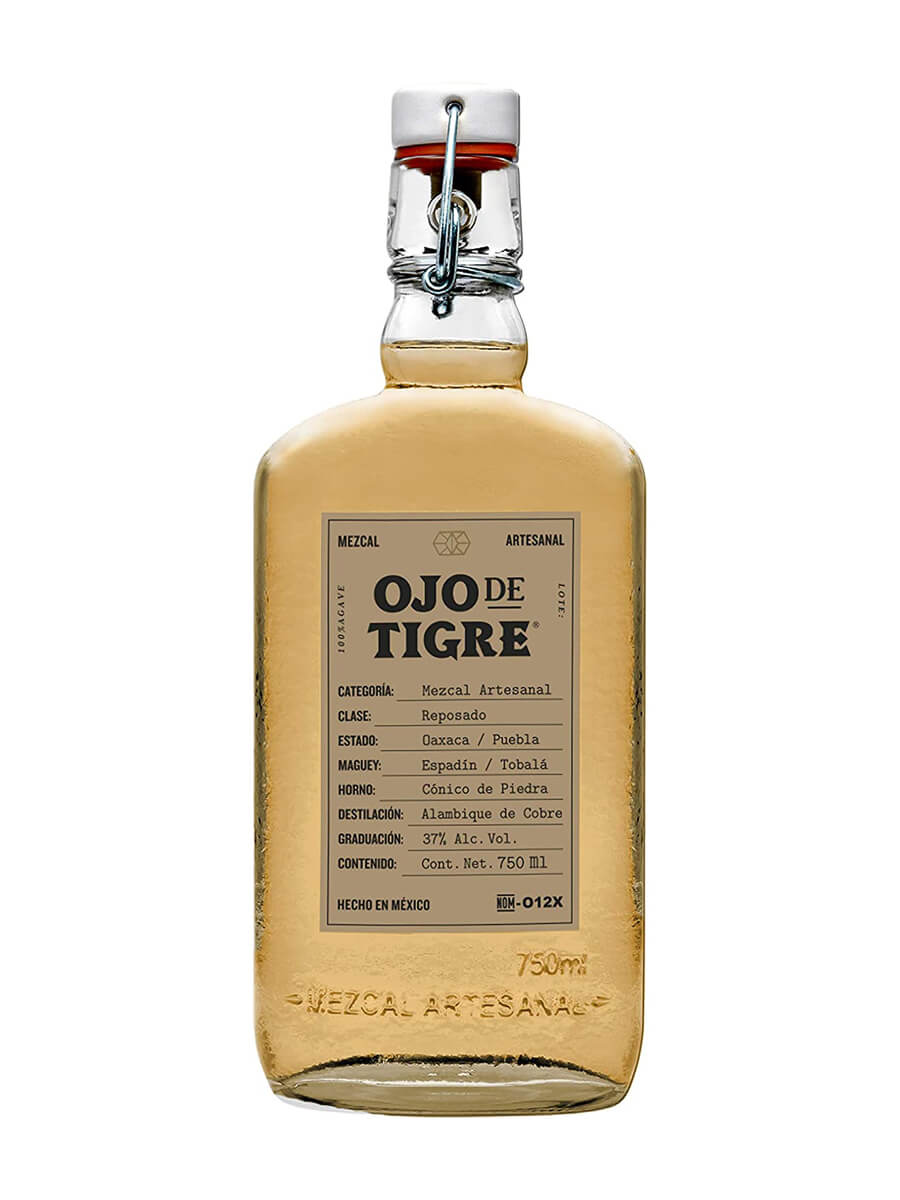
Ojo de Tigre Mezcal
Ojo de Tigre Reposado
Angustifolia · Oaxaca
3.6(42)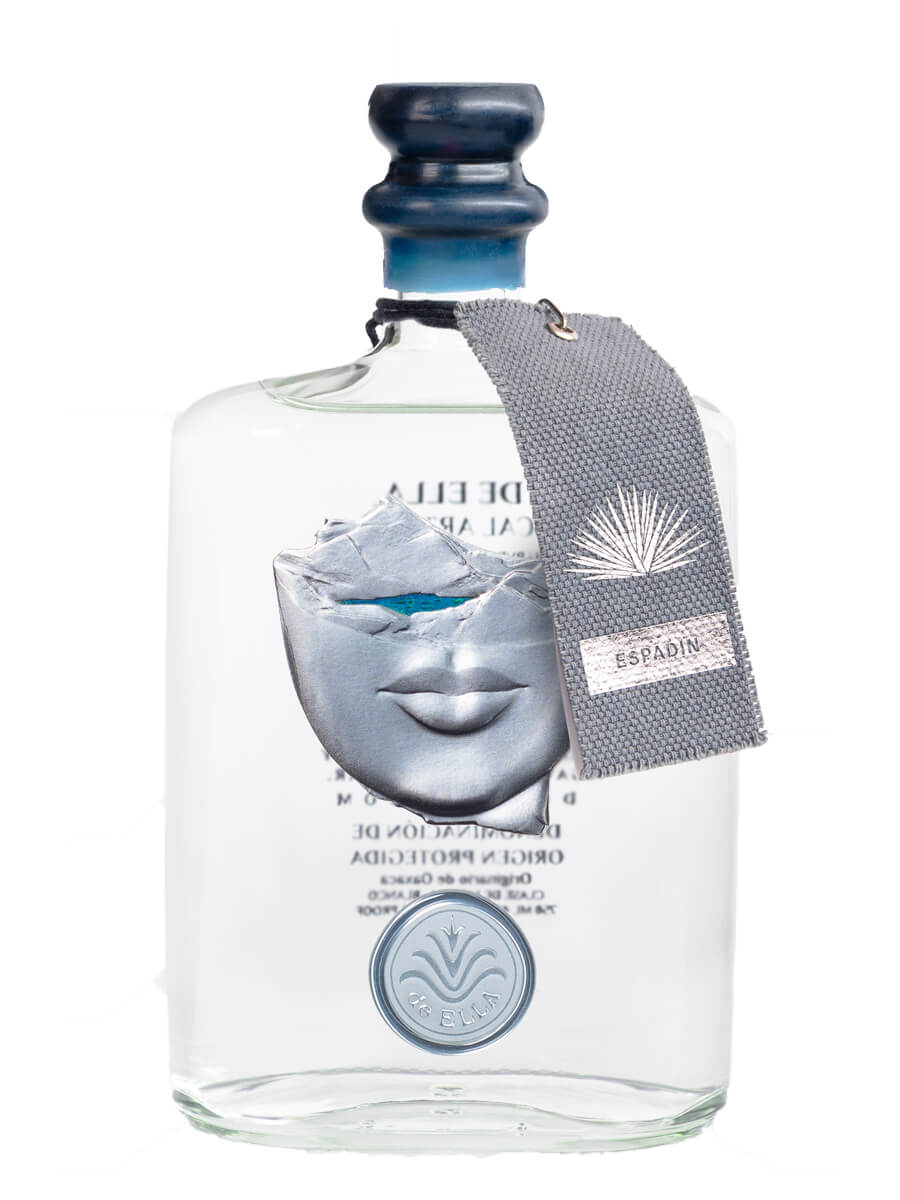
De Ella Mezcal
De Ella Youthful Maiden
Angustifolia · Oaxaca
3.6(42)
Sanzekan Mezcales
Sanzekan Zacatoro – Cesareo
Angustifolia · Guerrero
3.6(42)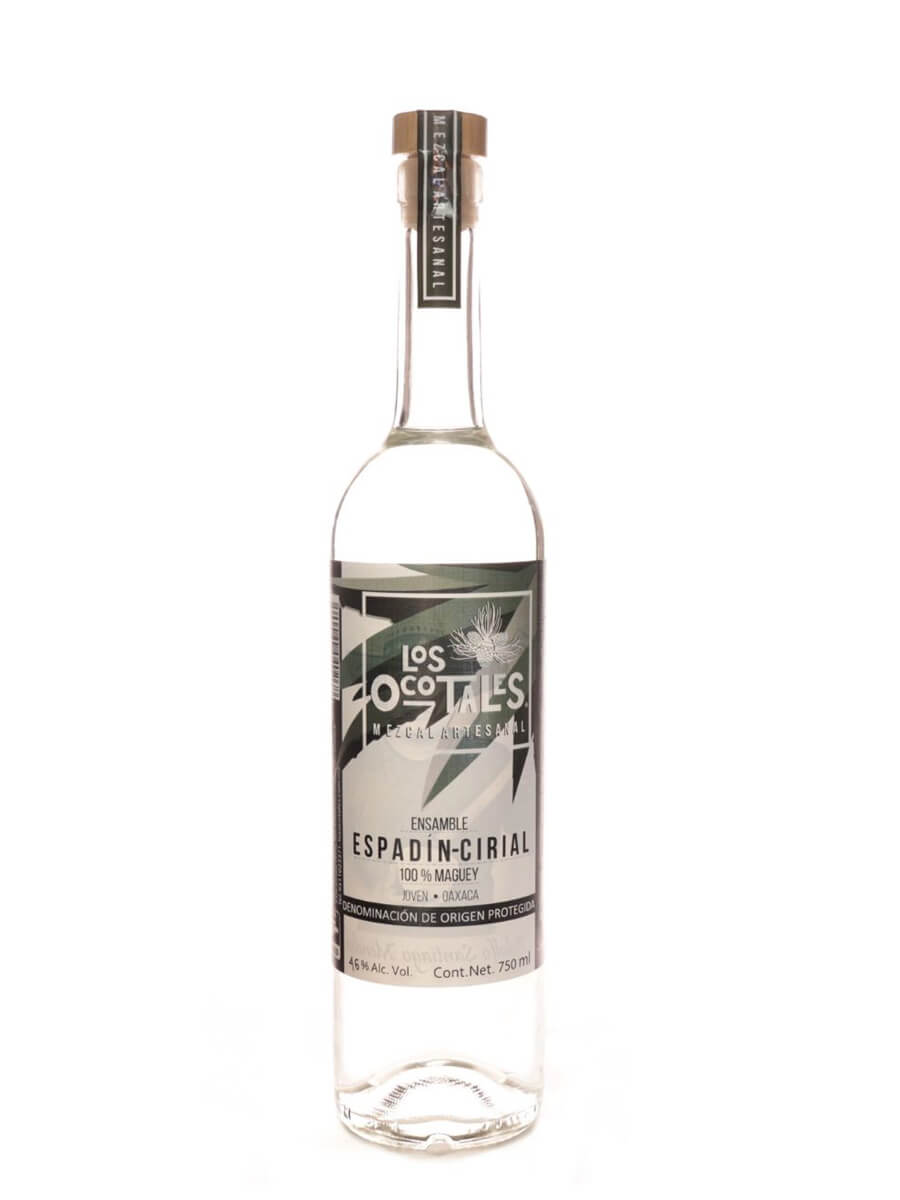
Los Ocotales Mezcal
Los Ocotales Espadin – Cirial
Angustifolia · Oaxaca
3.6(42)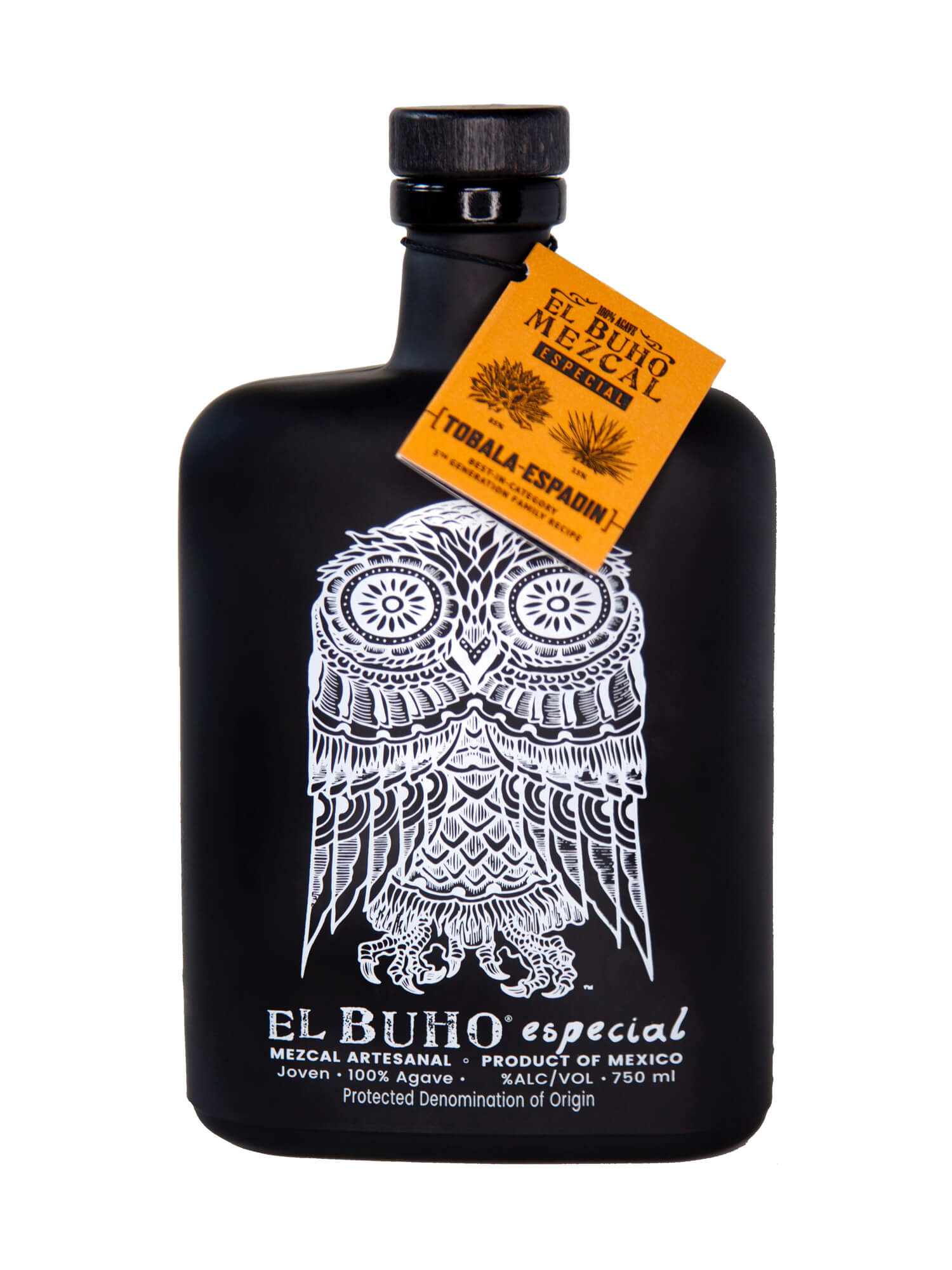
El Buho Mezcal
El Buho Especial Tobala-Espadin
Angustifolia · Oaxaca
3.6(42)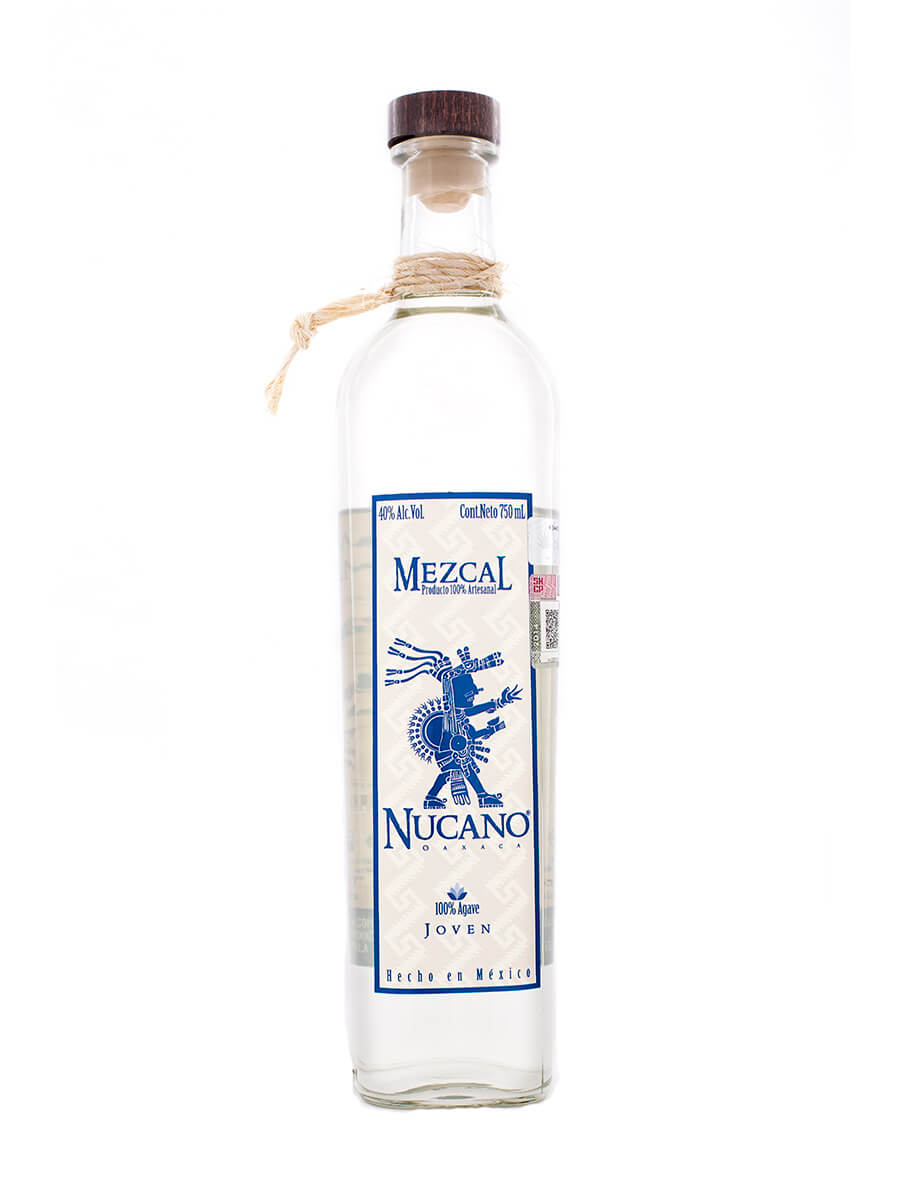
Nucano Mezcal
Nucano Joven
Angustifolia · Oaxaca
3.6(42)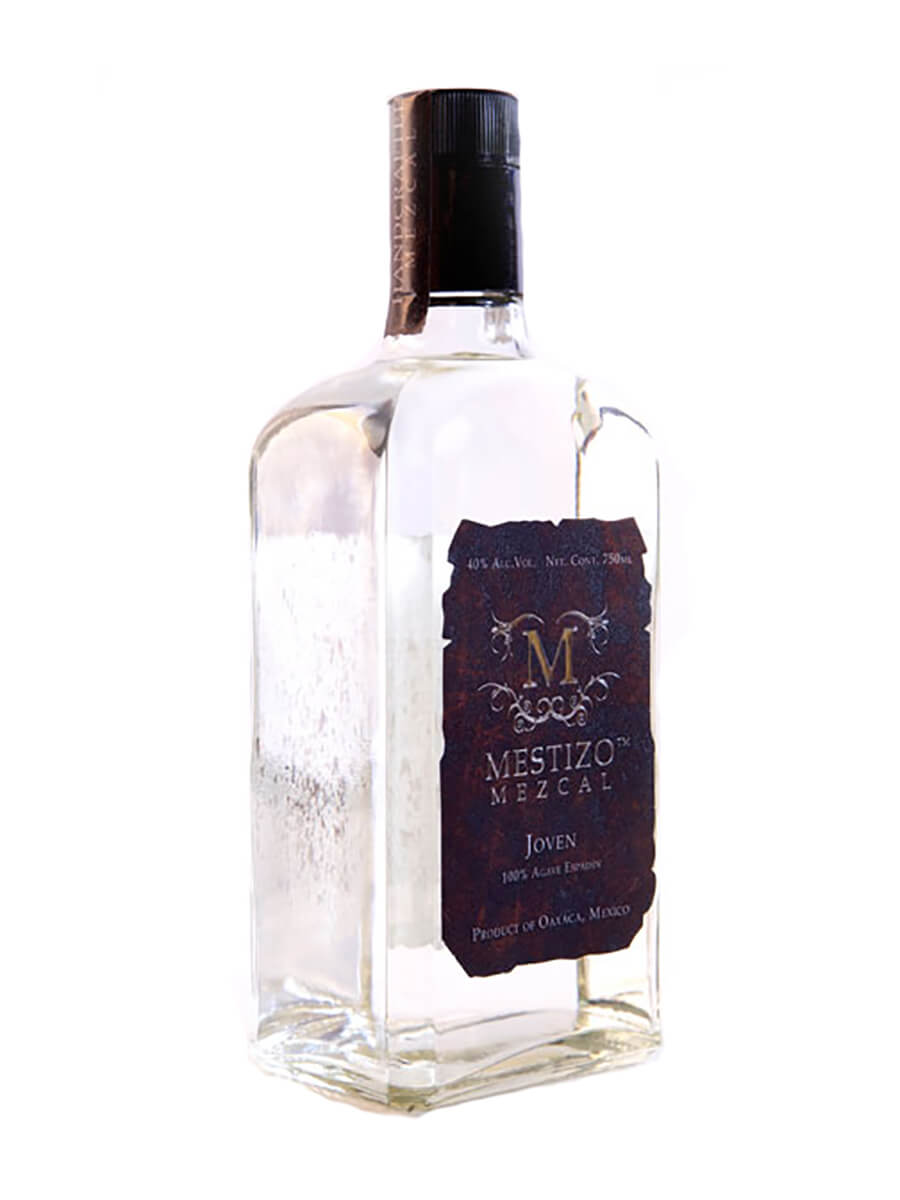
Mestizo Mezcal
Mestizo Joven
Angustifolia · Oaxaca
3.6(42)
Sanzekan Mezcales
Sanzekan Zacatoro – Ciro
Angustifolia · Guerrero
3.6(42)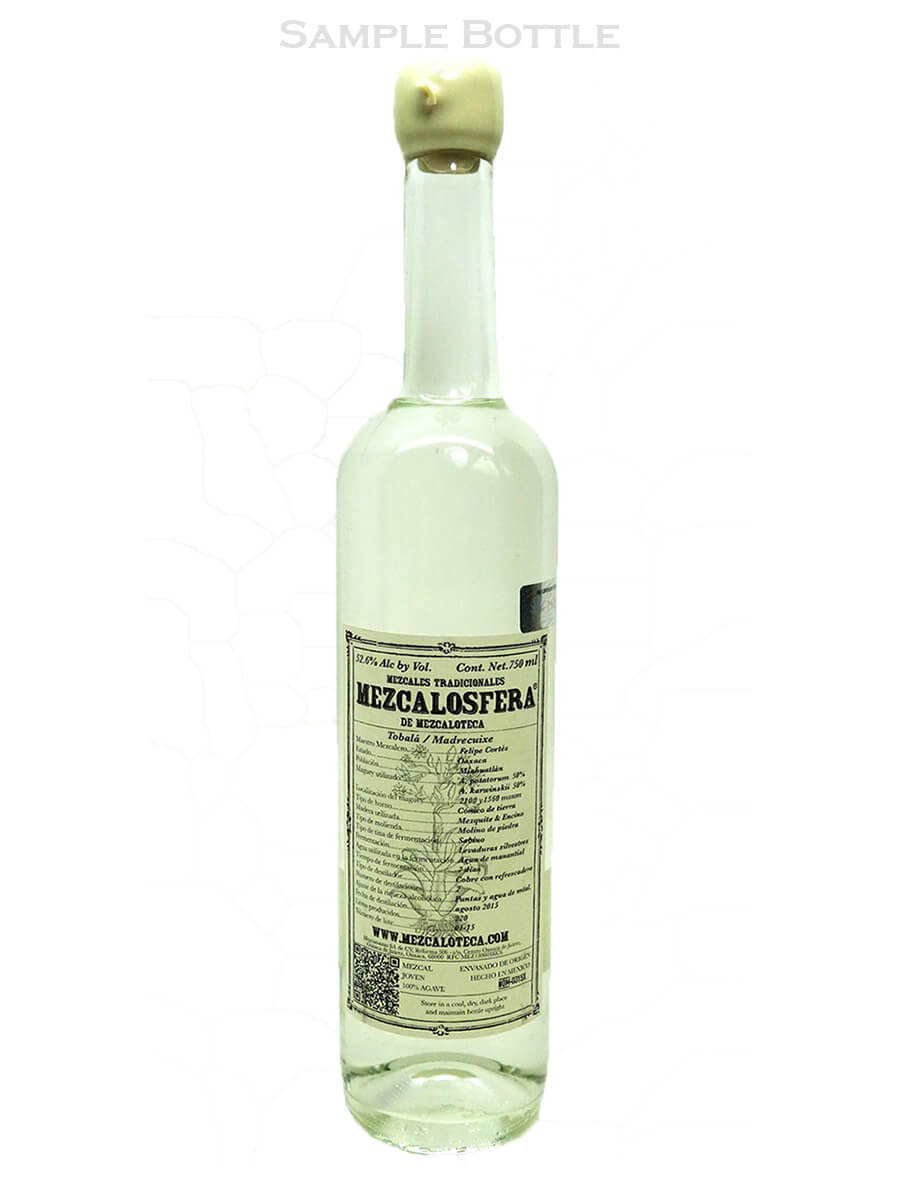
Mezcalosfera de Mezcaloteca
Mezcalosfera Espadin con Café – Margarito Cortés
Angustifolia · Oaxaca
3.6(42)Mezcalero Mezcal
Mezcalero No. 28
Angustifolia · Oaxaca
3.6(42)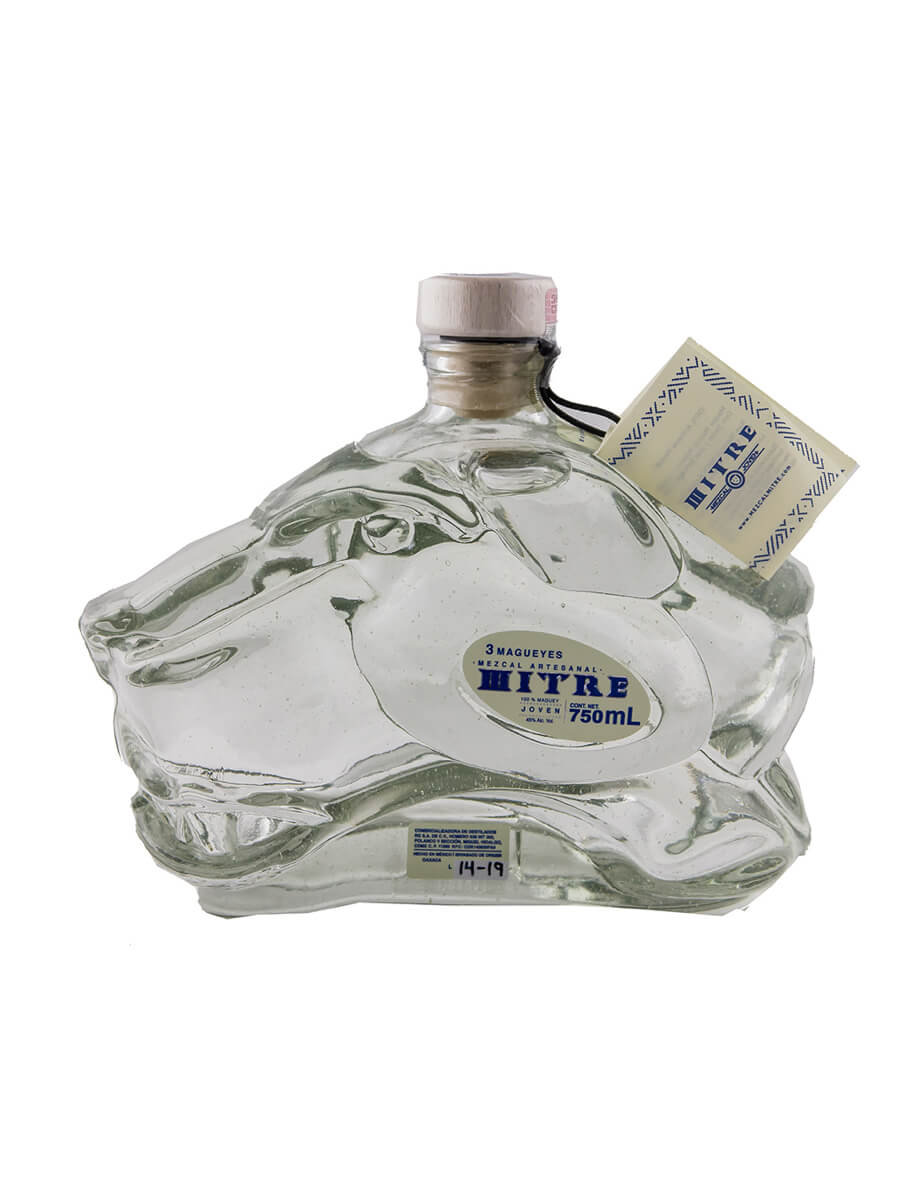
Mitre Mezcal
Mitre 3 Magueyes
Angustifolia · Oaxaca
3.6(42)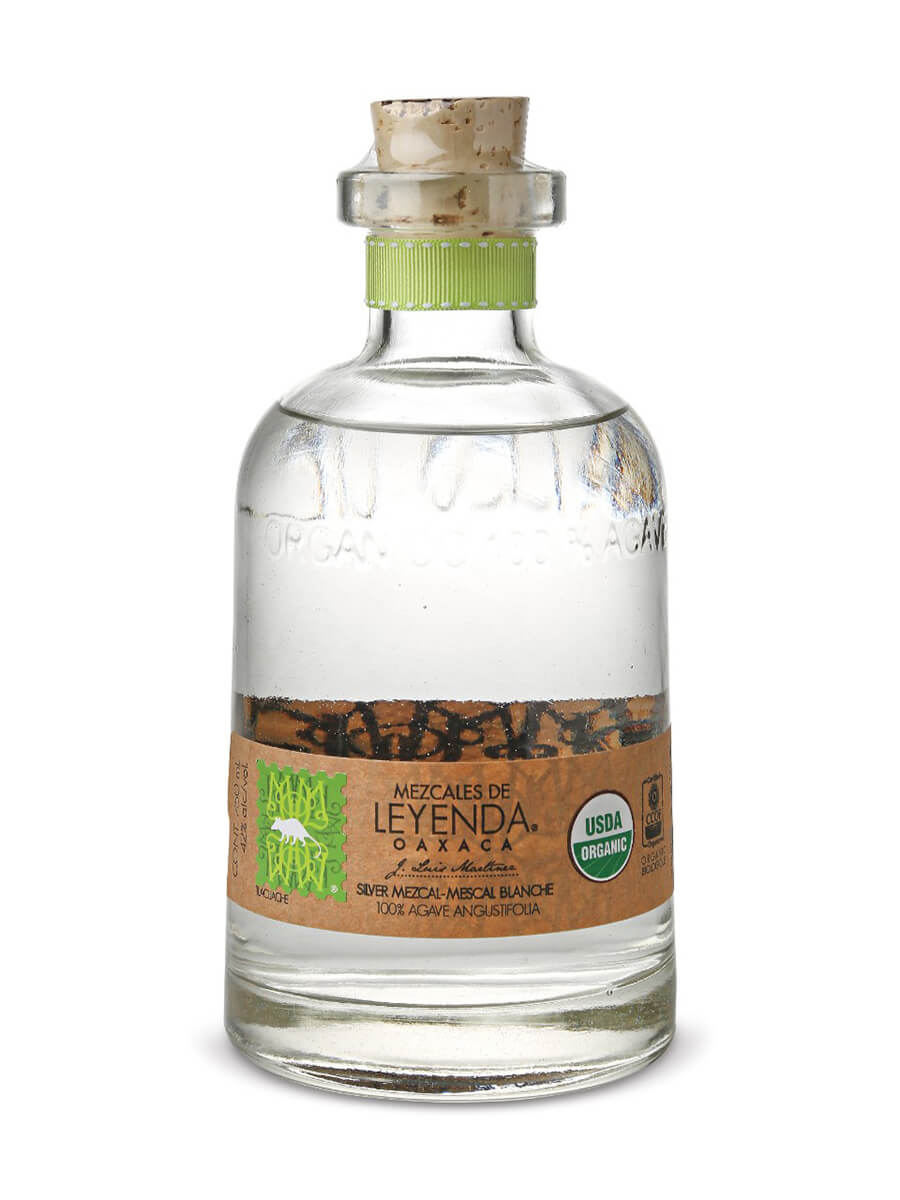
Leyendas Mezcal
Leyendas Espadin (Oaxaca)
Angustifolia · Oaxaca
3.6(42)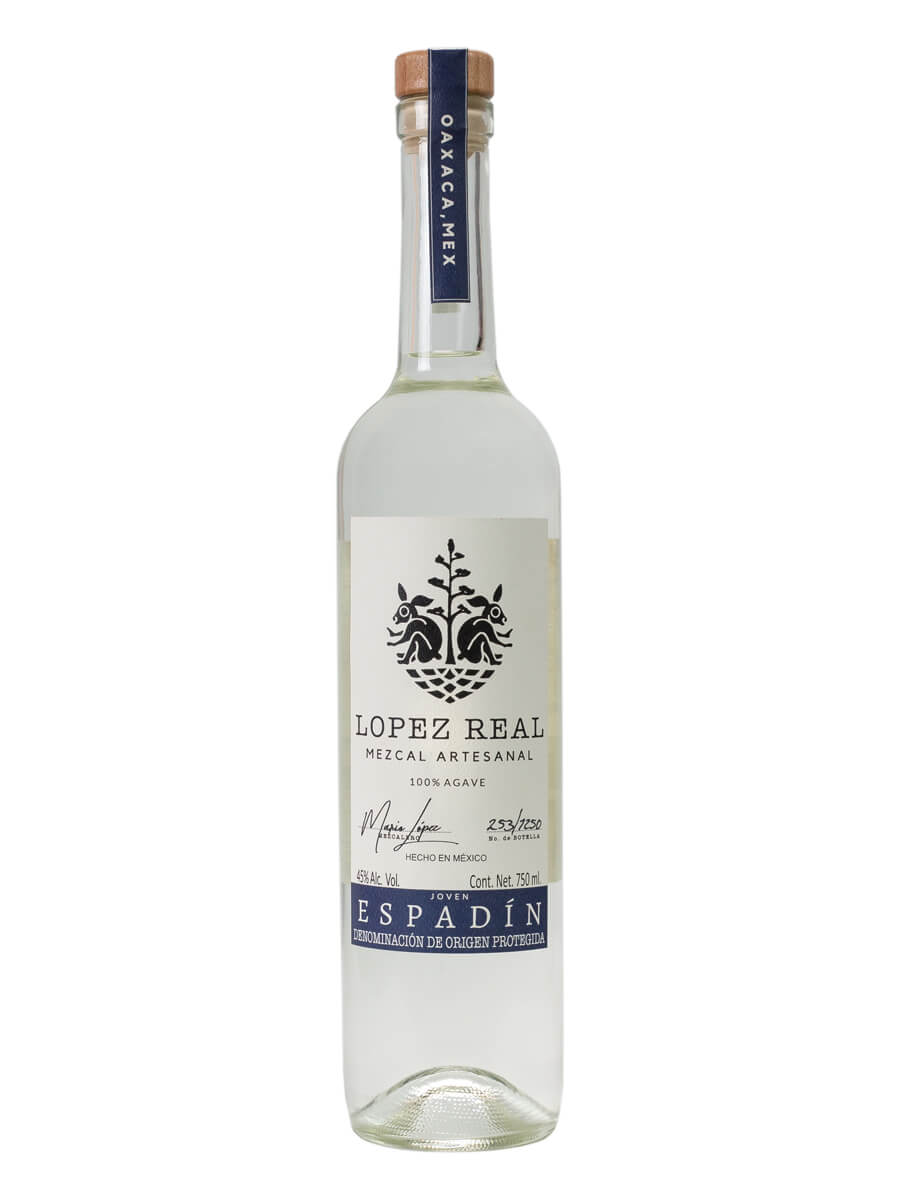
Lopez Real Mezcal
Lopez Real Espadin
Angustifolia · Oaxaca
3.6(42)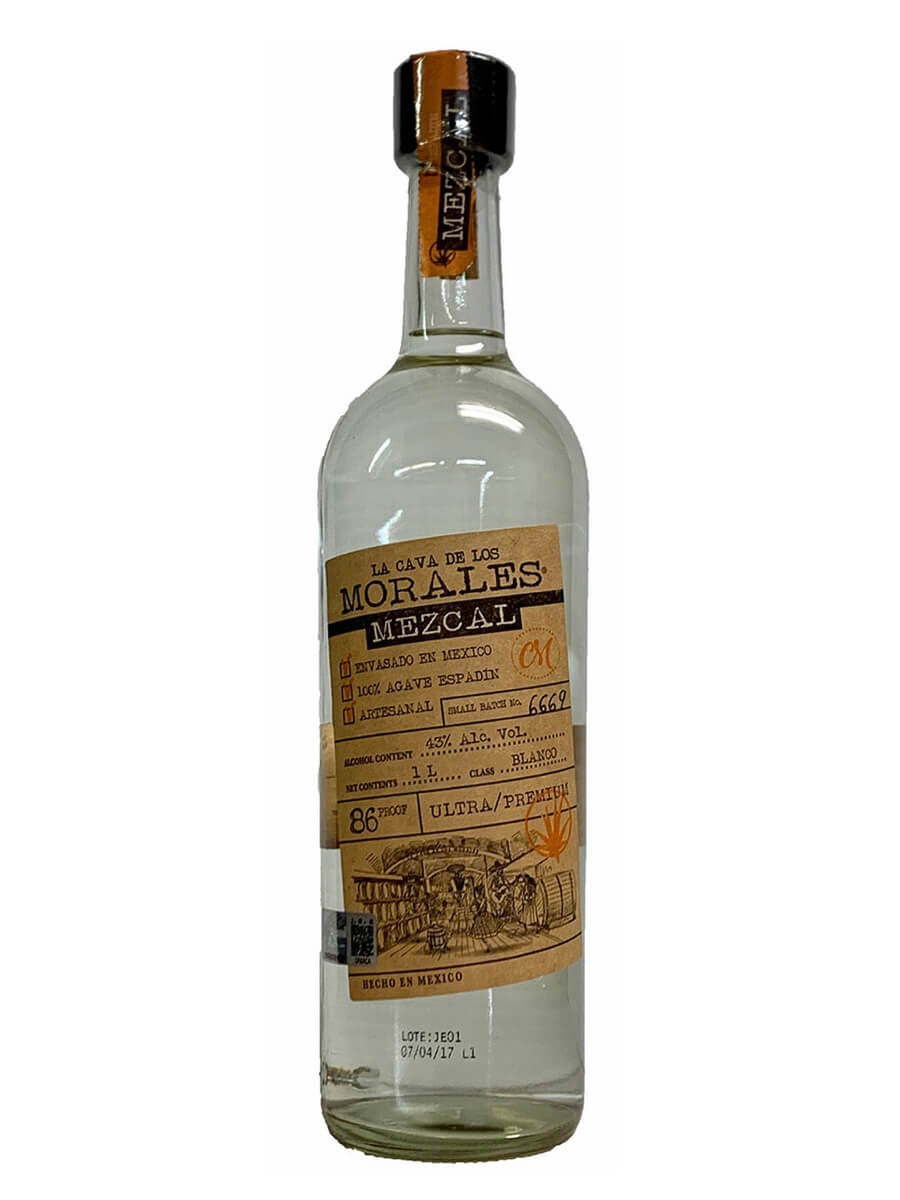
La Cava de los Morales Mezcal
La Cava de los Morales Mezcal
Angustifolia
3.6(42)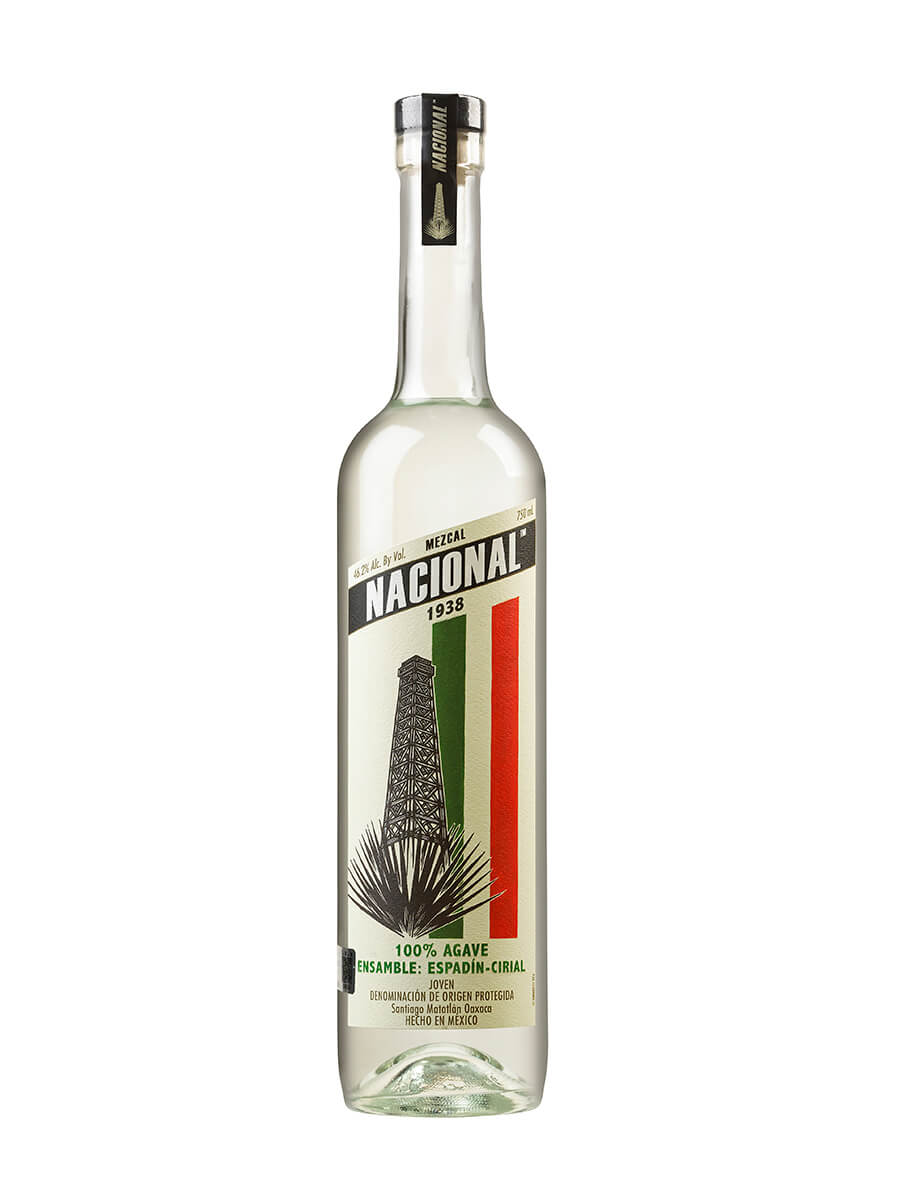
Nacional Mezcal
Nacional 1938
Angustifolia · Oaxaca
3.6(42)
El Mito de Zaragoza Mezcal
El Mito de Zaragoza Espadin
Angustifolia · Guerrero
3.6(42)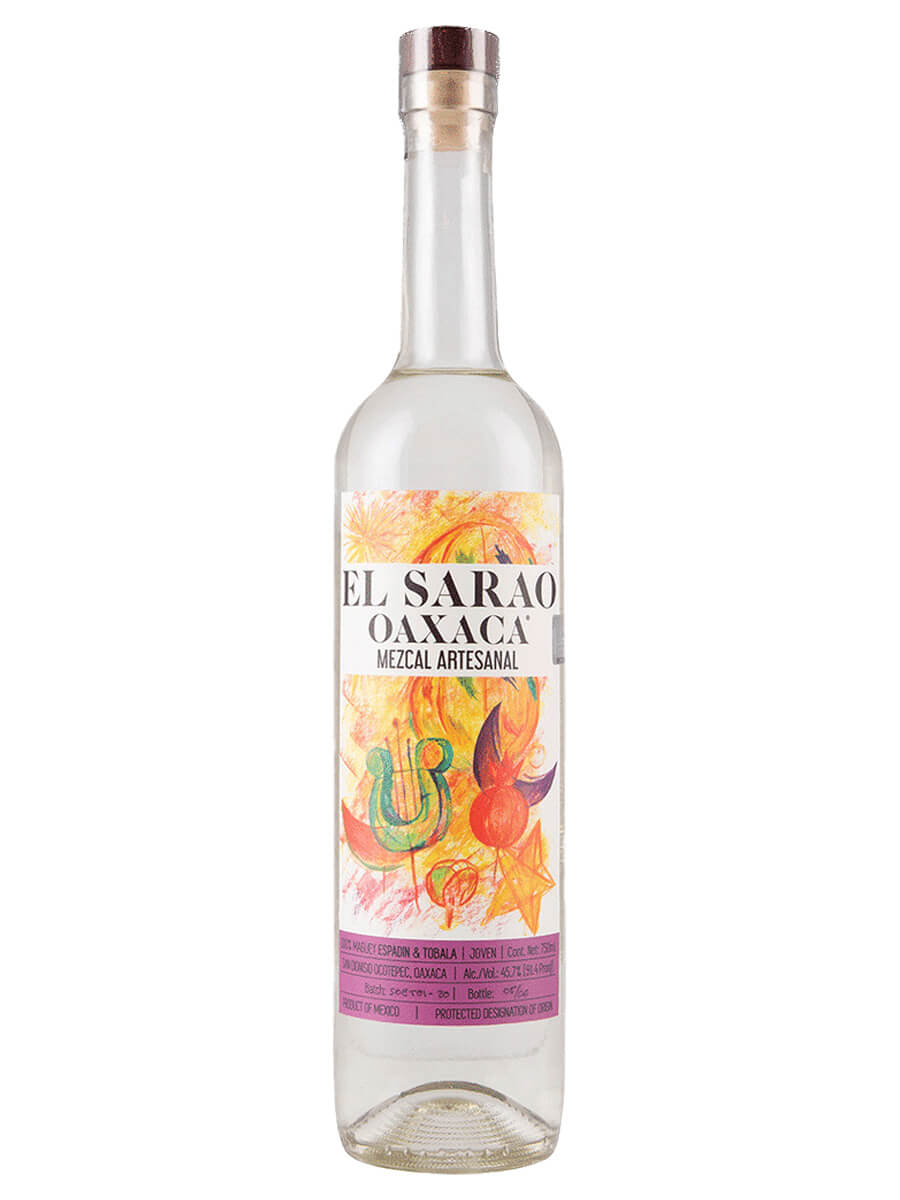
El Sarao Oaxaca Mezcal
El Sarao Oaxaca Espadin & Tobala
Angustifolia · Oaxaca
3.6(42)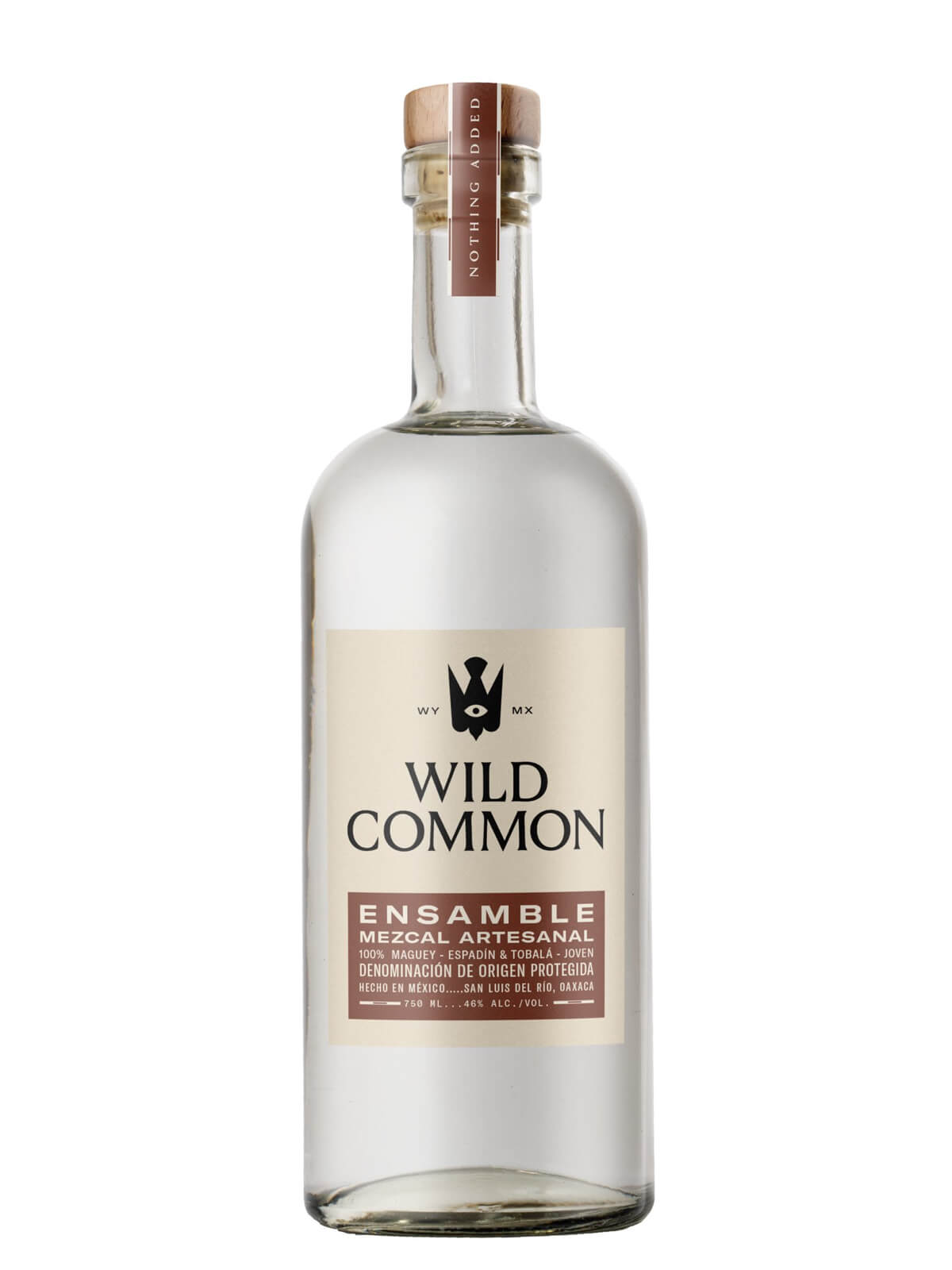
Wild Common
Wild Common Ensamble
Angustifolia · Oaxaca
3.6(42)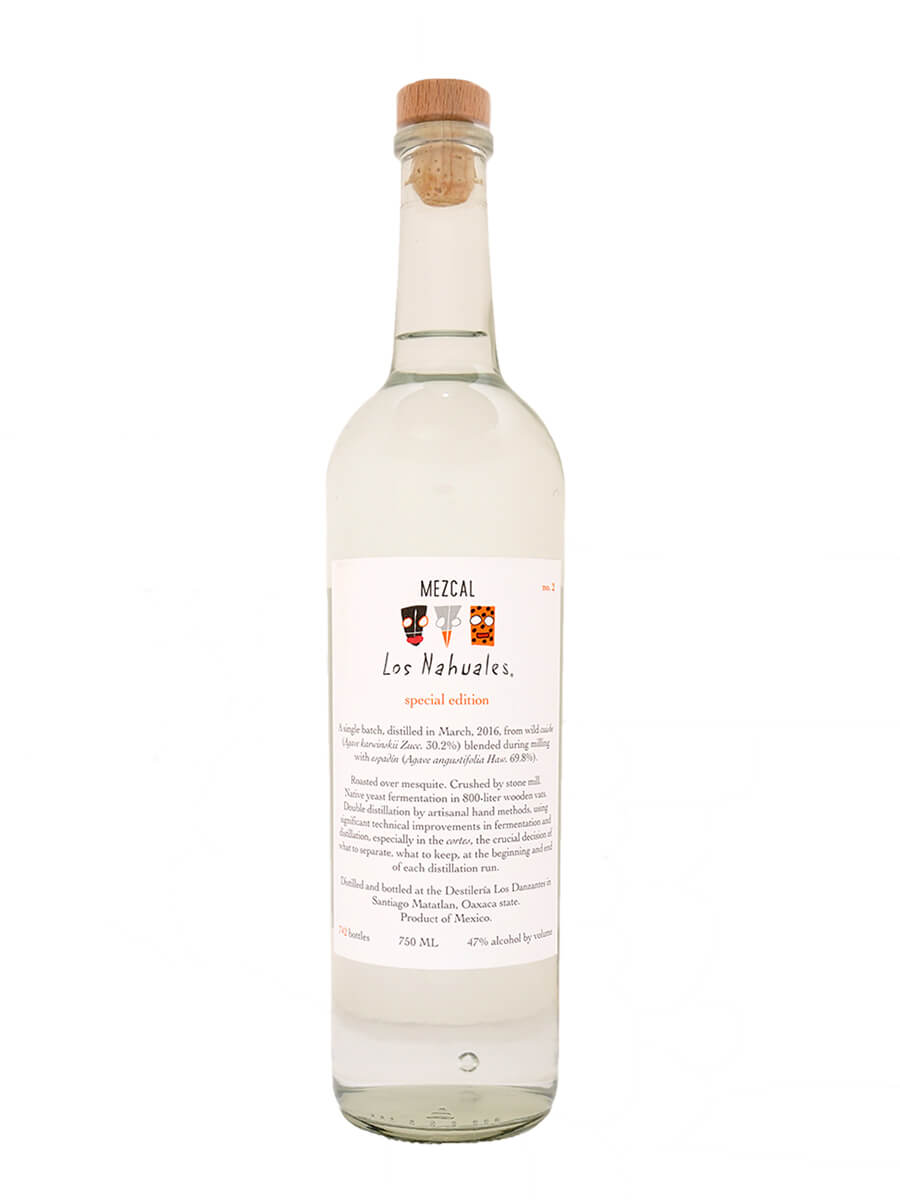
Los Nahuales Mezcal
Los Nahuales Special Edition No. 2
Angustifolia · Oaxaca
3.6(42)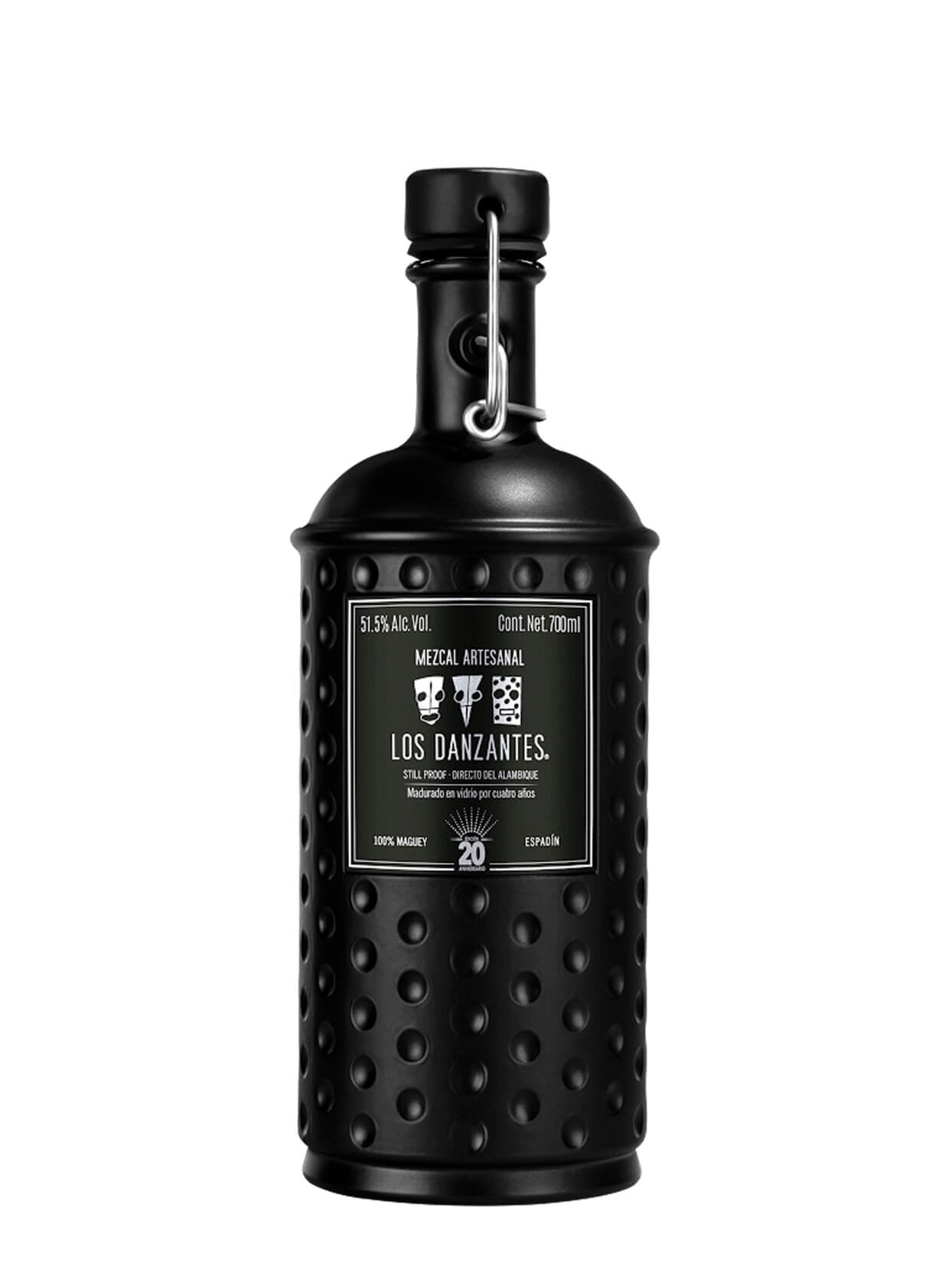
Los Nahuales Mezcal
Los Nahuales “Still Proof” Jabali & Espadin
Angustifolia · Oaxaca
3.6(42)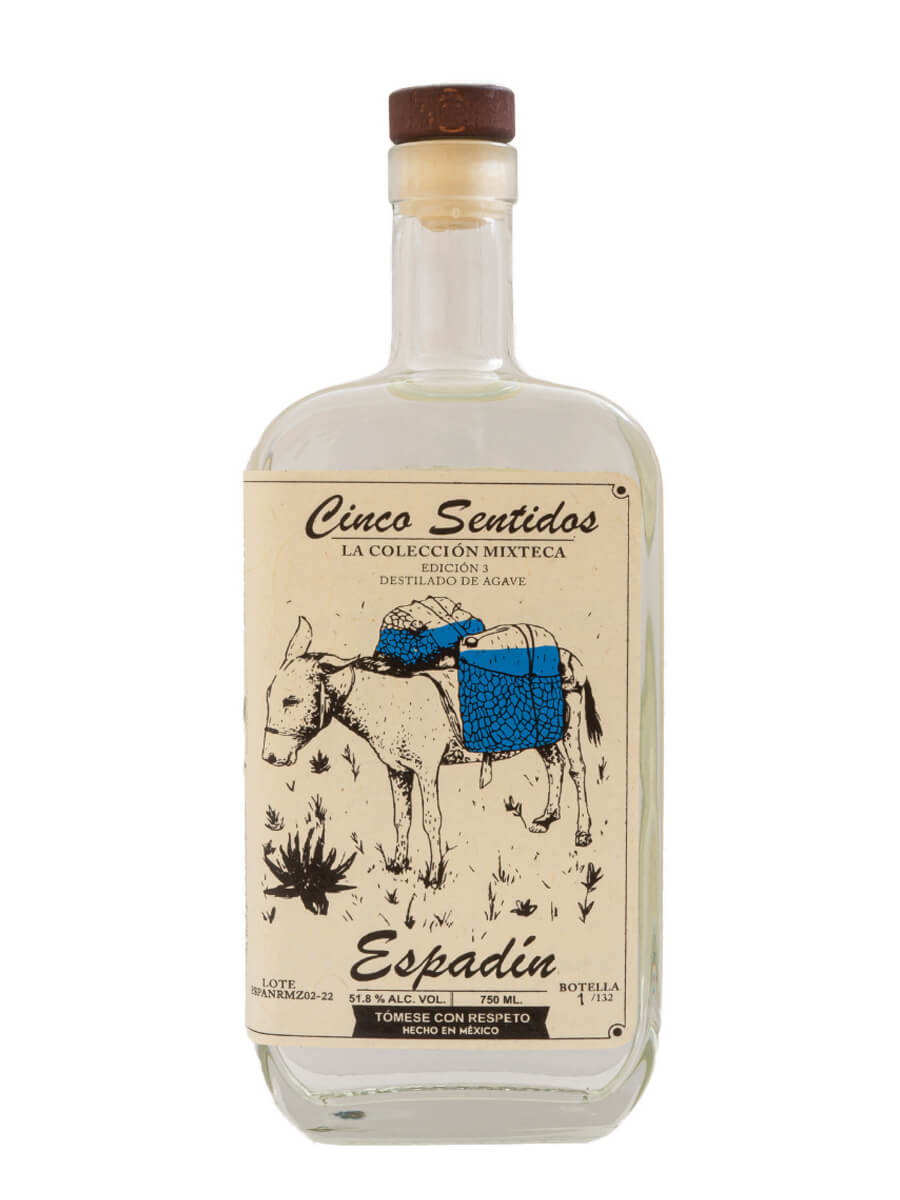
5 Sentidos
Cinco Sentidos Espadín (Mixteca ed. 3)
Angustifolia · Oaxaca
3.6(42)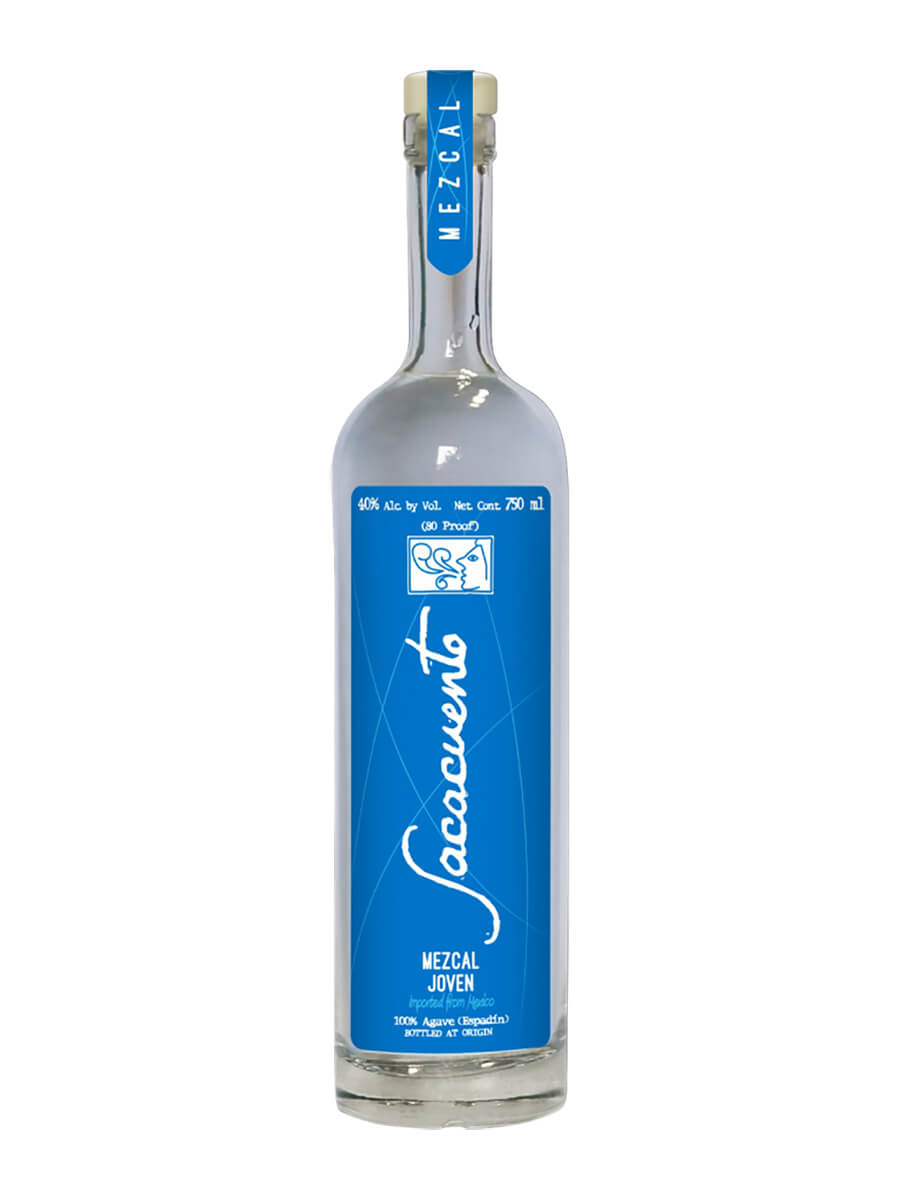
Sacacuento Mezcal
Sacacuento Joven
Angustifolia · Oaxaca
3.6(42)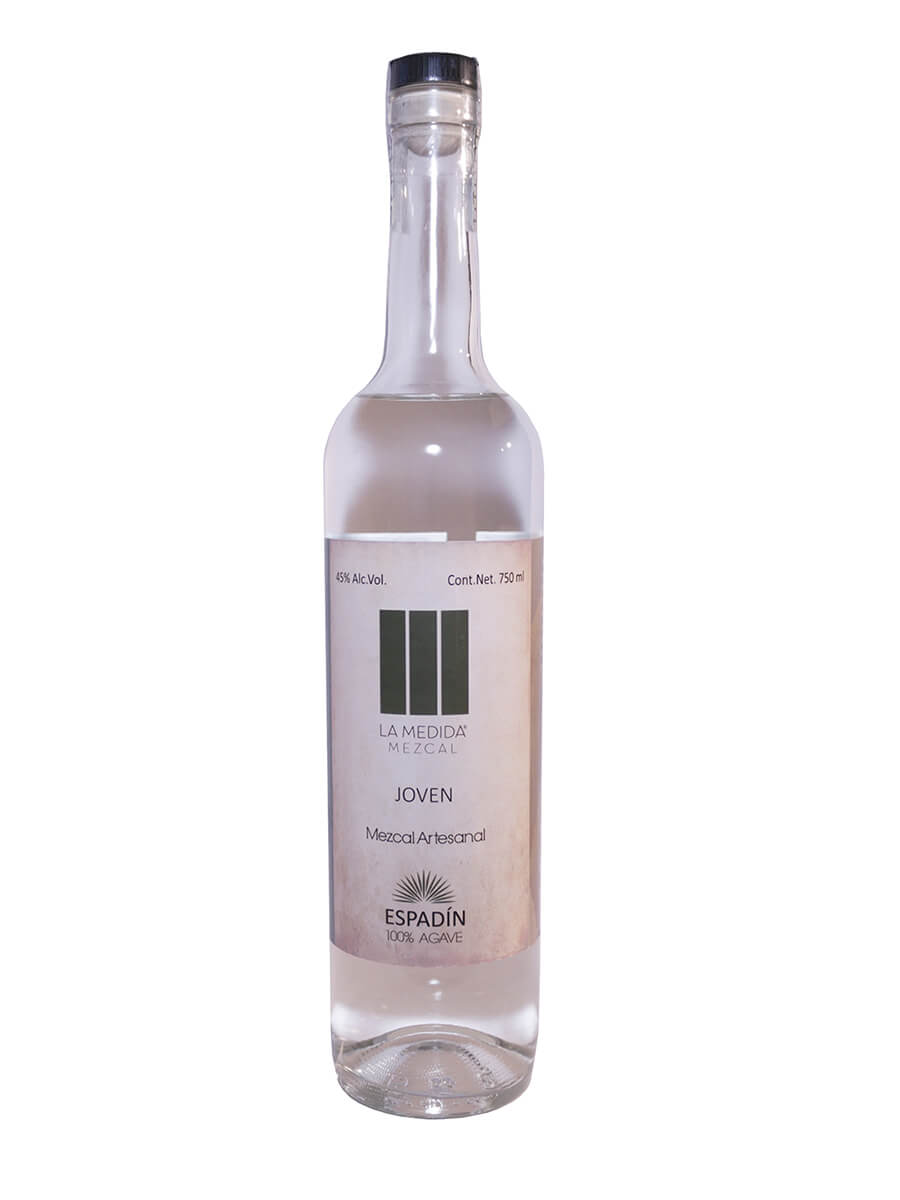
La Medida Mezcal
La Medida Espadin
Angustifolia · Oaxaca
3.6(42)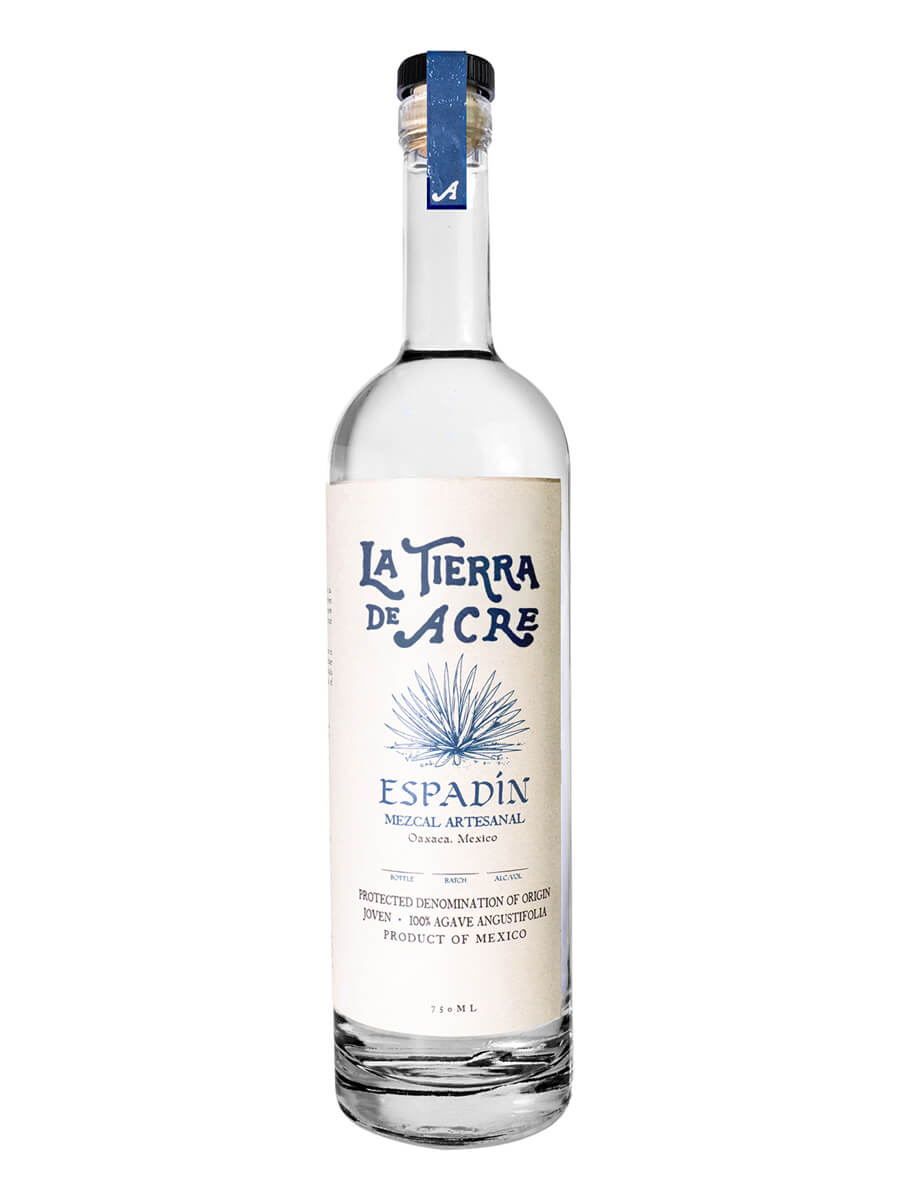
La Tierra de Acre Mezcal
La Tierra de Acre Espadin
Angustifolia · Oaxaca
3.6(42)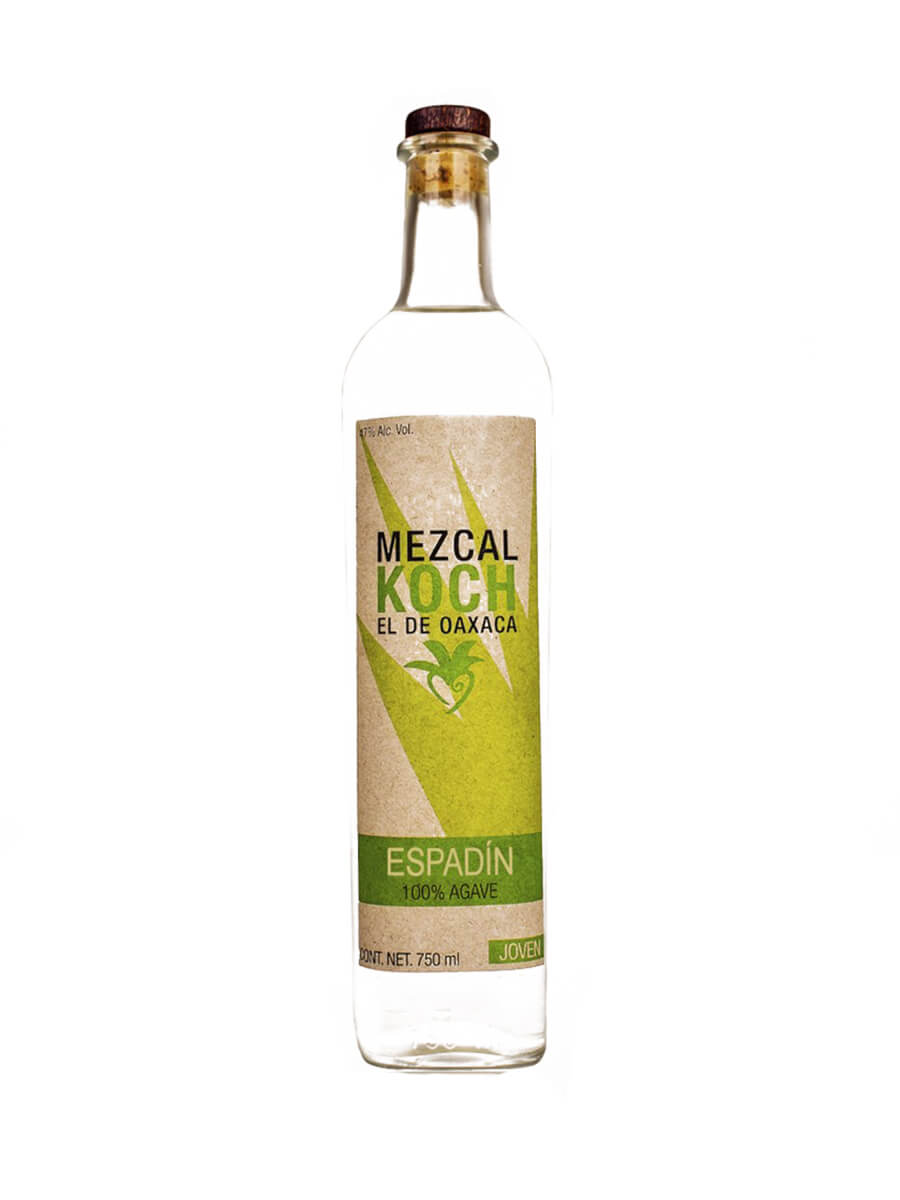
Koch Mezcal
Koch Espadin Artesanal
Angustifolia · Oaxaca
3.6(42)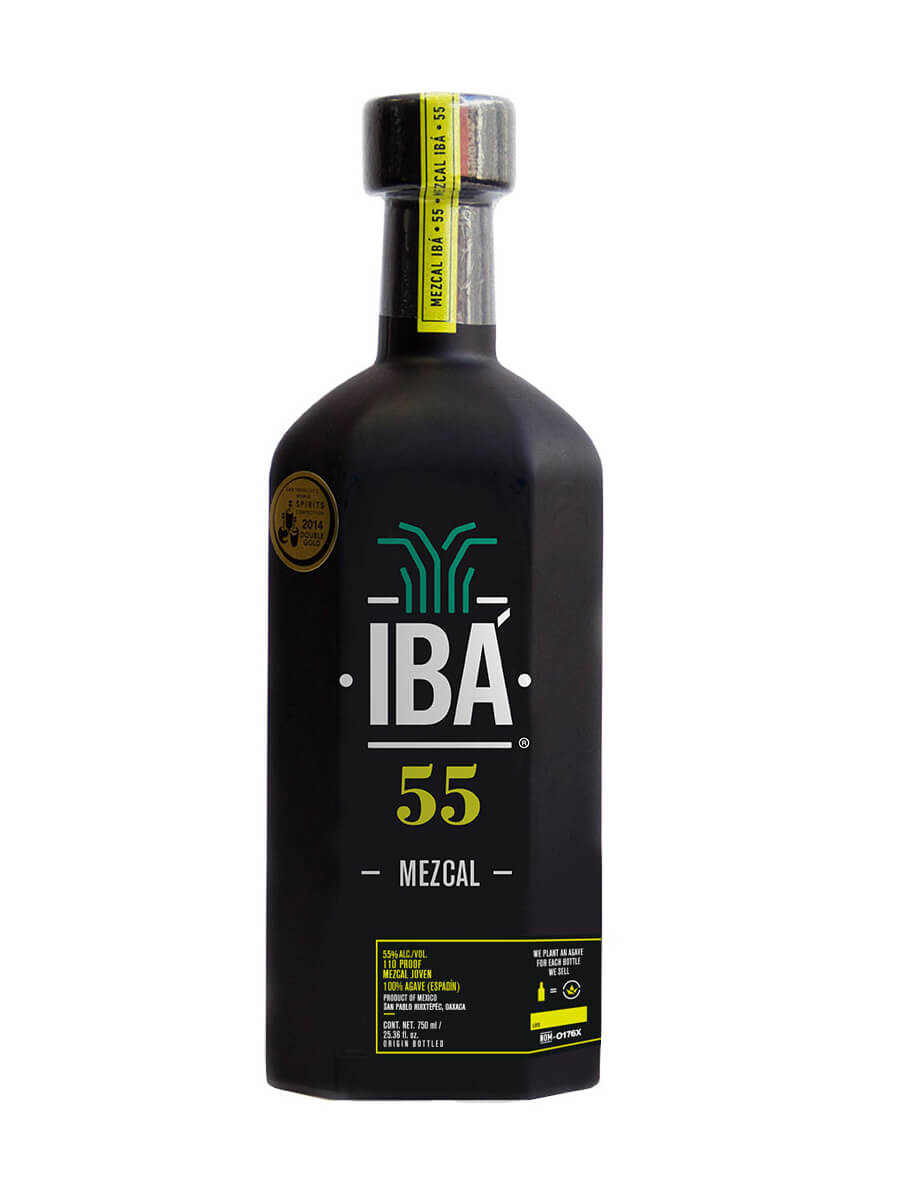
IBA Mezcal
IBA 55
Angustifolia · Oaxaca
3.6(42)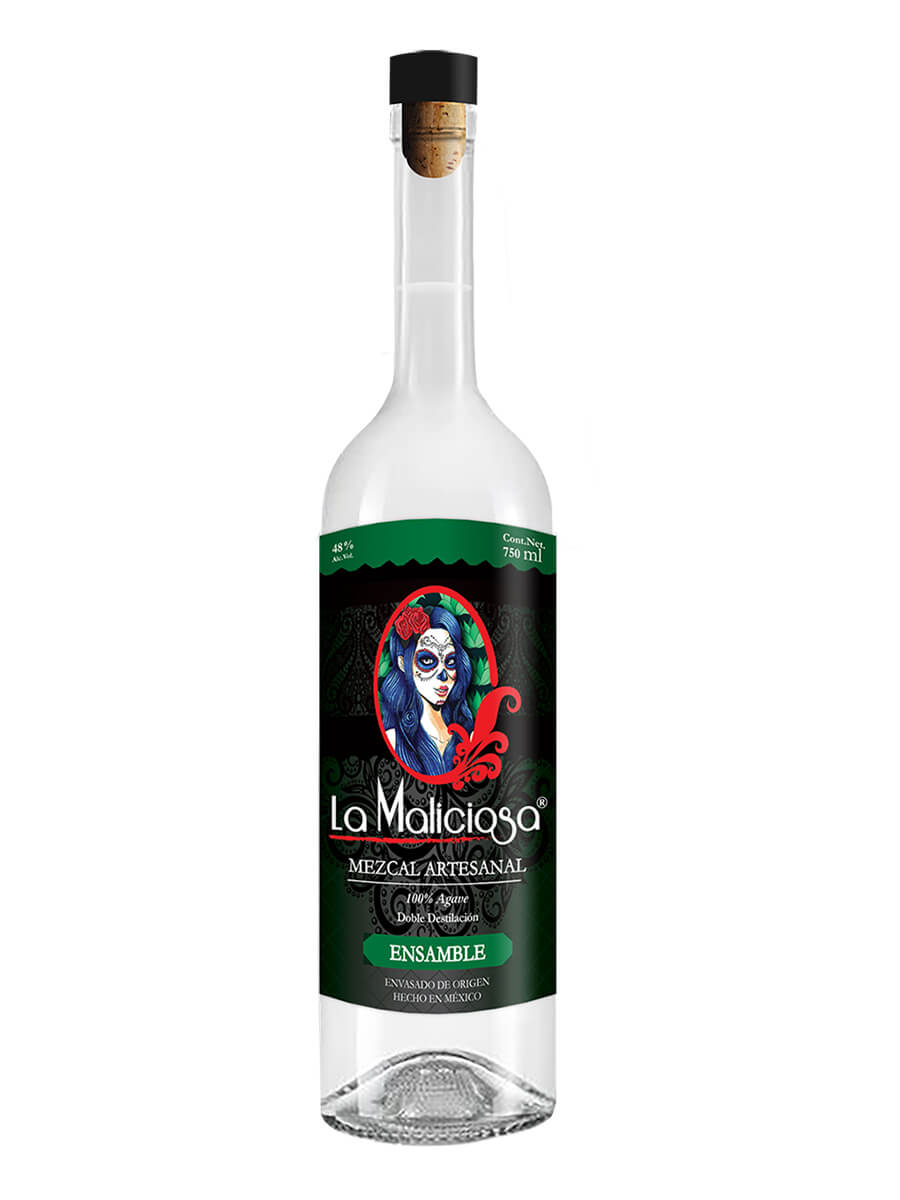
La Maliciosa Mezcal
La Maliciosa Ensamble
Americana · Oaxaca
3.6(42)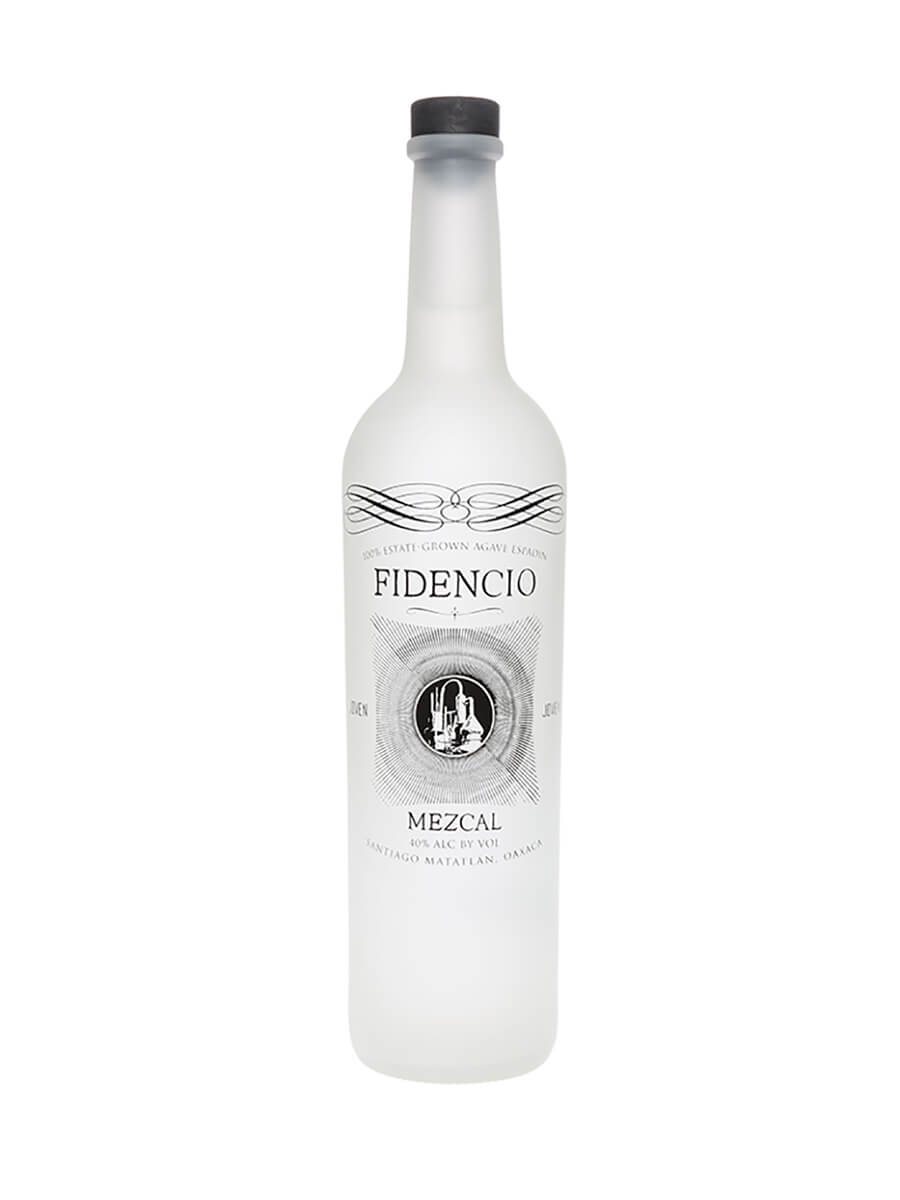
Fidencio Mezcal
Fidencio Unico
Angustifolia · Oaxaca
3.6(42)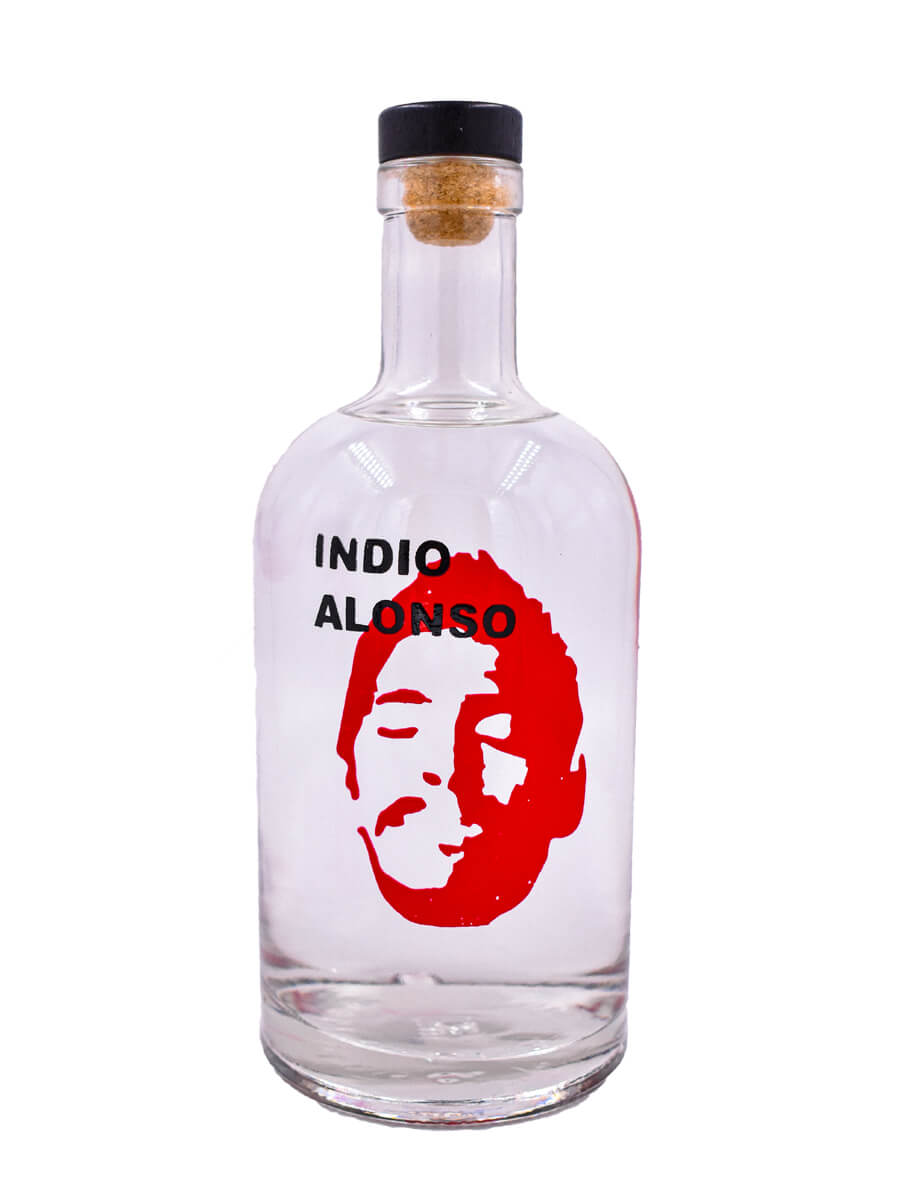
Indio Alonso
Indio Alonso Tuxca Cimarron / Salmiana
Angustifolia · Jalisco
3.6(42)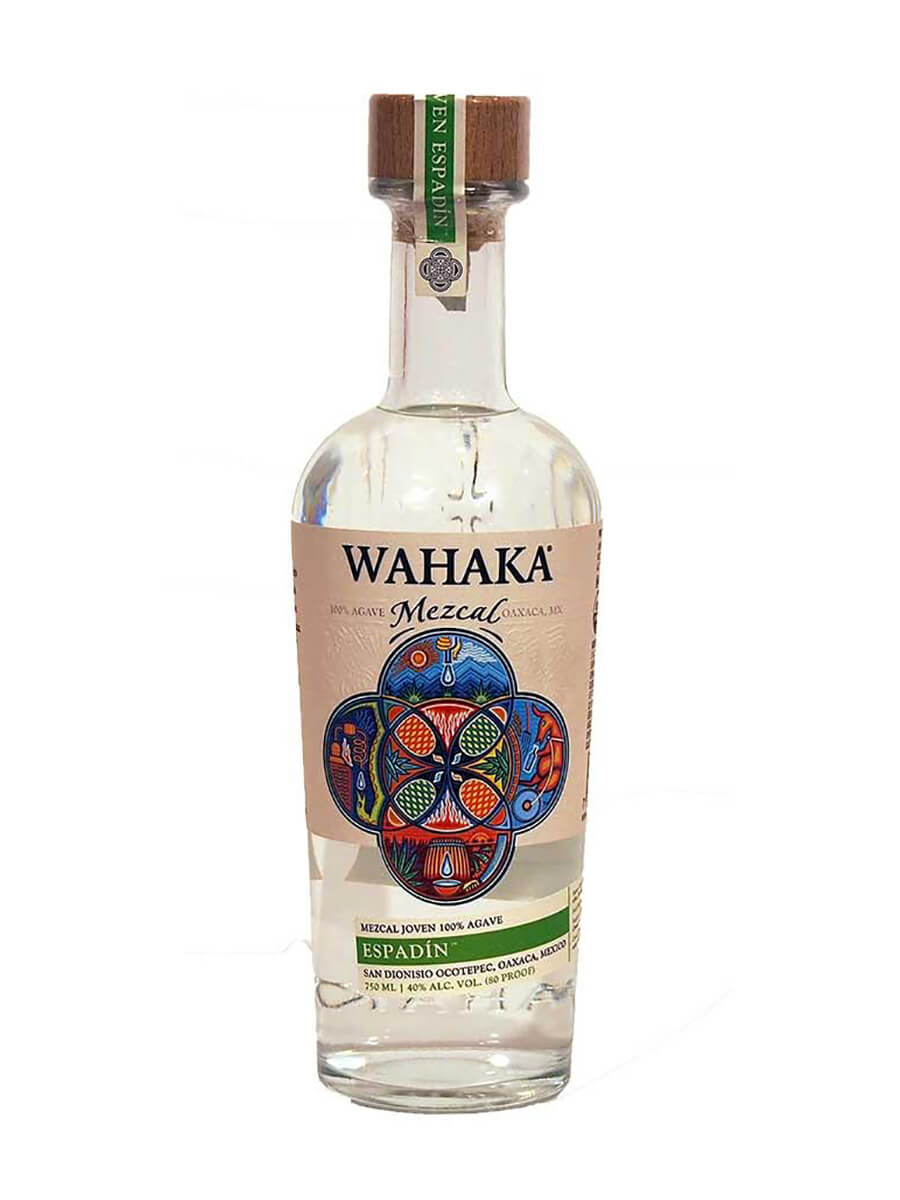
Wahaka Mezcal
Wahaka Espadin
Angustifolia · Oaxaca
3.6(42)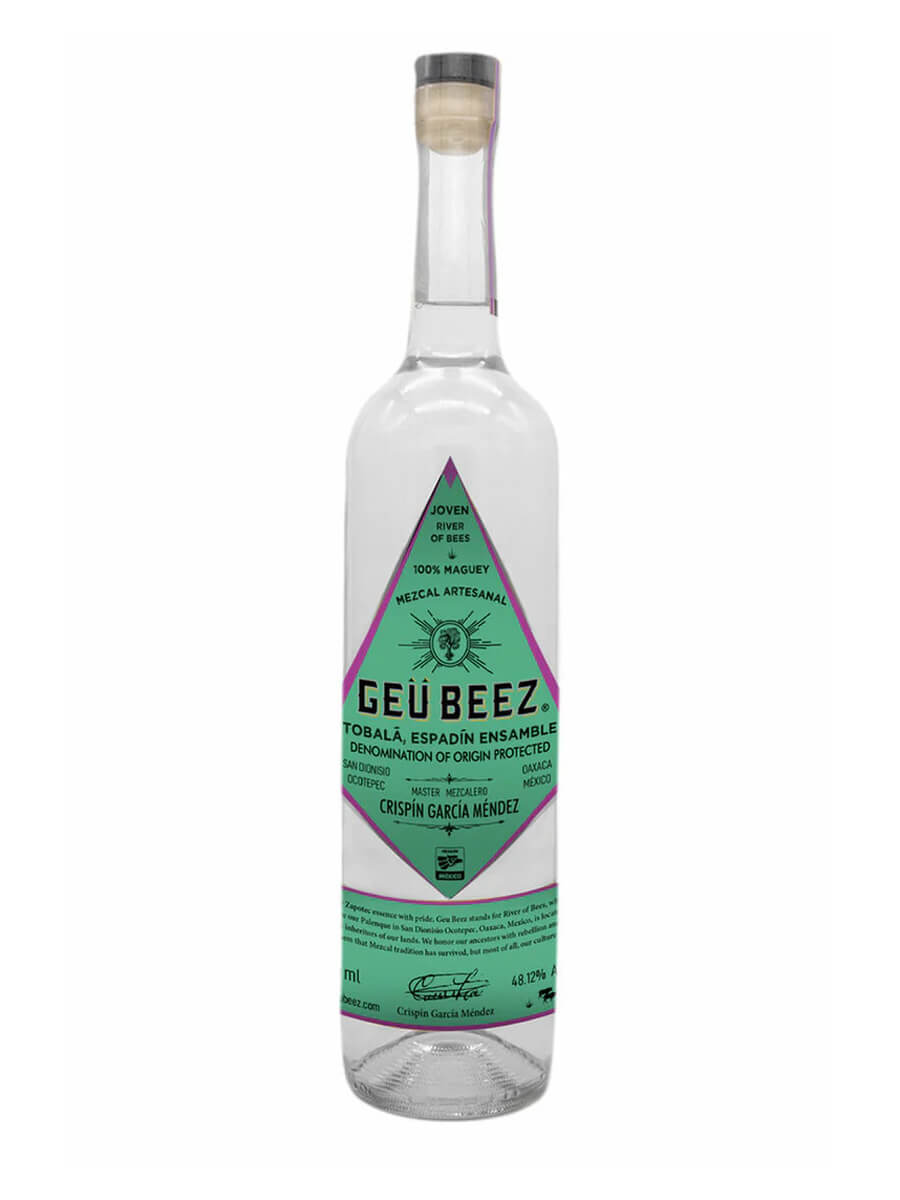
Geü Beez Mezcal
Geü Beez Tobala-Espadin
Angustifolia · Oaxaca
3.6(42)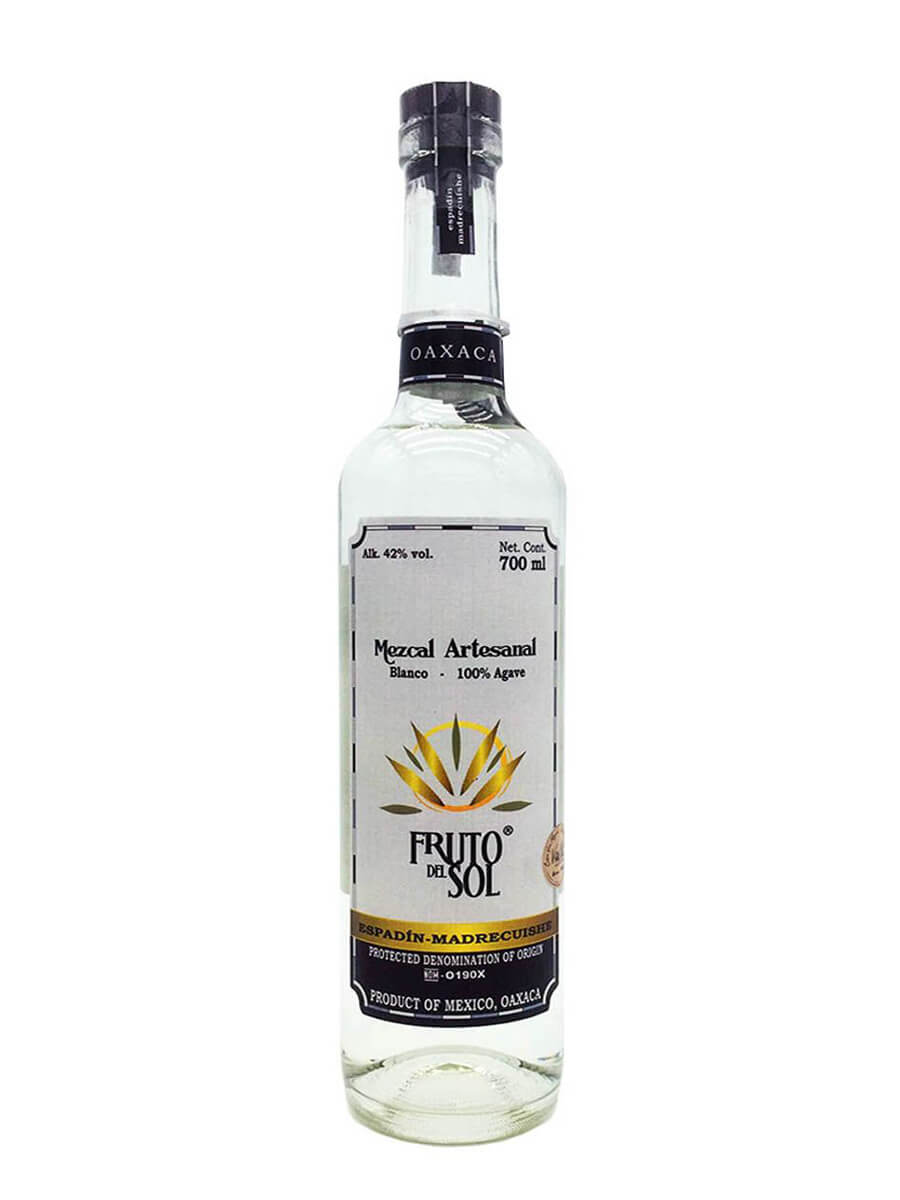
Fruto del Sol Mezcal
Fruto del Sol Espadín-Madrecuishe
Angustifolia · Oaxaca
3.6(42)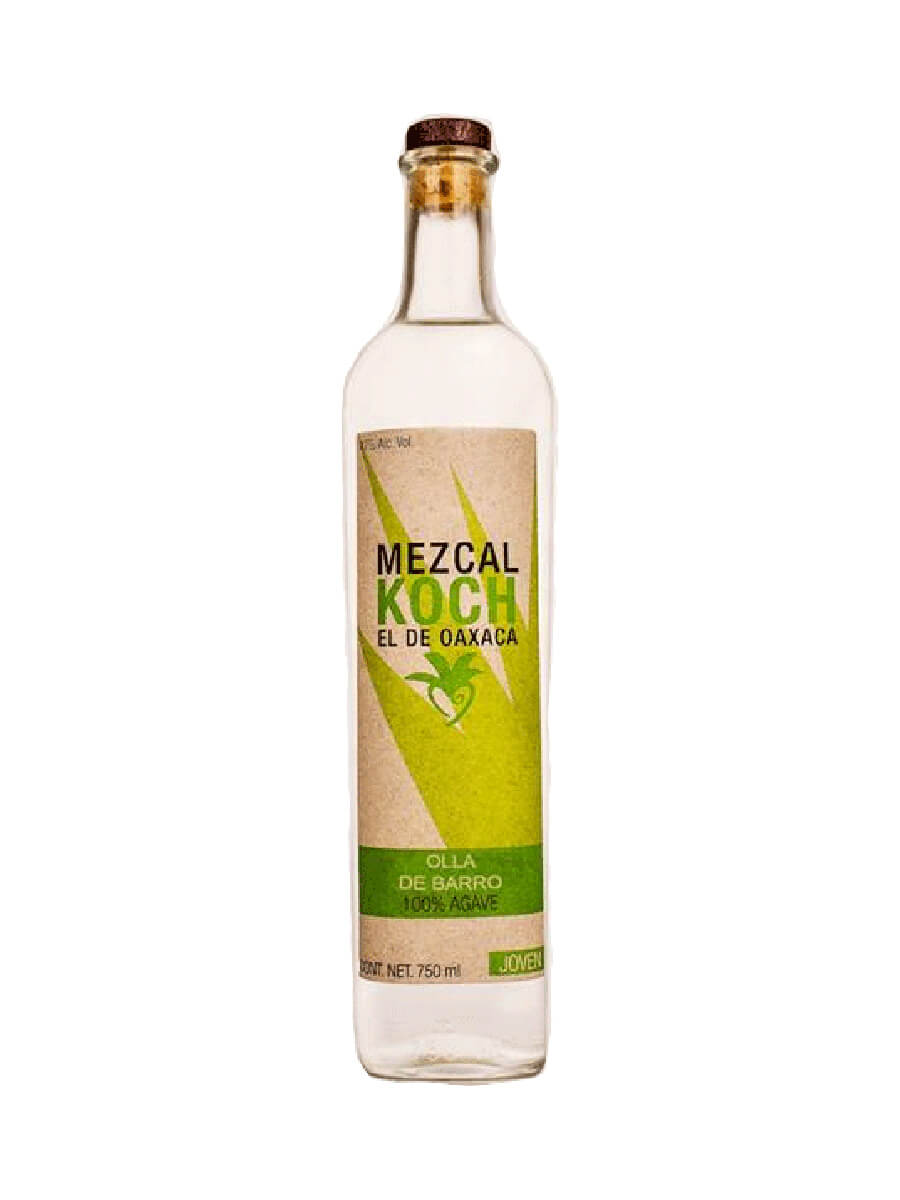
Koch Mezcal
Koch Espadin Ancestral
Angustifolia · Oaxaca
3.6(42)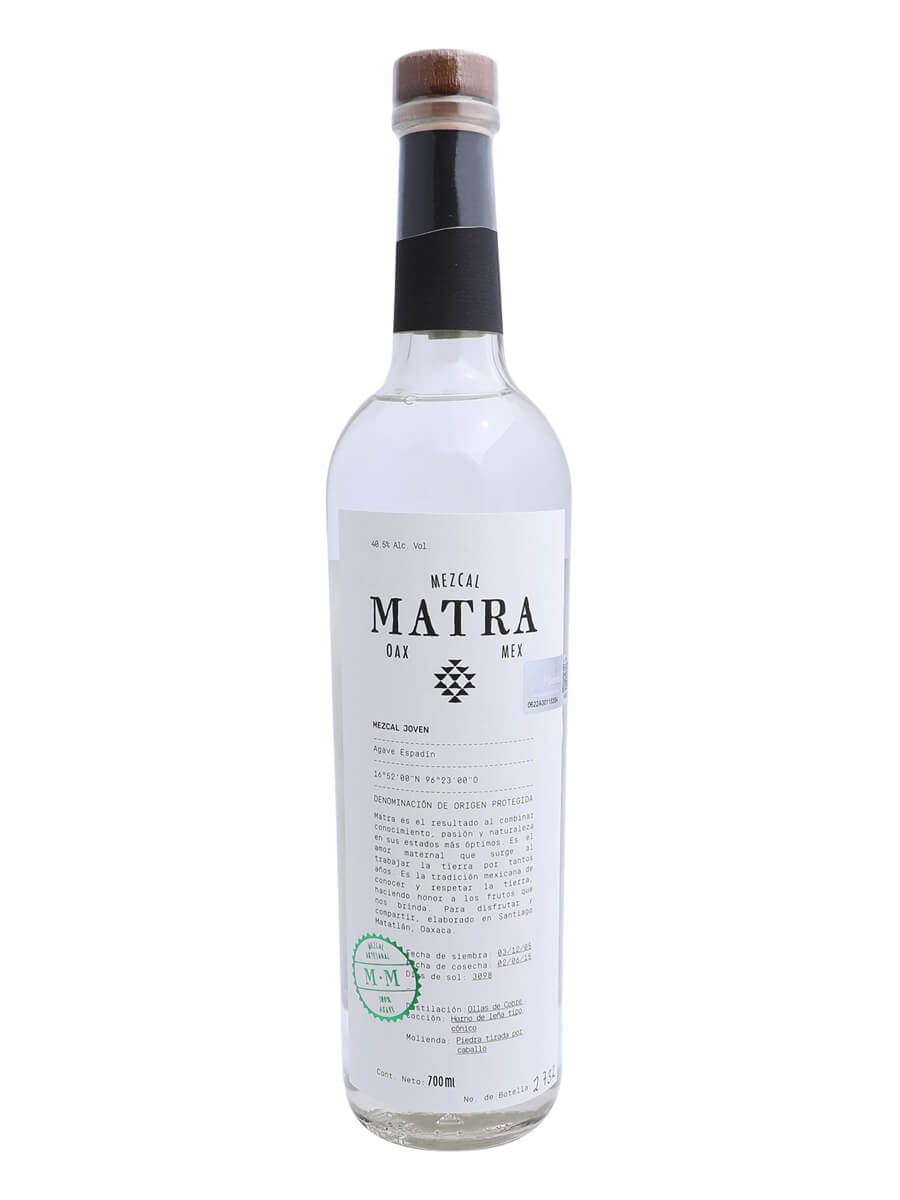
Matra Mezcal
Matra Joven
Angustifolia · Oaxaca
3.6(42)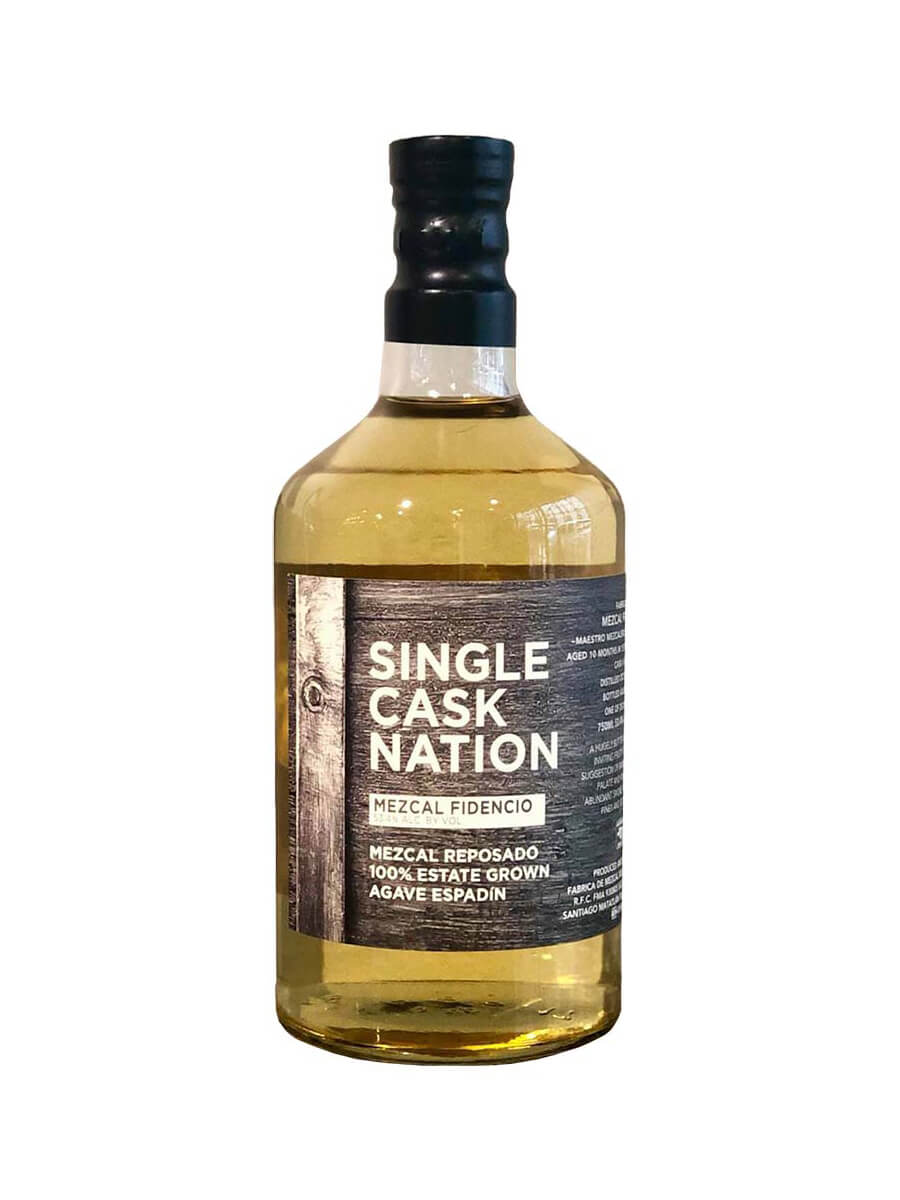
Fidencio Mezcal
Fidencio ‘Single Cask Nation’ Reposado
Angustifolia · Oaxaca
3.6(42)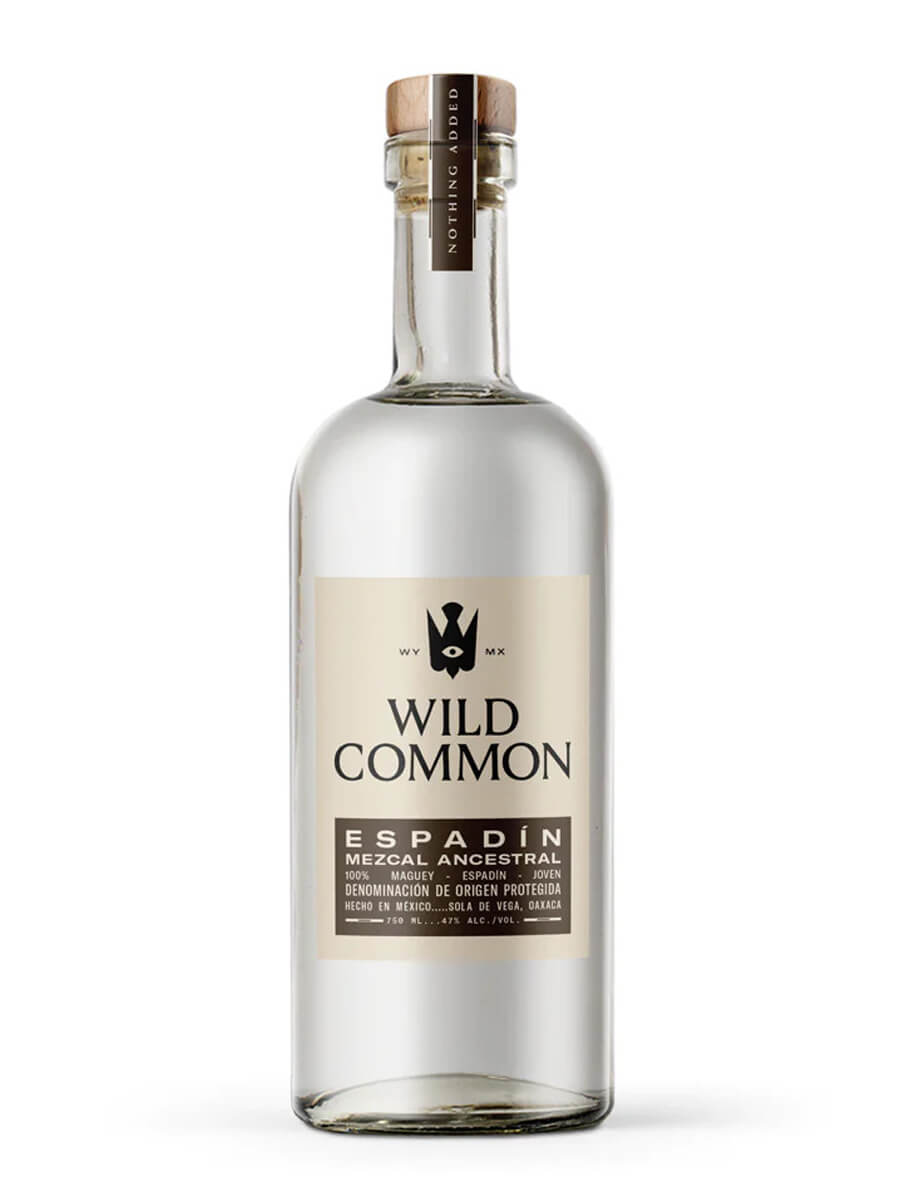
Wild Common
Wild Common Espadin – Isidro Damián
Angustifolia · Oaxaca
3.6(42)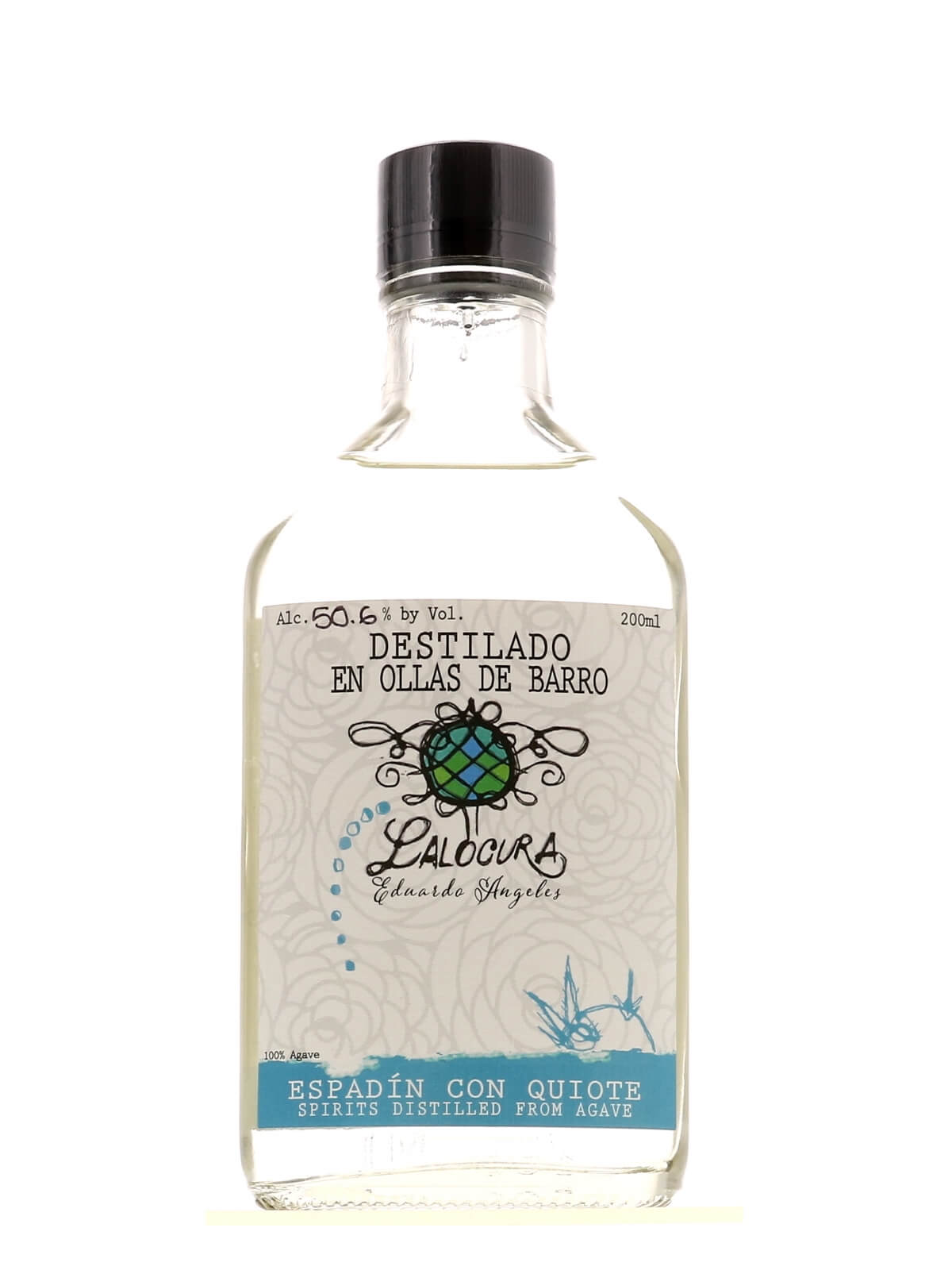
Lalocura Mezcal
Lalocura Espadín con Quiote (Capón)
Angustifolia · Oaxaca
3.6(42)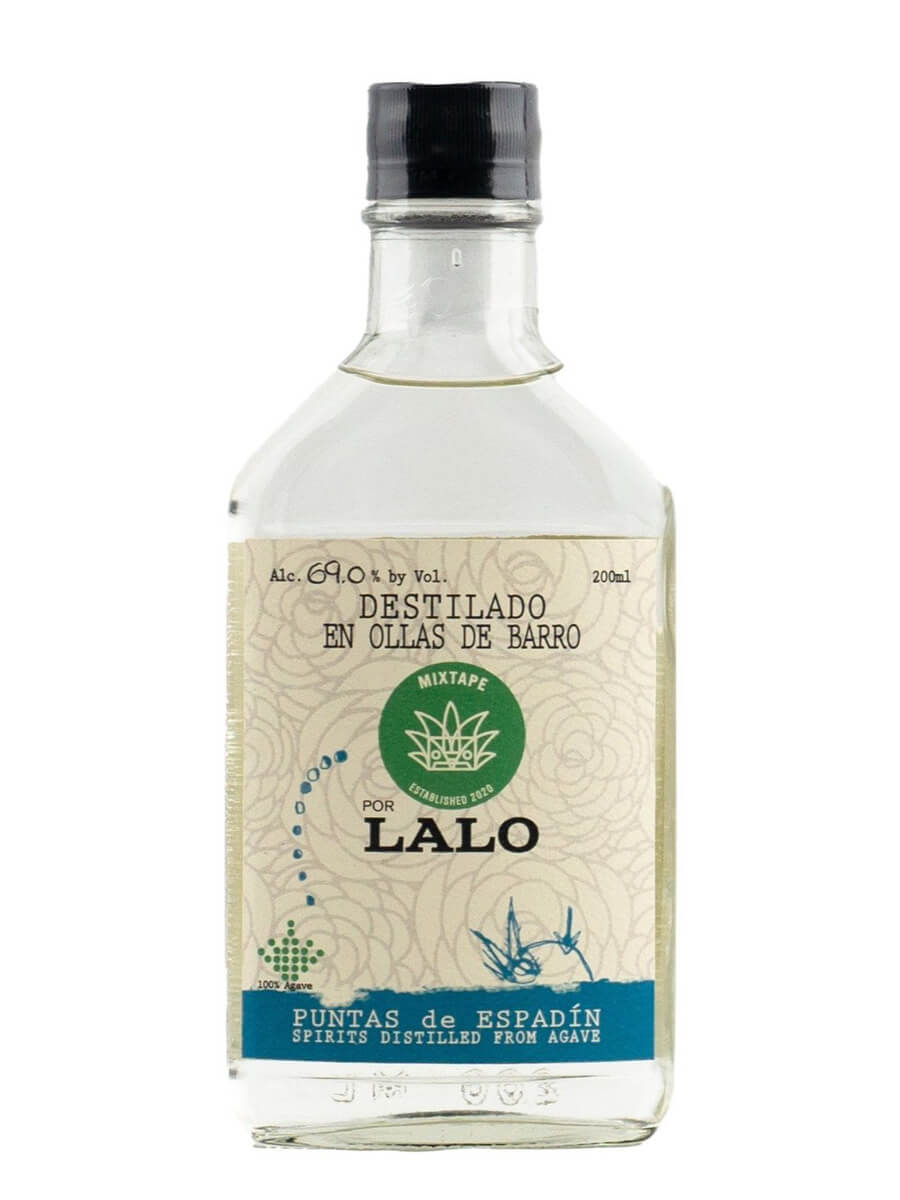
Lalocura Mezcal
Lalocura Puntas de Espadin
Angustifolia · Oaxaca
3.6(42)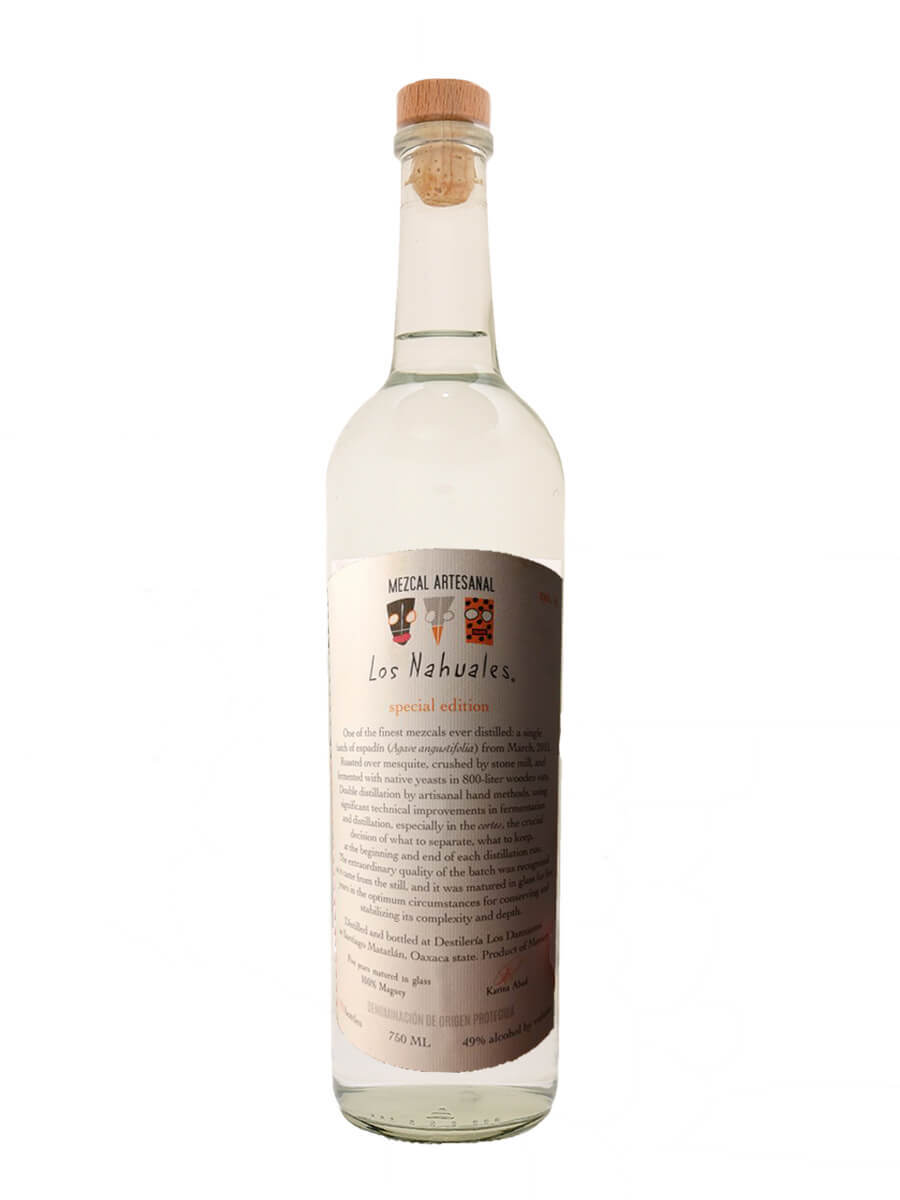
Los Nahuales Mezcal
Los Nahuales Special Edition No. 4
Angustifolia · Oaxaca
3.6(42)
Caminitos Agave Spirits
Caminitos Espadin con Coco y Pina – Wilfredo Garcia
Angustifolia · Oaxaca
3.6(42)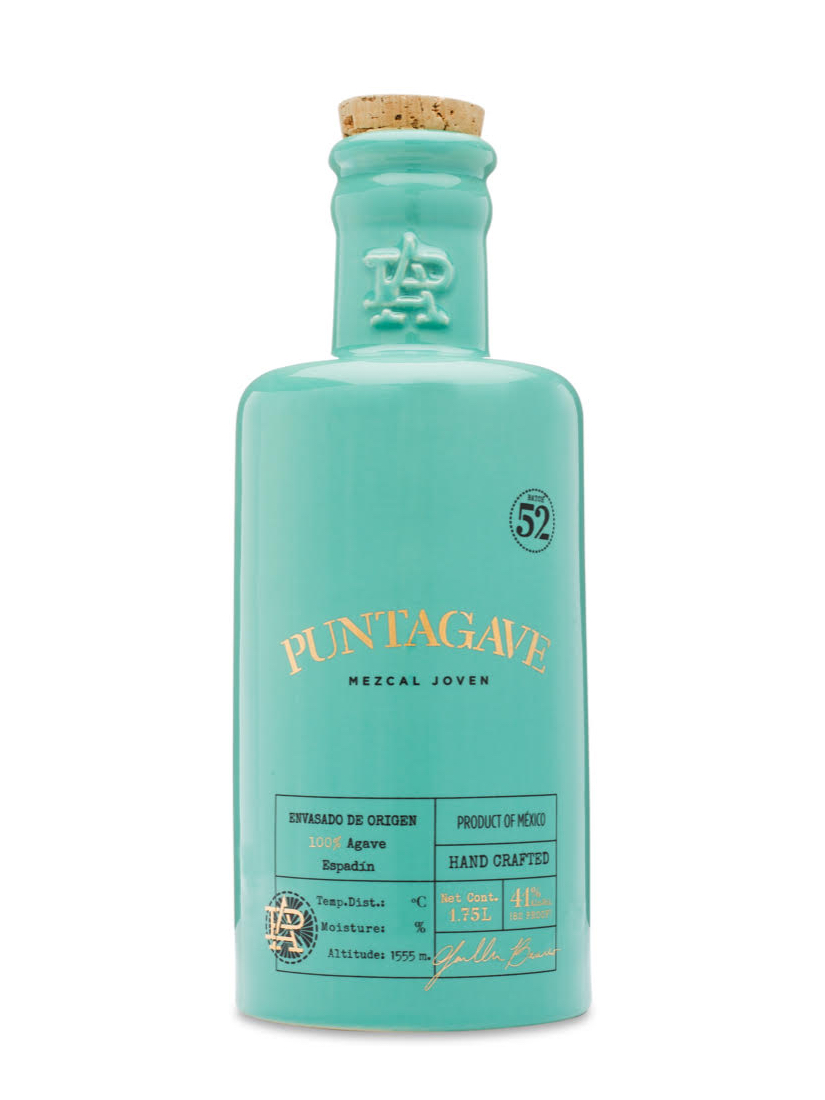
Puntagave
Puntagave Artisanal
Angustifolia · Oaxaca
3.6(42)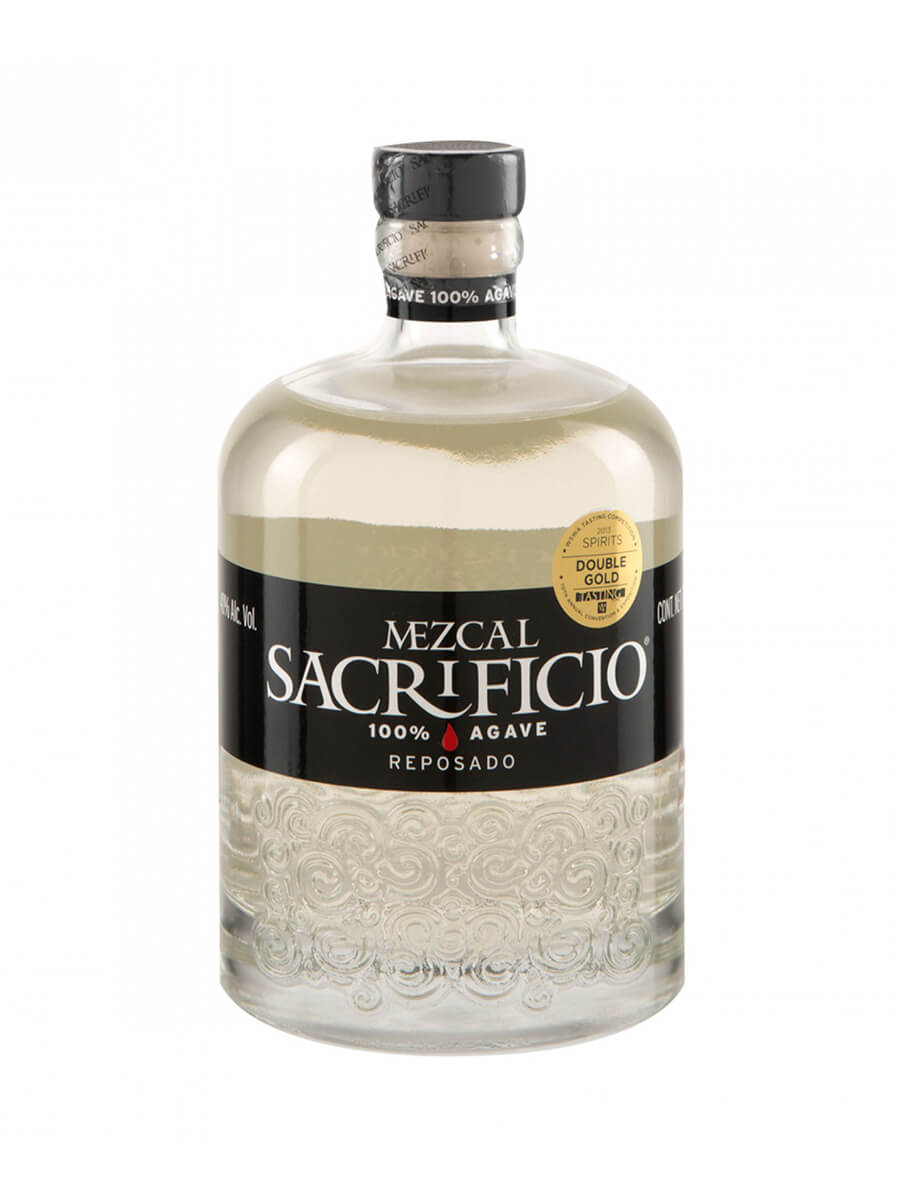
Sacrificio Mezcal
Sacrificio Reposado
Angustifolia · Oaxaca
3.6(42)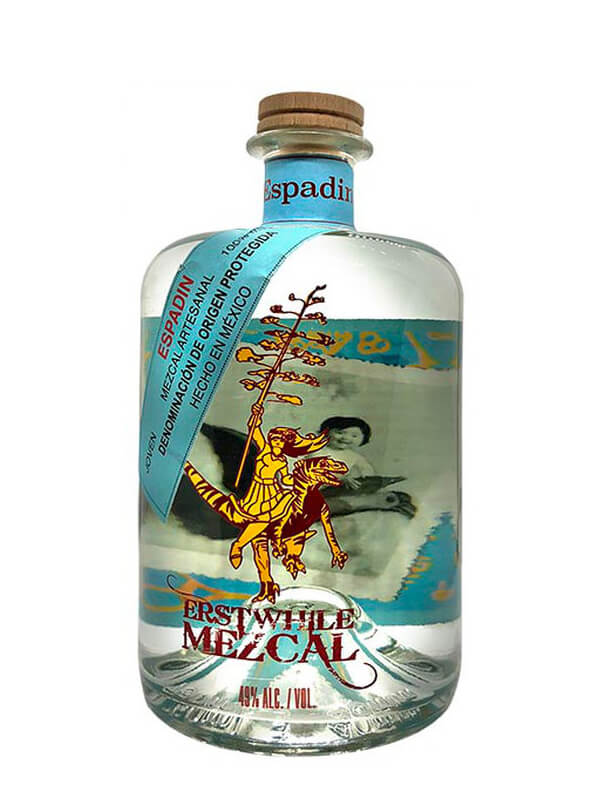
Erstwhile Mezcal
Erstwhile Espadin
Angustifolia · Oaxaca
3.6(42)
Firme Mezcal
Firme Espadin/Tobala Ensamble
Angustifolia · Oaxaca
3.6(42)
Firme Mezcal
Firme Ensamble de 6
Americana · Oaxaca
3.6(42)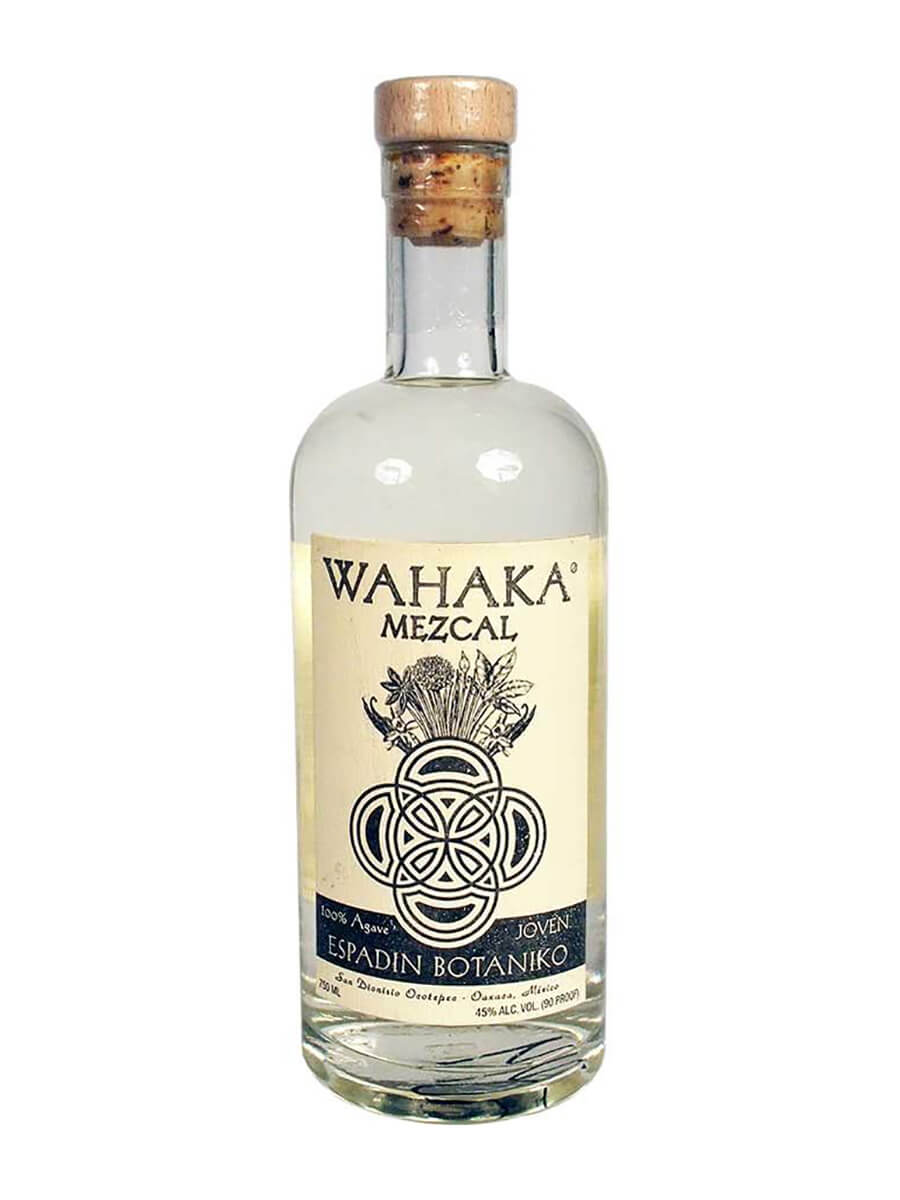
Wahaka Mezcal
Wahaka Espadin Botaniko
Angustifolia · Oaxaca
3.6(42)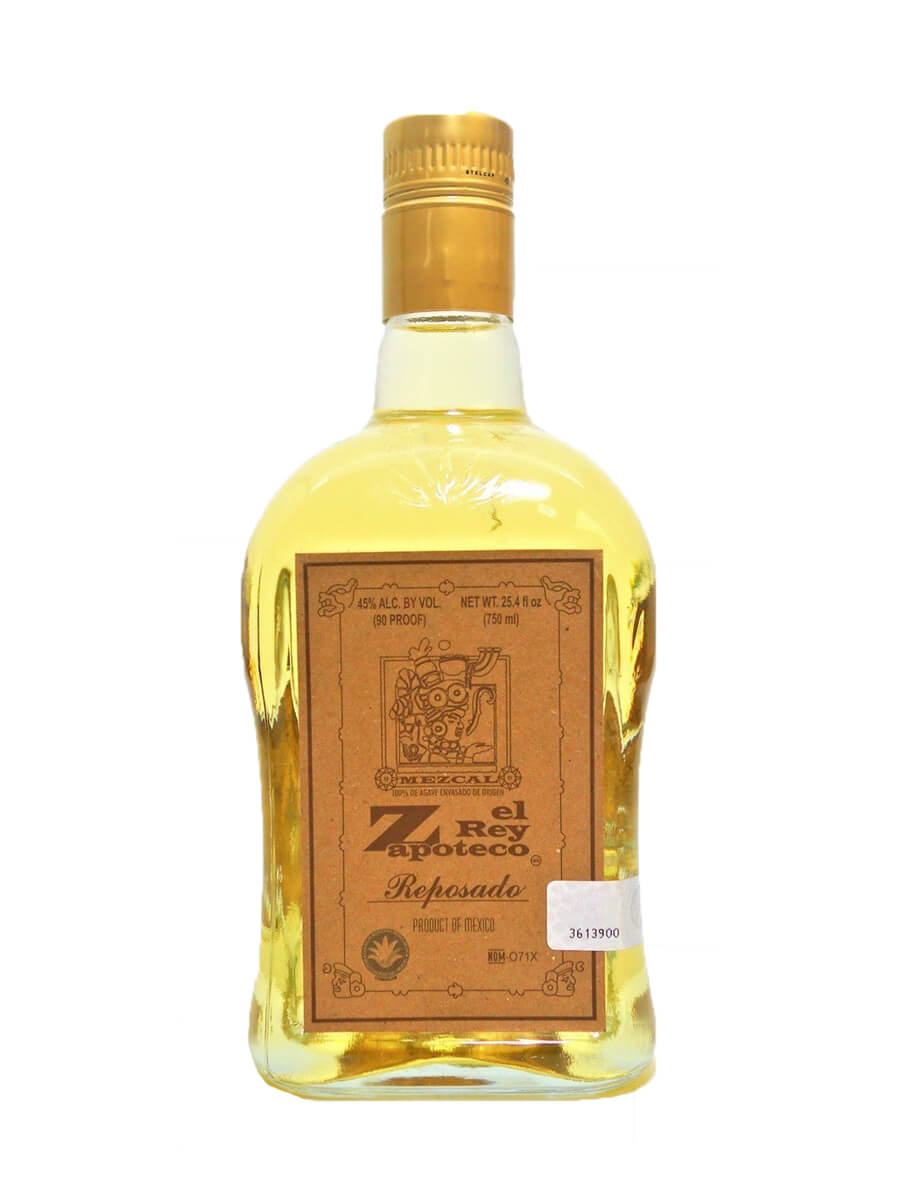
El Rey Zapoteco Mezcal
El Rey Zapoteco Reposado
Angustifolia · Oaxaca
3.6(42)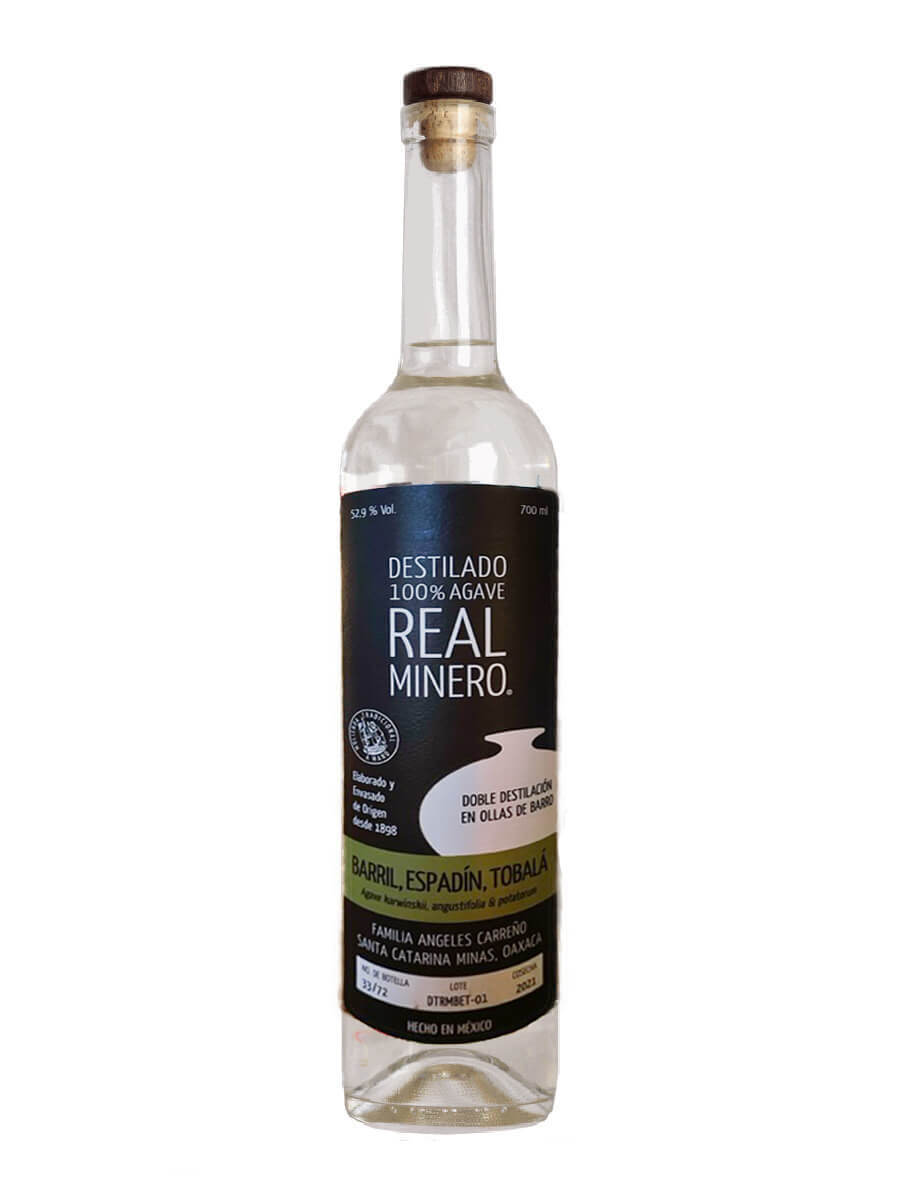
Real Minero
Real Minero Barril, Espadin, Tobala
Angustifolia · Oaxaca
3.6(42)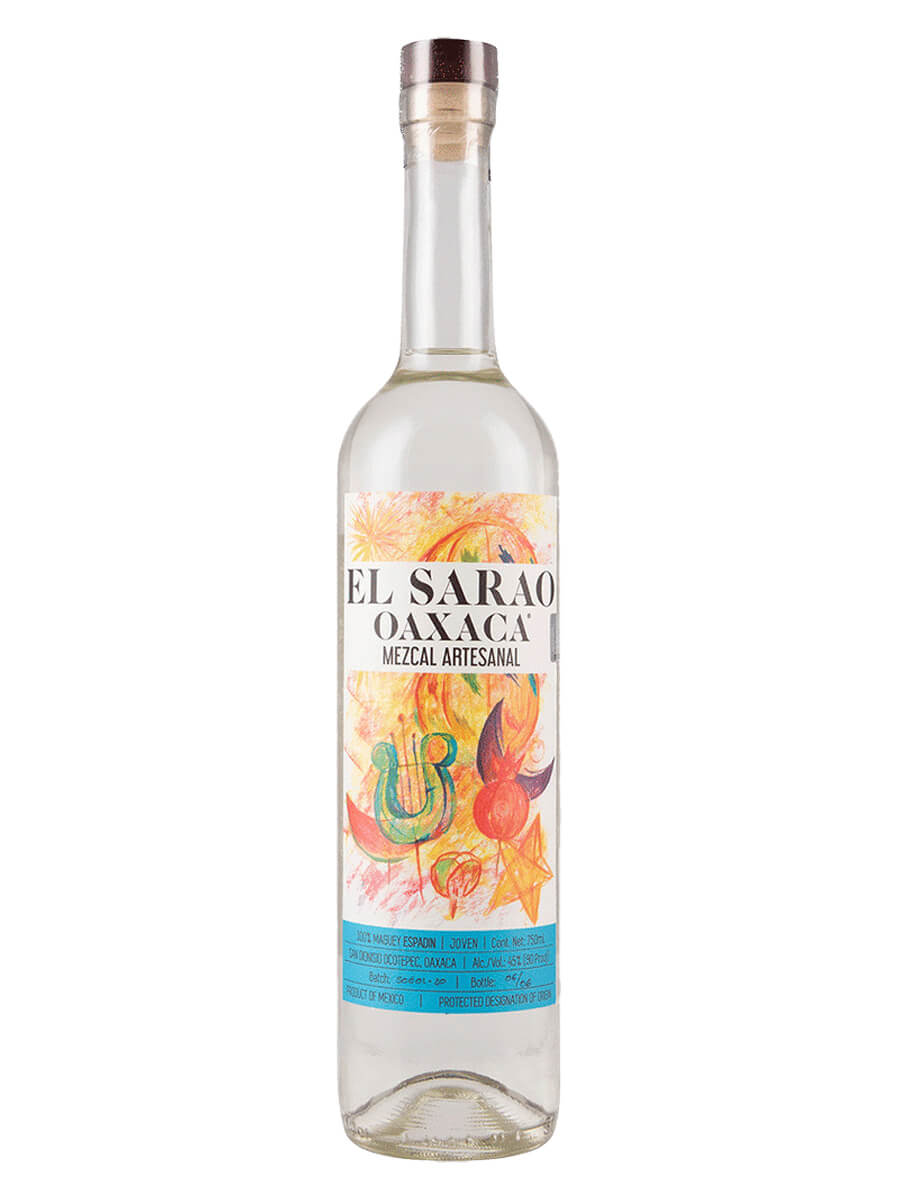
El Sarao Oaxaca Mezcal
El Sarao Oaxaca Espadin
Angustifolia · Oaxaca
3.6(42)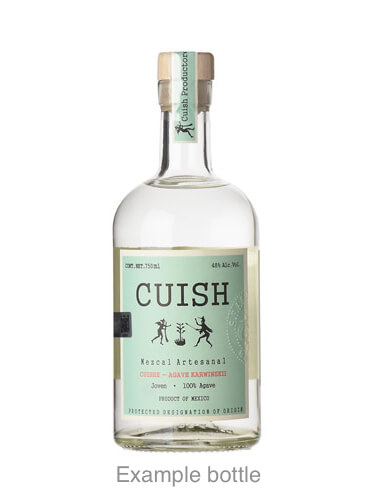
Cuish Mezcales
Cuish Espadin – José Santiago Lopez
Angustifolia · Oaxaca
3.6(42)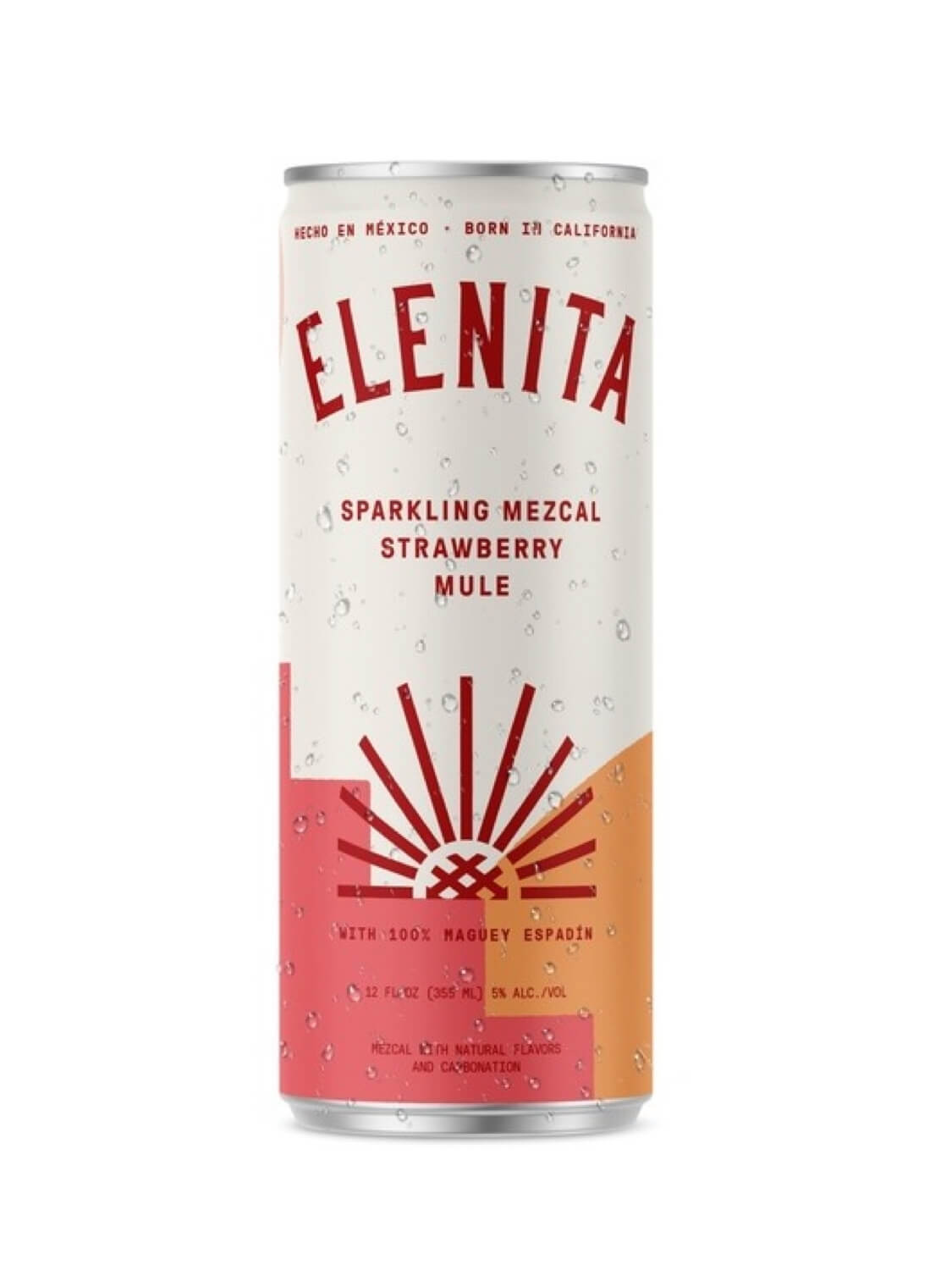
Elenita
Elenita Strawberry Mule
Angustifolia · Oaxaca
3.6(42)
Real Minero
Real Minero Espadin Penca Corta, Espadin Penca Larga
Angustifolia · Oaxaca
3.6(42)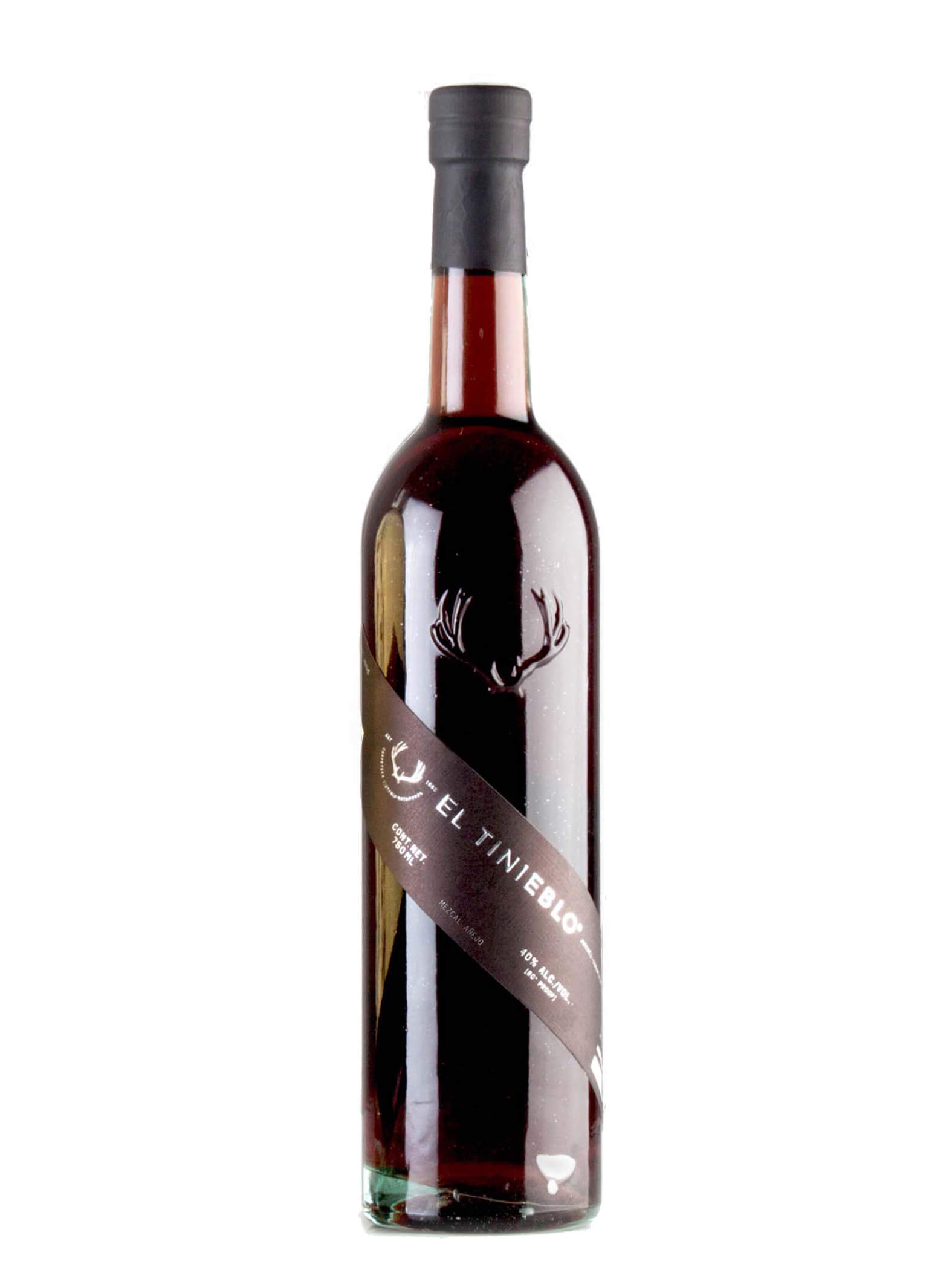
El Tinieblo Mezcal
El Tinieblo Añejo
Americana · Tamaulipas
3.6(42)Cuish Mezcales
Cuish Espadin / Cuish – José Santiago Lopez
Angustifolia · Oaxaca
3.6(42)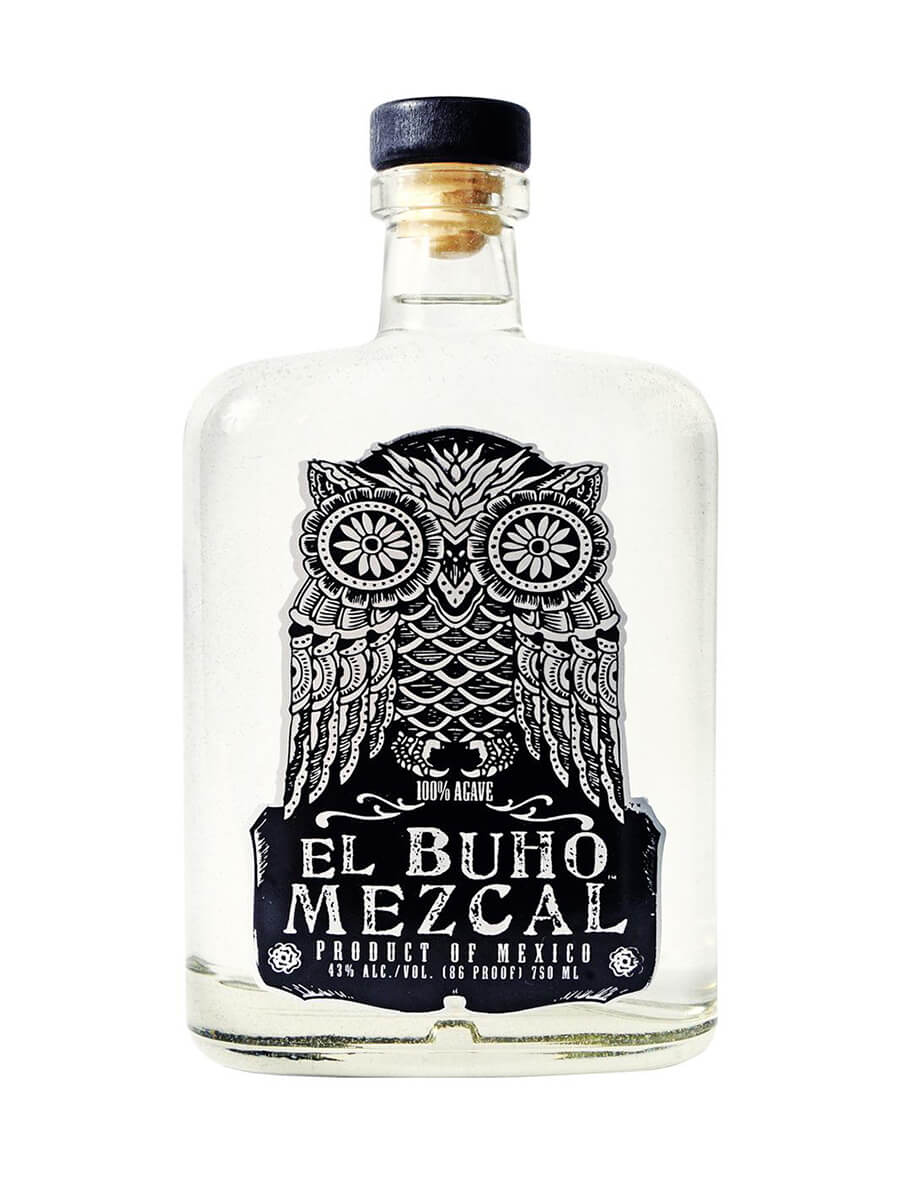
El Buho Mezcal
El Buho Mezcal
Angustifolia · Oaxaca
3.6(42)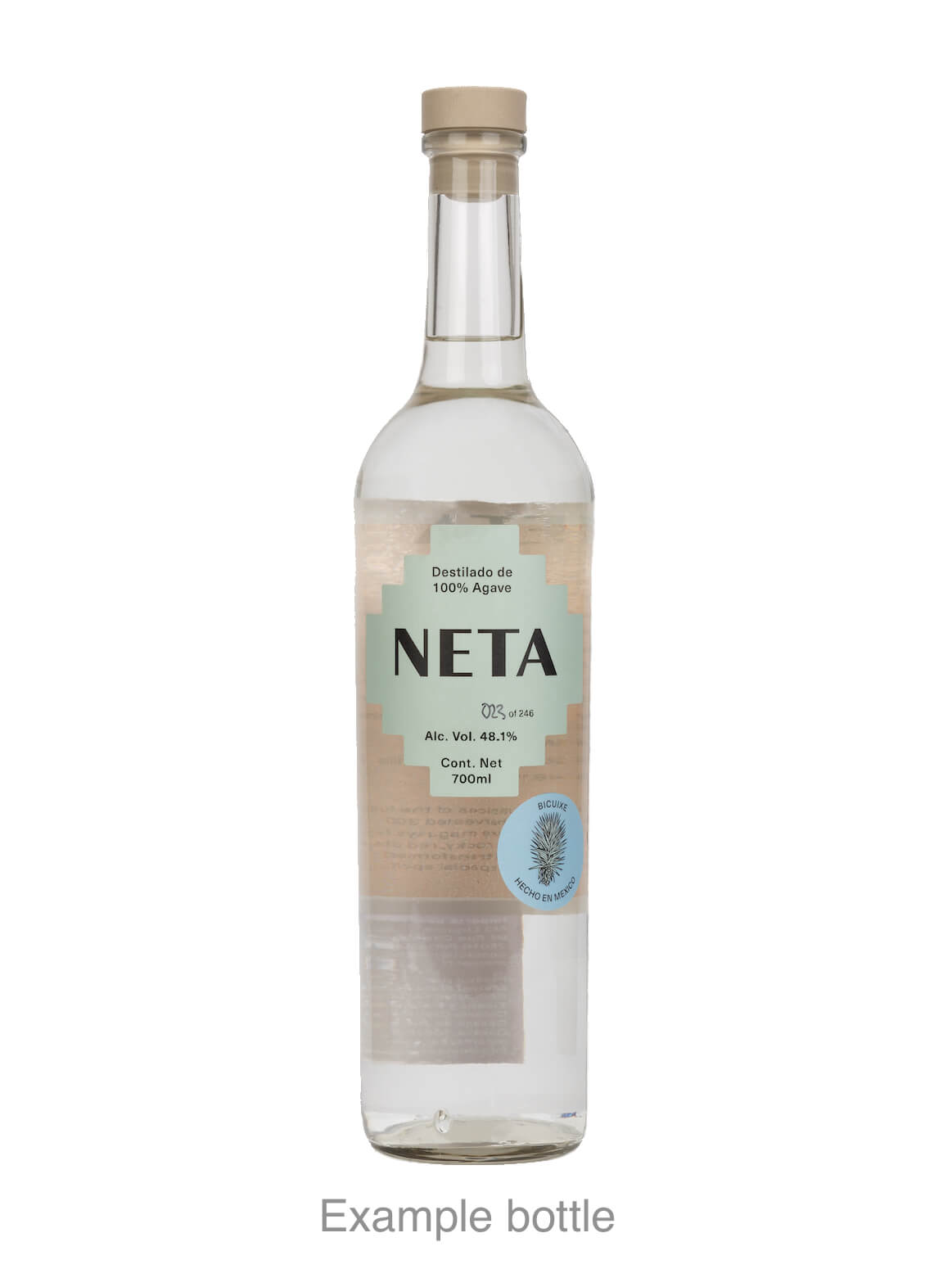
NETA
NETA Espadín + Jabalín
Angustifolia · Oaxaca
3.6(42)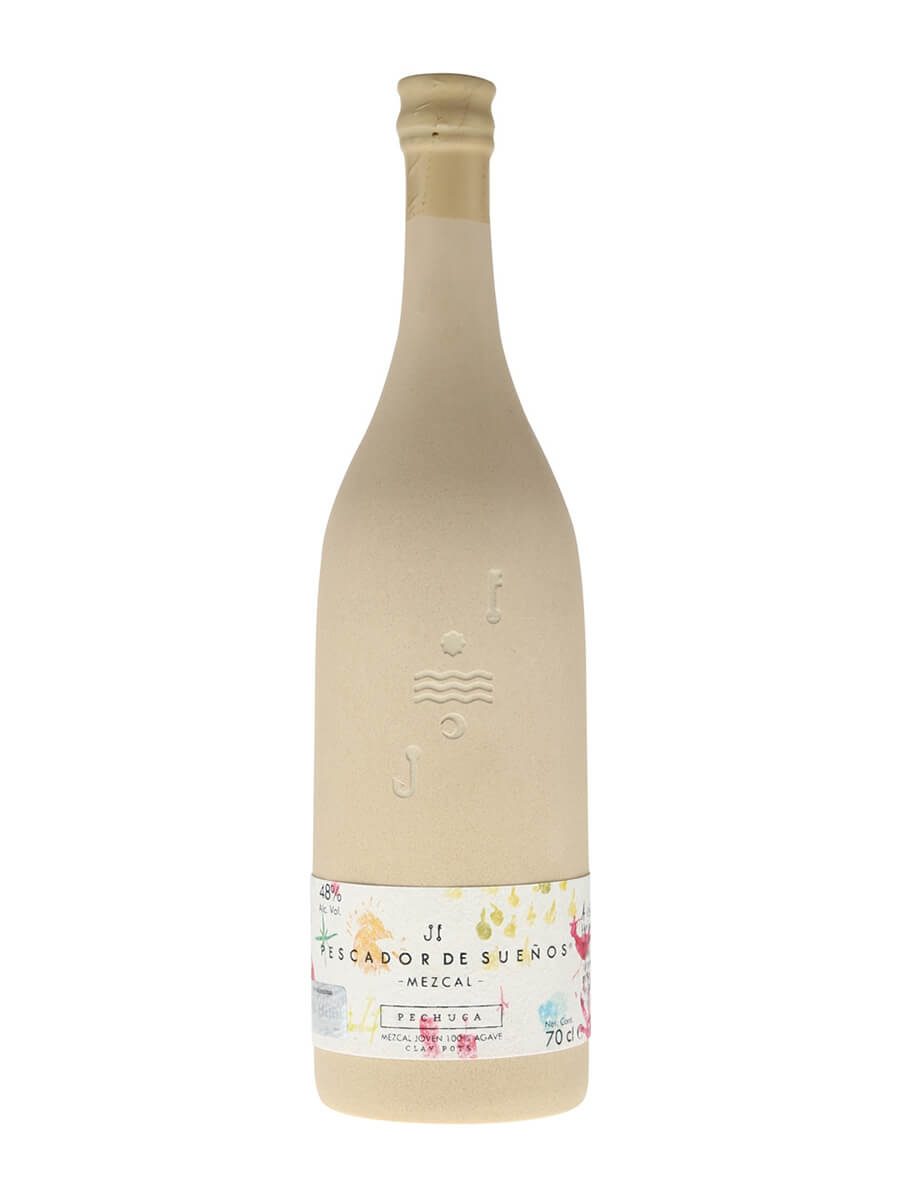
Pescador de Sueños Mezcal
Pescador de Sueños Pechuga
Angustifolia · Oaxaca
3.6(42)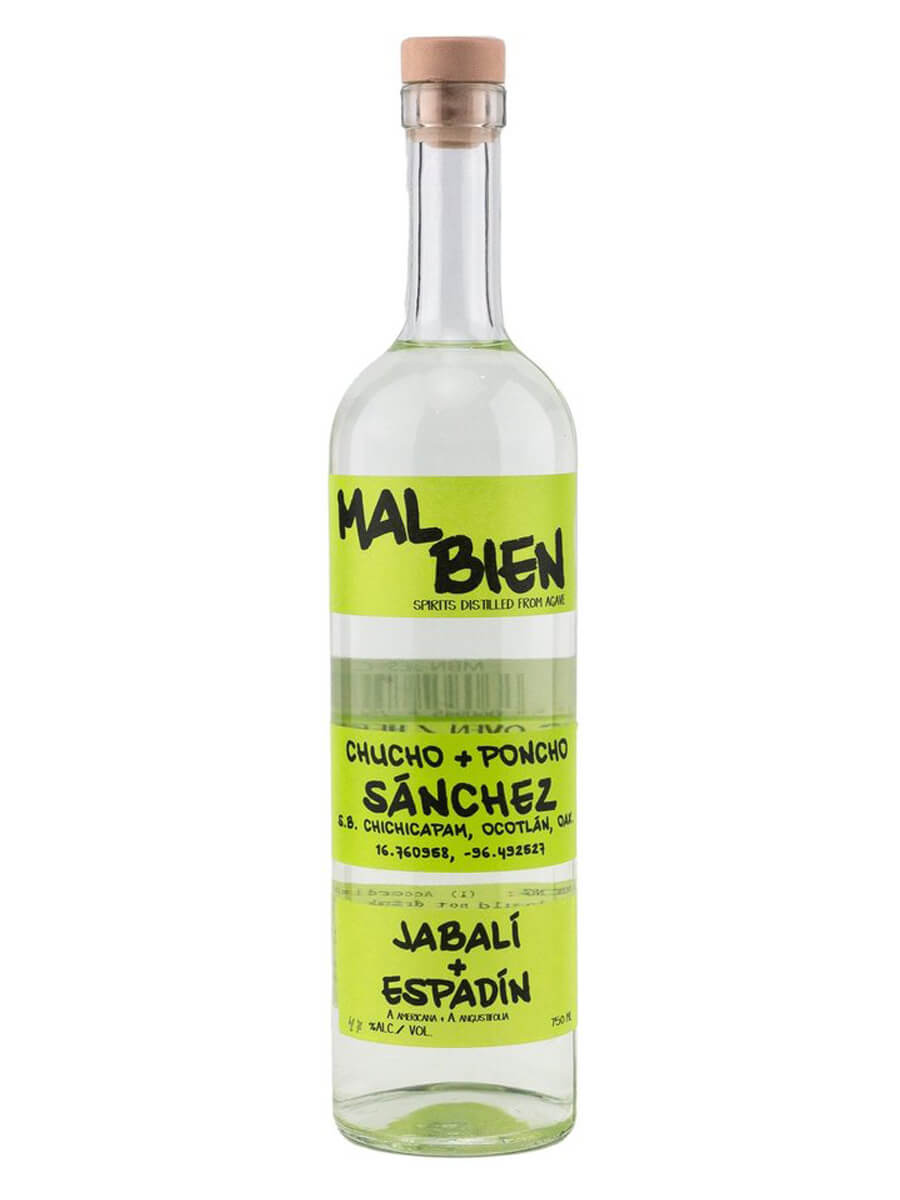
Mal Bien
Mal Bien Espadín / Jabalí – Chucho + Poncho Sánchez
Angustifolia · Oaxaca
3.6(42)
Palomo Mezcal
Palomo Destilado con Cacao
Angustifolia
3.6(42)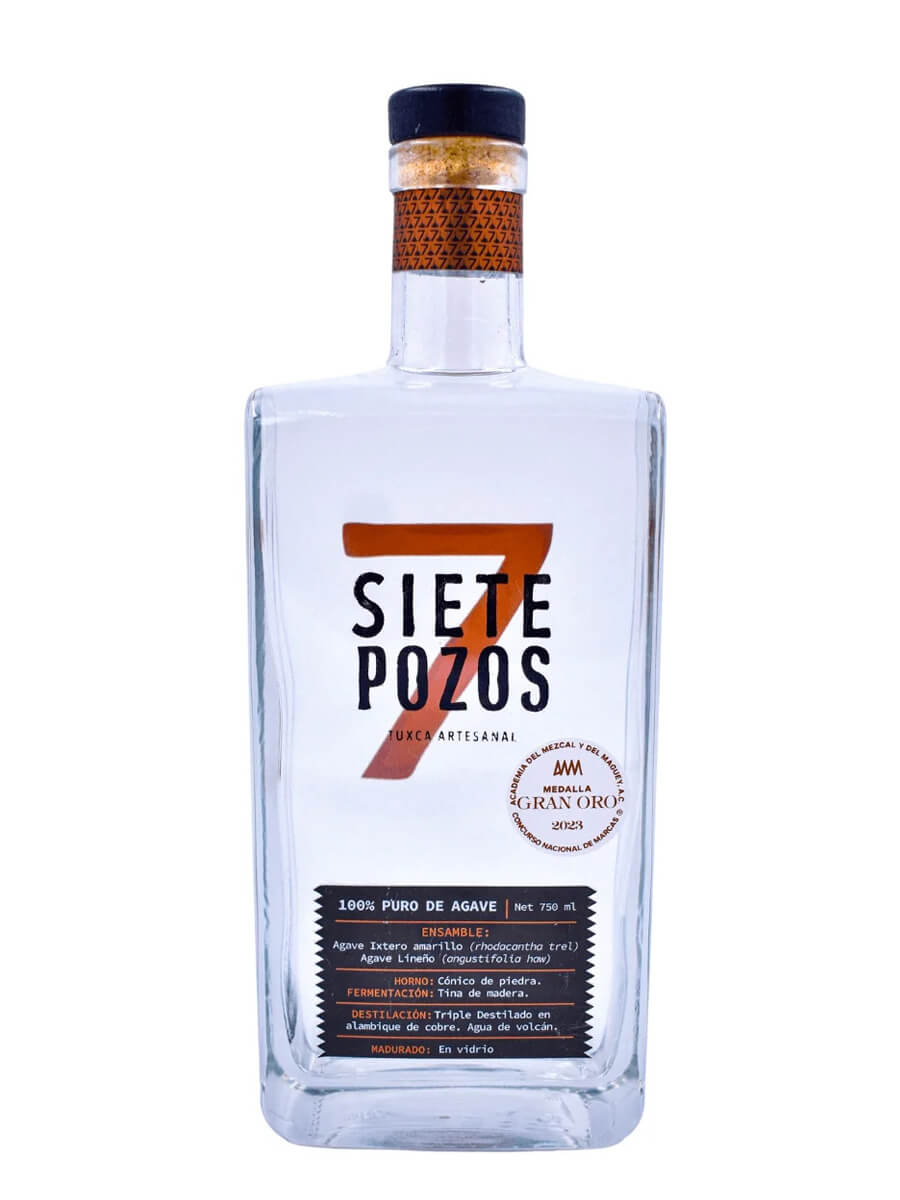
Siete Pozos
Siete Pozos Tuxca Ixteco Amarillo / Lineño
Angustifolia · Jalisco
3.6(42)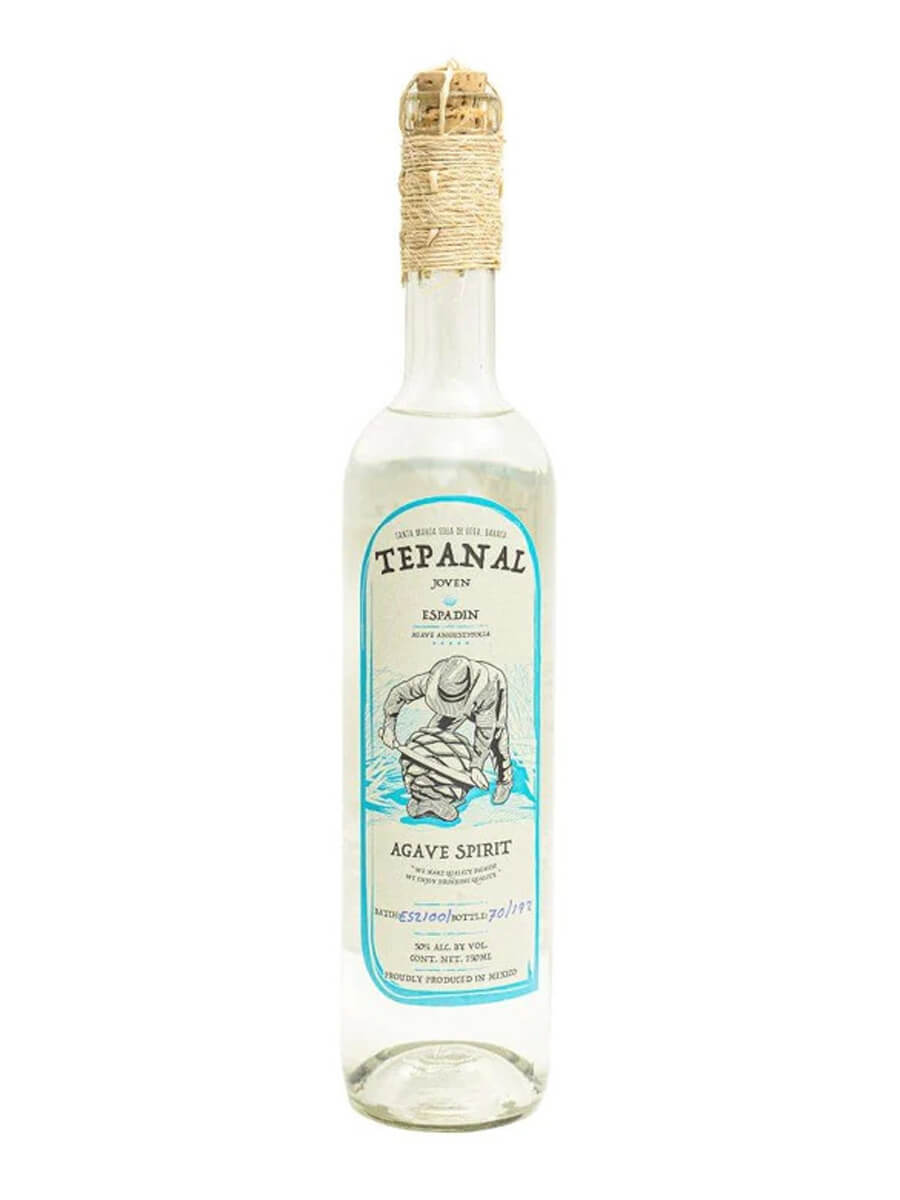
Tepanal Agave Spirits
Tepanal Espadin
Angustifolia · Oaxaca
3.6(42)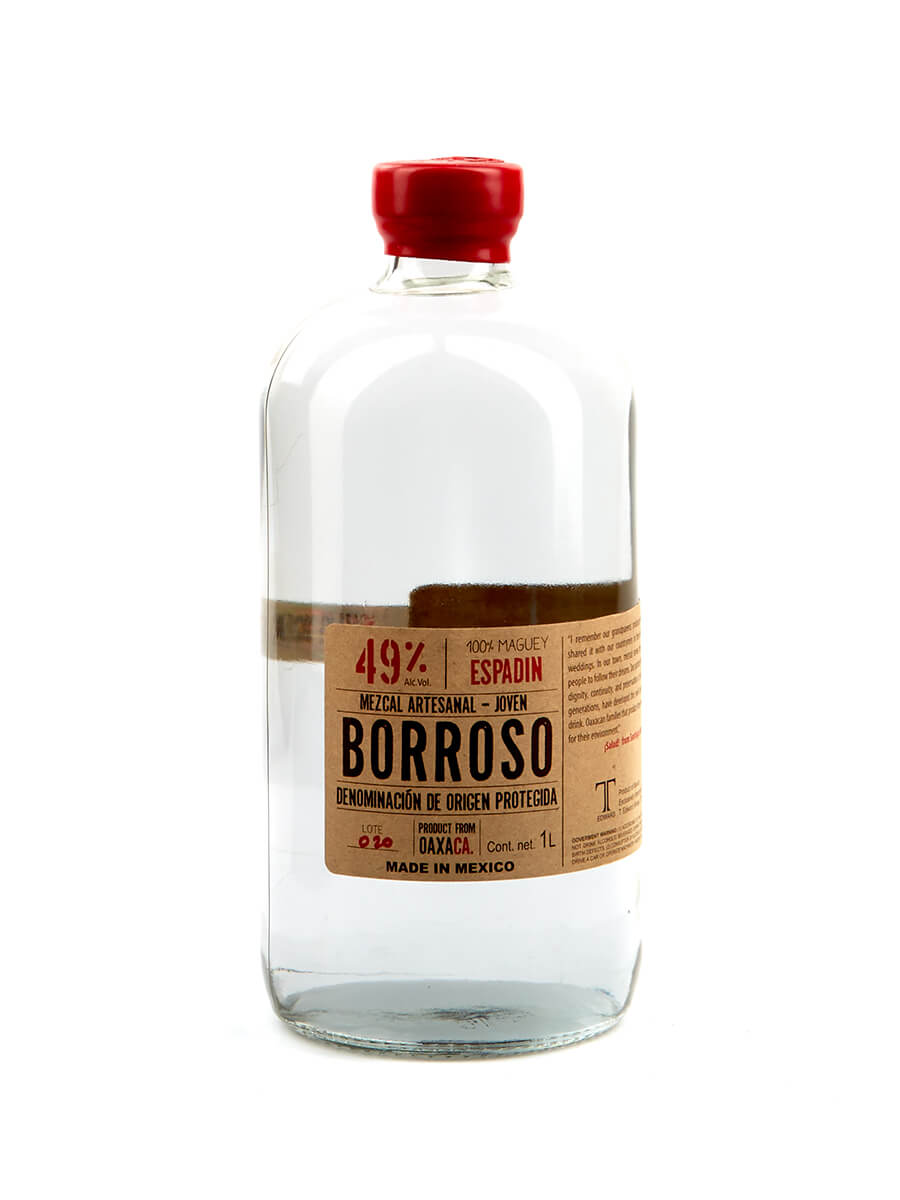
Borroso Mezcal
Borroso – Rey Arellanes
Angustifolia · Oaxaca
3.6(42)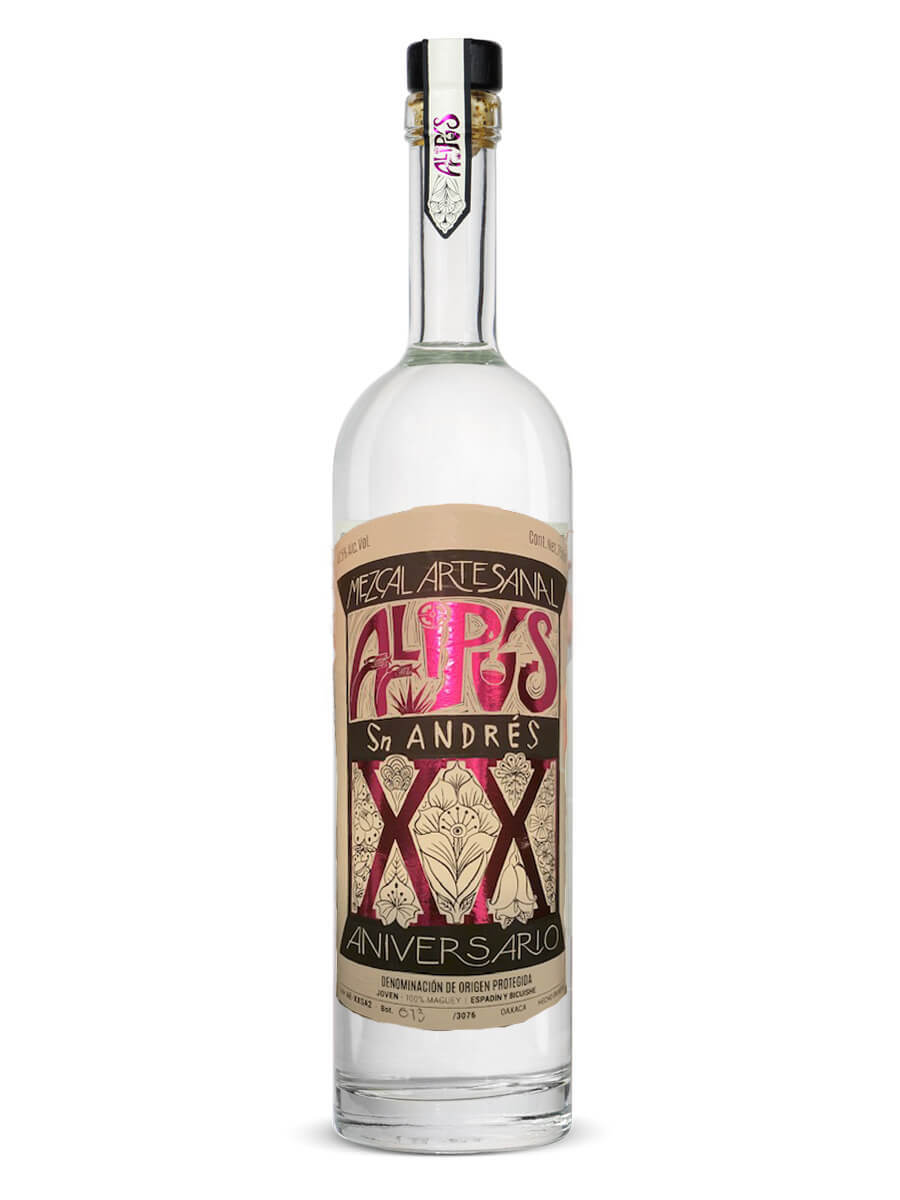
Alipus Mezcal
Alipus XX San Andres Aniversario Espadin y Bicuishe – Don Valente Angel
Angustifolia · Oaxaca
3.6(42)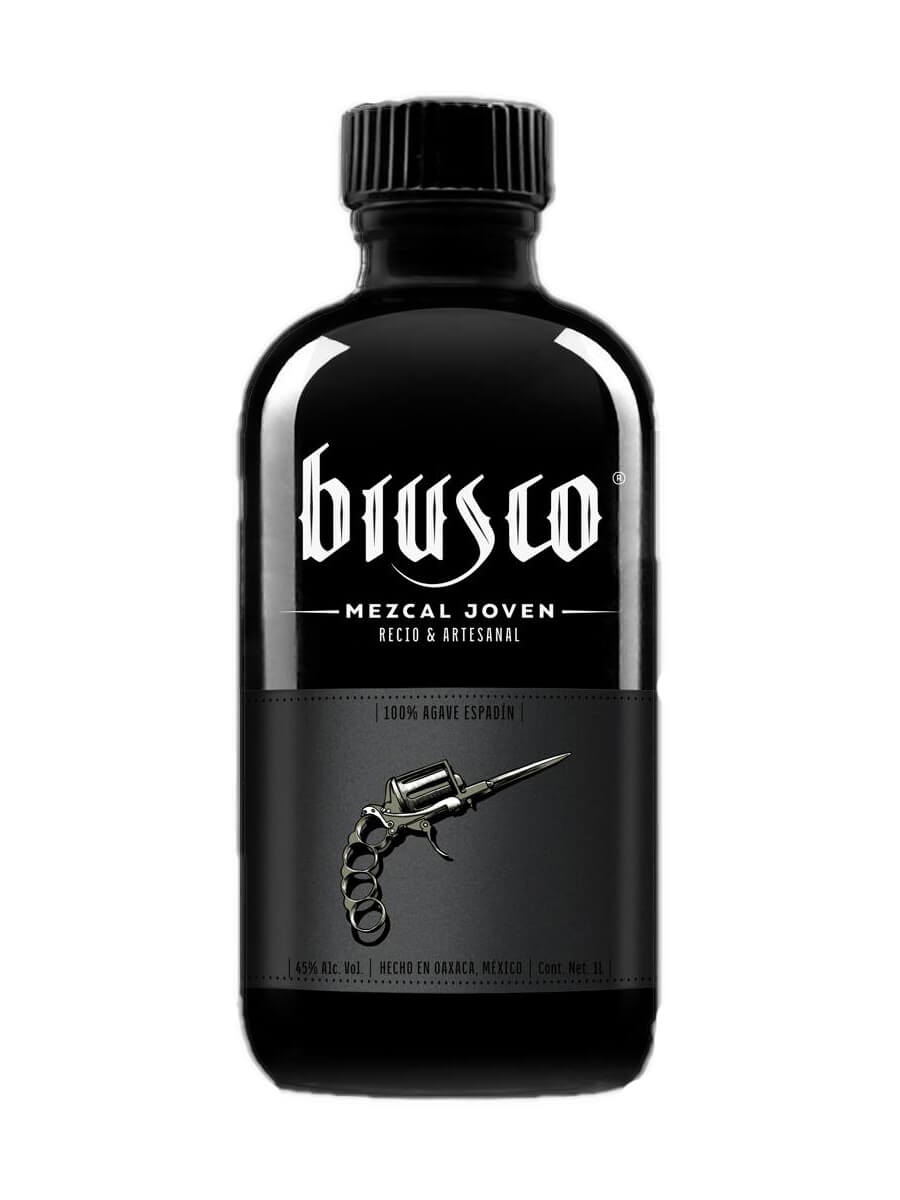
Brusco Mezcal
Brusco Espadin
Angustifolia · Oaxaca
3.6(42)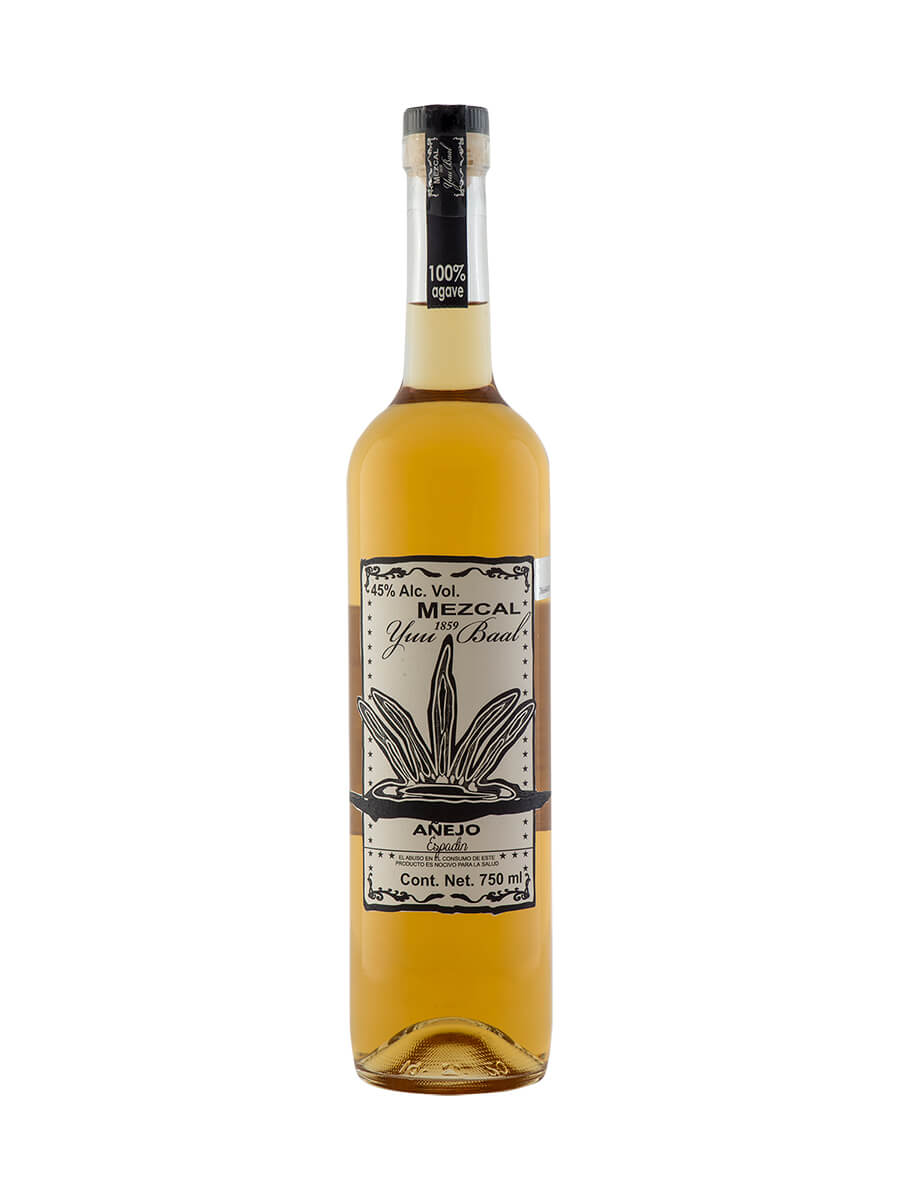
Yuu Baal Mezcal
Yuu Baal Anejo
Angustifolia · Oaxaca
3.6(42)
5 Sentidos
5 Sentidos Arroqueño y Espadin de Cuero – Alberto Martinez
Americana · Oaxaca
3.6(42)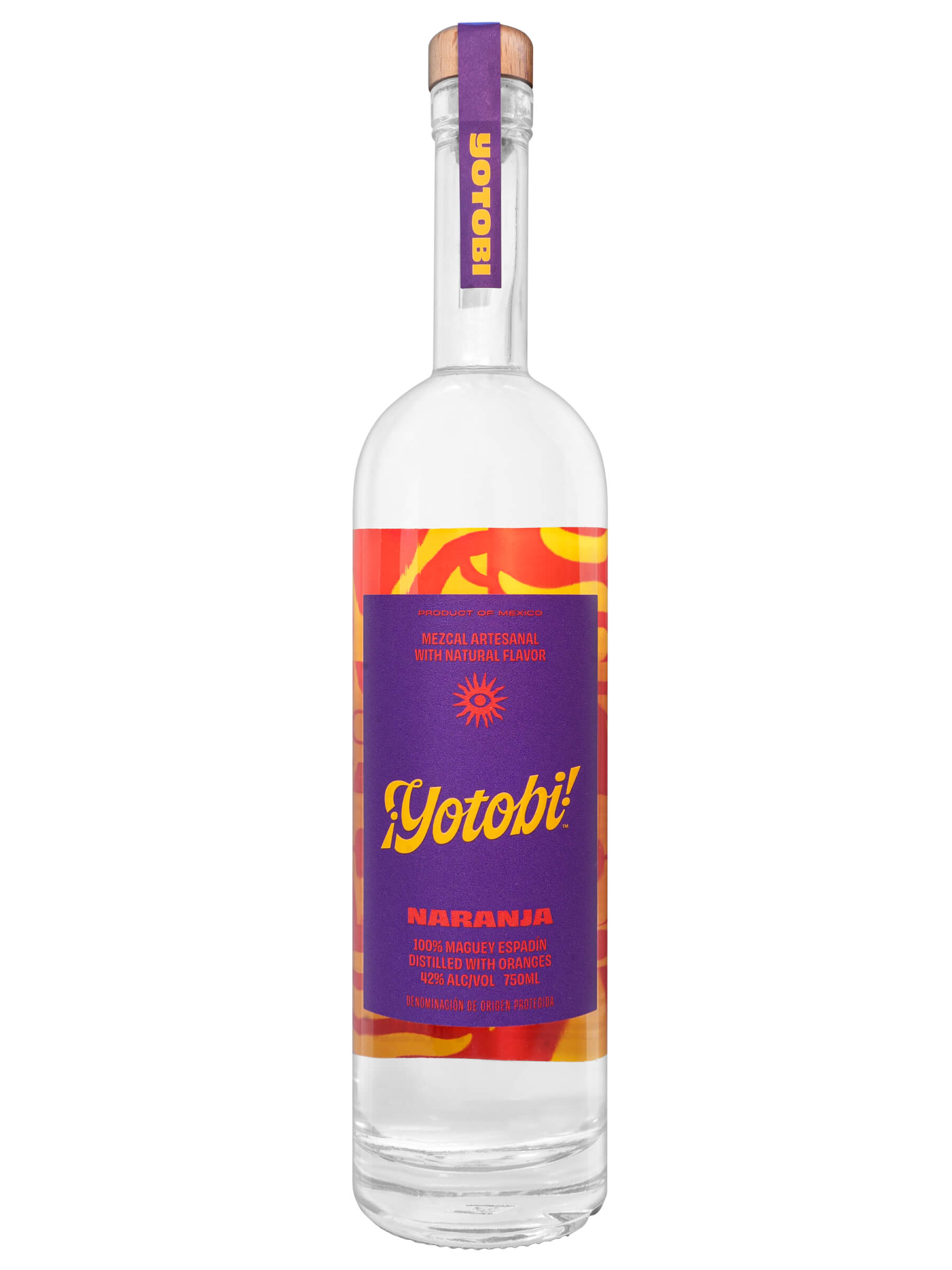
Yotobi Mezcal
Yotobi Naranja
Angustifolia · Oaxaca
3.6(42)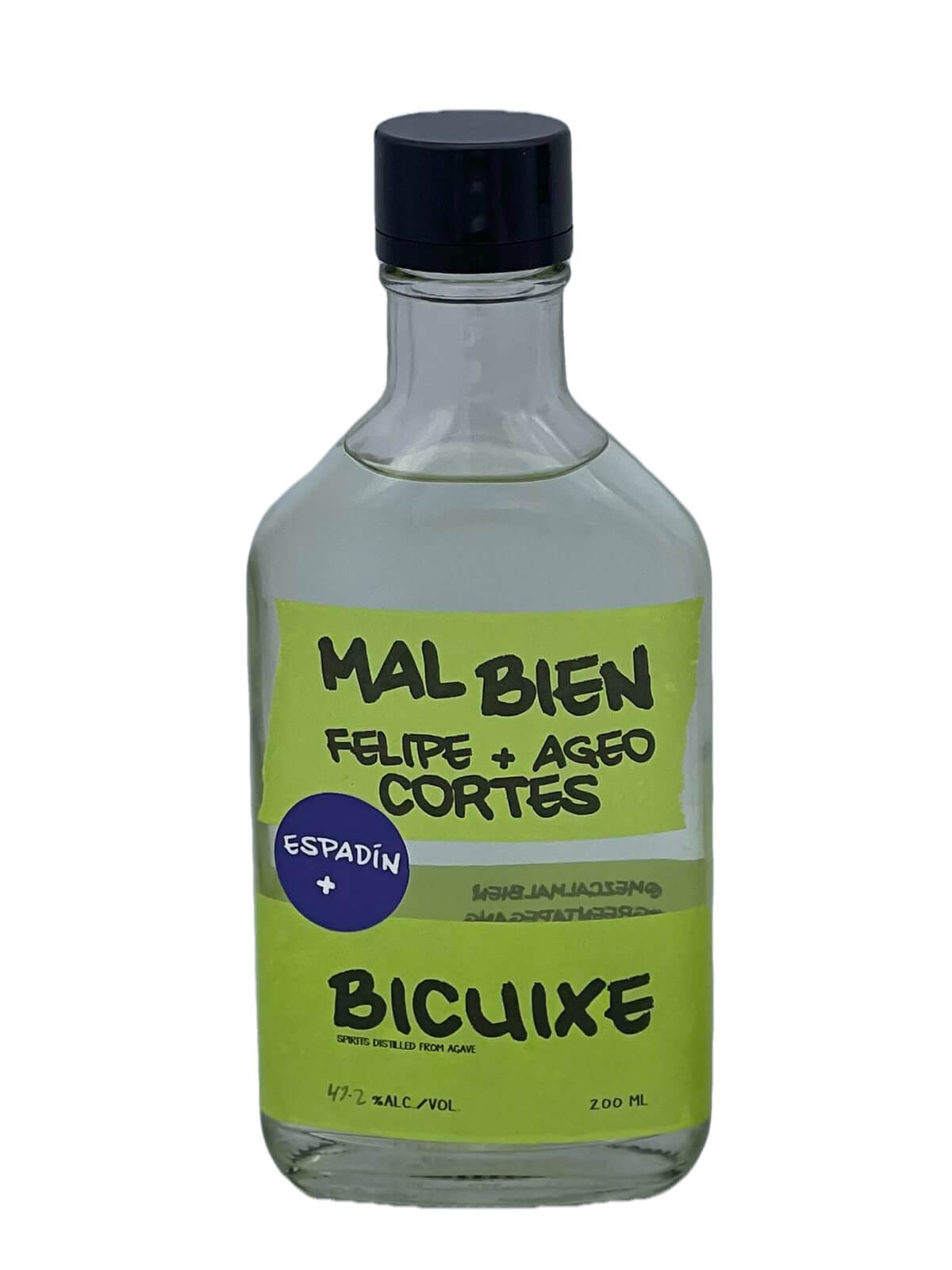
Mal Bien
Mal Bien Bicuixe / Espadín – Cortes
Angustifolia · Oaxaca
3.6(42)
Maguey Melate
Maguey Melate Espadin Gusano – Rufugia y Rodrigo
Angustifolia · Oaxaca
3.6(42)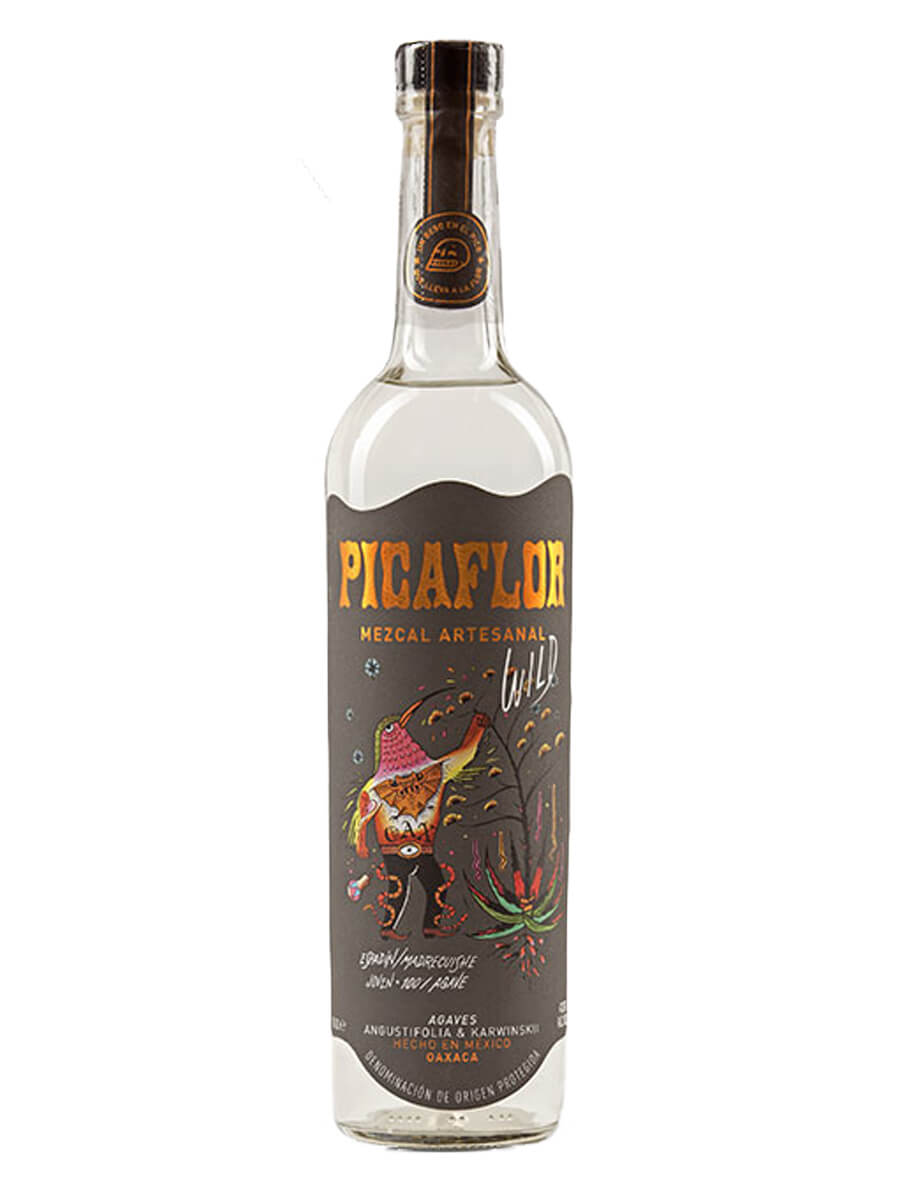
Picaflor Mezcal
Picaflor Espadin / Madrecuishe
Angustifolia · Oaxaca
3.6(42)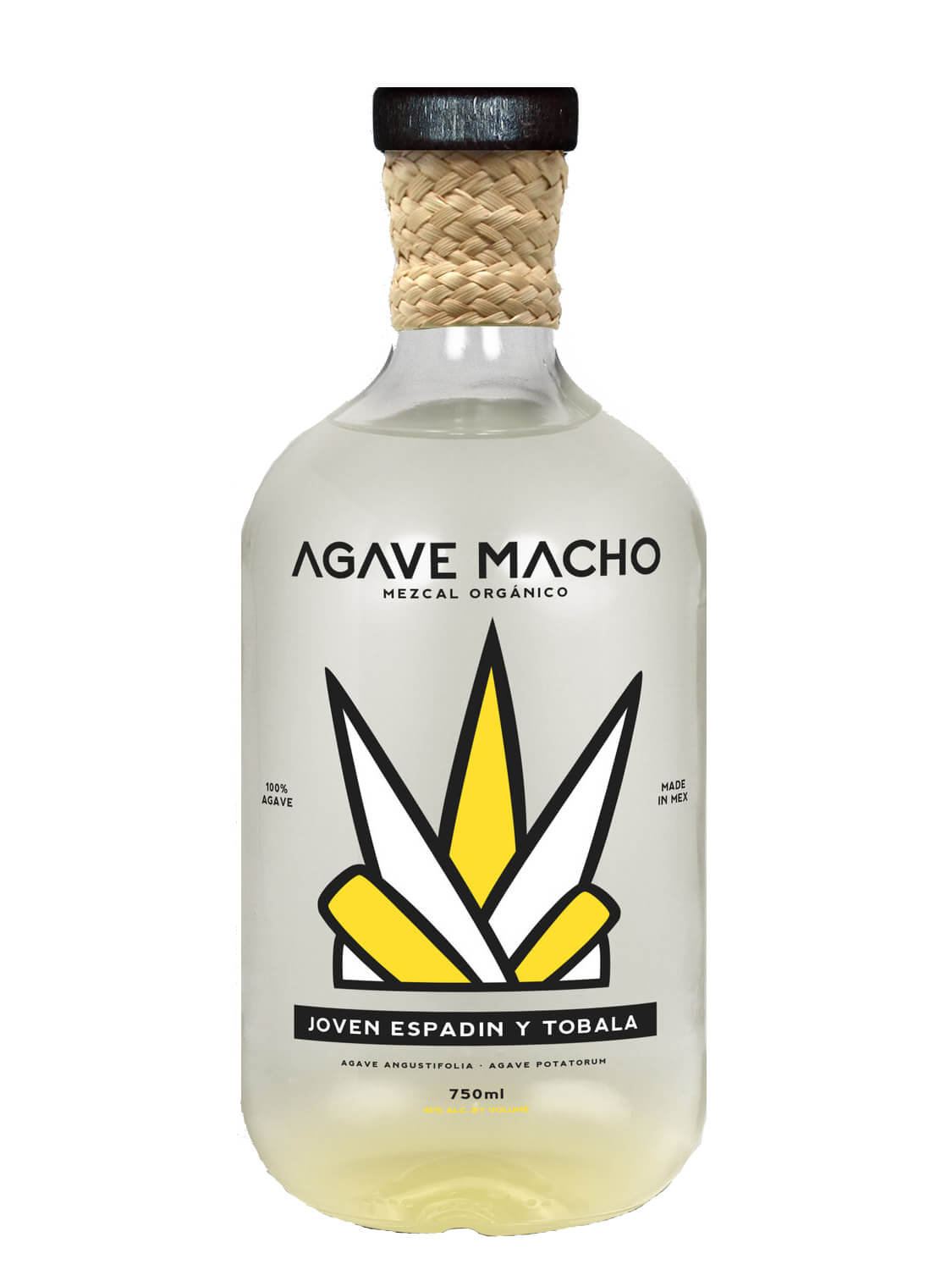
Agave Macho Mezcal
Agave Macho Espadin-Tobala
Angustifolia · Oaxaca
3.6(42)
Tileño Mezcal
Tileño Espadin
Angustifolia · Oaxaca
3.6(42)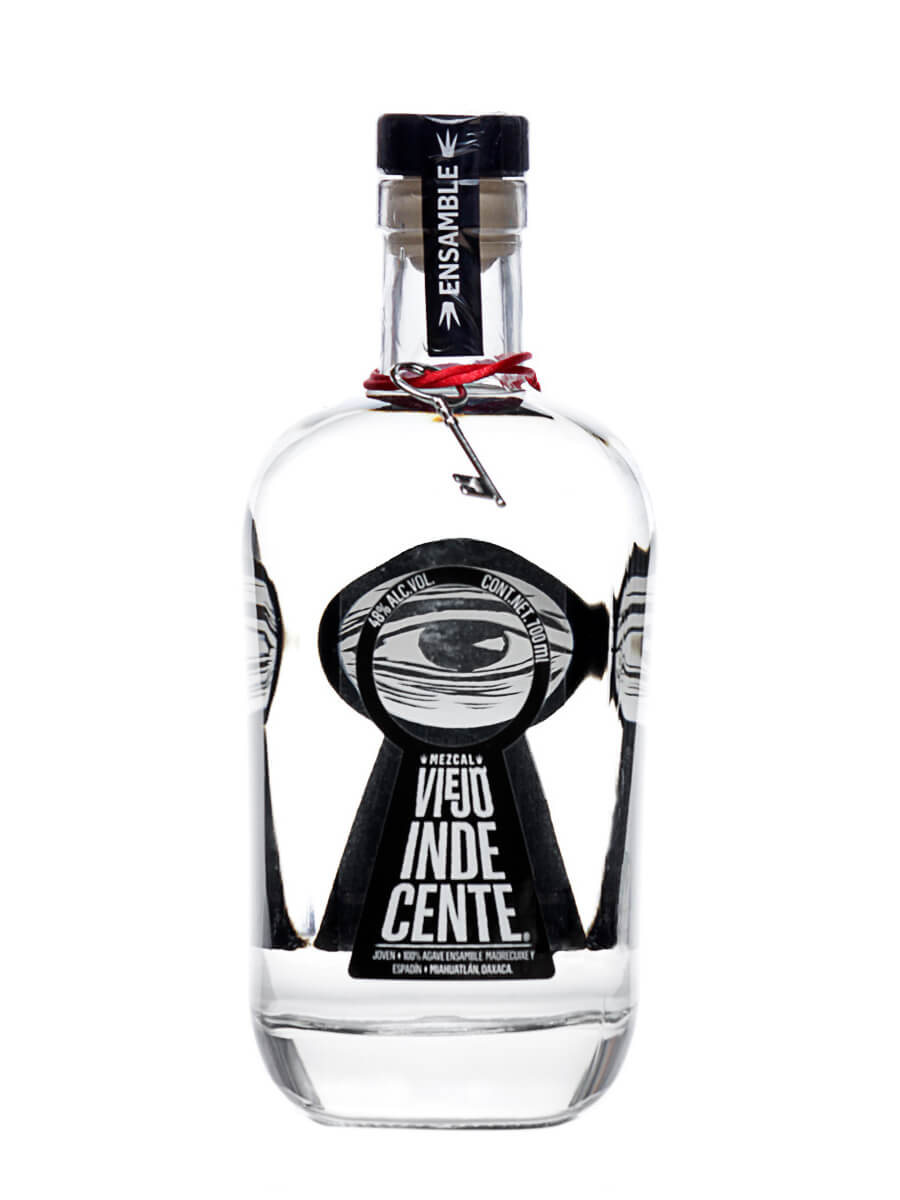
Viejo Indecente Mezcal
Viejo Indecente Ensamble
Angustifolia · Oaxaca
3.6(42)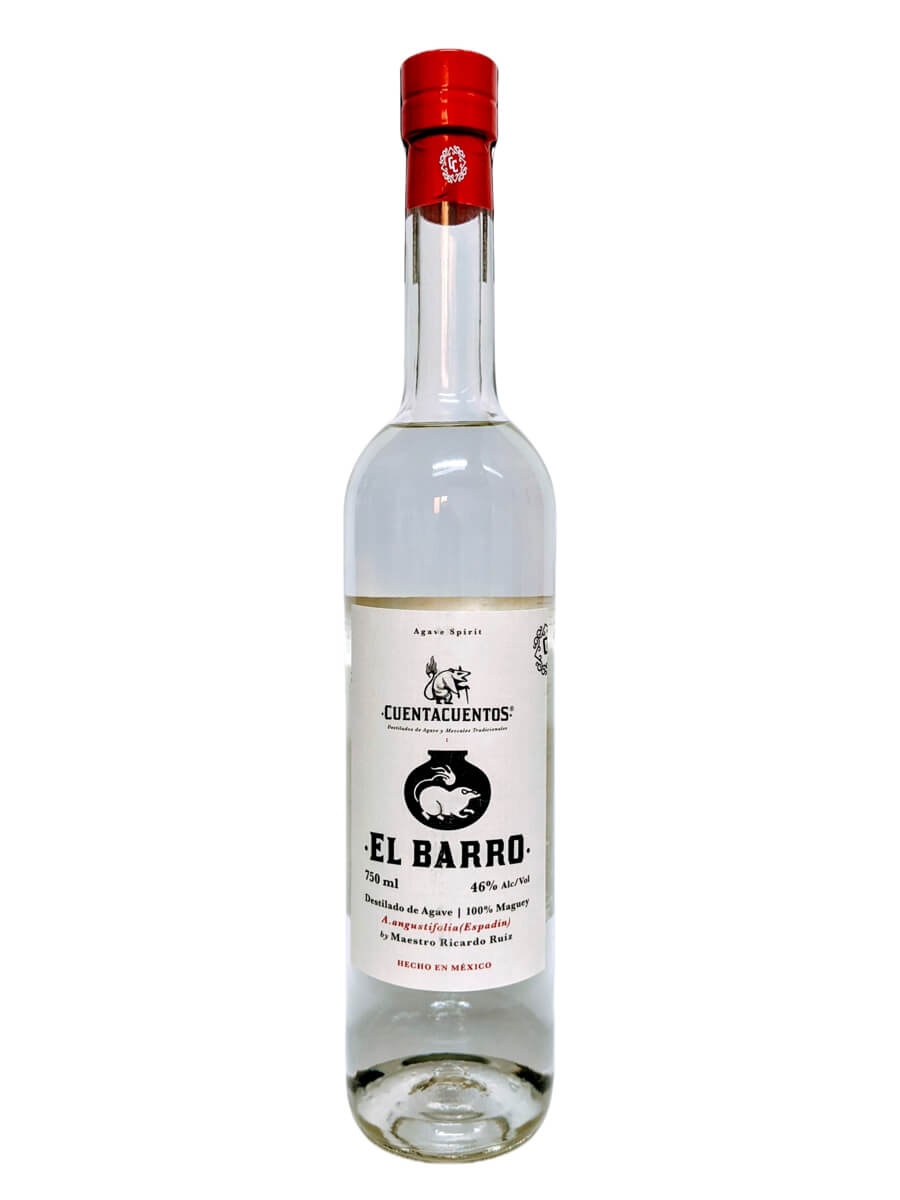
Cuentacuentos
Cuentacuentos El Barro
Angustifolia · Oaxaca
3.6(42)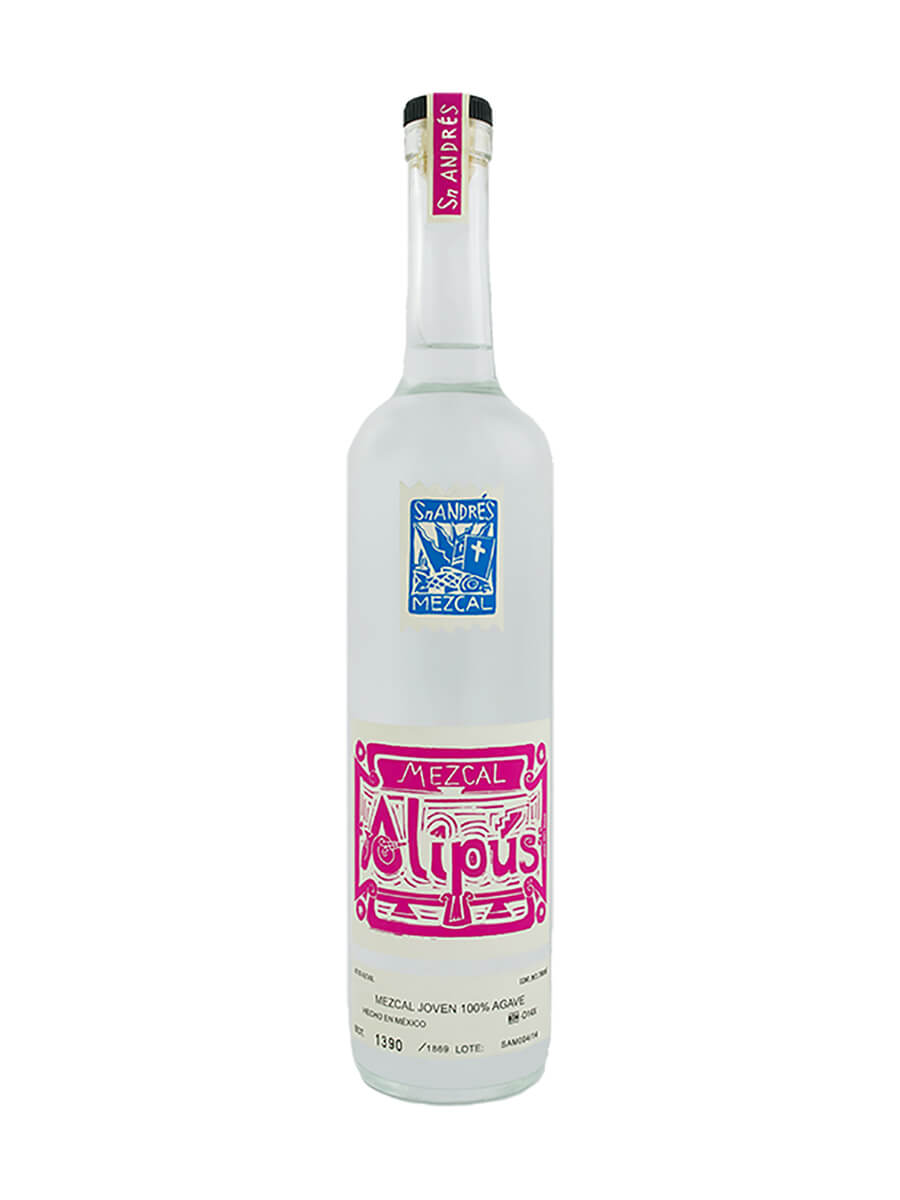
Alipus Mezcal
Alipus San Andres
Angustifolia · Oaxaca
3.6(42)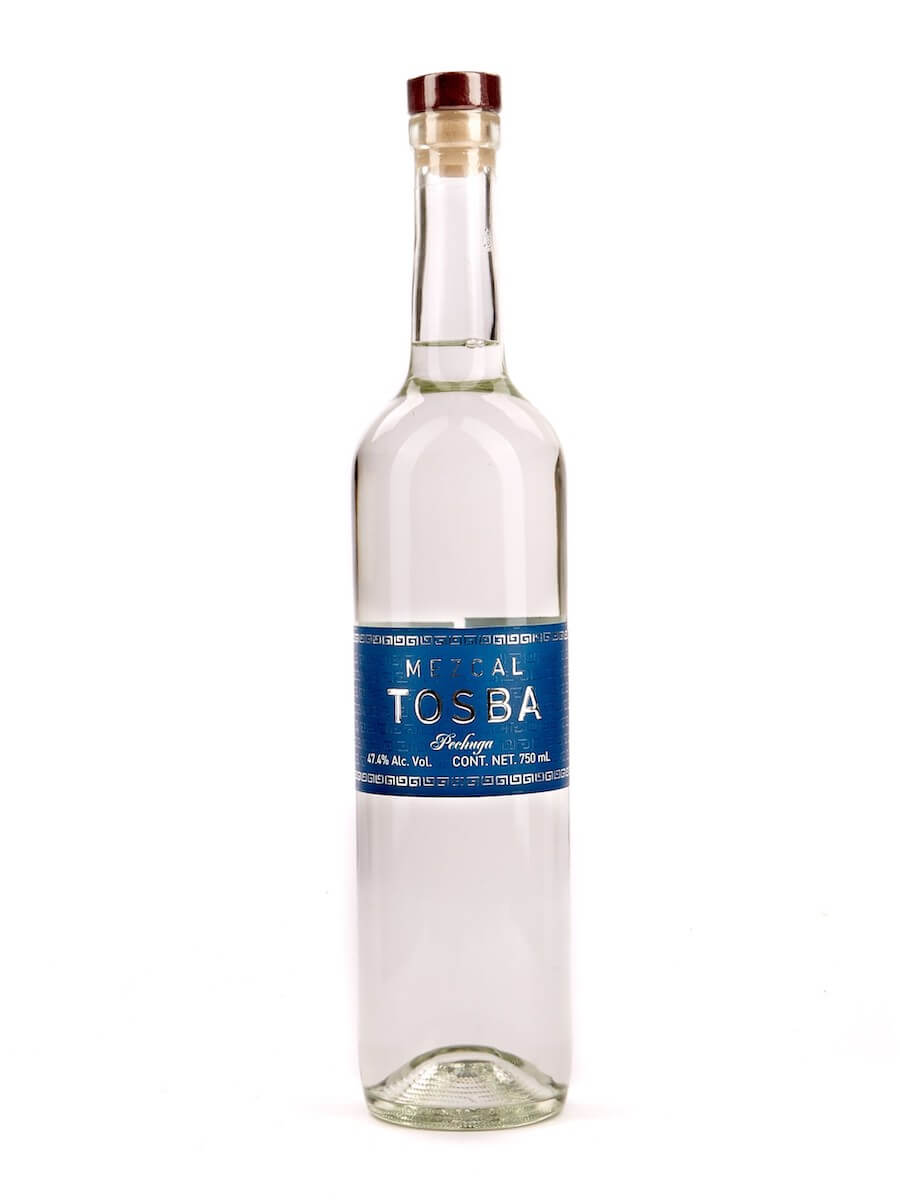
Tosba Mezcal
Tosba Pechuga
Angustifolia · Oaxaca
3.6(42)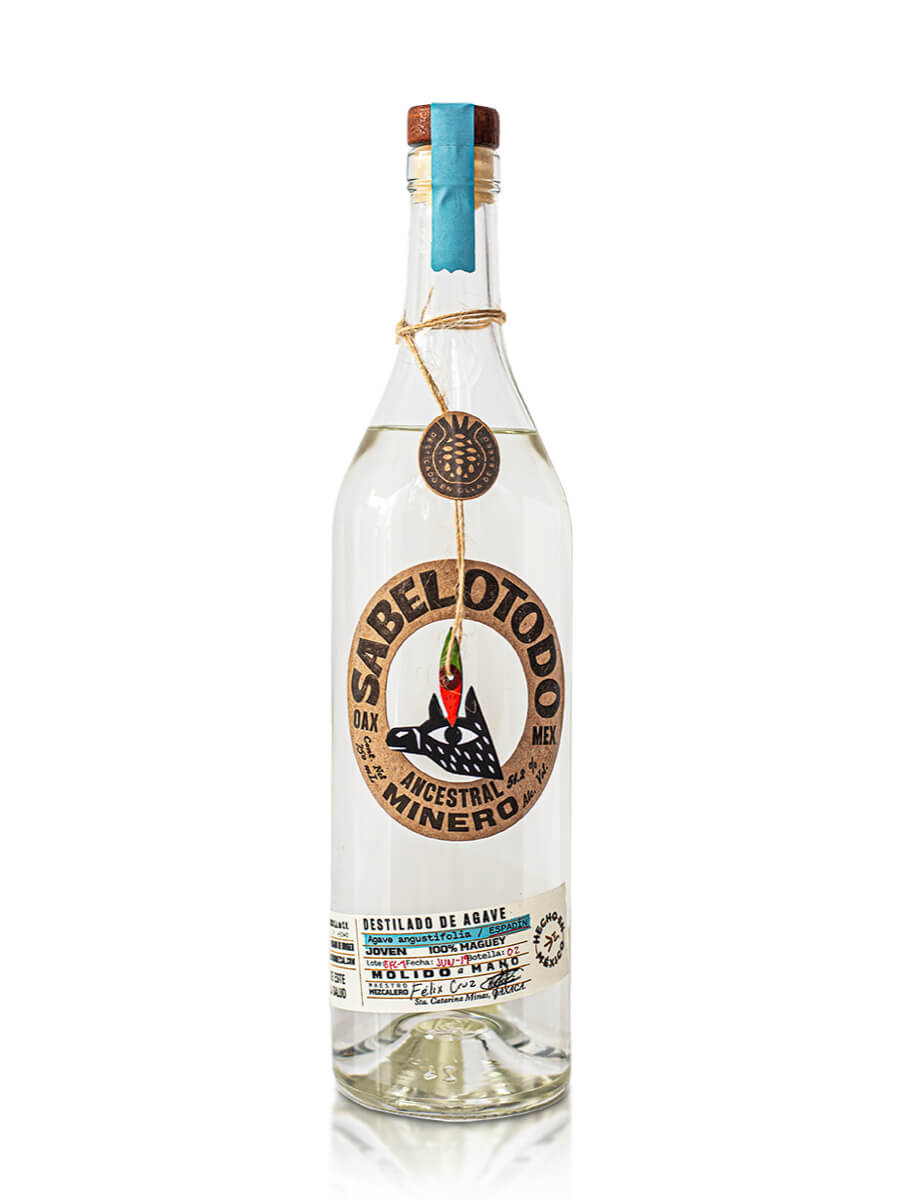
Sabelotodo
Sabelotodo Espadin – Felix Cruz
Angustifolia · Oaxaca
3.6(42)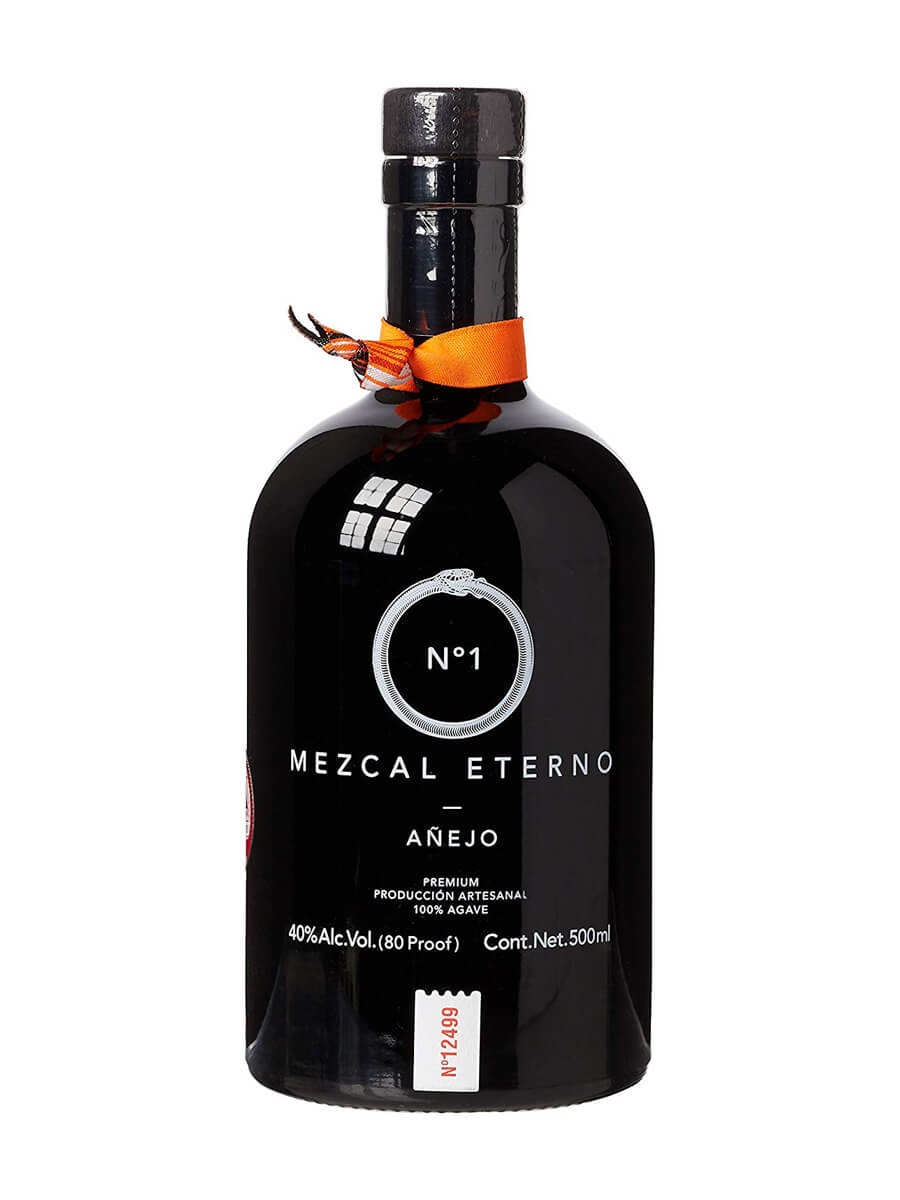
Eterno Mezcal
Eterno Anejo
Angustifolia · Oaxaca
3.6(42)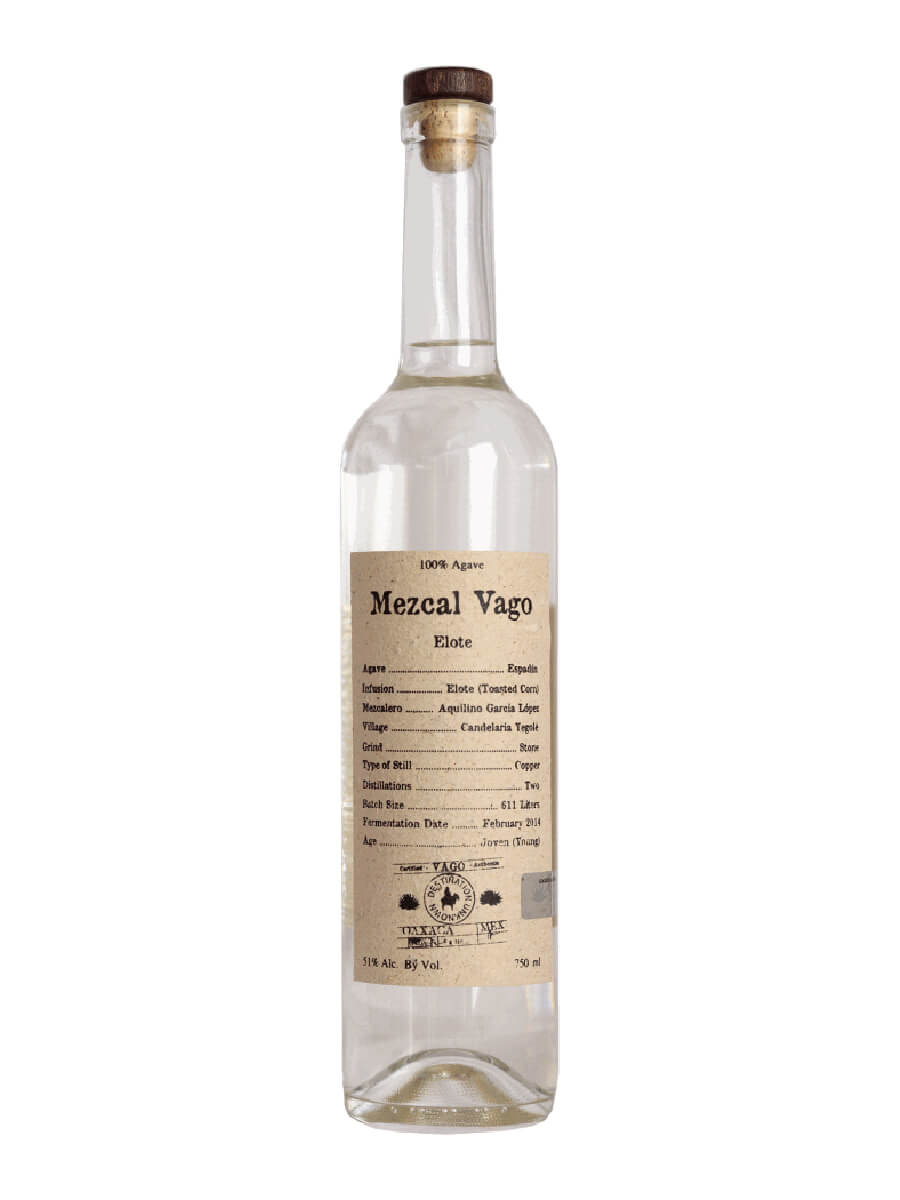
Vago Mezcal
Vago Elote – Aquilino García López
Angustifolia · Oaxaca
3.6(42)
Rezpiral
Rezpiral Espadin – Luis Antonio Santiago
Angustifolia · Oaxaca
3.6(42)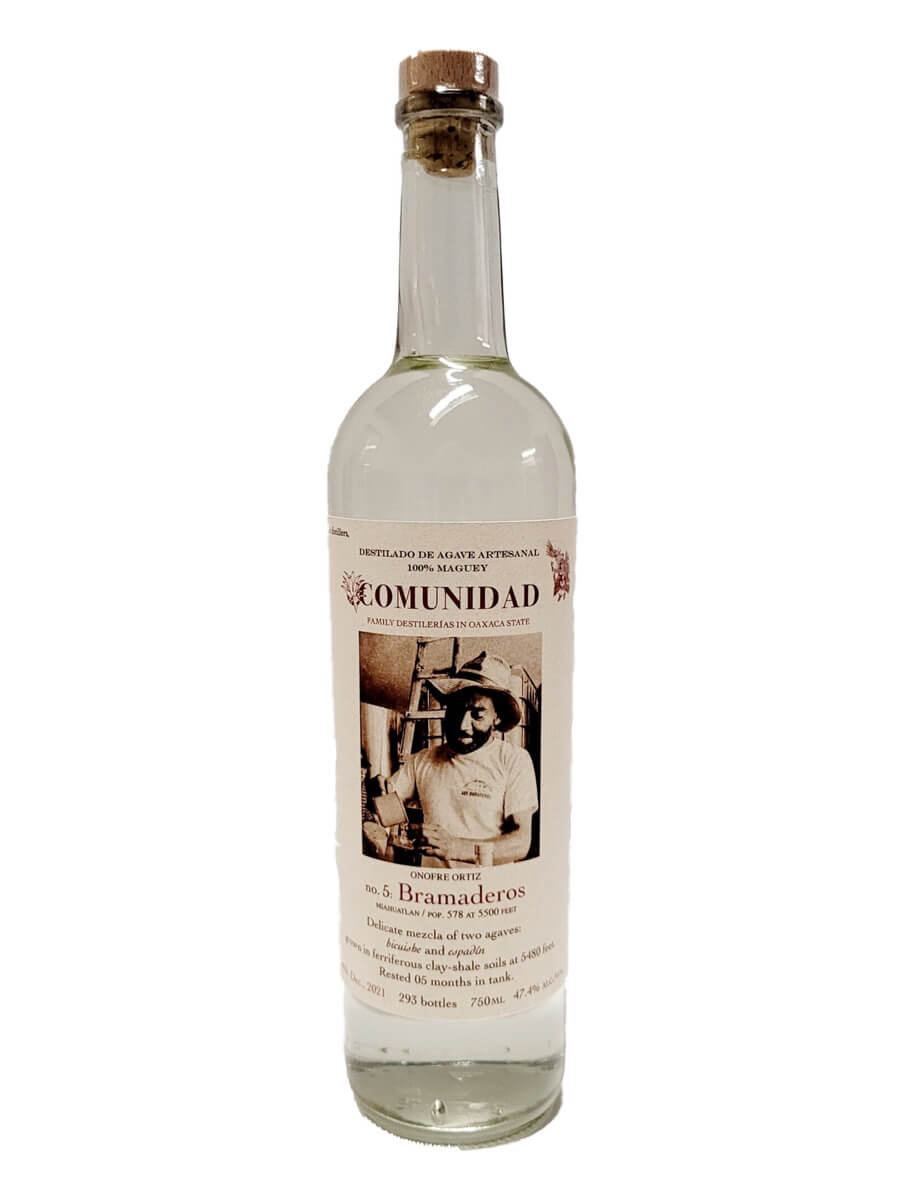
Comunidad
Comunidad No. 5 – Bramaderos
Angustifolia · Oaxaca
3.6(42)NETA
NETA Espadin – Celso Garcia Cruz
Angustifolia · Oaxaca
3.6(42)
100 Pueblos Bacanora
100 Pueblos Bacanora
Angustifolia · Sonora
3.6(42)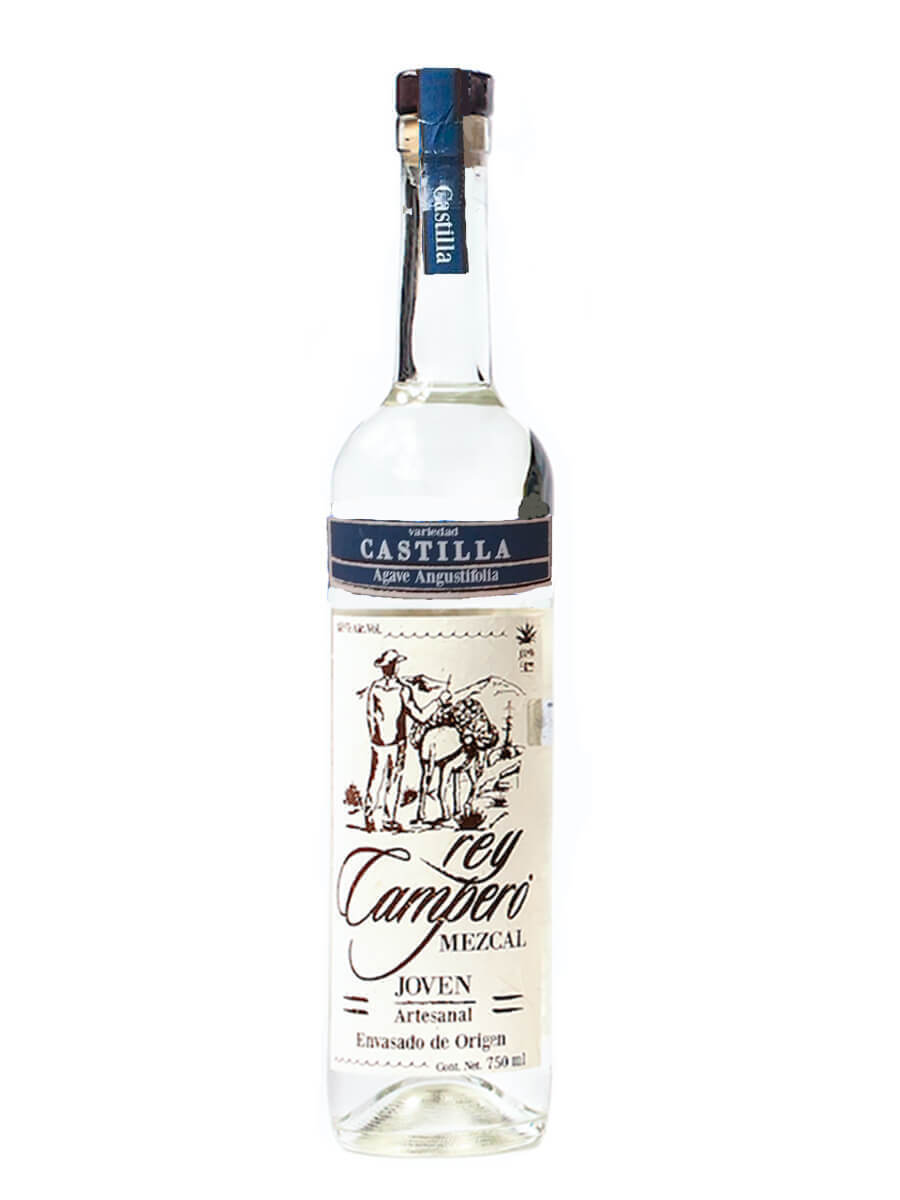
Rey Campero Mezcal
Rey Campero Castilla
Angustifolia · Oaxaca
3.6(42)
Maestros del Mezcal (MDM)
MDM Chapero – Pantaleón López
Angustifolia · Oaxaca
3.6(42)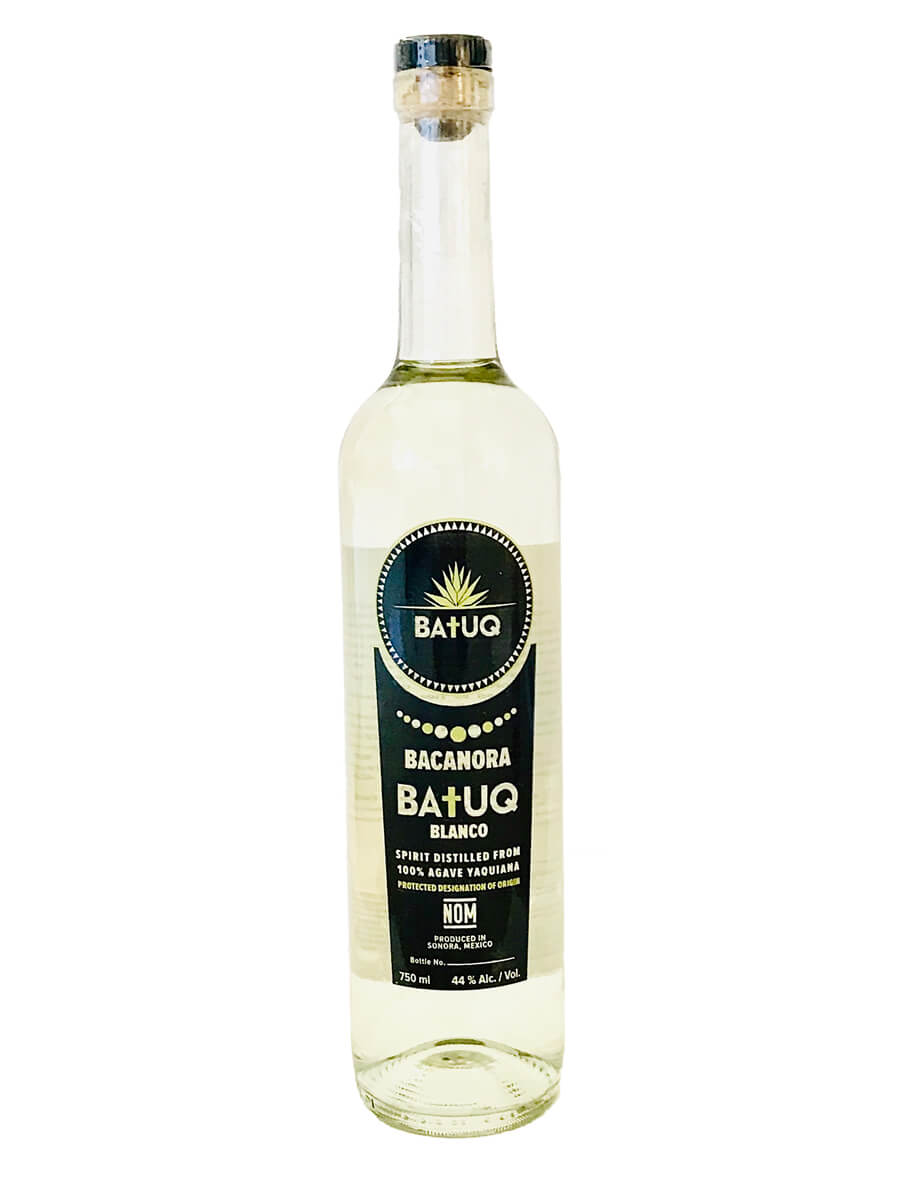
Batuq Bacanora
Batuq Blanco
Angustifolia · Sonora
3.6(42)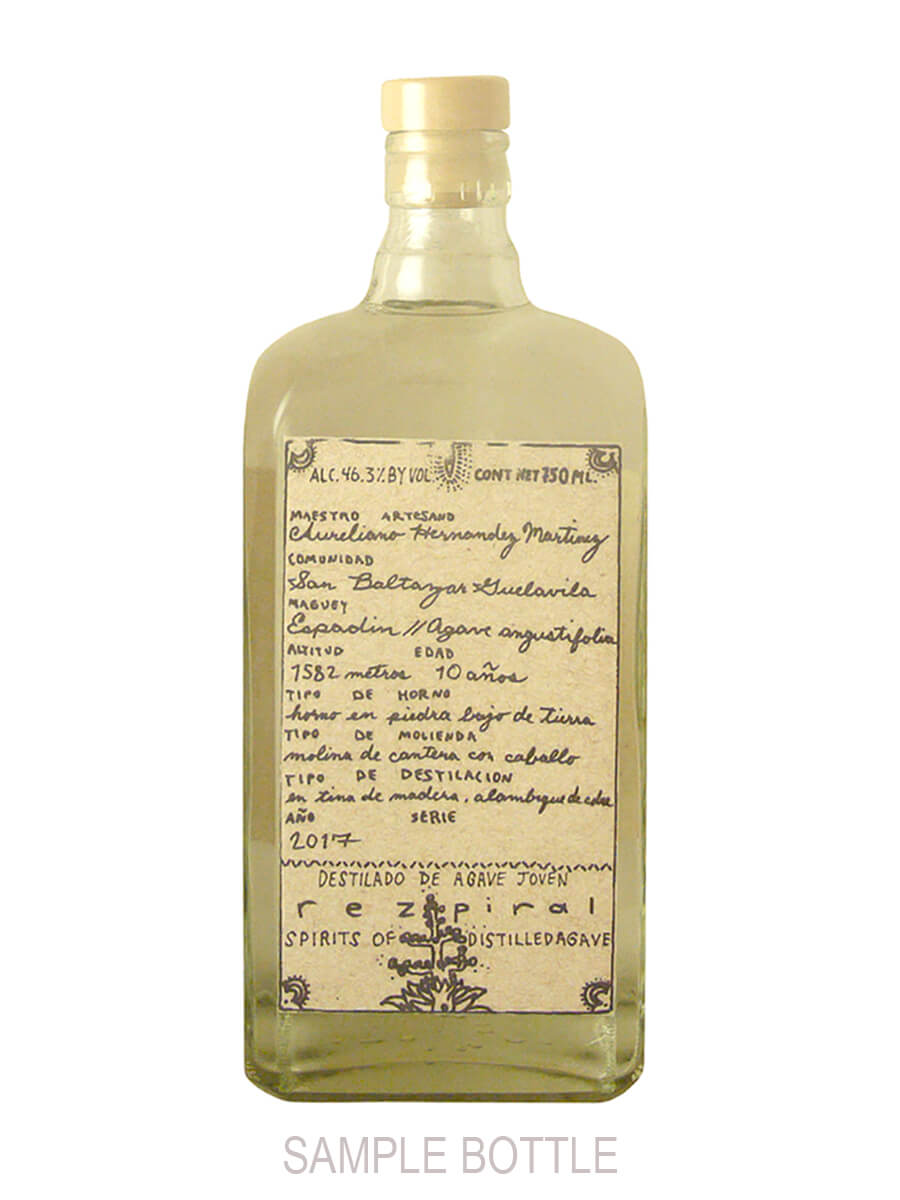
Rezpiral
Rezpiral Espadin – Leonardo Hernandez
Angustifolia · Oaxaca
3.6(42)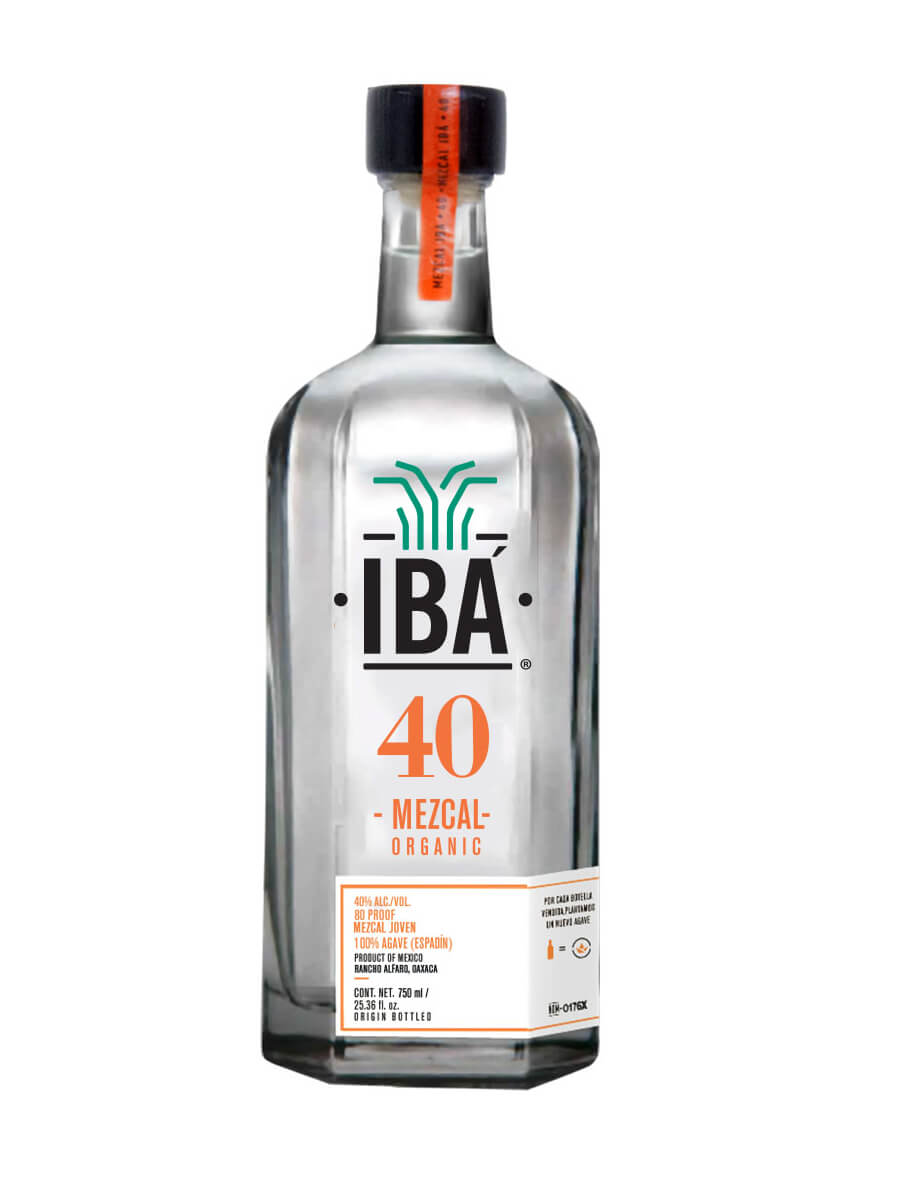
IBA Mezcal
IBA 40
Angustifolia · Oaxaca
3.6(42)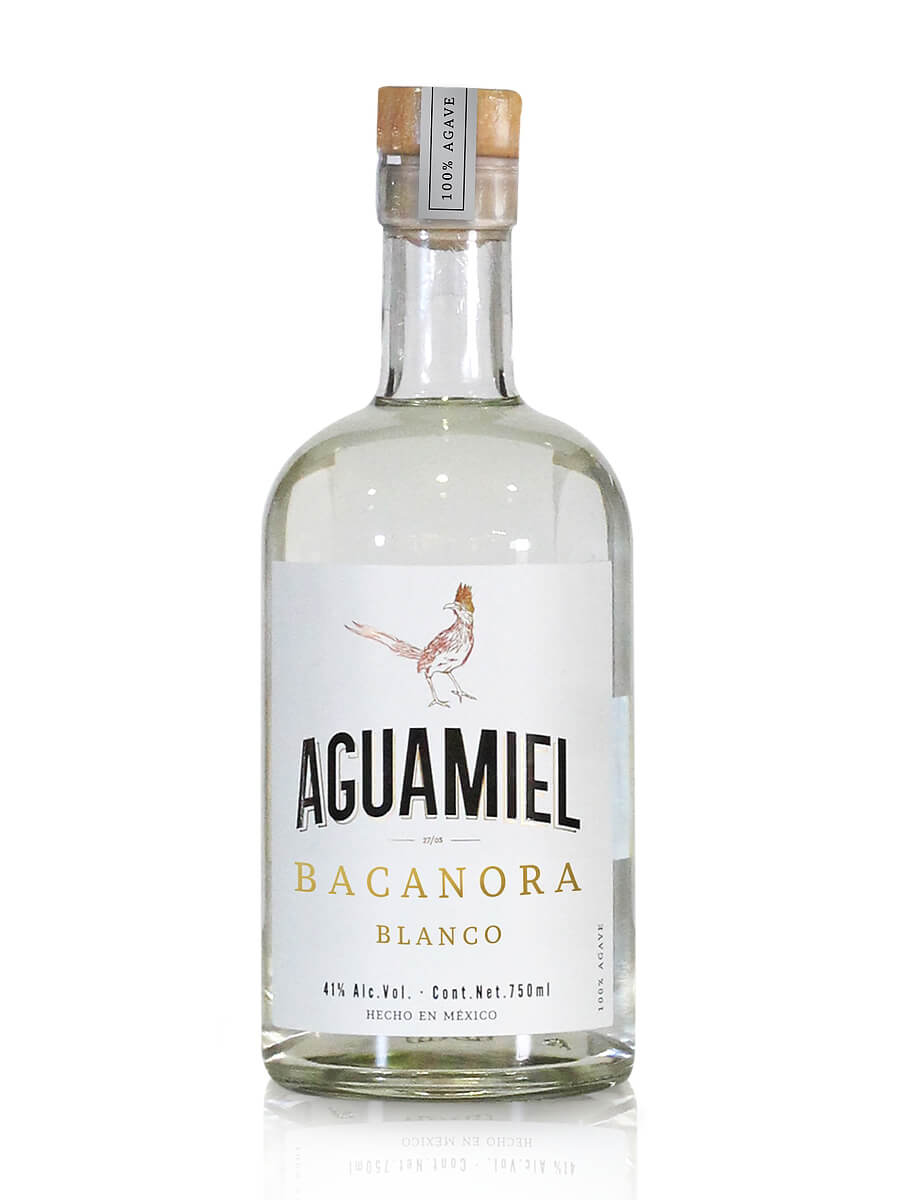
Aguamiel Bacanora
Aguamiel Bacanora Blanco
Angustifolia · Sonora
3.6(42)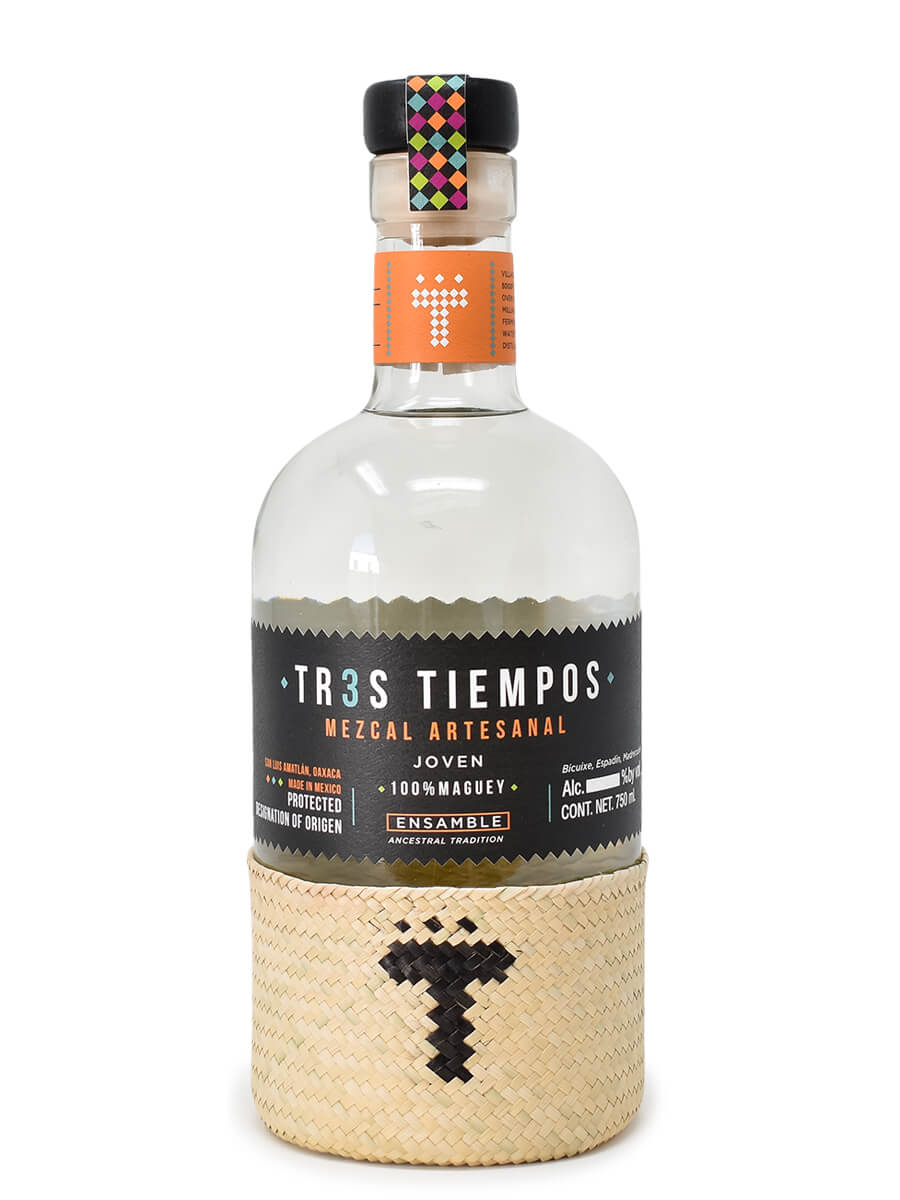
Tr3s Tiempos Mezcal
Tr3s Tiempos Ensamble – Diego Lucas Garcia
Americana · Oaxaca
3.6(42)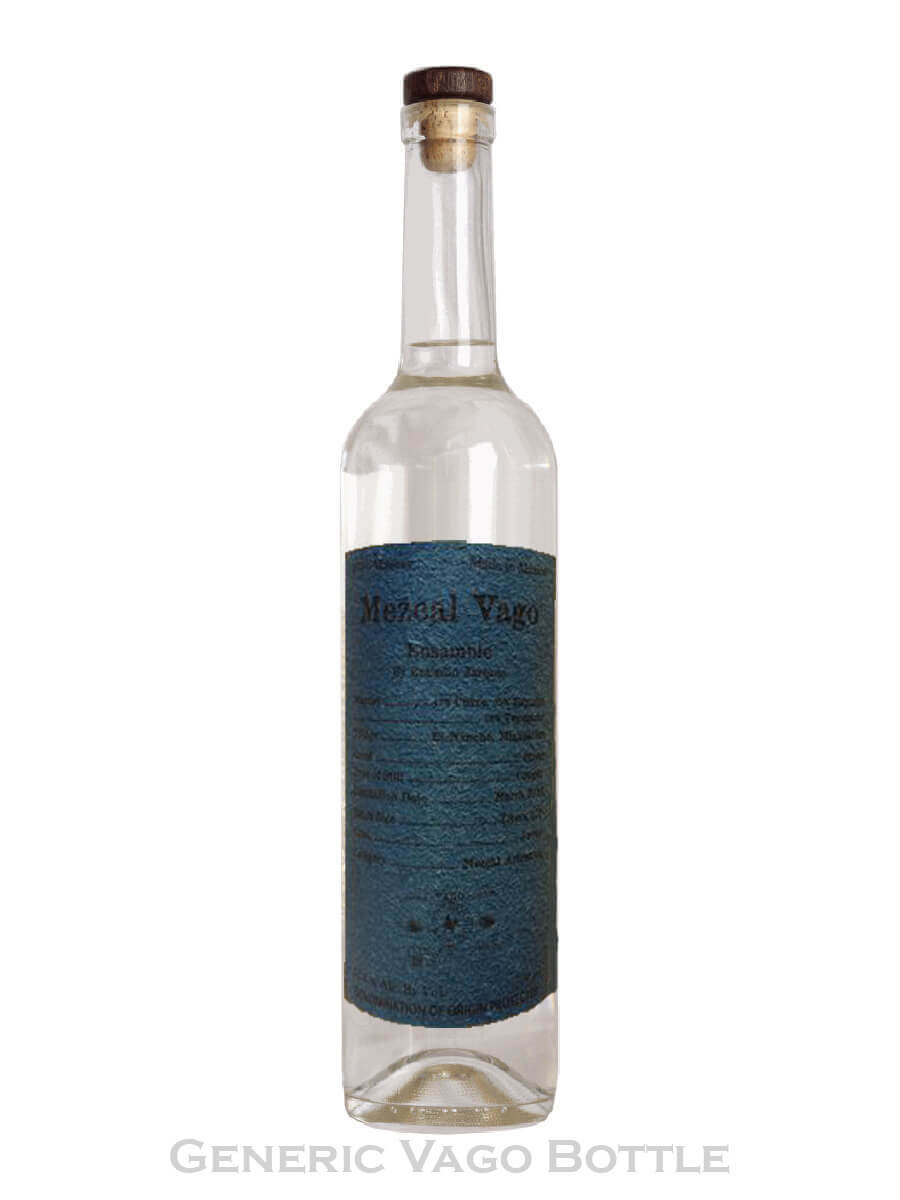
Vago Mezcal
Vago Ensamble – Emigdio Jarquin Ramirez
Angustifolia · Oaxaca
3.6(42)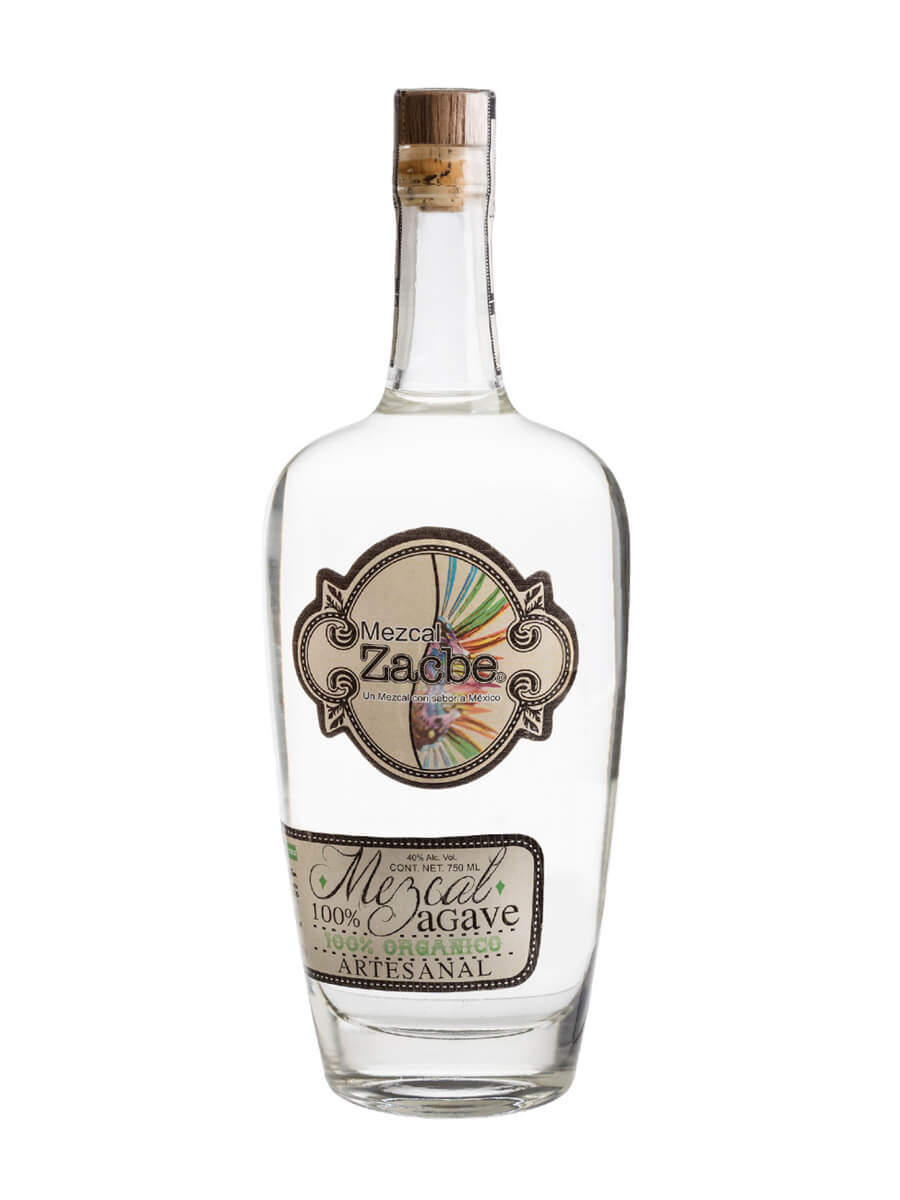
Zacbé Mezcal
Zacbe Joven
Angustifolia · Oaxaca
3.6(42)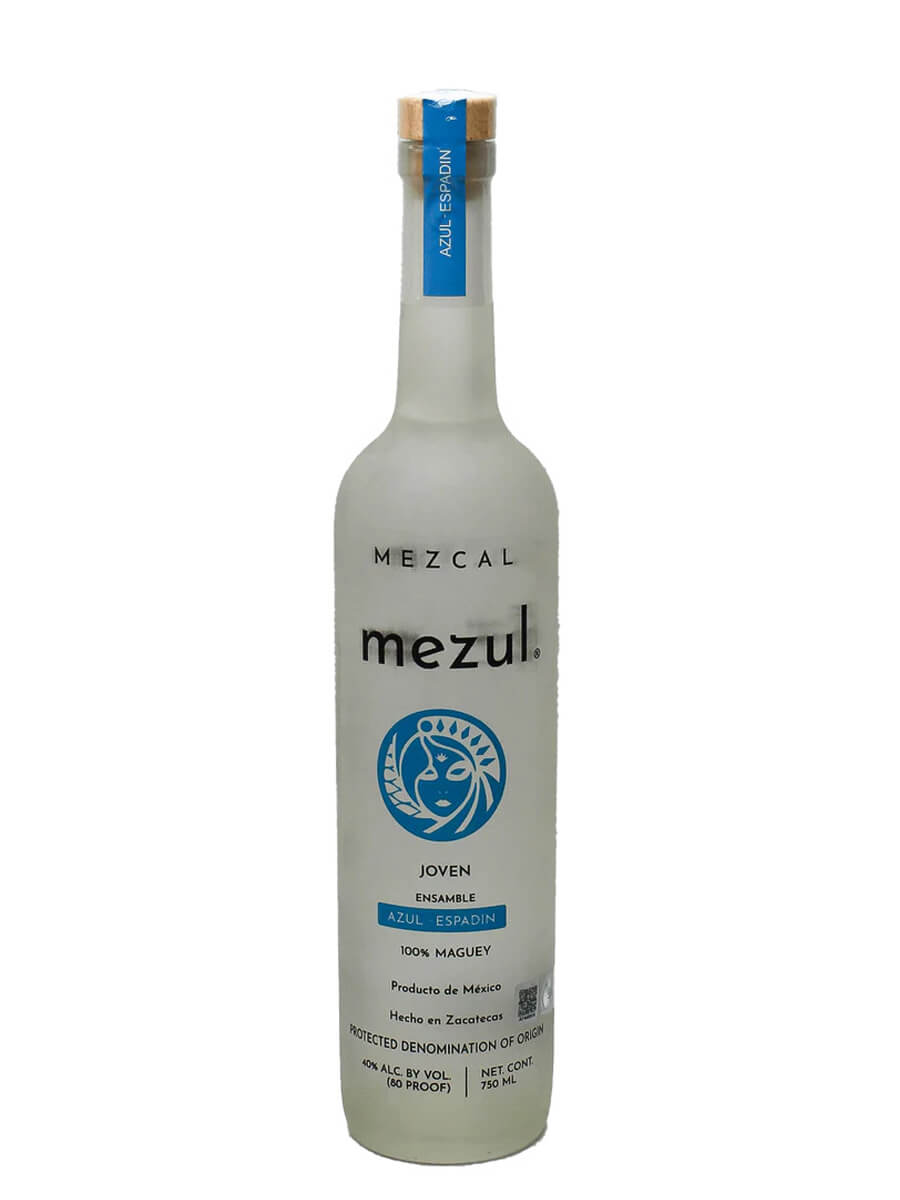
Mezul Mezcal
Mezul Mezcal Azul, Espadin
Angustifolia · Zacatecas
3.6(42)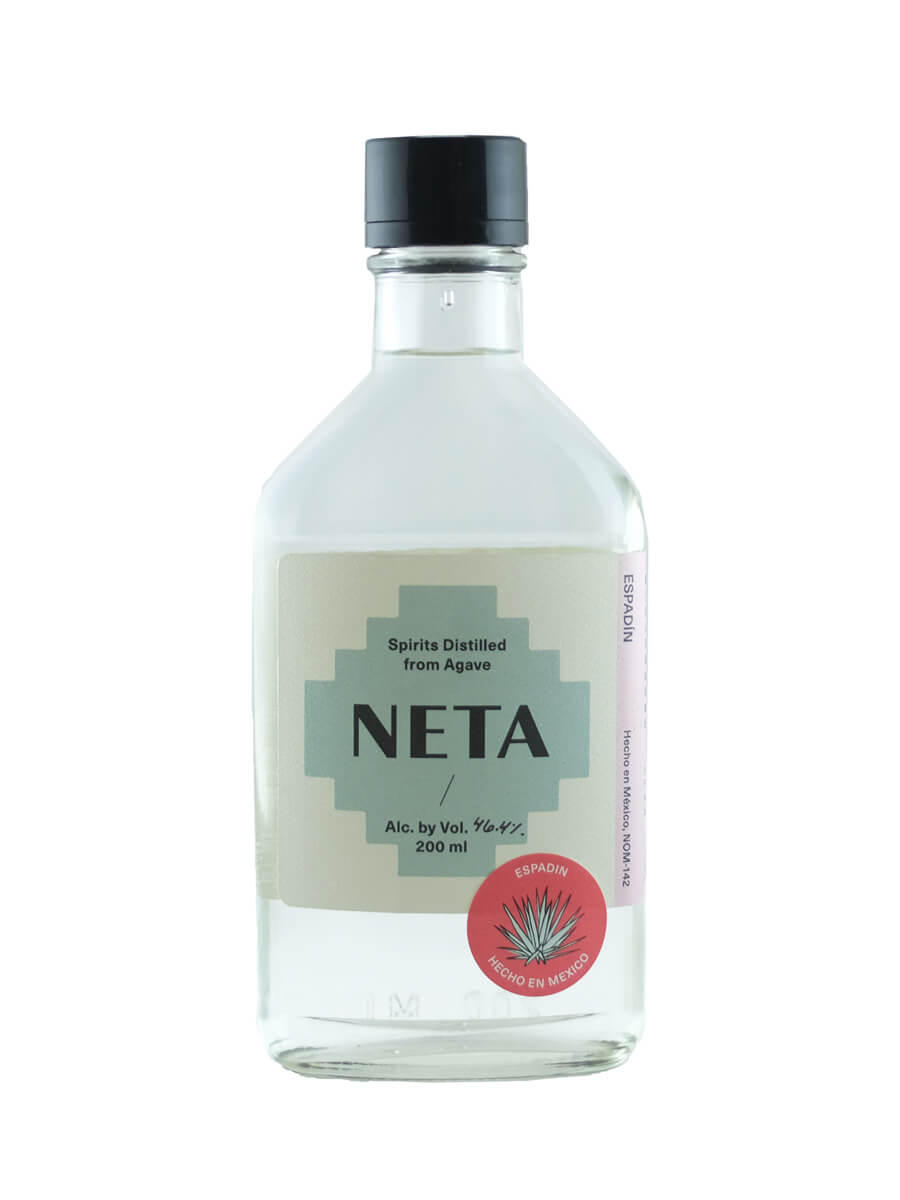
NETA
NETA Espadin – Ranulfo Garcia Pacheco
Angustifolia · Oaxaca
3.6(42)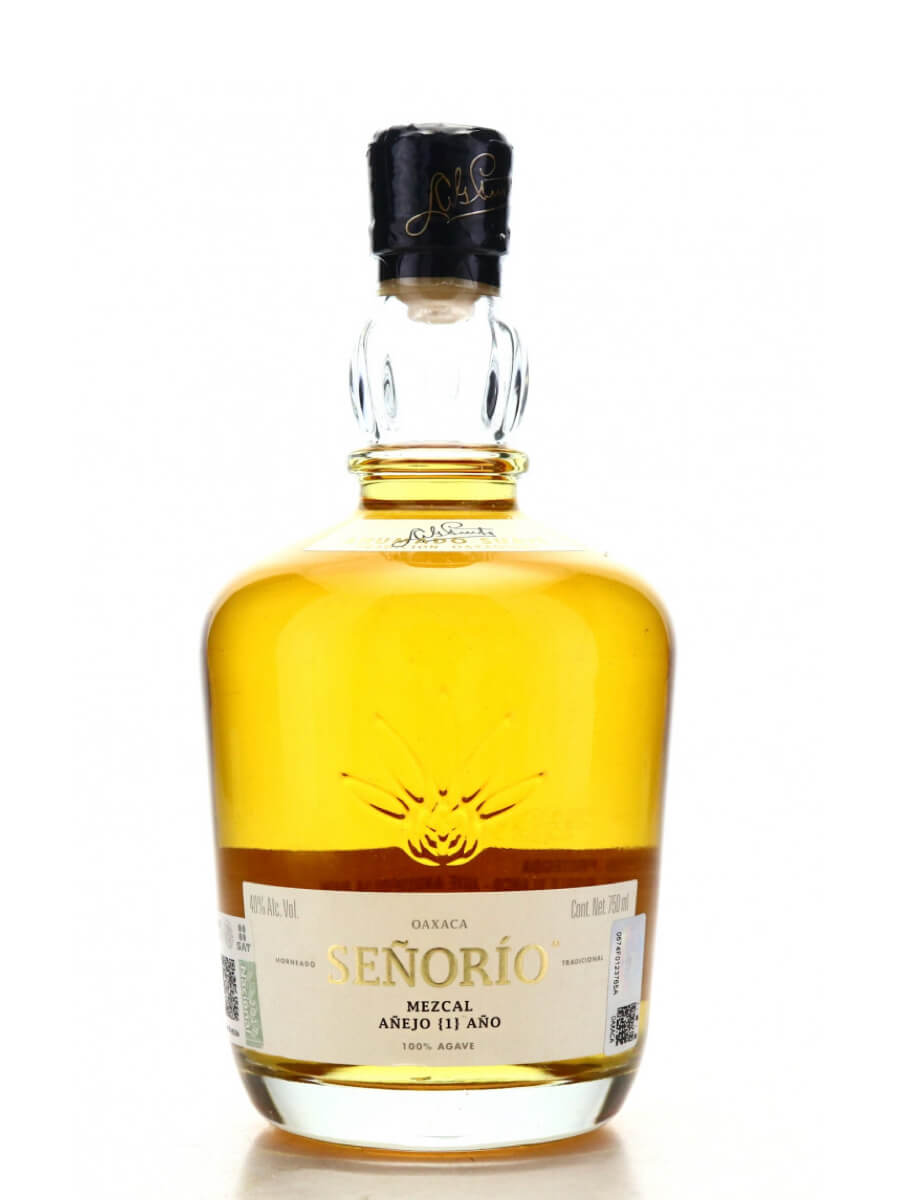
Señorío Mezcal
Señorío Añejo
Angustifolia · Oaxaca
3.6(42)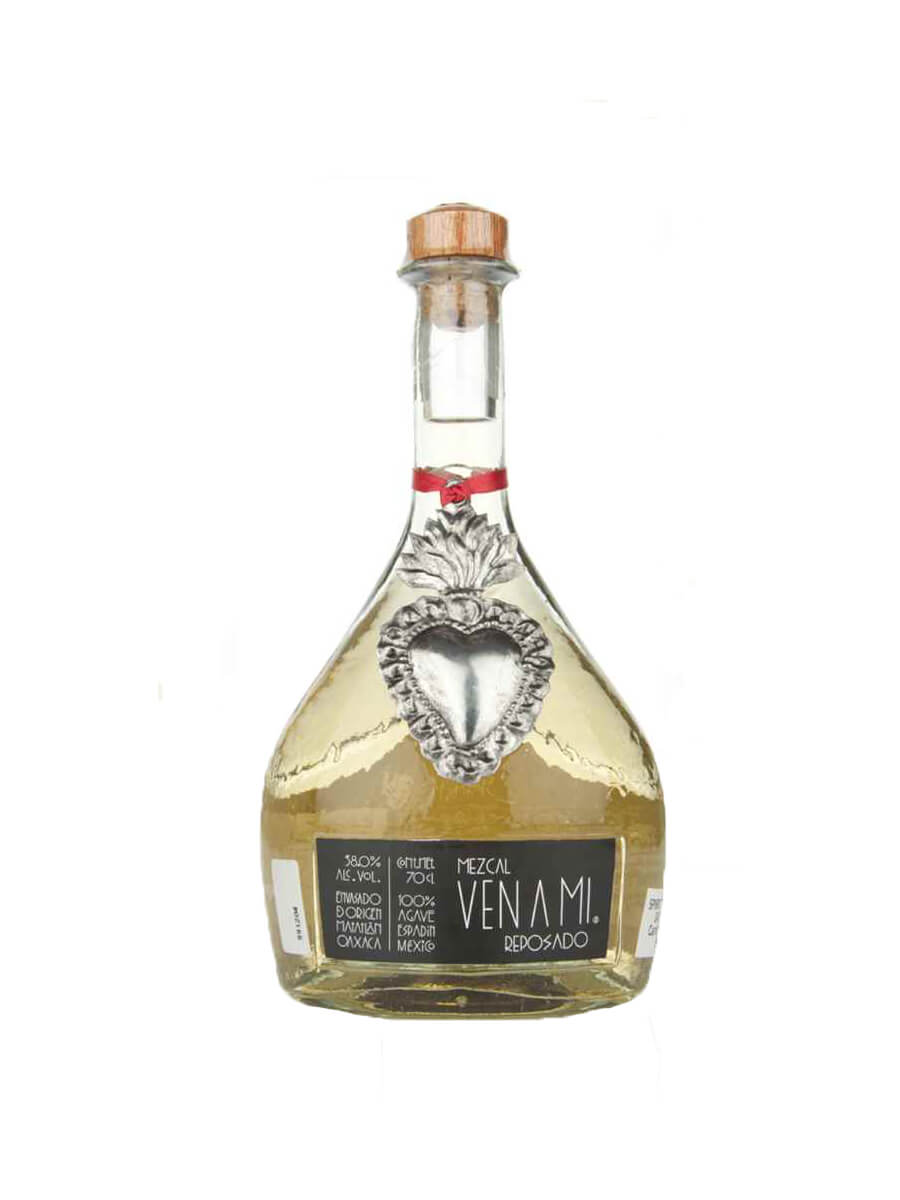
Ven A Mi Mezcal
Ven A Mi Reposado
Angustifolia · Oaxaca
3.6(42)
Maria Dolores Mezcal
Maria Dolores Espadin
Angustifolia · Oaxaca
3.6(42)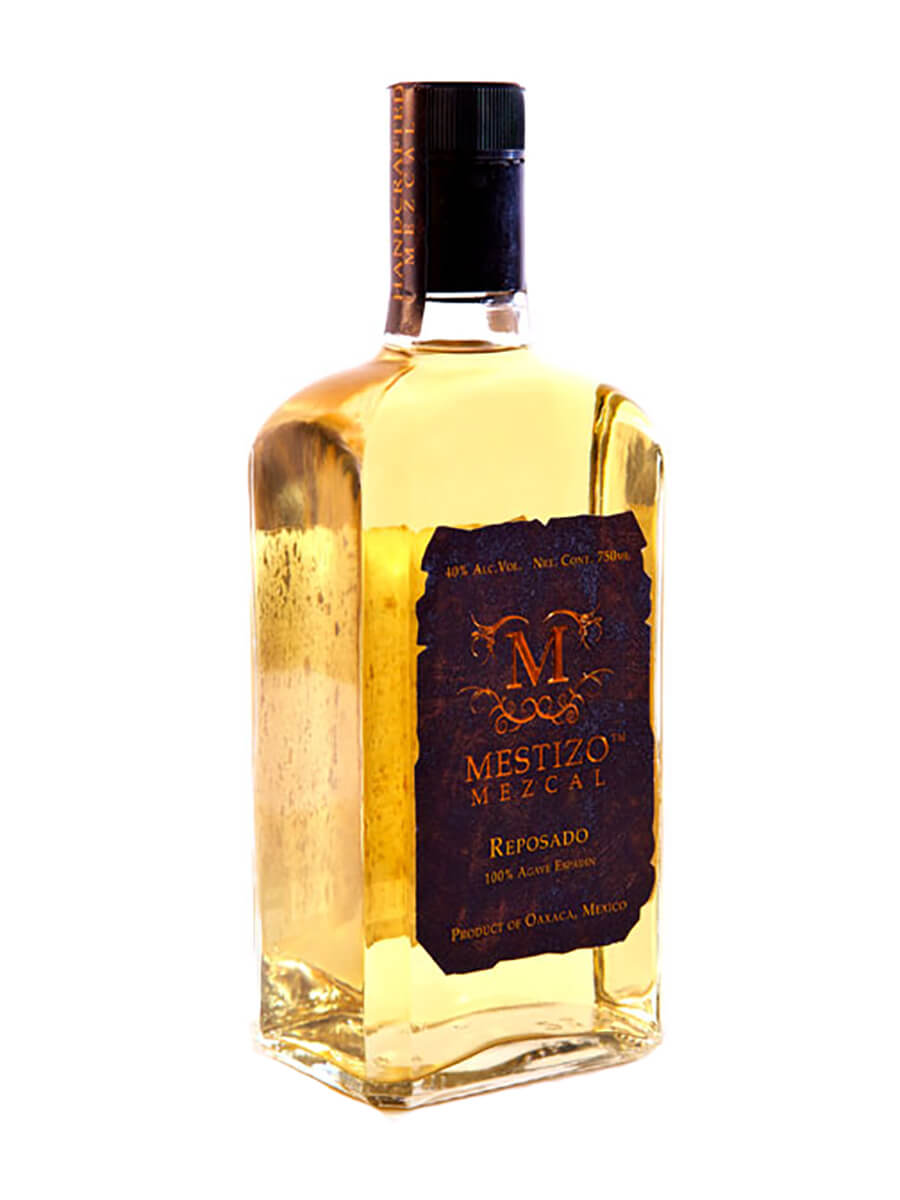
Mestizo Mezcal
Mestizo Reposado
Angustifolia · Oaxaca
3.6(42)Casa Manglar Mezcal
Casa Manglar Espadin
Angustifolia · Oaxaca
3.6(42)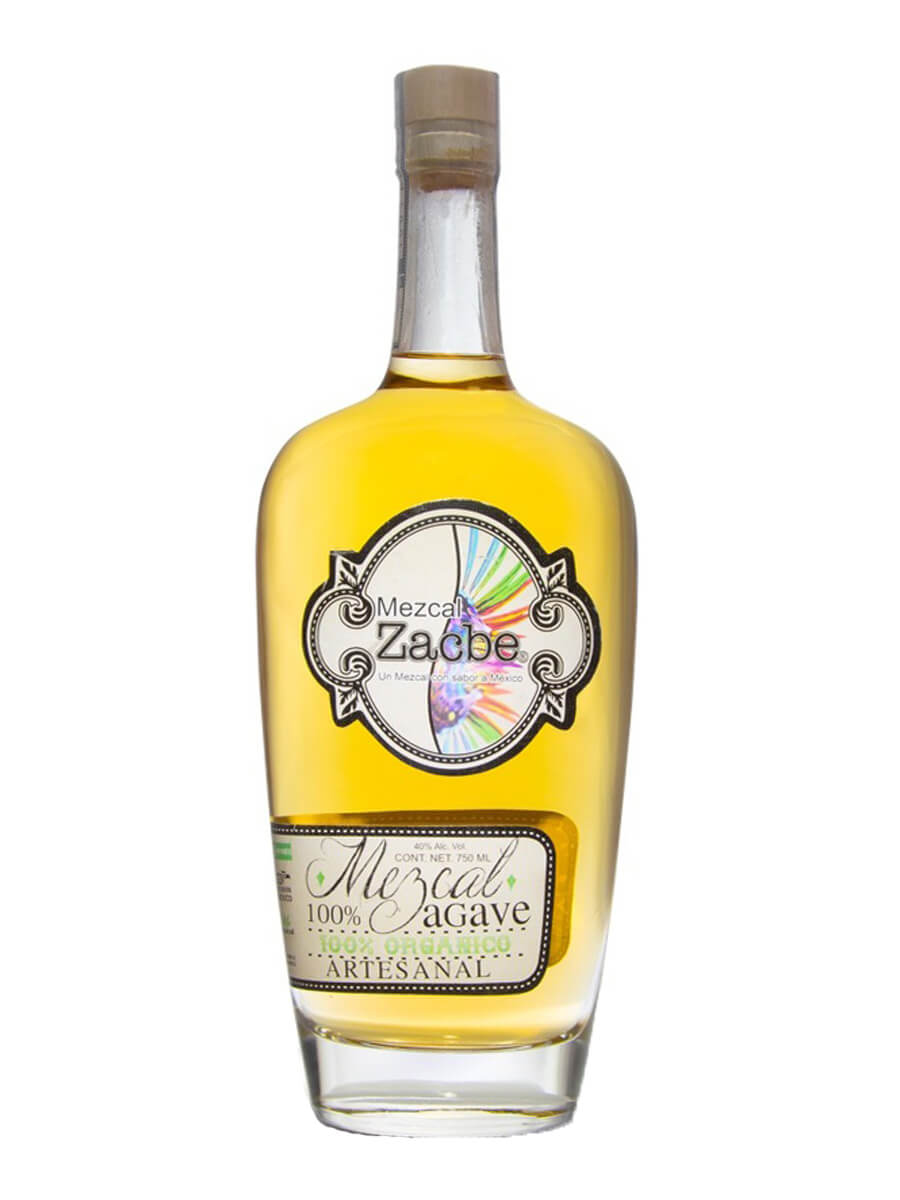
Zacbé Mezcal
Zacbe Resposado
Angustifolia · Oaxaca
3.6(42)
Espadín — frequently asked
- What is espadín mezcal?
- Espadín mezcal is mezcal distilled from Agave angustifolia, a cultivated agave that matures in about six to eight years. It is the most common variety in mezcal and accounts for the large majority of bottles on the market.
- Is espadín the same agave as tequila's blue weber?
- They are closely related but not the same. Blue weber (Agave tequilana) is generally treated as a domesticated selection descended from the same angustifolia complex, cultivated in Jalisco for tequila.
- Is espadín mezcal smoky?
- Usually somewhat, but smoke comes from underground roasting rather than the agave itself. Well-made espadín balances smoke against roasted-agave sweetness, citrus and minerality.
- How much should espadín mezcal cost?
- Espadín is the most affordable category of artisanal mezcal because the agave is cultivated and available. Wild varieties such as tobalá or tepeztate typically cost considerably more per bottle.
Compare across the whole catalog in the best mezcals guide or browse by producer.