Tobalá mezcal
Agave potatorum — the small, wild, shade-grown agave that gave mezcal its reputation for perfume and price.
- Species
- Agave potatorum Zucc.
- Cultivation
- Mostly wild-harvested
- Maturity
- 10–15 years
- Main states
- Oaxaca, Puebla
- Bottles in catalog
- 320
- Average rating
- 3.60 / 5
Tobalá grows wild on rocky highland slopes, often under oak canopy, and stays small: a mature plant is a squat rosette rarely bigger than a beach ball. Where one espadín can carry 60 kilos of sugar, it can take eight or ten tobalá piñas to fill the same oven space. That arithmetic, not marketing, is why tobalá bottles cost what they do.
Because it is gathered rather than planted, tobalá is harvested in irregular batches, and every batch tastes of a particular hillside and season. Serious producers now plant it too, but it still takes twelve years or more to mature and refuses to grow well outside its niche.
In the glass it is the most floral, most immediately aromatic agave most drinkers will meet: tropical fruit, honeysuckle, cocoa and a soft, rounded mouthfeel where espadín is angular.
What tobalá mezcal tastes like
Expect stone fruit and mango, orange blossom, cocoa nib and a distinctly sweet, perfumed finish. Smoke sits far back; a heavy-handed roast on tobalá is generally considered a mistake because it buries exactly what you paid for.
Texture is the tell. Good tobalá coats the mouth and holds its aroma long after you swallow, and it usually rewards a lower pour temperature and an open copita over a shot glass.
Why tobalá is expensive
Low sugar yield per plant, a decade-plus to maturity, difficult terrain and wild harvest all stack up. A tobalá batch is often a few hundred litres at most, which is why bottles are batch-numbered and rarely repeat exactly.
Sustainability matters here: wild populations depend on bats for pollination, so harvesting before the plant flowers removes seed from the hillside. Producers who let a share of plants quiote (flower) or who plant seedlings are worth supporting.
Tobalá bottles, rated by the community
120 bottles with photos and documented origin · mostly from Oaxaca, Puebla
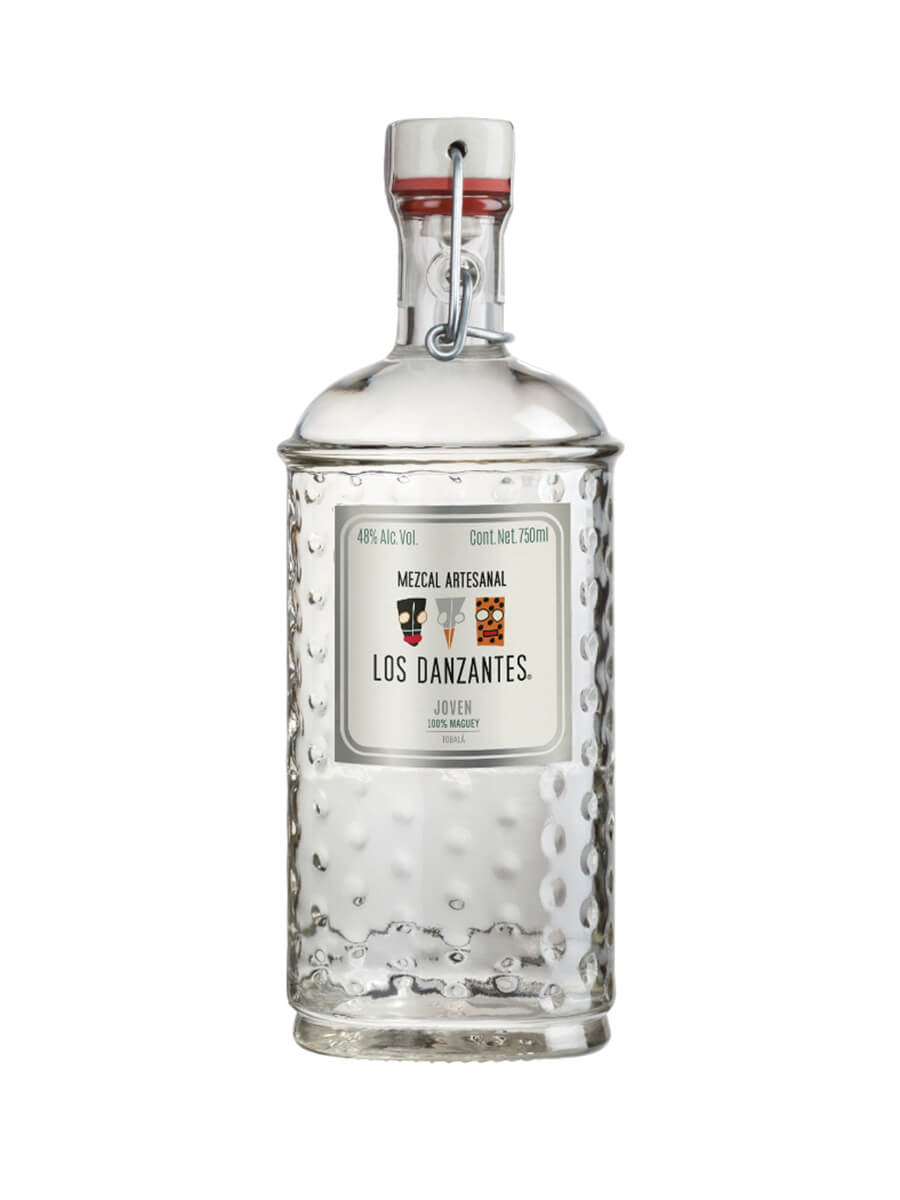
Los Nahuales Mezcal
Los Danzantes (Los Nahuales) Tobala
Potatorum · Oaxaca
3.7(42)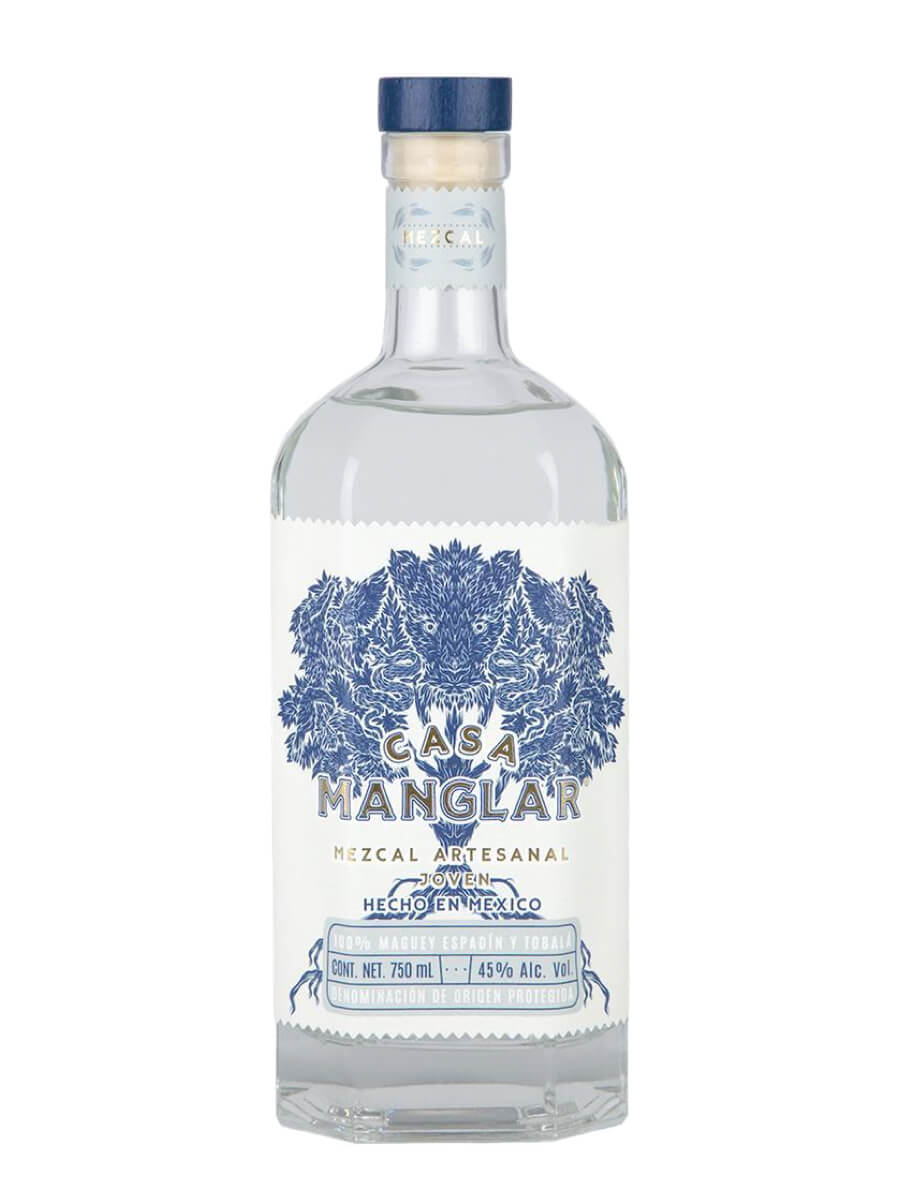
Casa Manglar Mezcal
Casa Manglar Espadin y Tobala
Angustifolia · Oaxaca
3.6(42)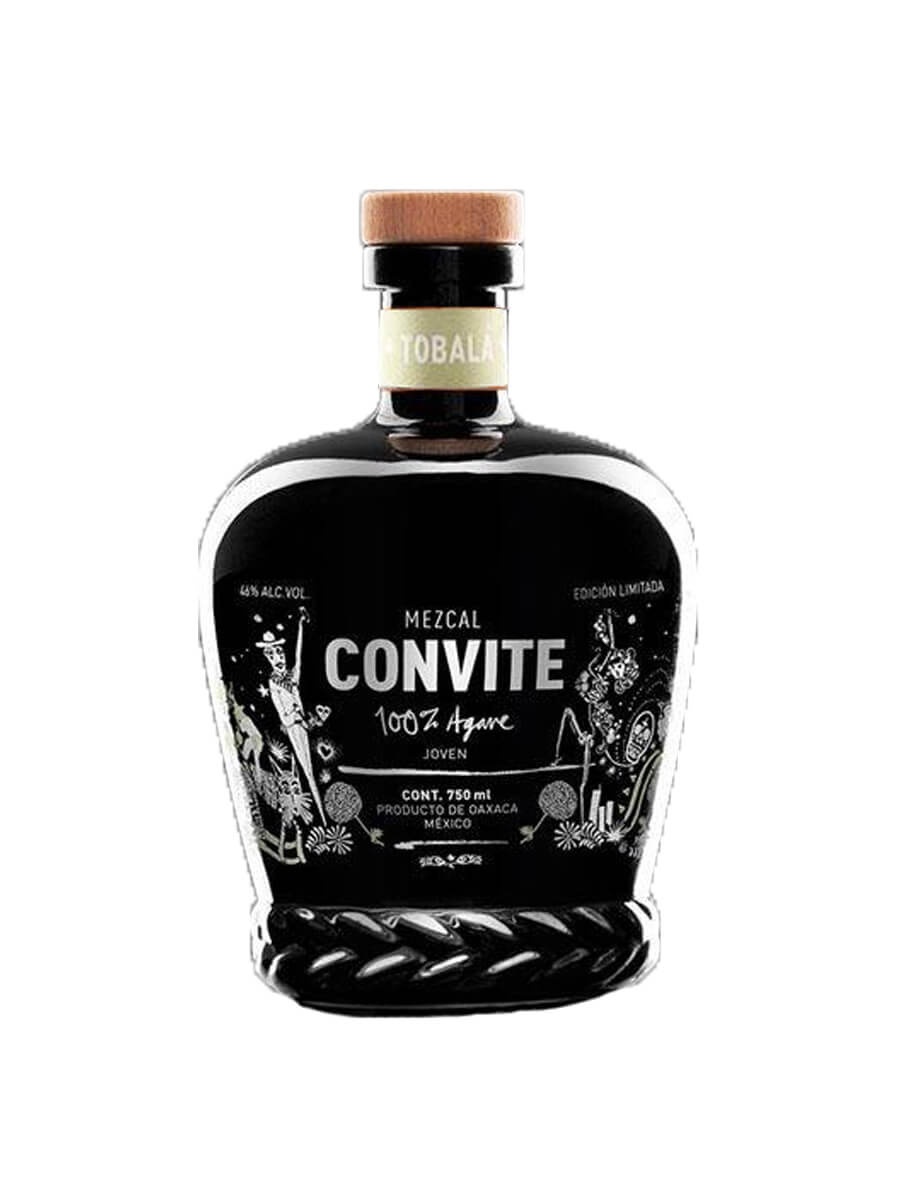
Convite Mezcal
Convite Tobala
Potatorum · Oaxaca
3.6(42)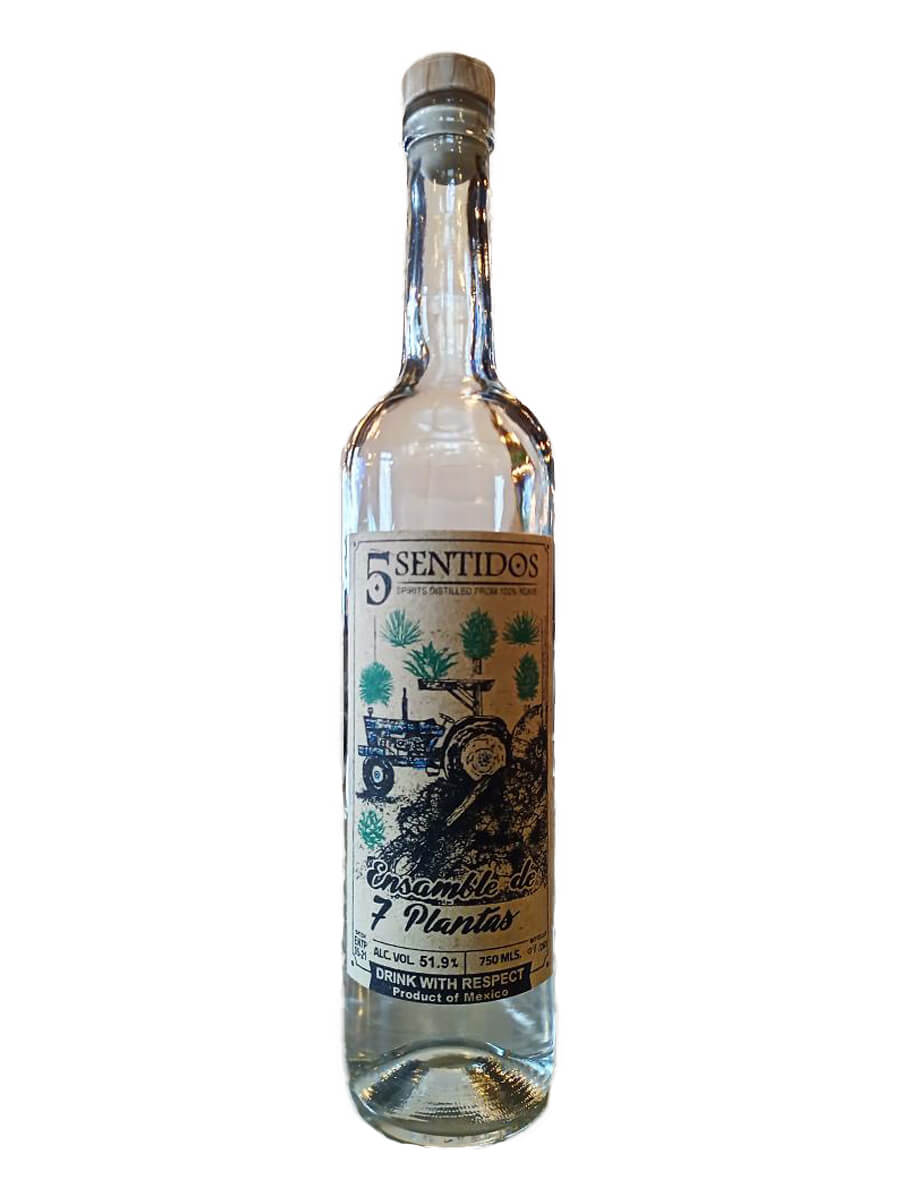
5 Sentidos
5 Sentidos Ensamble de 7 Plantas
Angustifolia · Oaxaca
3.6(42)
Noble Fuego
Noble Fuego Tobala
Potatorum · Oaxaca
3.6(42)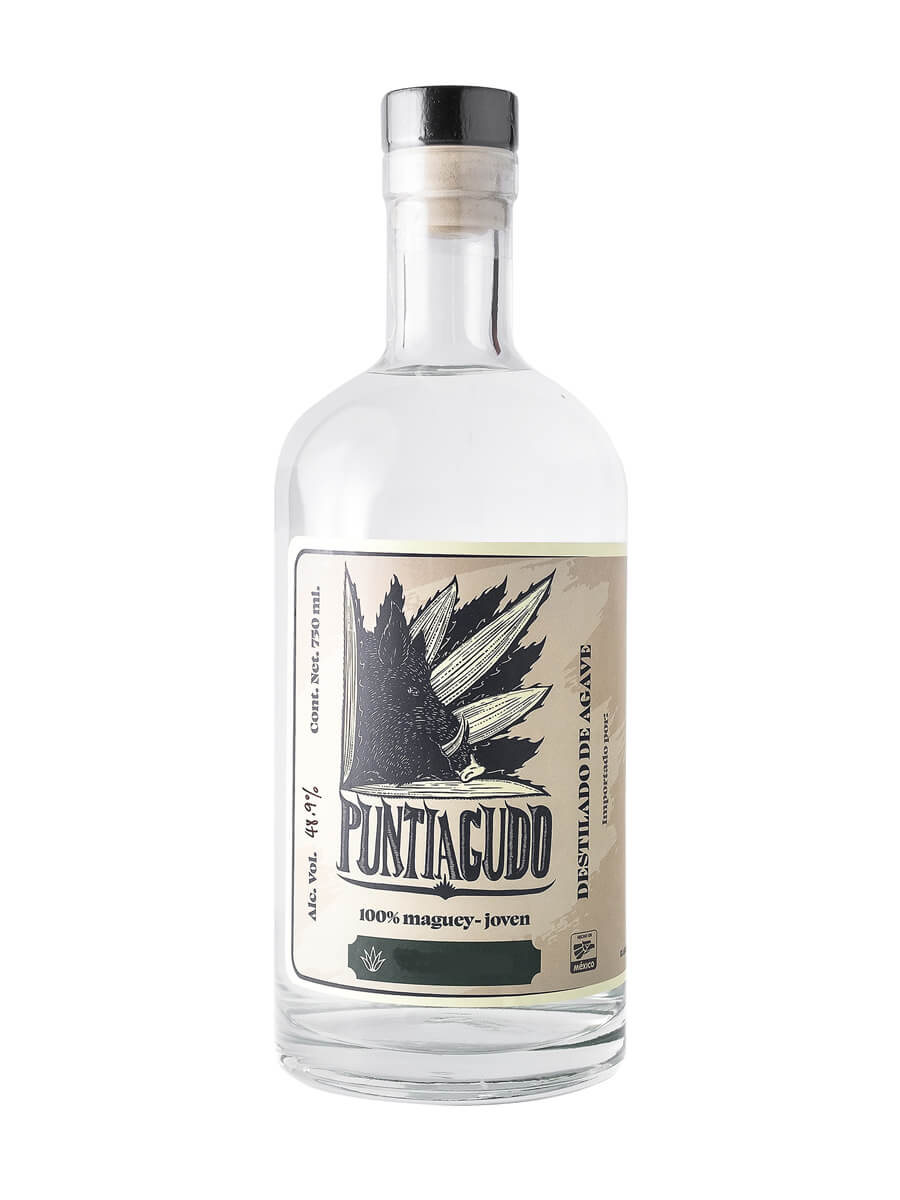
Puntiagudo
Puntiagudo Tobala – Joel López
Potatorum · Oaxaca
3.6(38)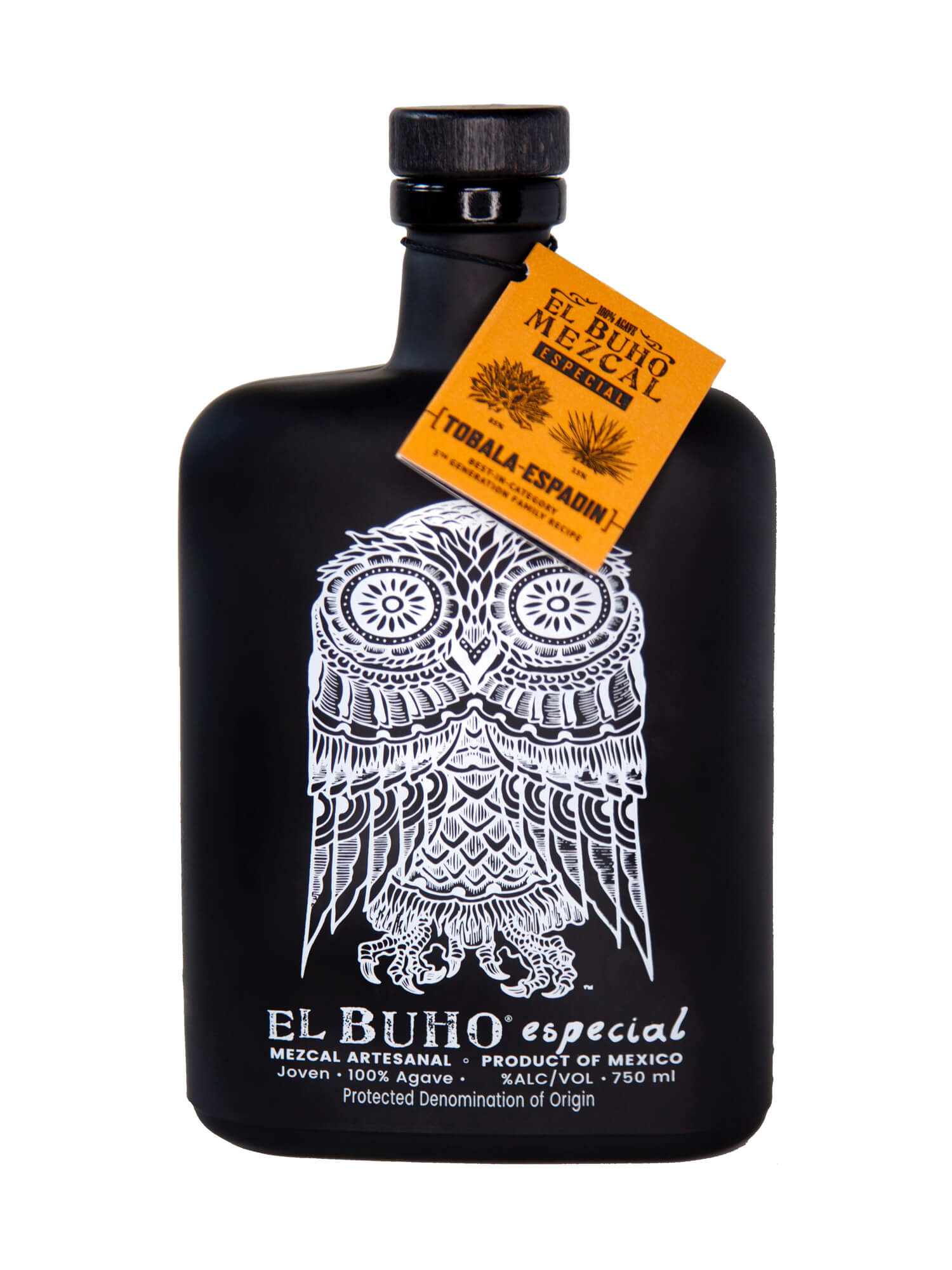
El Buho Mezcal
El Buho Especial Tobala-Espadin
Angustifolia · Oaxaca
3.6(42)Puntiagudo
Puntiagudo Tobala Pechuga – Rolando Ángeles
Potatorum · Oaxaca
3.6(42)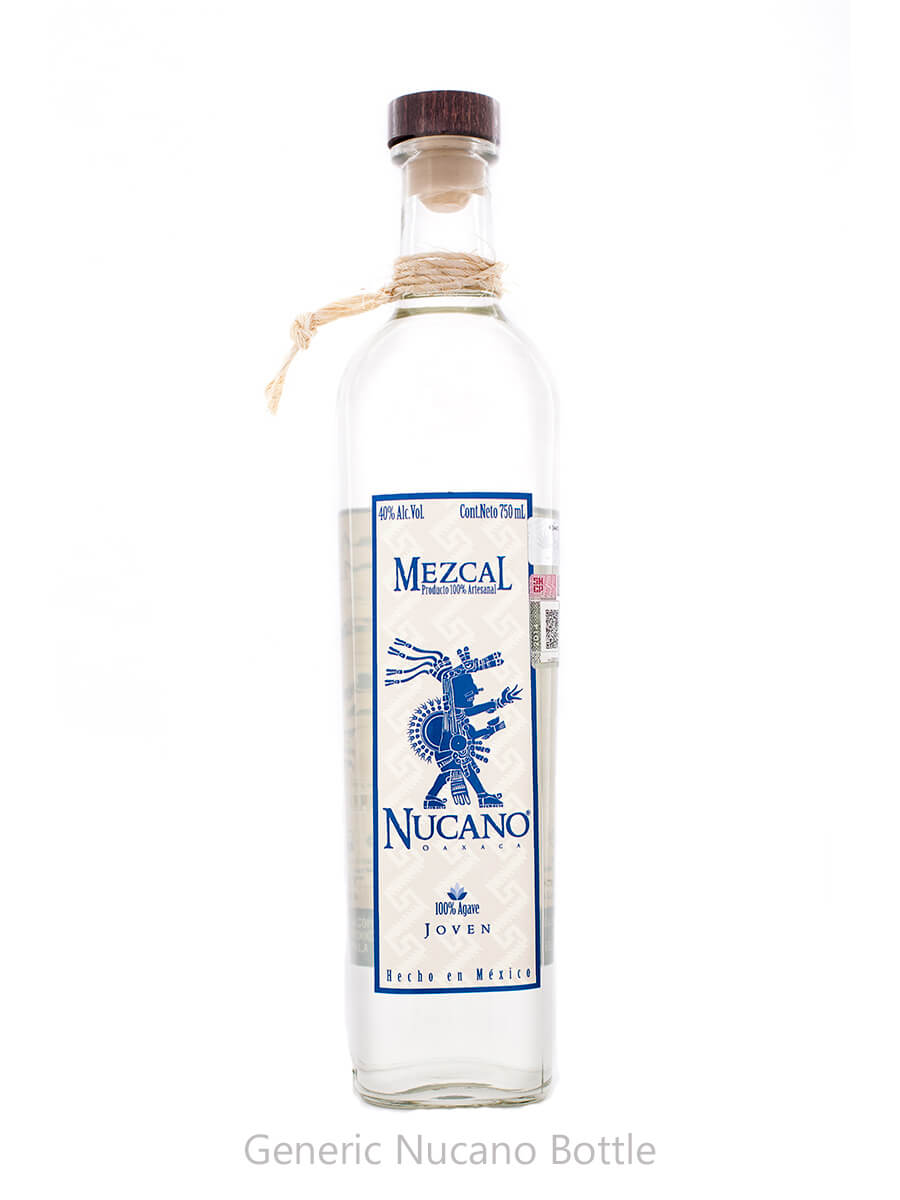
Nucano Mezcal
Nucano Tobala
Potatorum · Oaxaca
3.6(42)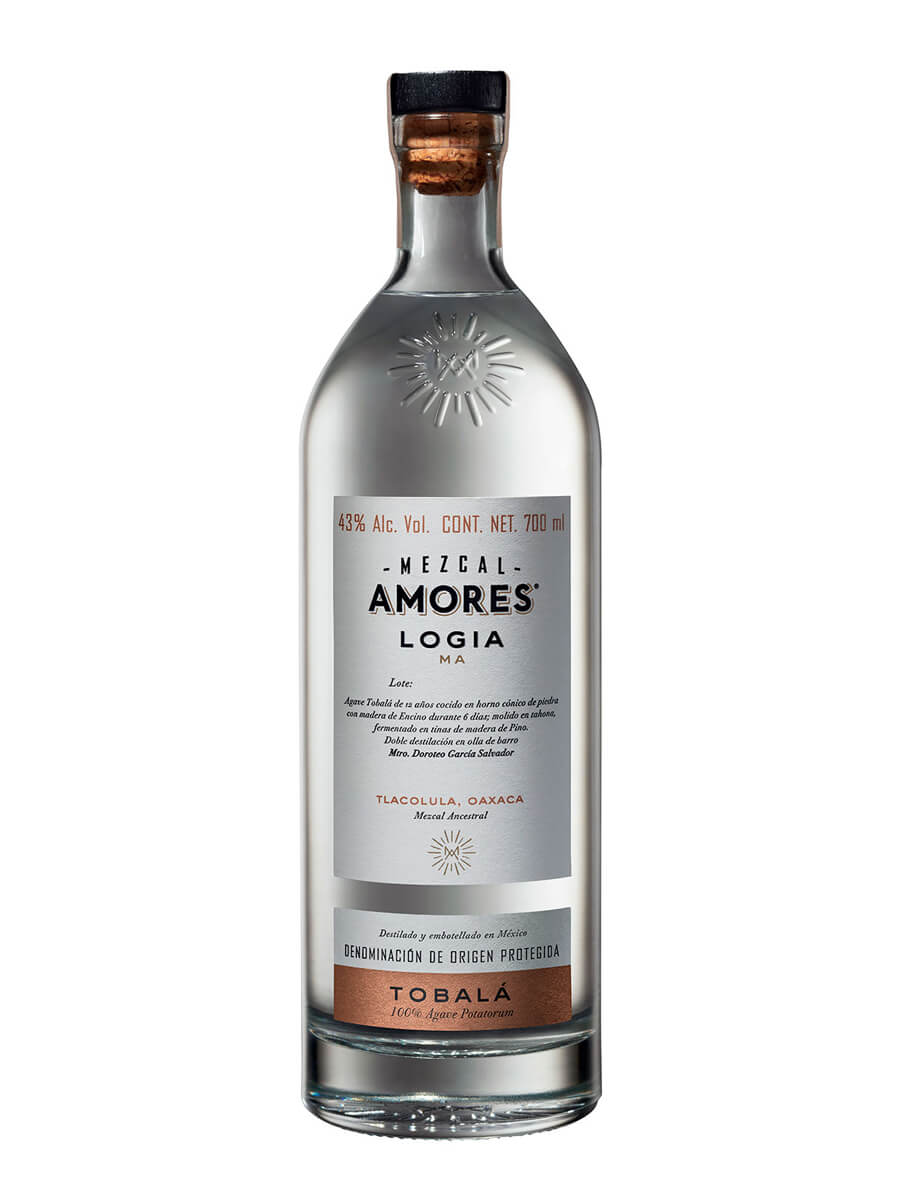
Amaras Mezcal
Amaras Logia Tobala
Potatorum · Oaxaca
3.6(42)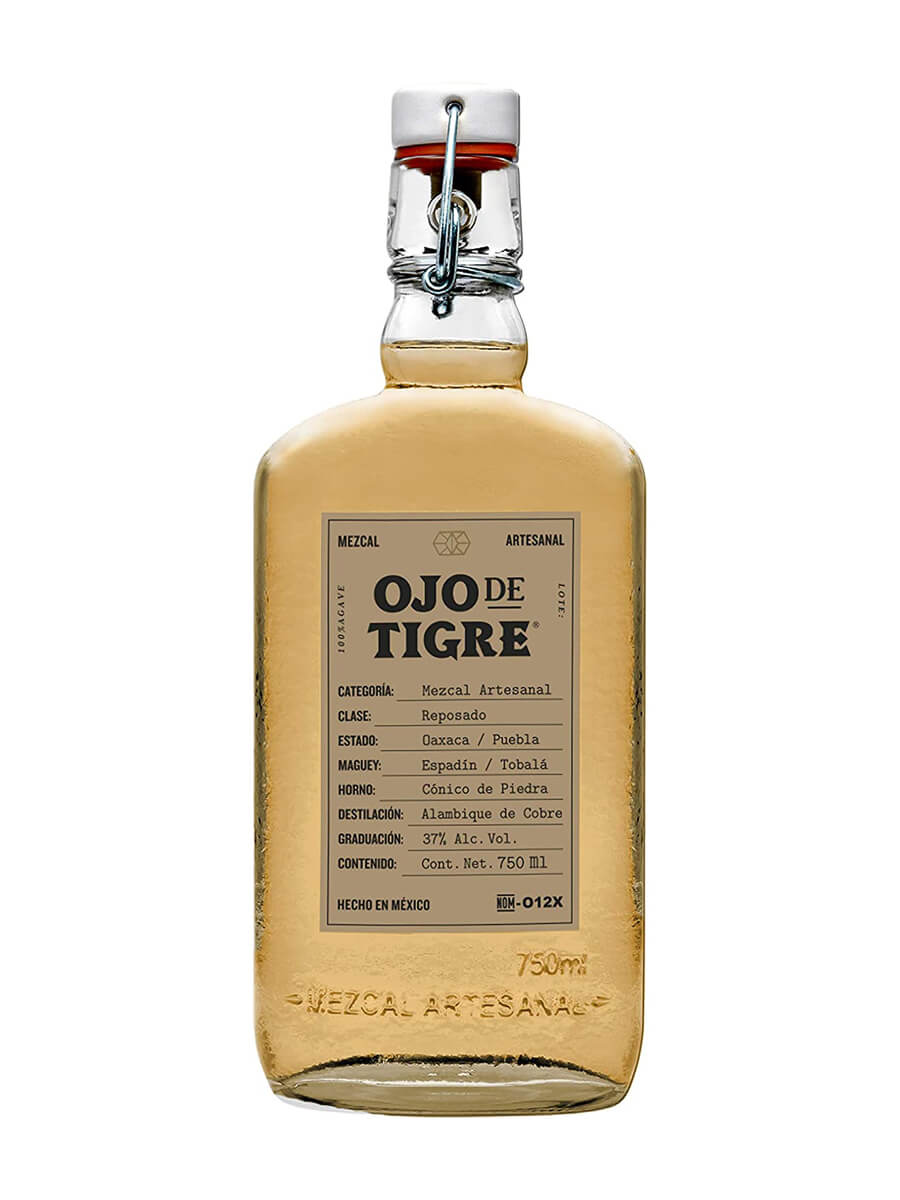
Ojo de Tigre Mezcal
Ojo de Tigre Reposado
Angustifolia · Oaxaca
3.6(42)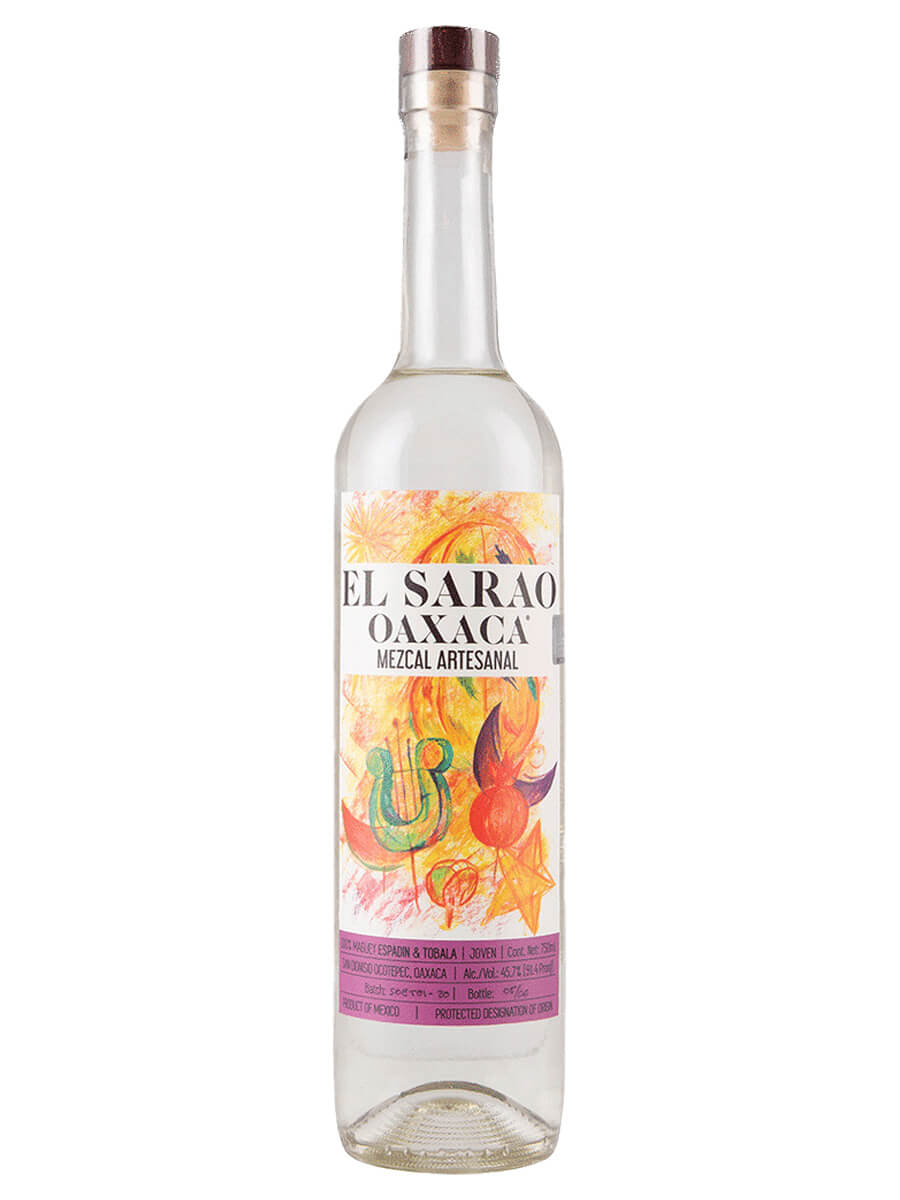
El Sarao Oaxaca Mezcal
El Sarao Oaxaca Espadin & Tobala
Angustifolia · Oaxaca
3.6(42)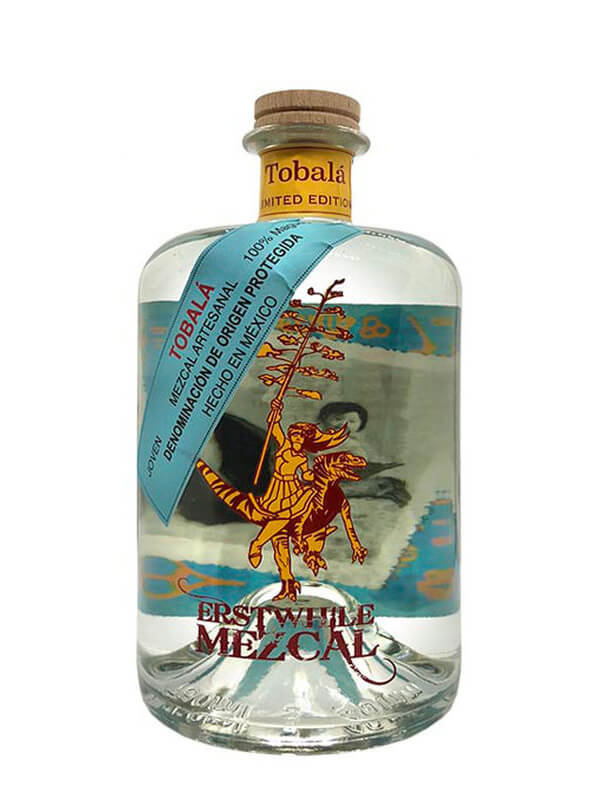
Erstwhile Mezcal
Erstwhile Tobalá
Potatorum · Oaxaca
3.6(42)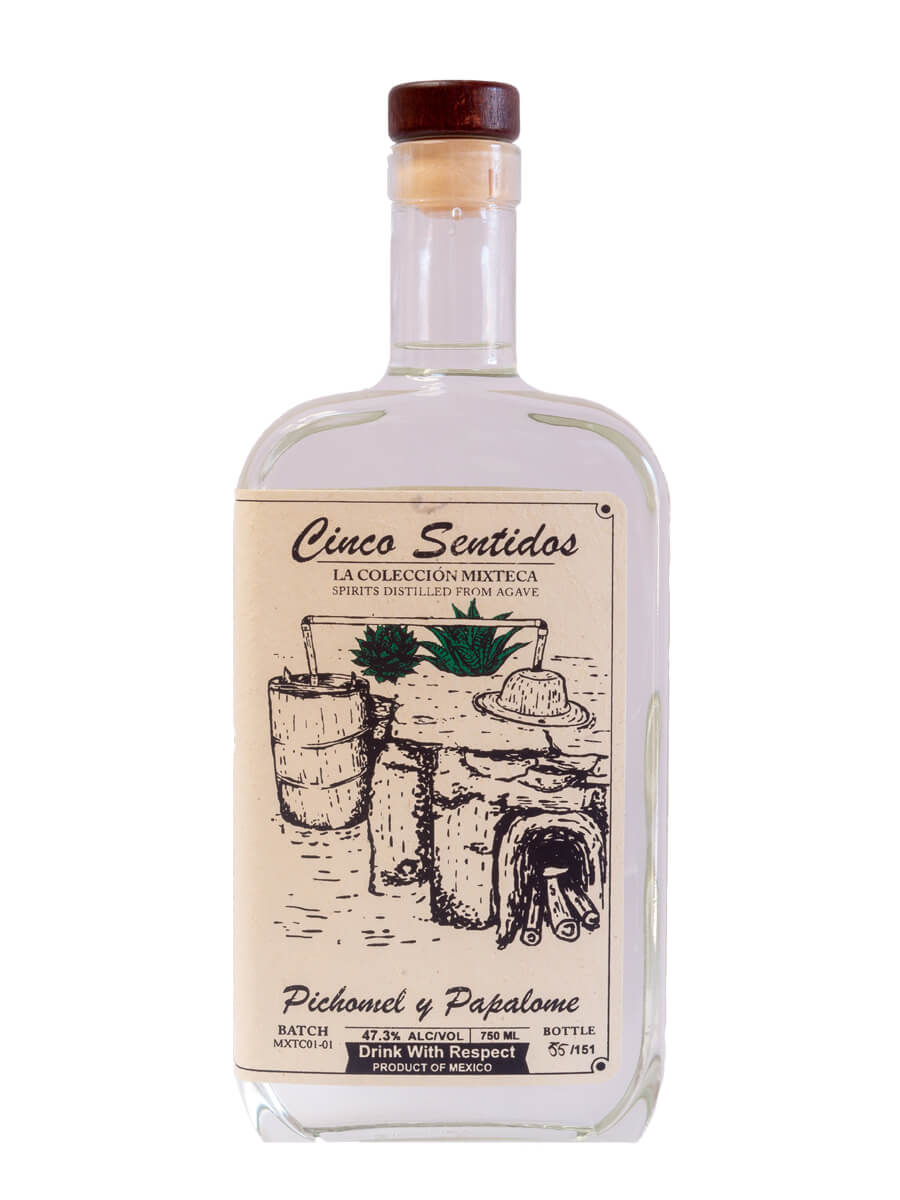
5 Sentidos
Cinco Sentidos Pichomel y Papalome
Marmorata · Puebla
3.6(42)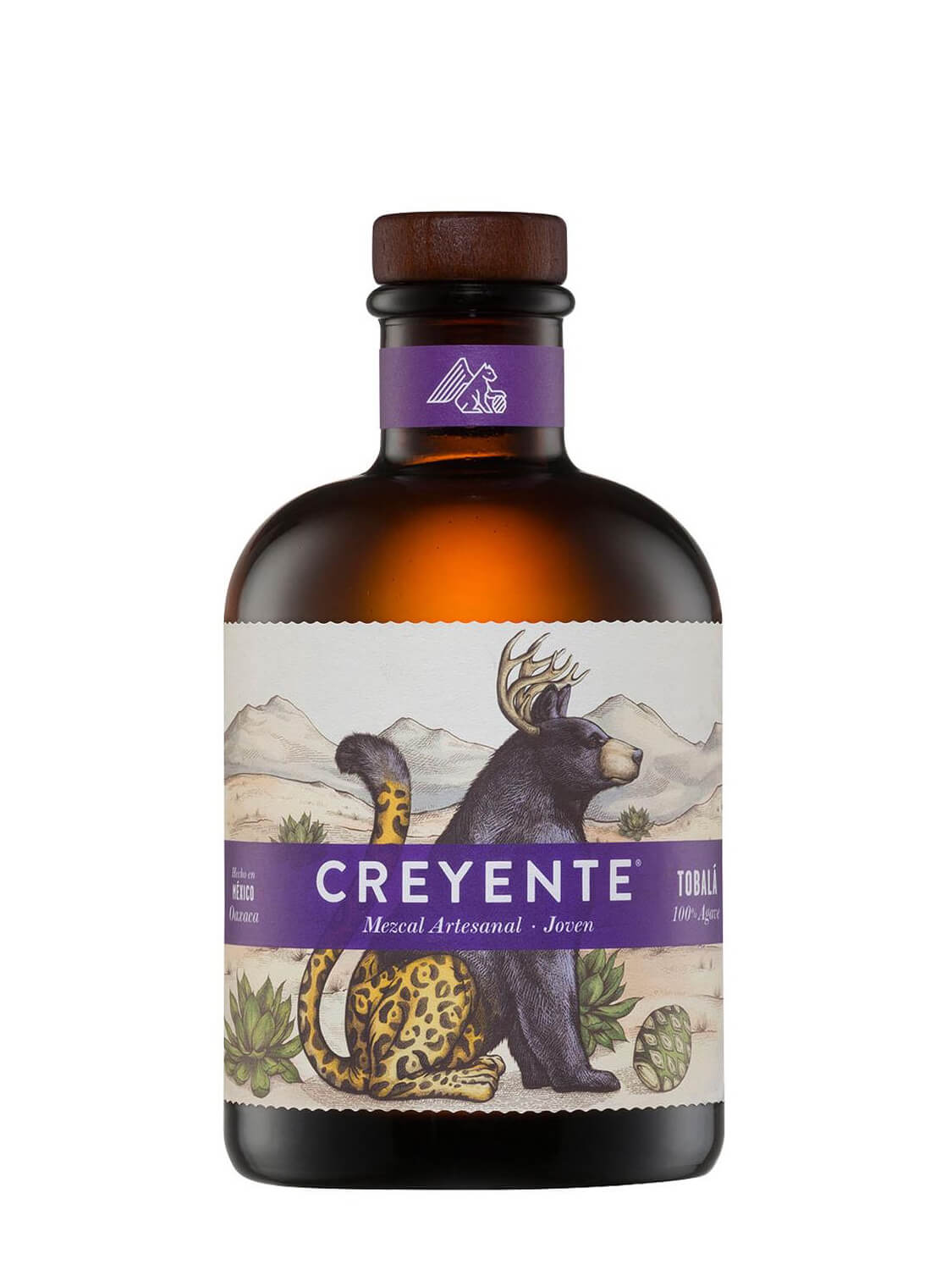
Creyente Mezcal
Creyente Tobala
Potatorum · Oaxaca
3.6(42)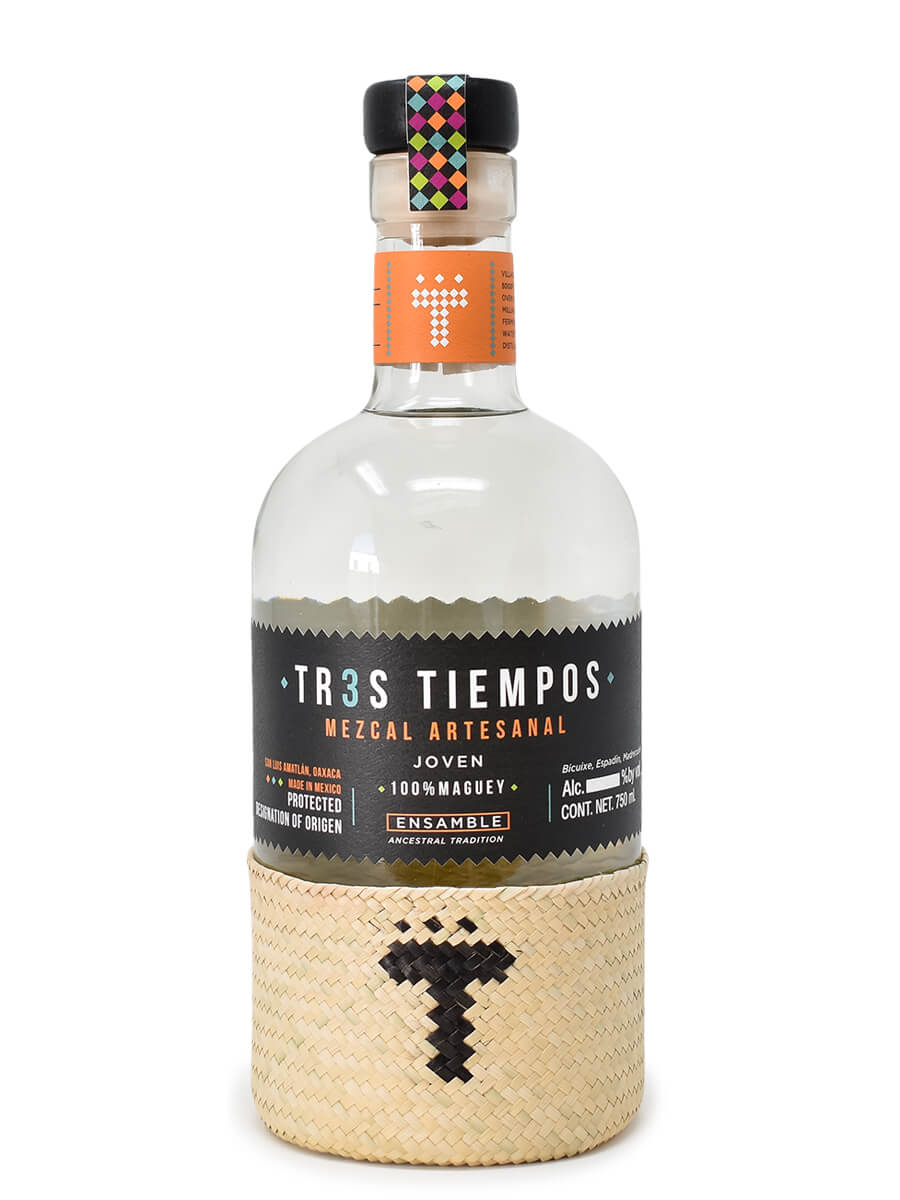
Tr3s Tiempos Mezcal
Tr3s Tiempos Ensamble – Diego Lucas Garcia
Americana · Oaxaca
3.6(42)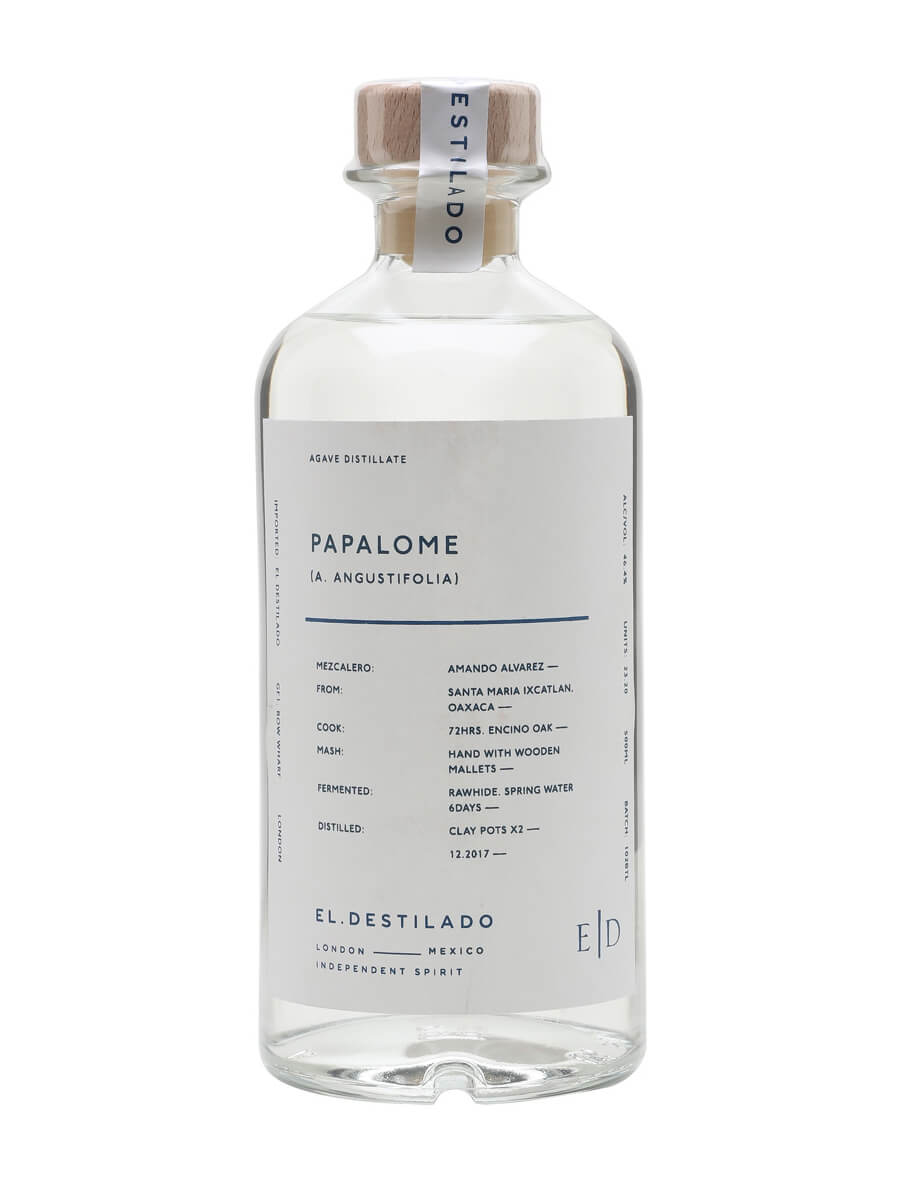
El Destilado
El Destilado Papalome
Potatorum · Oaxaca
3.6(42)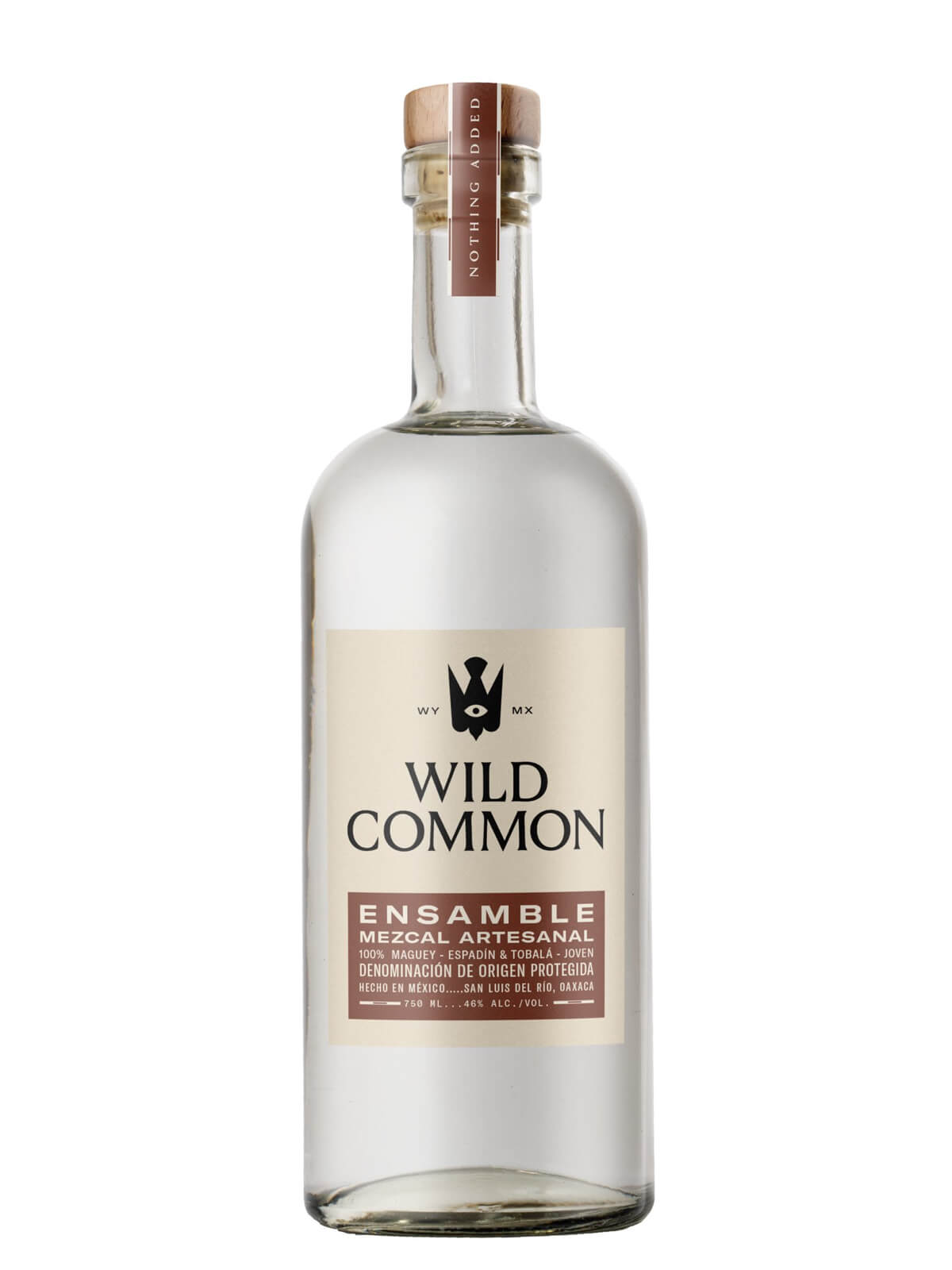
Wild Common
Wild Common Ensamble
Angustifolia · Oaxaca
3.6(42)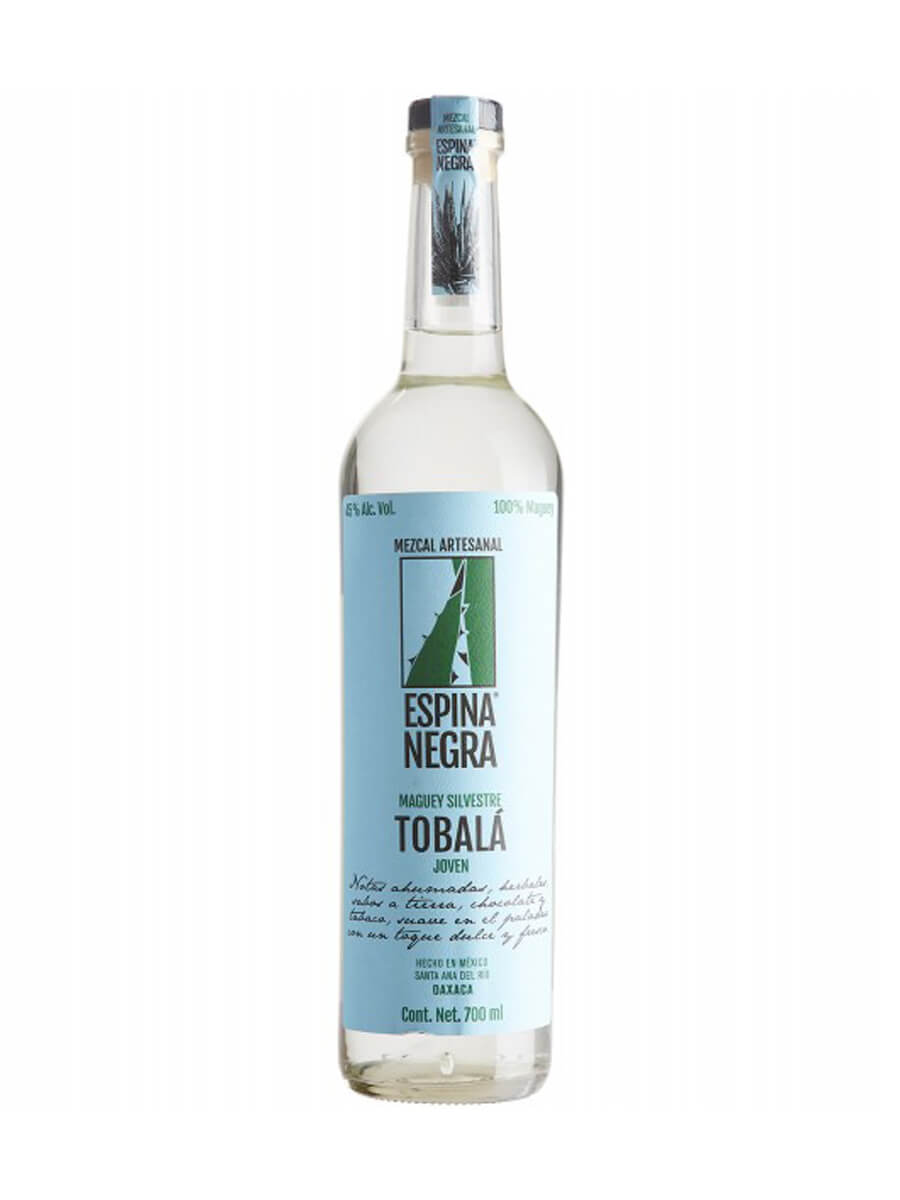
Espina Negra Mezcal
Espina Negra Tobala
Potatorum · Oaxaca
3.6(42)
Don Lorenzo Mezcal
Don Lorenzo Tobala
Potatorum · Oaxaca
3.6(42)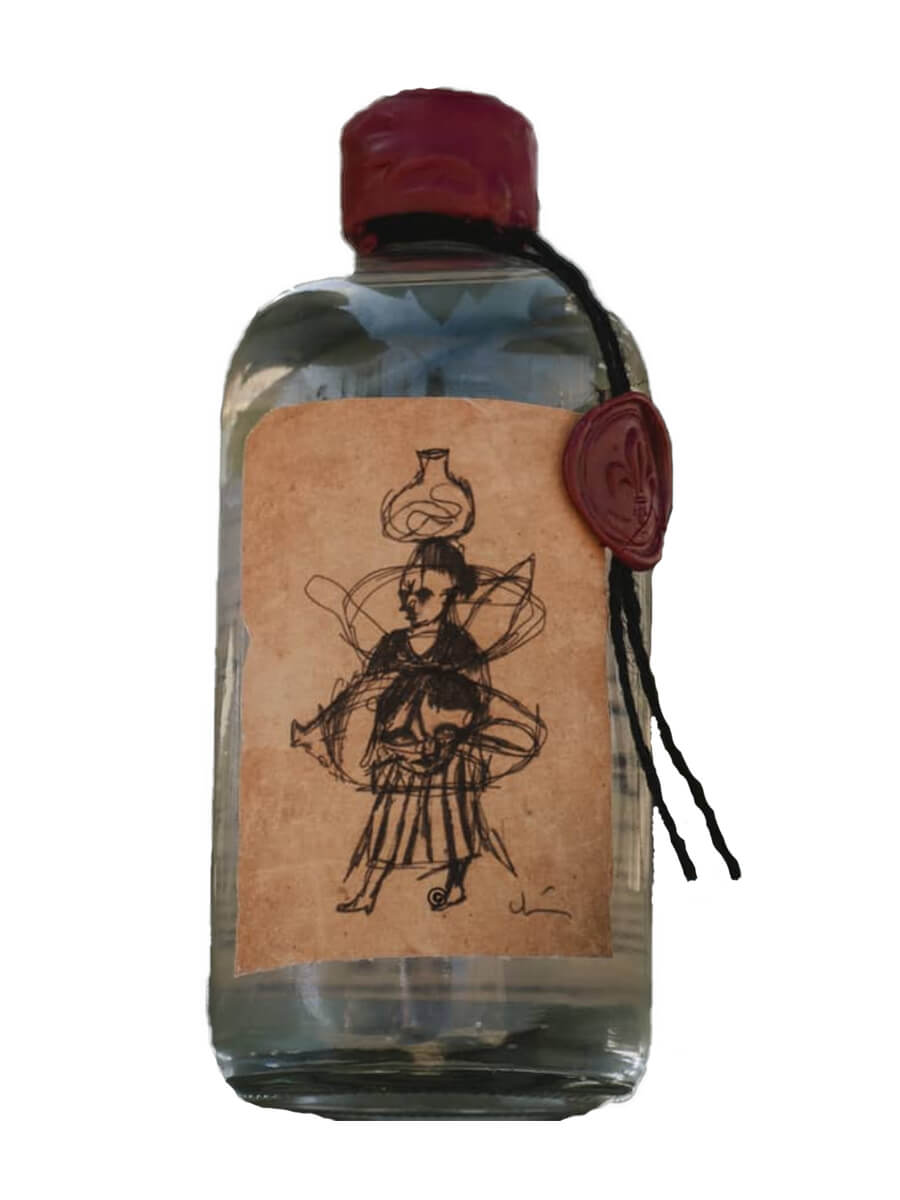
Grand Artesanal Jean-Marc Mezcal
Grand Artesanal Jean-Marc Tobala
Potatorum · Oaxaca
3.6(42)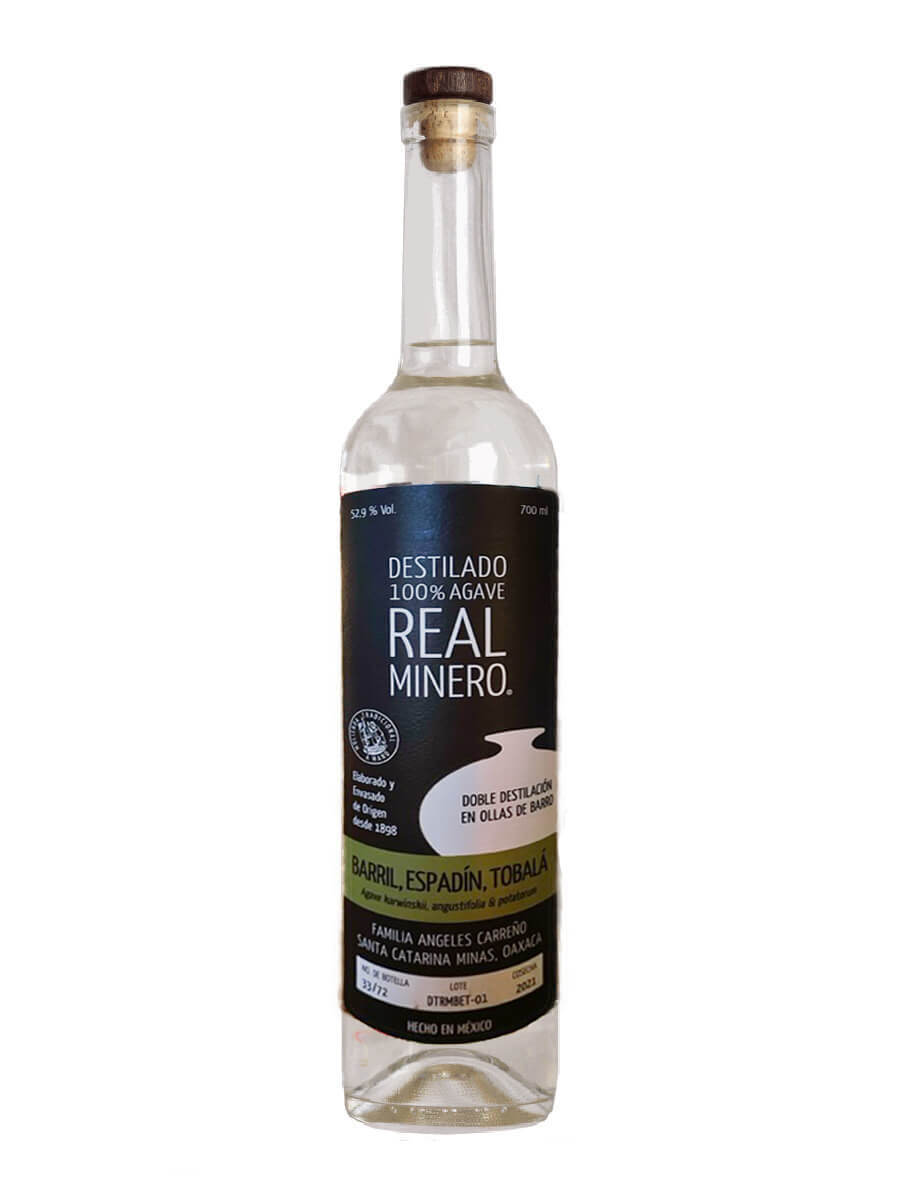
Real Minero
Real Minero Barril, Espadin, Tobala
Angustifolia · Oaxaca
3.6(42)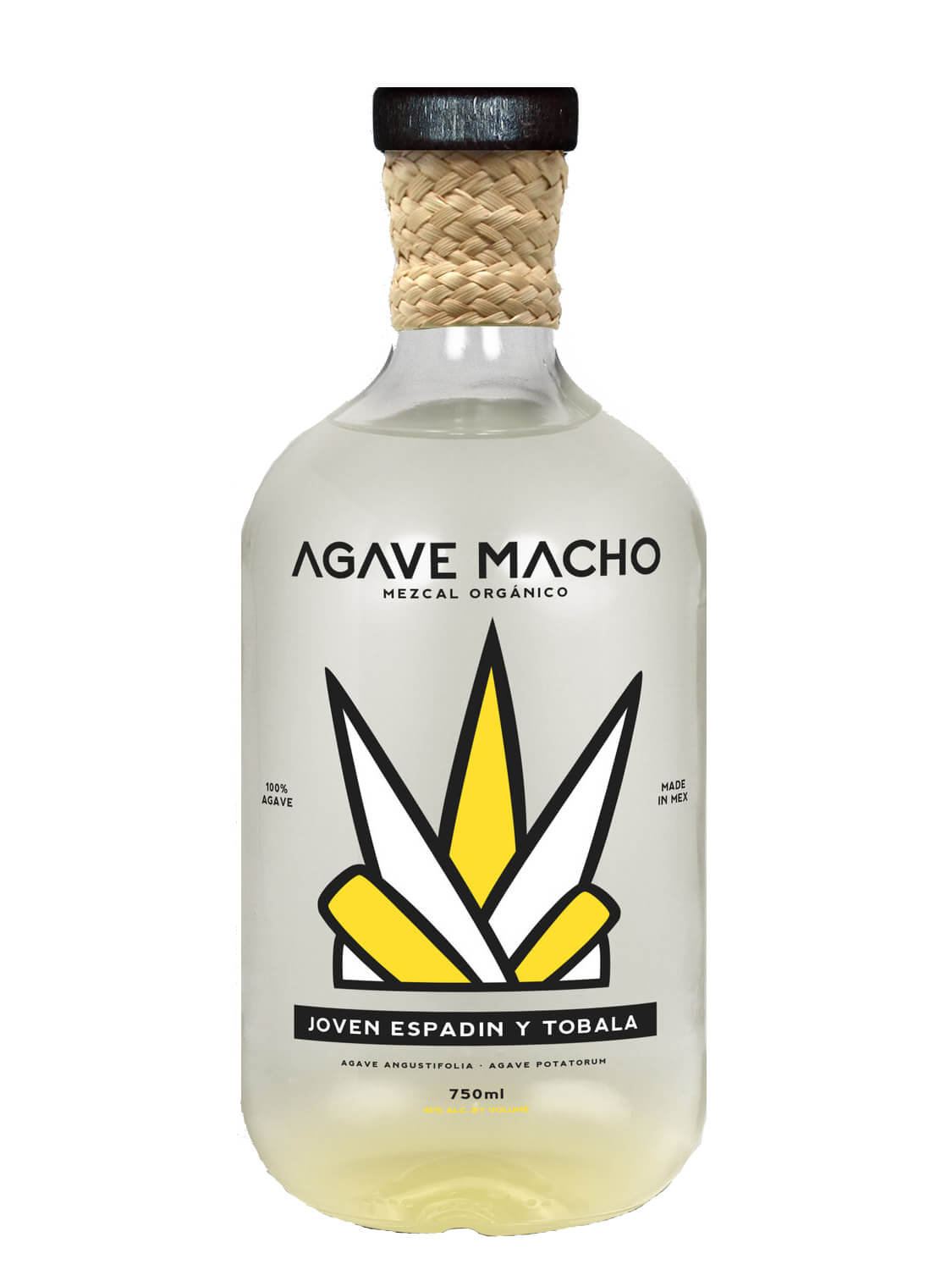
Agave Macho Mezcal
Agave Macho Espadin-Tobala
Angustifolia · Oaxaca
3.6(42)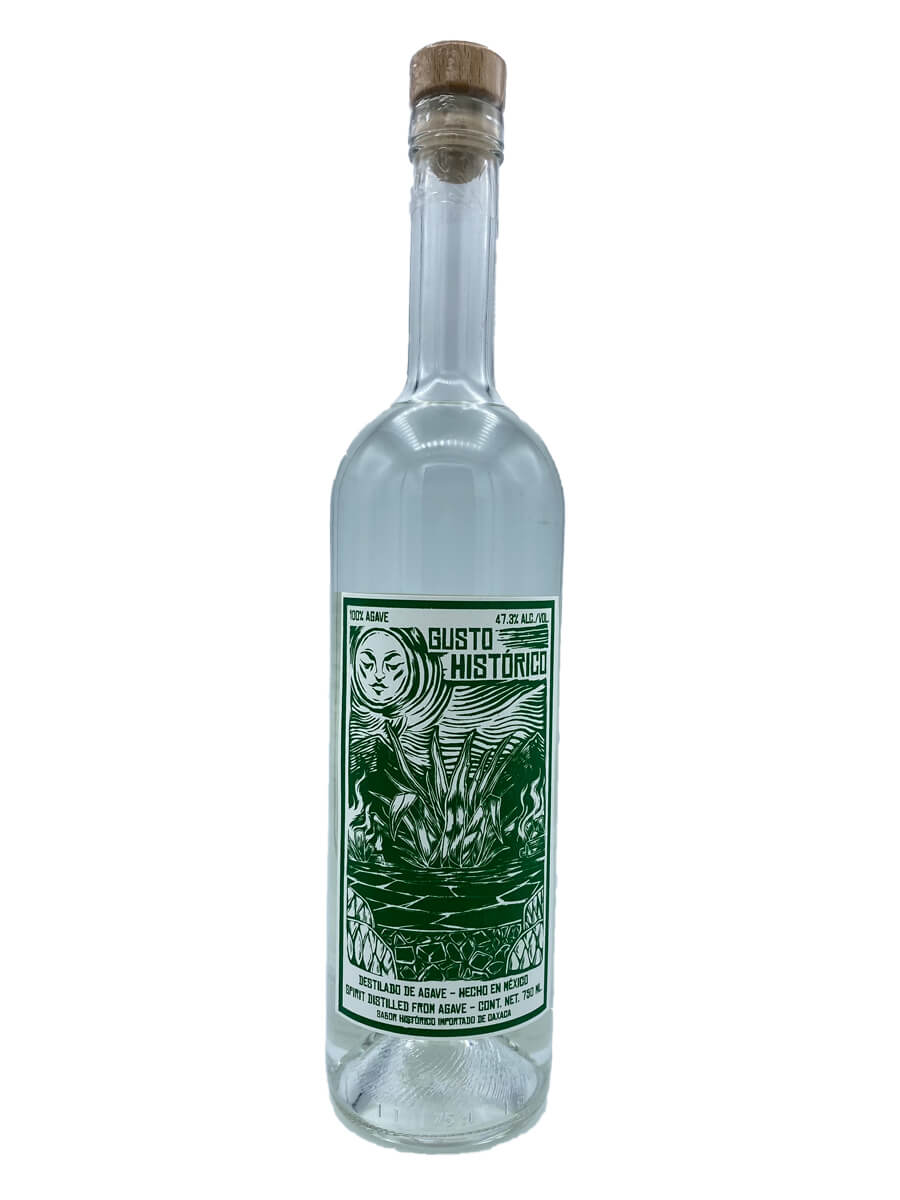
Gusto Histórico
Gusto Historico Tobala – Emanuel Ramos
Potatorum · Oaxaca
3.6(42)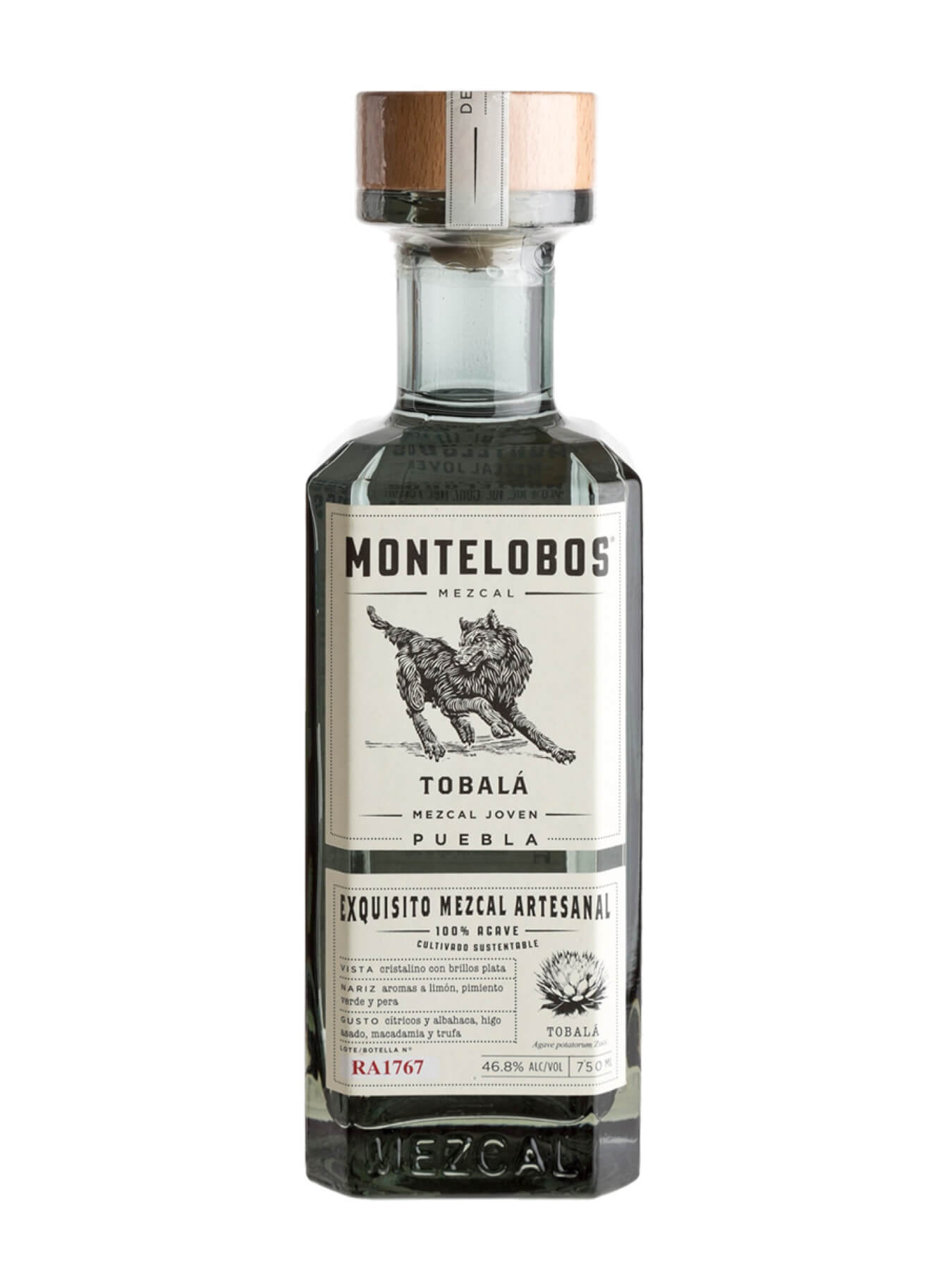
Montelobos Mezcal
Montelobos Tobala
Potatorum · Puebla
3.6(42)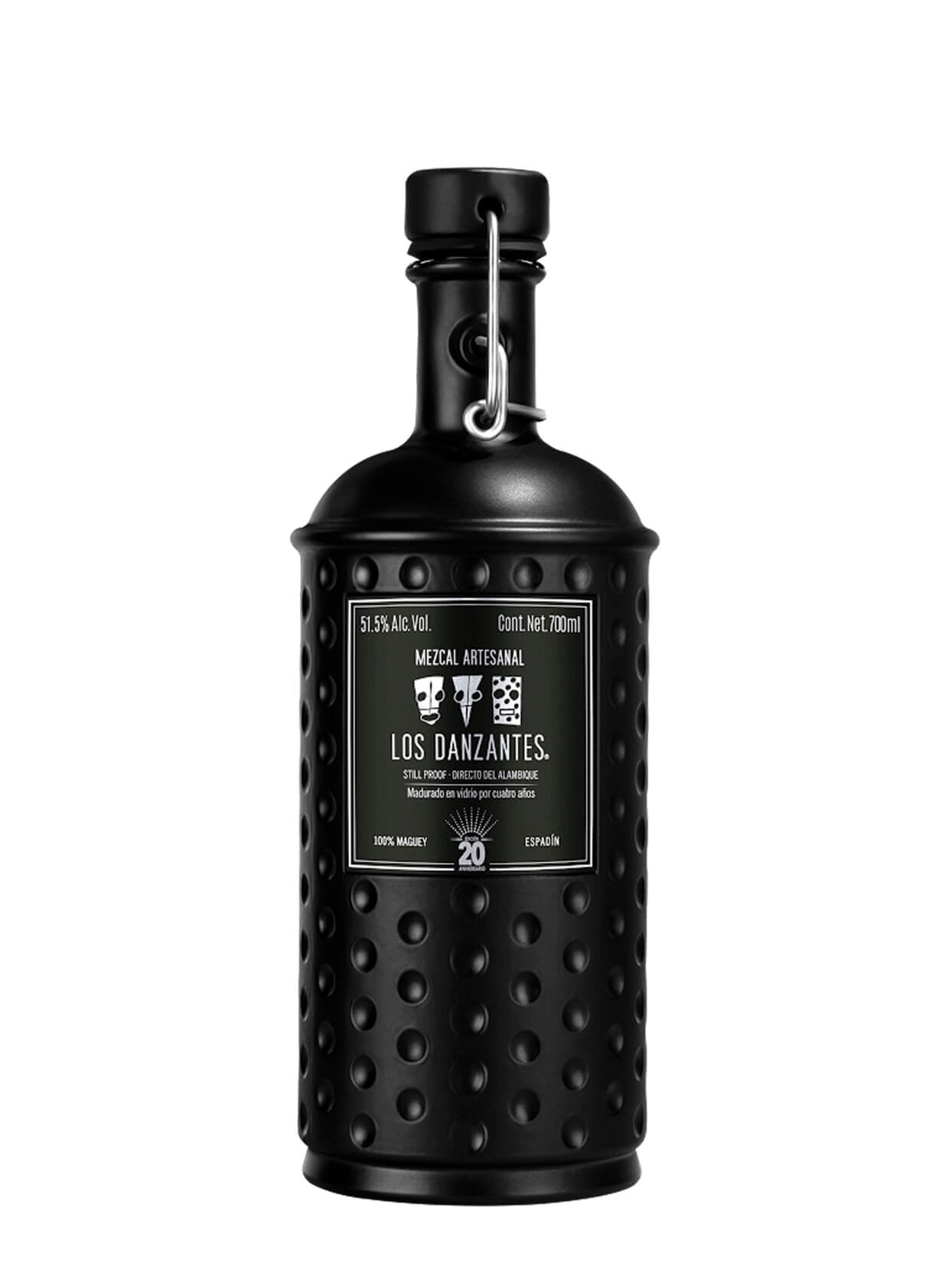
Los Nahuales Mezcal
Los Nahuales “Still Proof” Tobala
Potatorum · Oaxaca
3.6(42)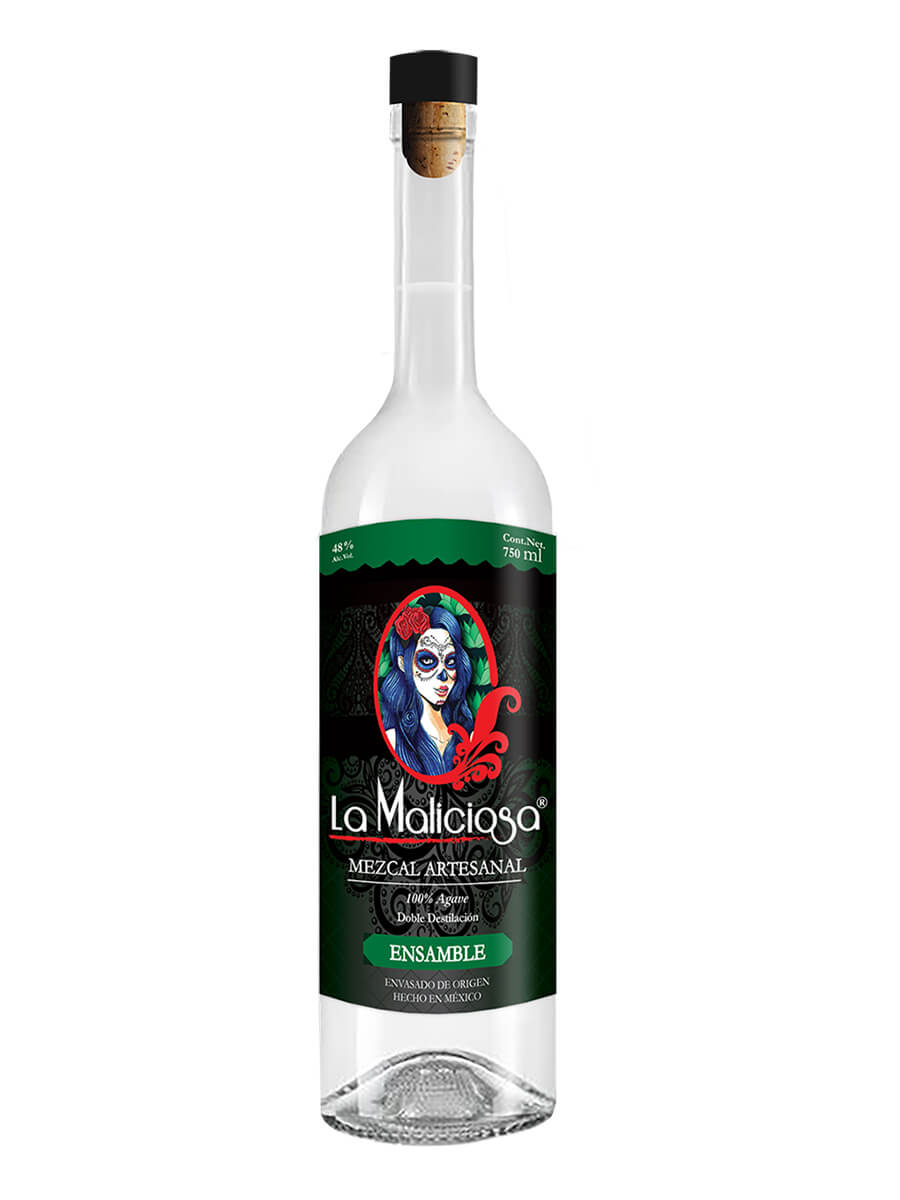
La Maliciosa Mezcal
La Maliciosa Ensamble
Americana · Oaxaca
3.6(42)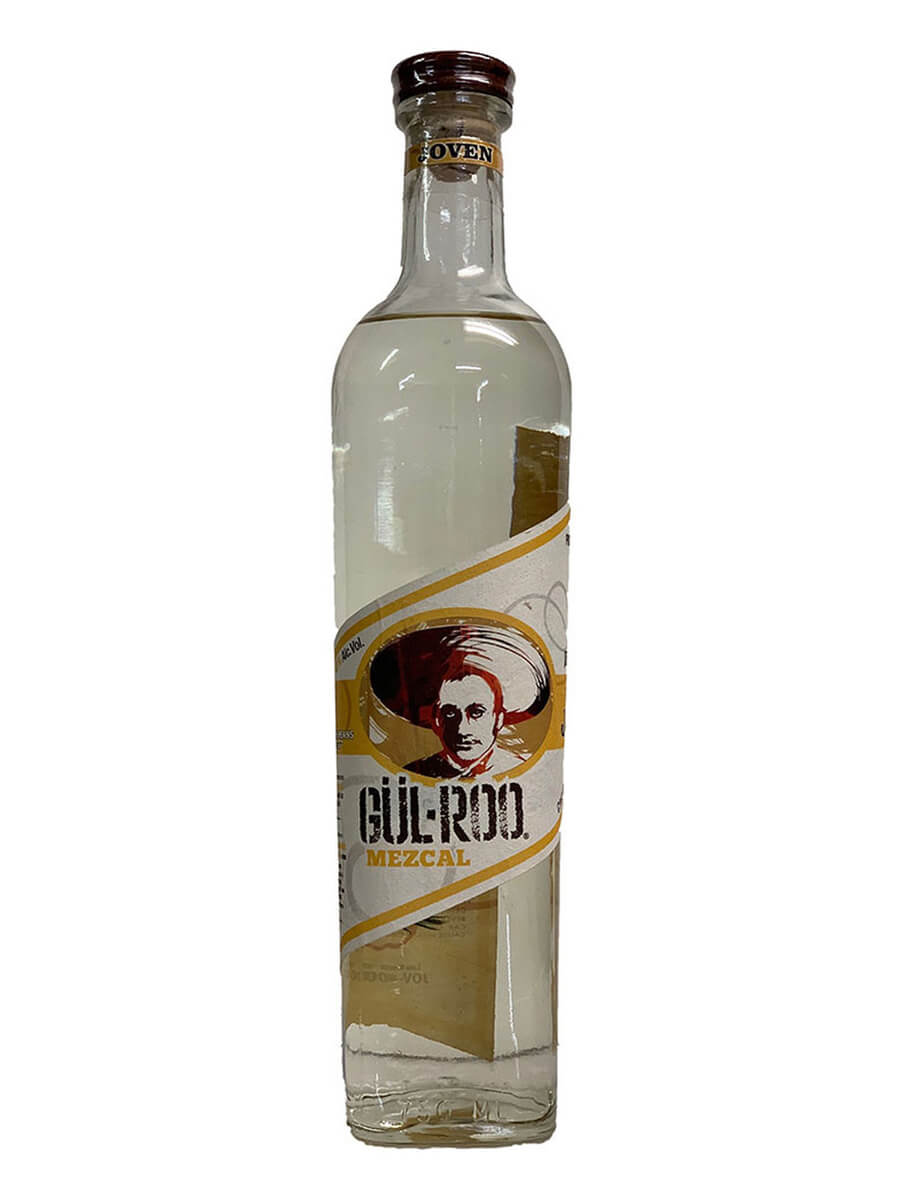
Gul-Roo Mezcal
Gul-Roo Tobala
Potatorum · Oaxaca
3.6(42)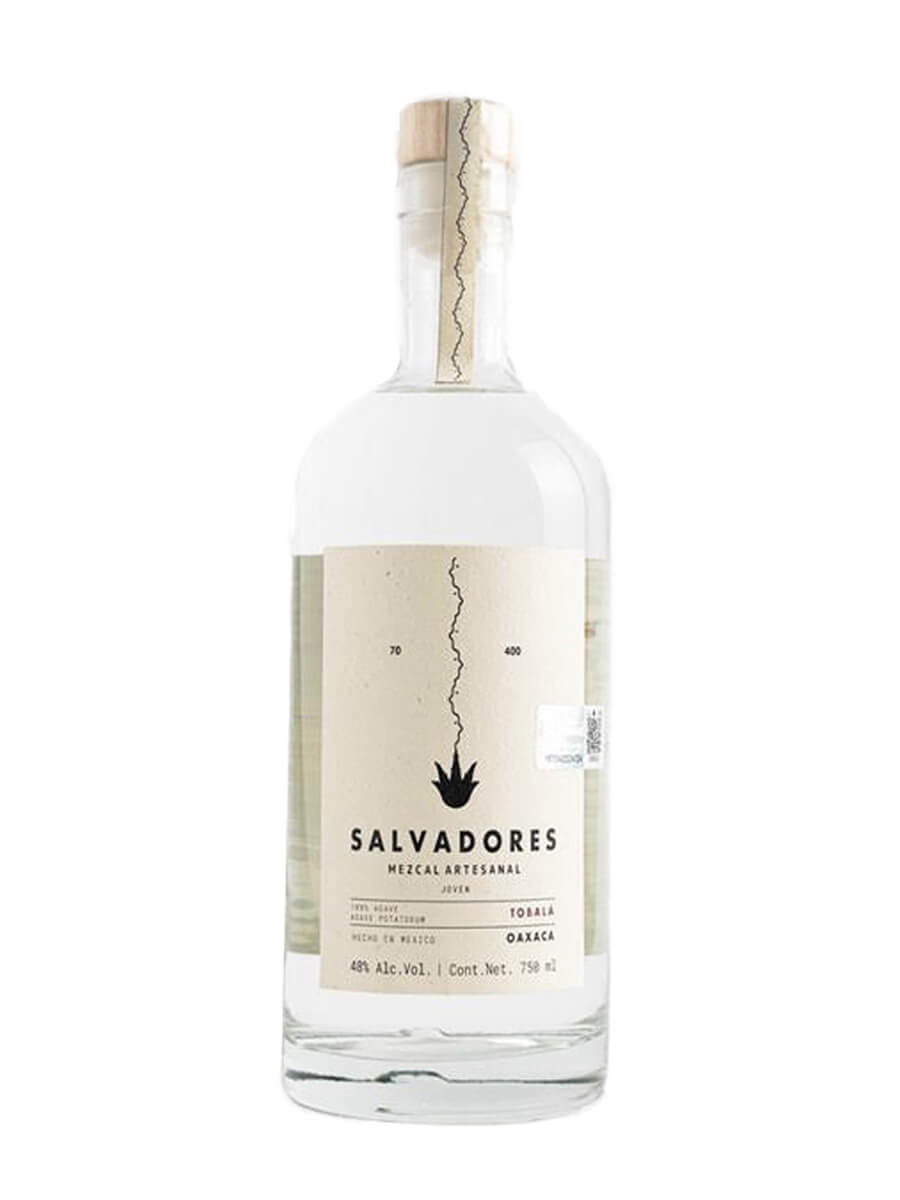
Salvadores Mezcal
Salvadores Tobala
Potatorum · Oaxaca
3.6(42)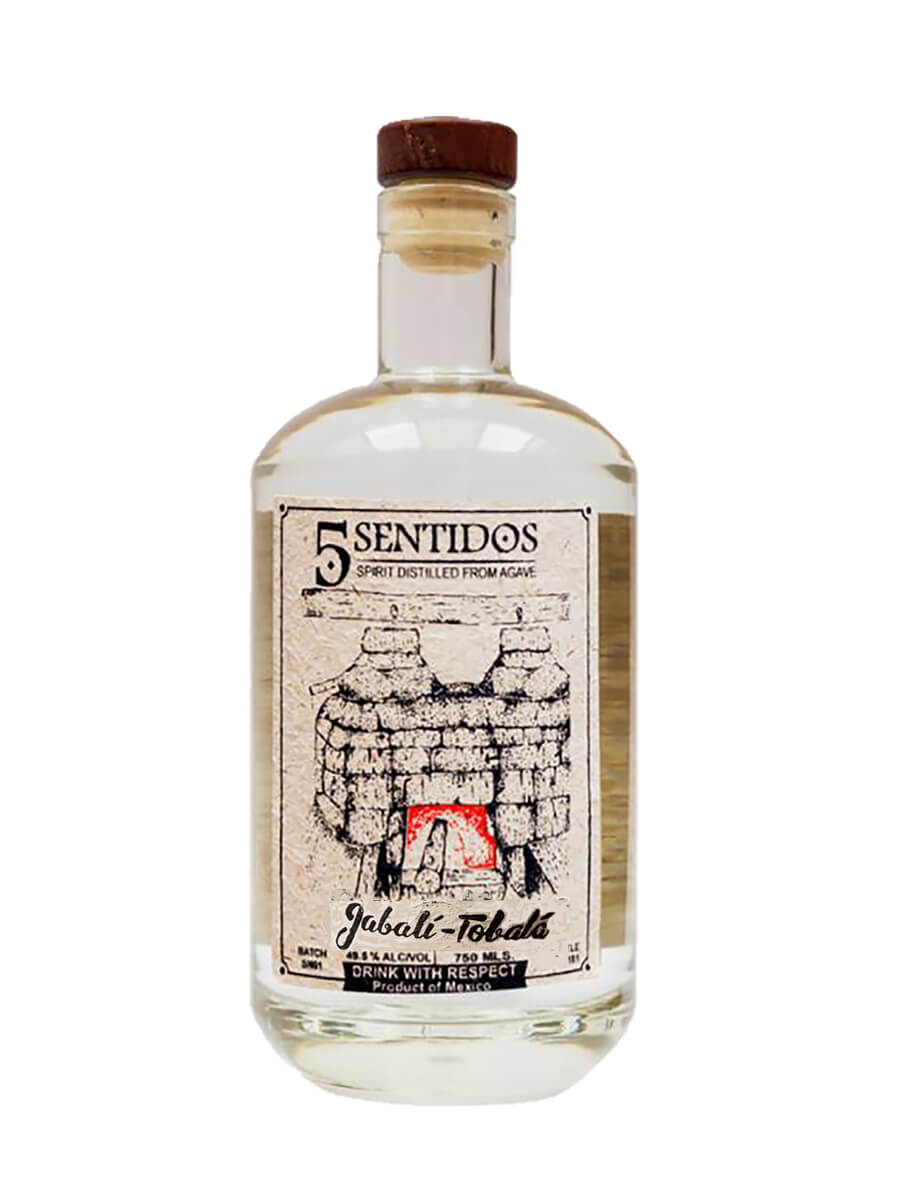
5 Sentidos
5 Sentidos Jabali-Tobala – Alberto Martinez
Convallis
3.6(42)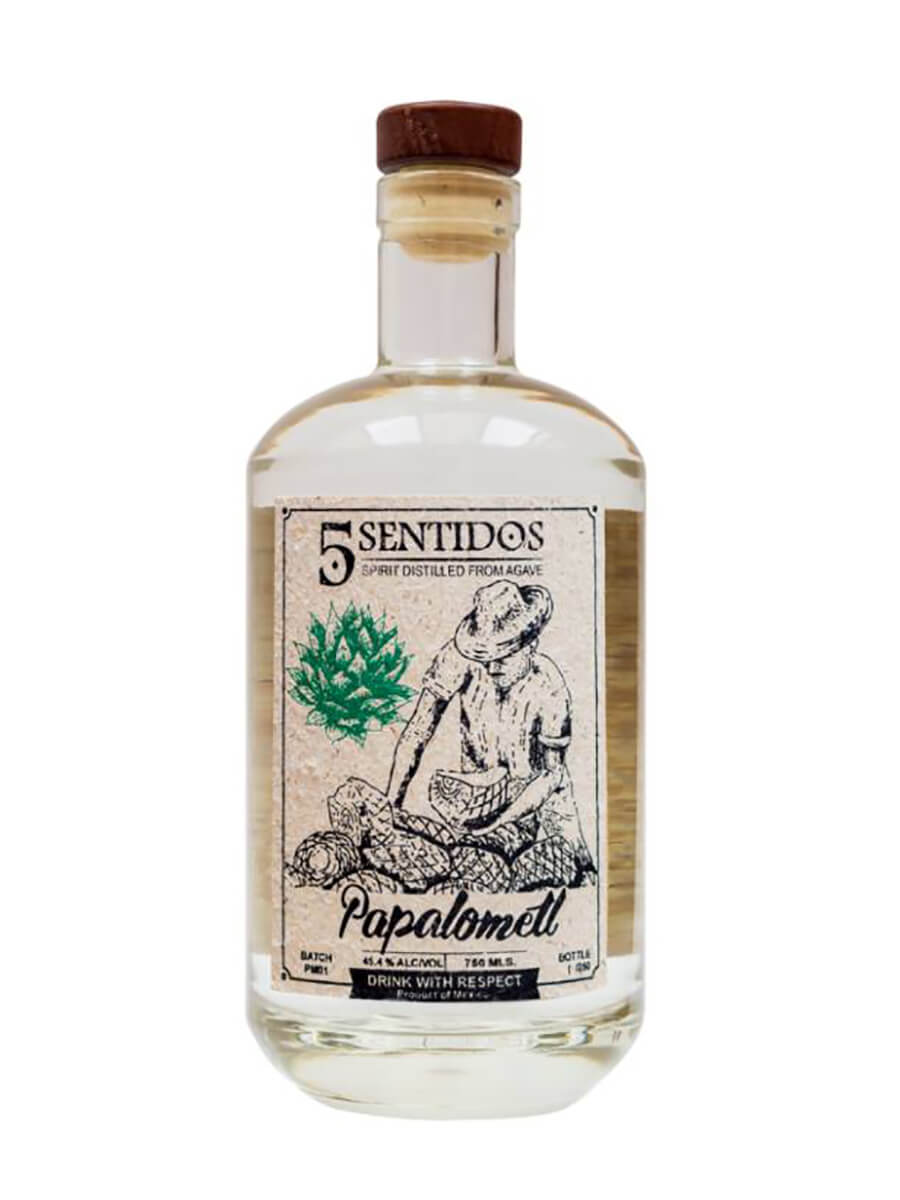
5 Sentidos
5 Sentidos Papalometl
Potatorum · Oaxaca
3.6(42)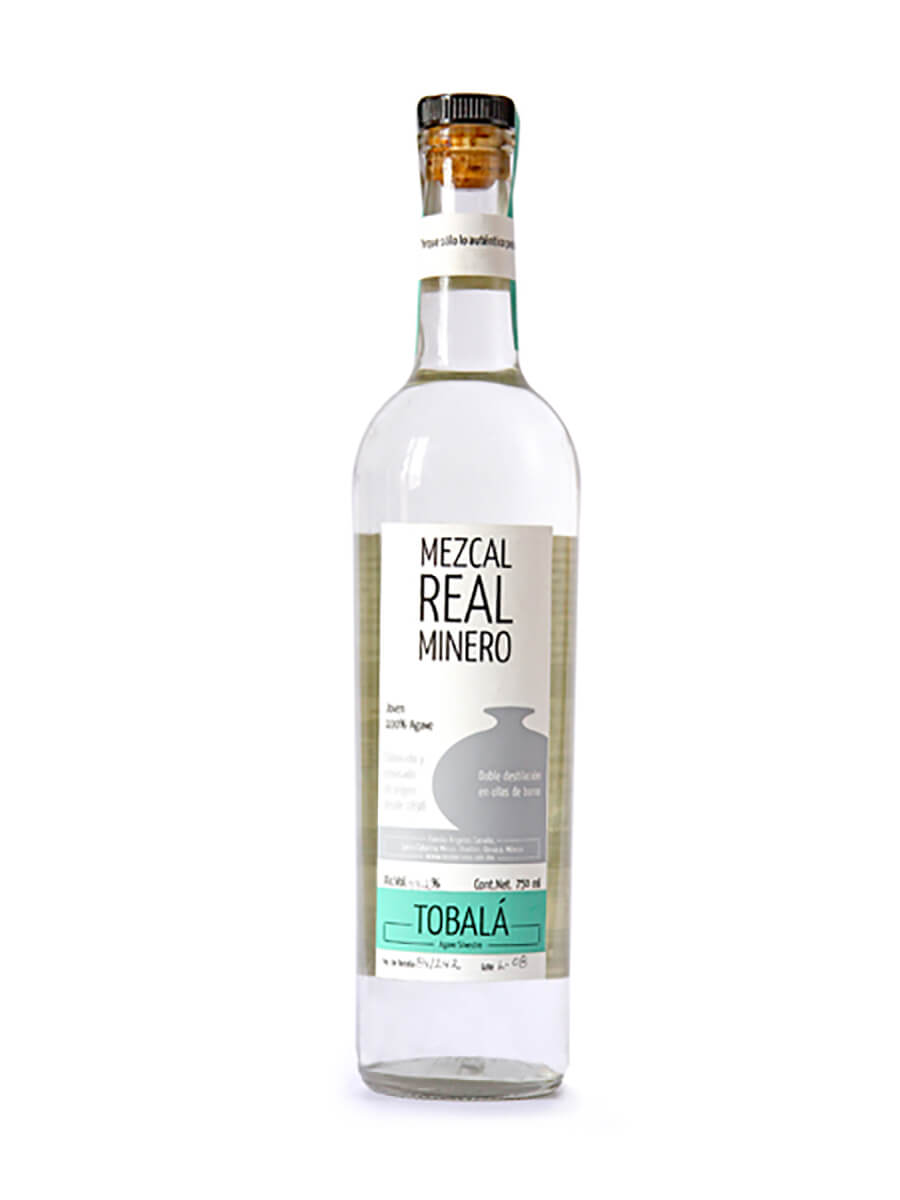
Real Minero
Real Minero Tobala
Potatorum · Oaxaca
3.6(42)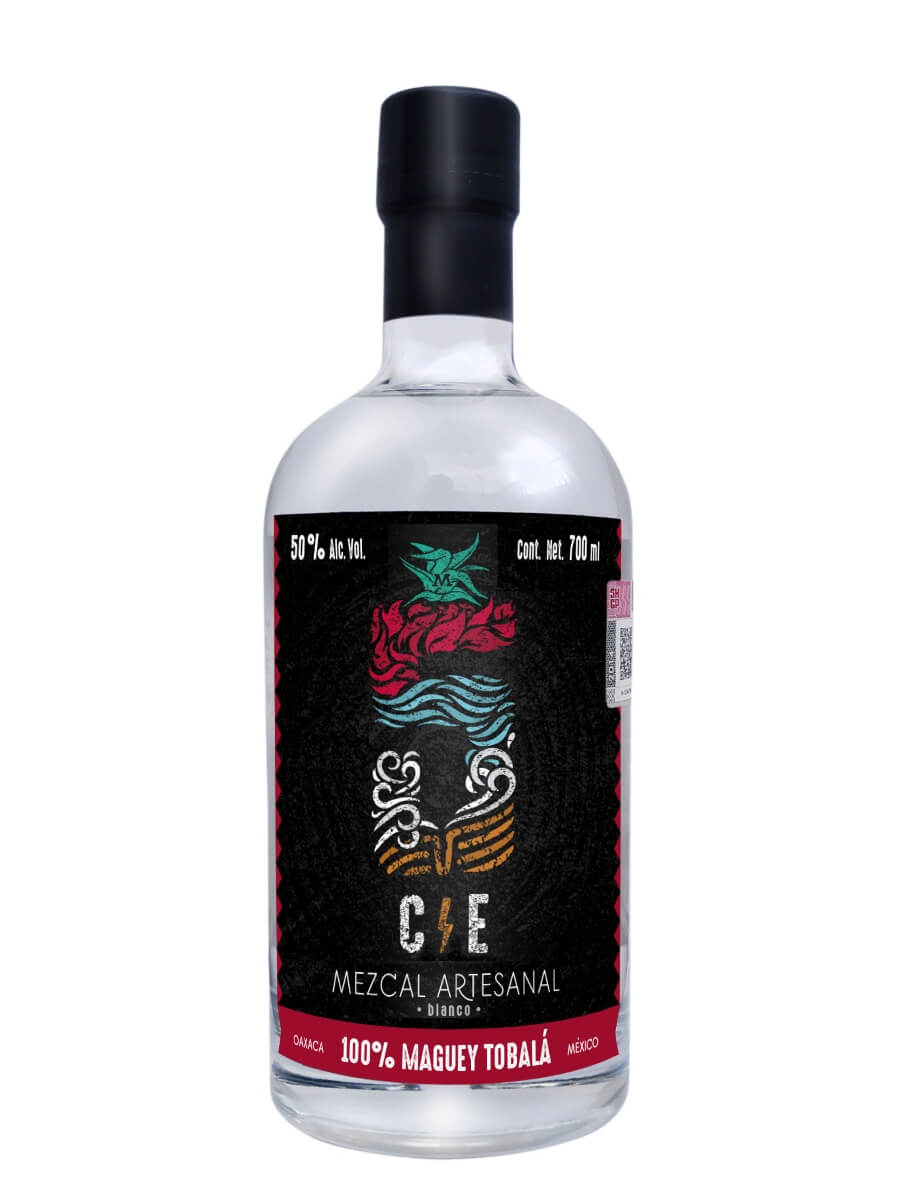
Cinco Elementos Mezcal (M5CE)
Cinco Elementos Tobala
Potatorum · Oaxaca
3.6(42)
5 Sentidos
5 Sentidos Tobala-Sierra Negra-Jabali – Alberto Martinez
Americana · Oaxaca
3.6(42)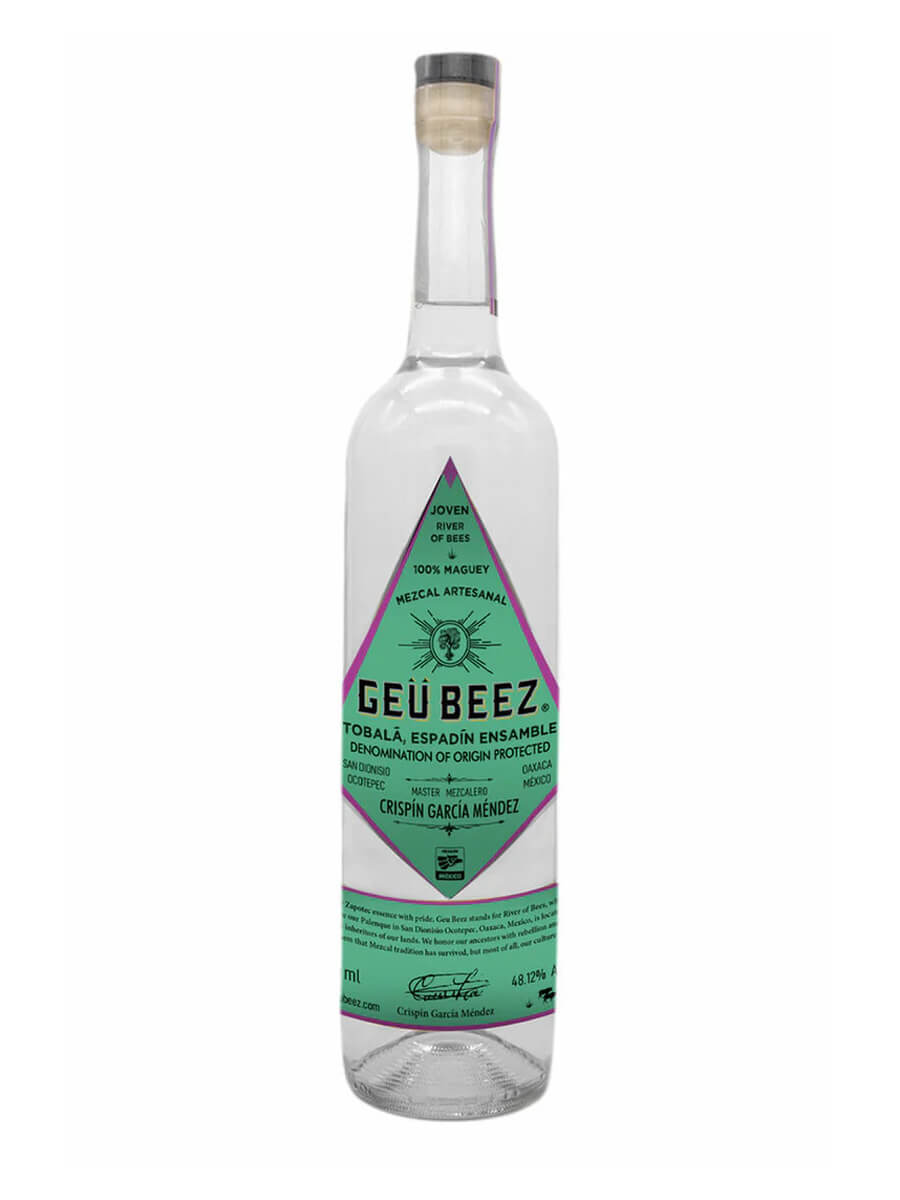
Geü Beez Mezcal
Geü Beez Tobala-Espadin
Angustifolia · Oaxaca
3.6(42)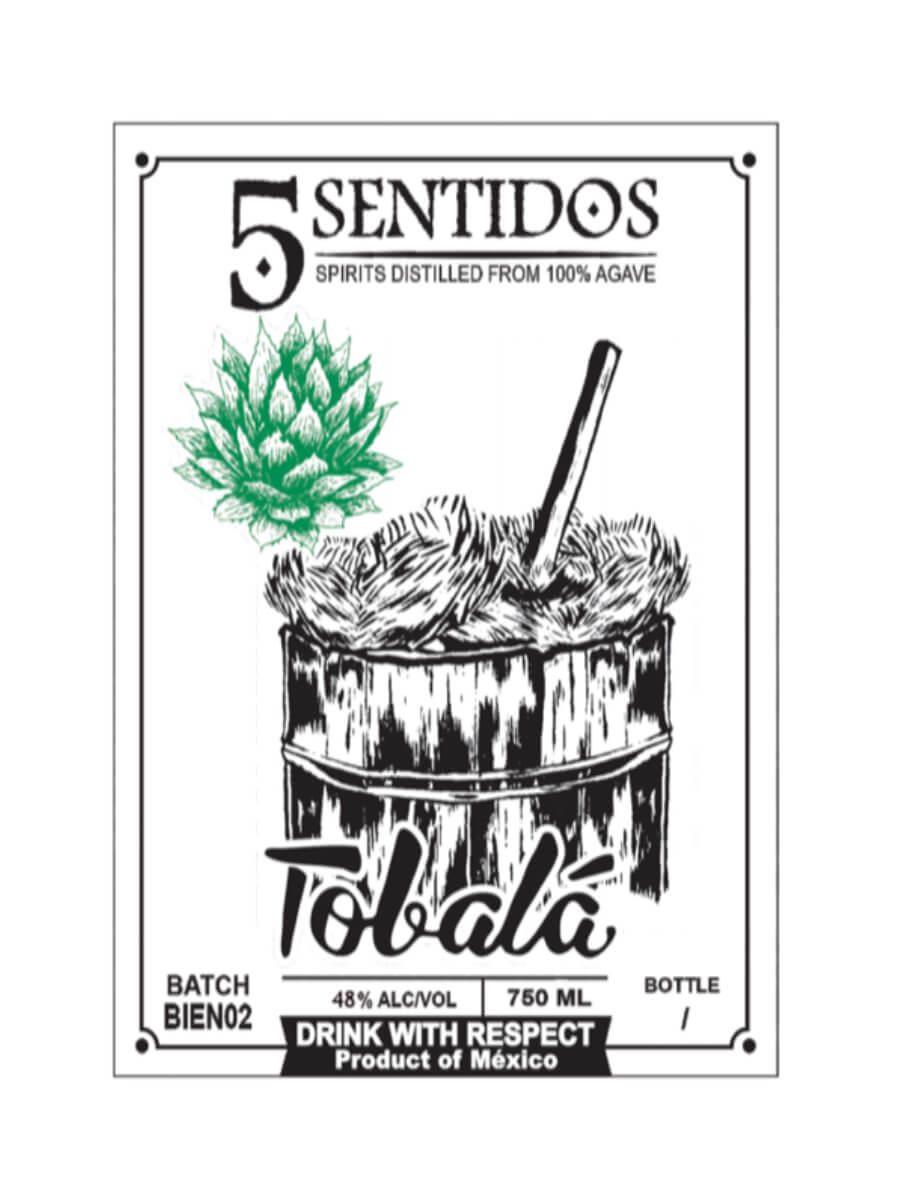
5 Sentidos
5 Sentidos Tobala – Atenogenes Garcia
Potatorum · Oaxaca
3.6(42)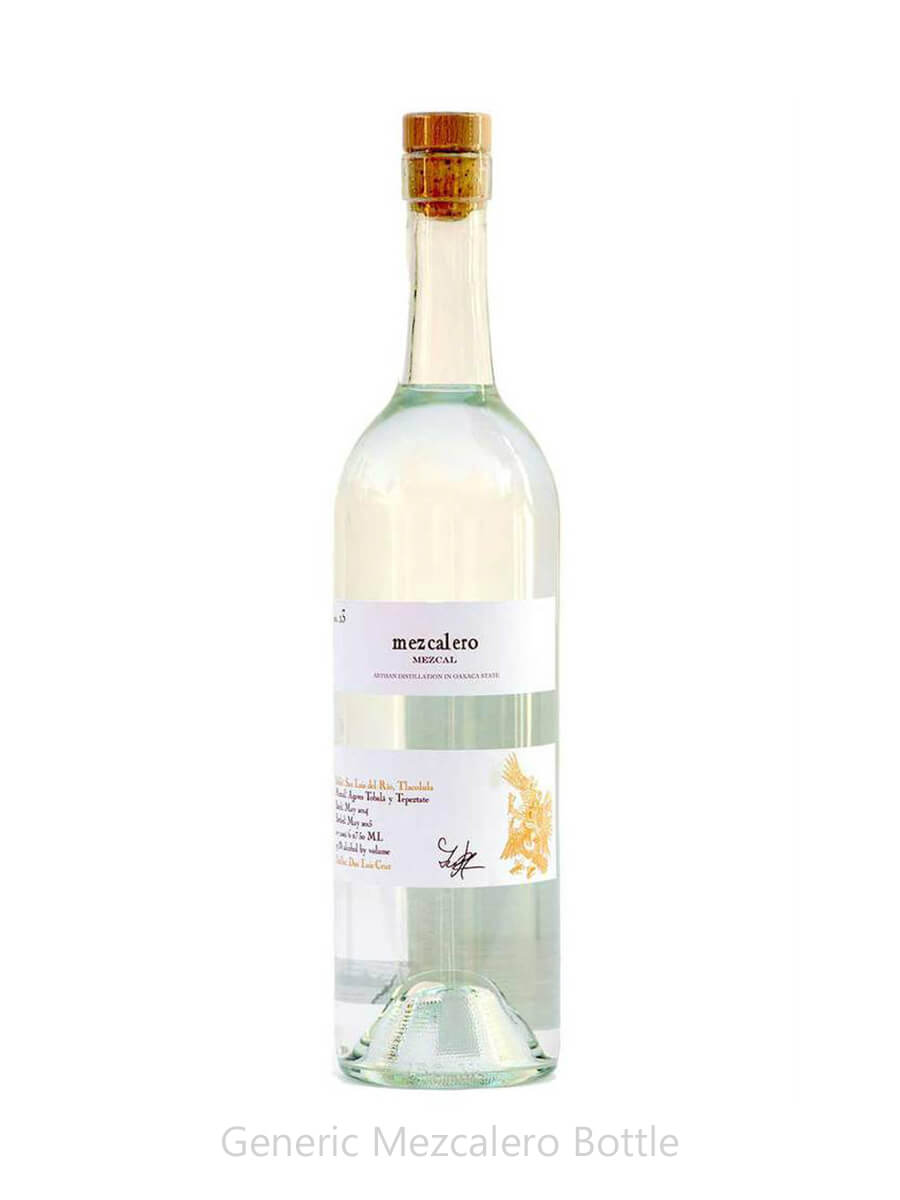
Mezcalero Mezcal
Mezcalero No. 1
Marmorata · Oaxaca
3.6(42)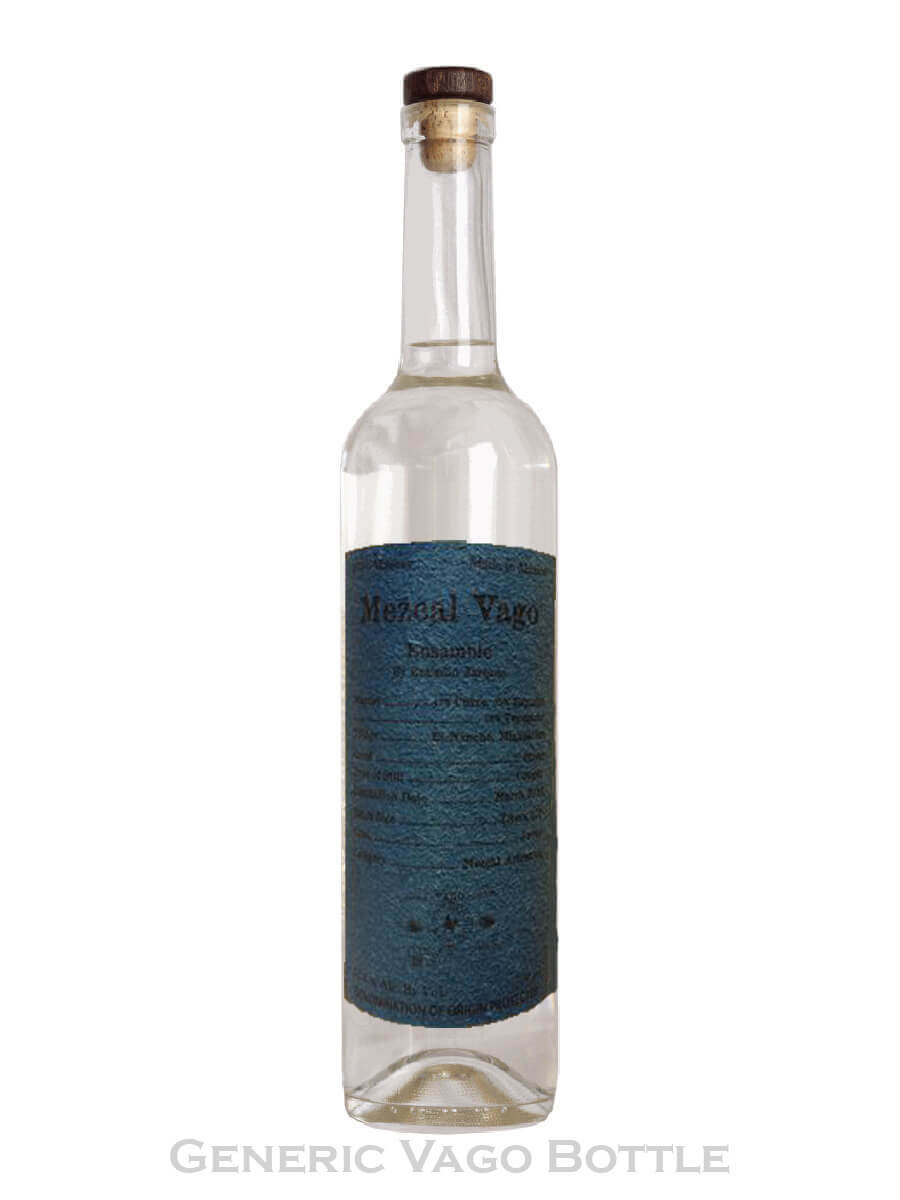
Vago Mezcal
Vago Ensamble – Emigdio Jarquin Ramirez
Angustifolia · Oaxaca
3.6(42)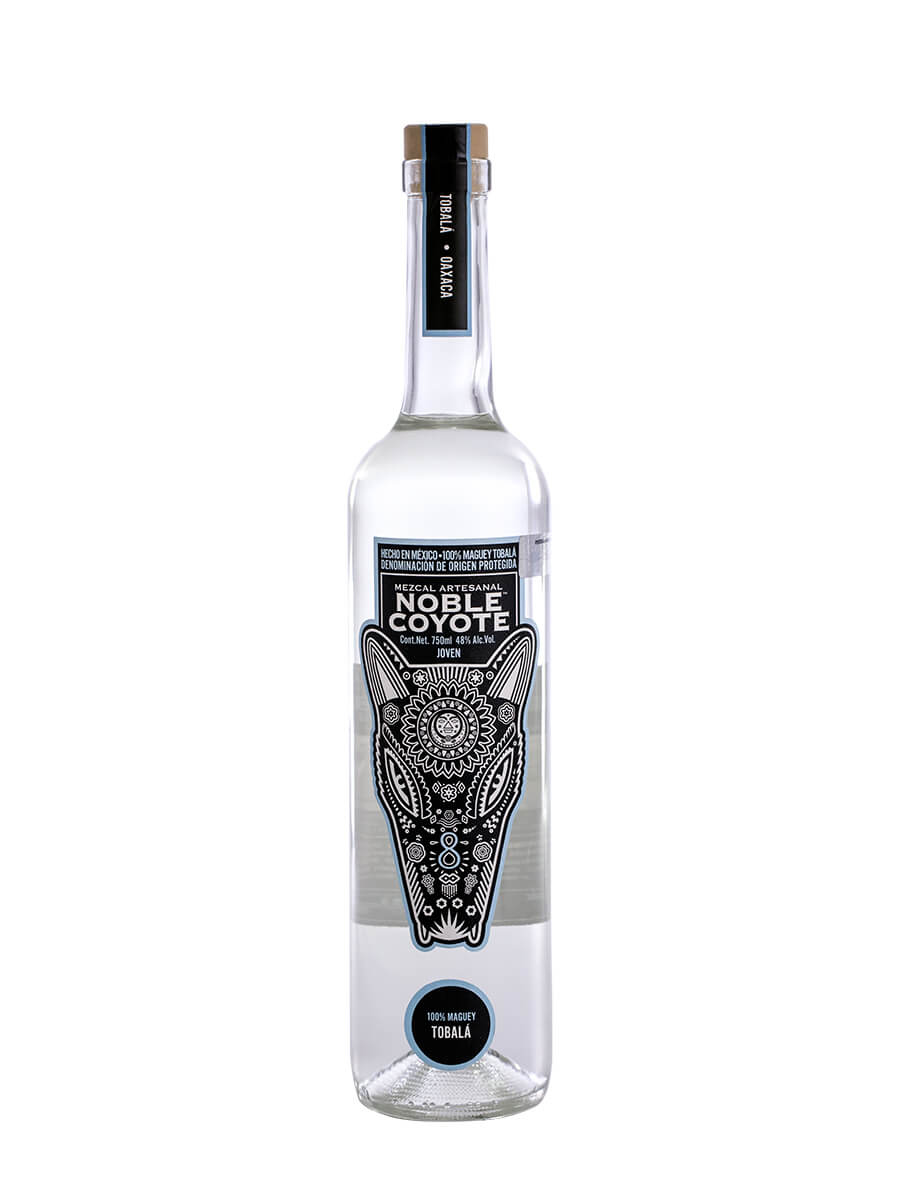
Noble Coyote Mezcal
Noble Coyote Tobala
Potatorum · Oaxaca
3.6(42)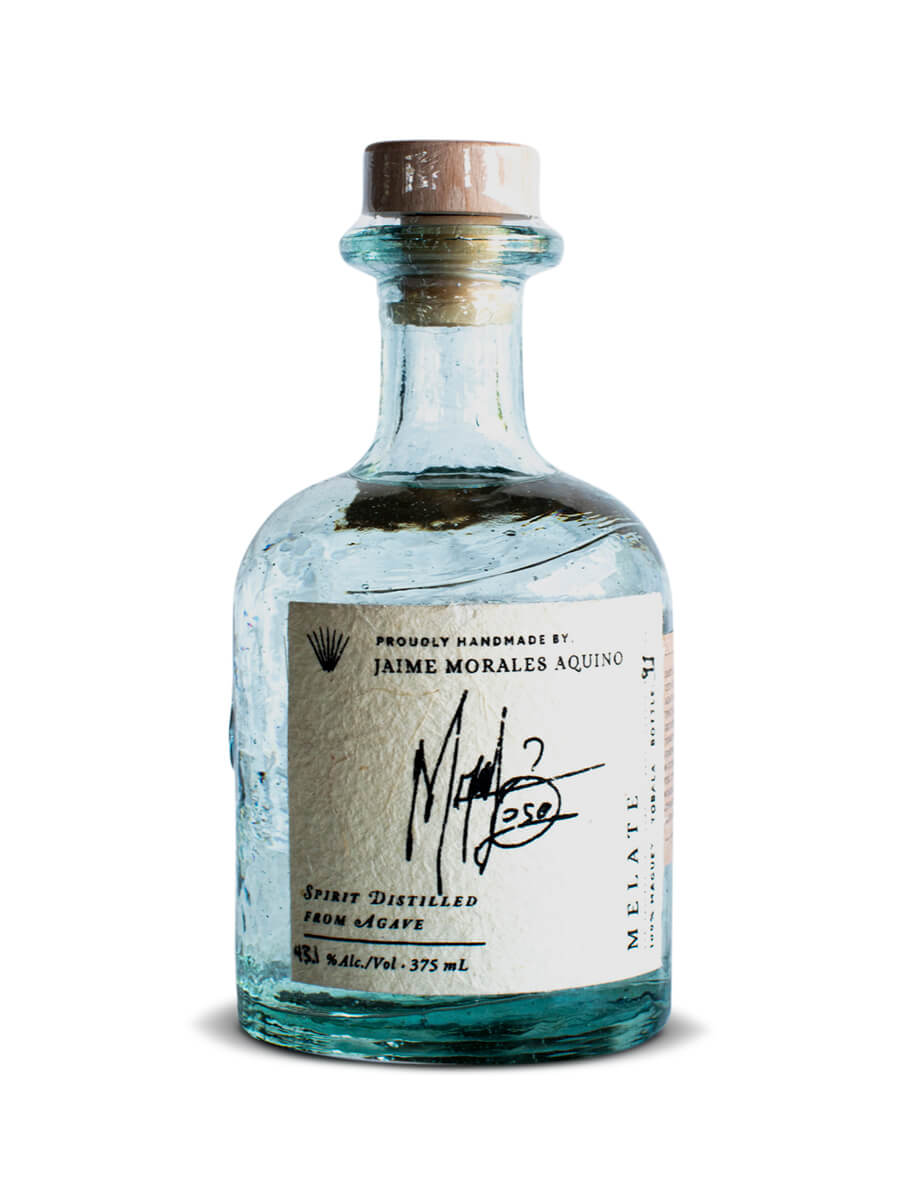
Maguey Melate
Maguey Melate Tobala – Jaime Moreles Aquino
Potatorum · Oaxaca
3.6(42)
Firme Mezcal
Firme Espadin/Tobala Ensamble
Angustifolia · Oaxaca
3.6(42)
Cruz de Fuego Mezcal
Cruz de Fuego Tobala
Potatorum · Oaxaca
3.6(42)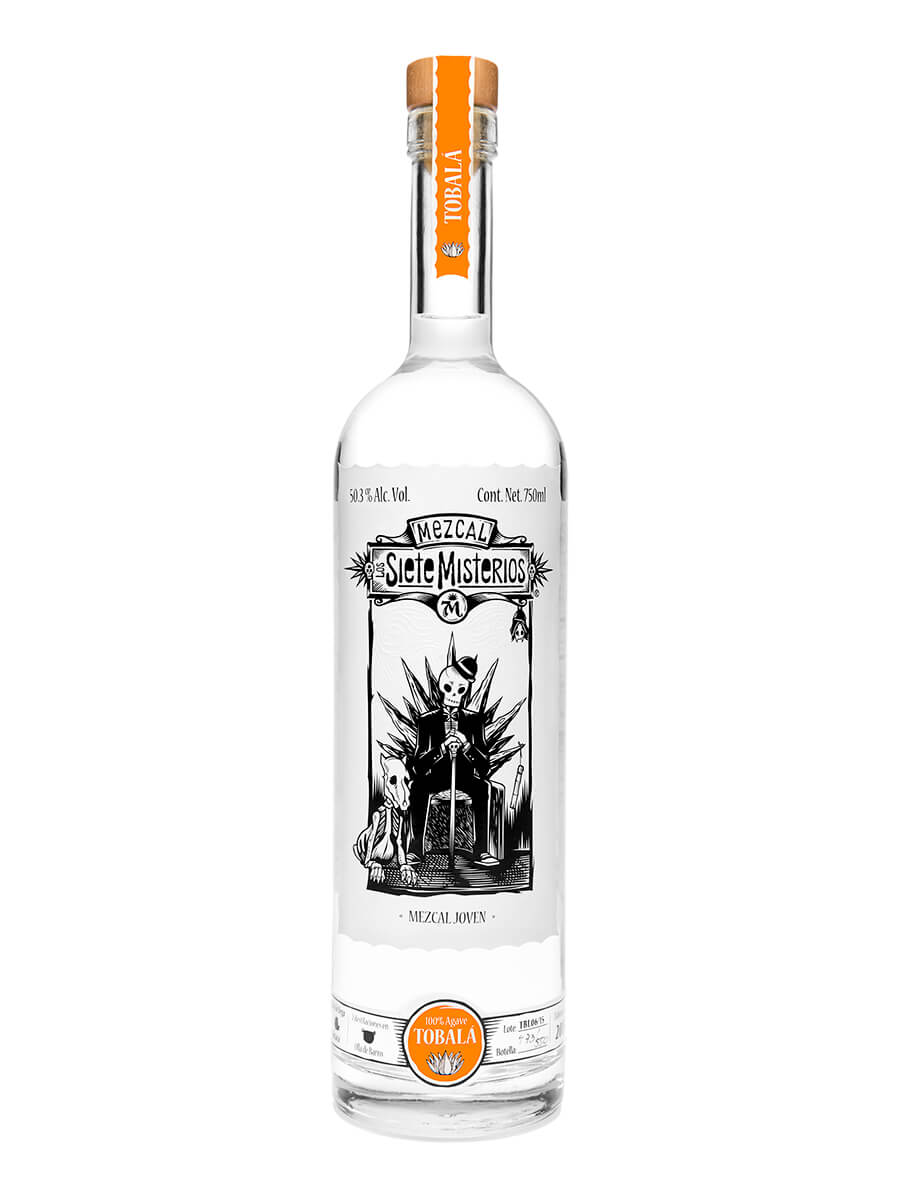
Siete Misterios Mezcal
Siete Misterios Tobala
Potatorum · Oaxaca
3.6(42)
Firme Mezcal
Firme Ensamble de 6
Americana · Oaxaca
3.6(42)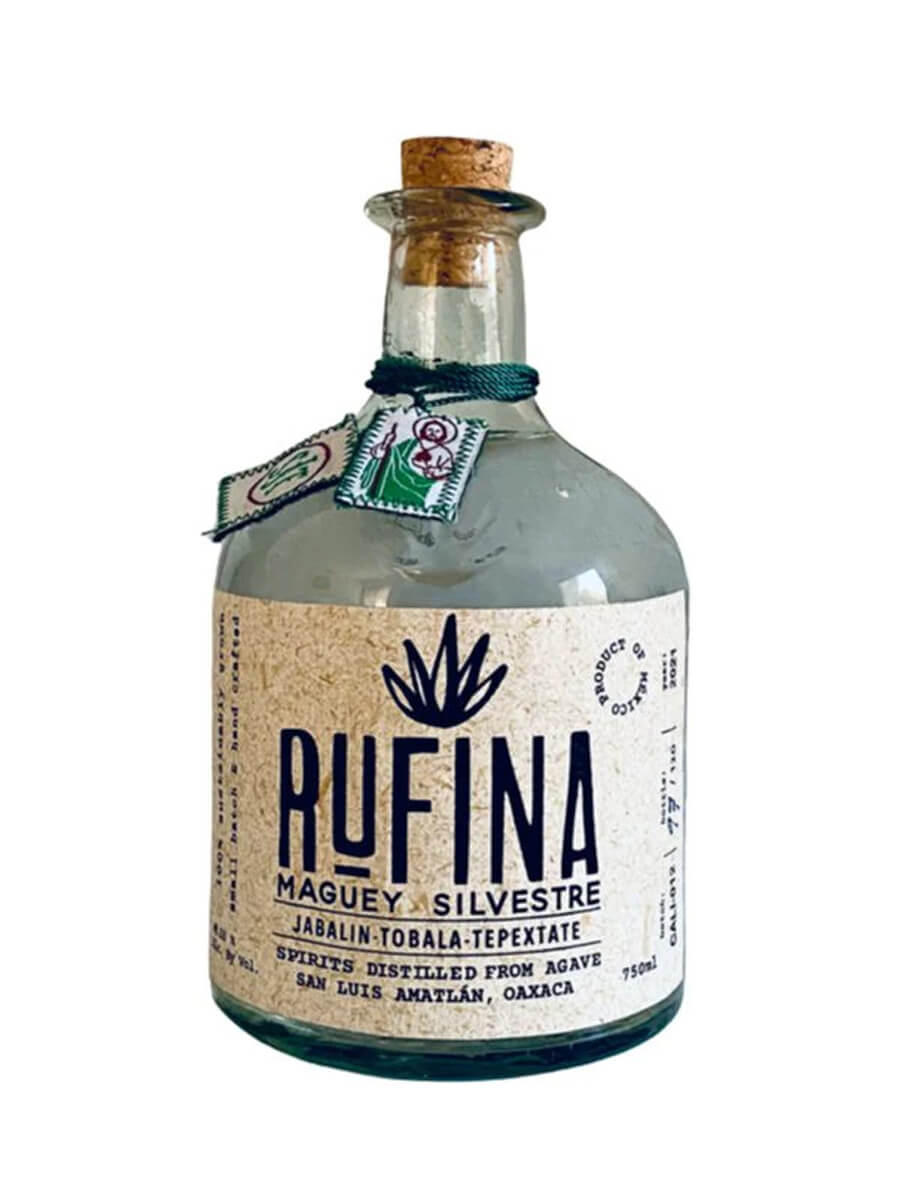
Rufina Mezcal
Rufina Jabalín, Tobala, Tepextate – Guillermo Sanchez Lucas
Convallis · Oaxaca
3.6(42)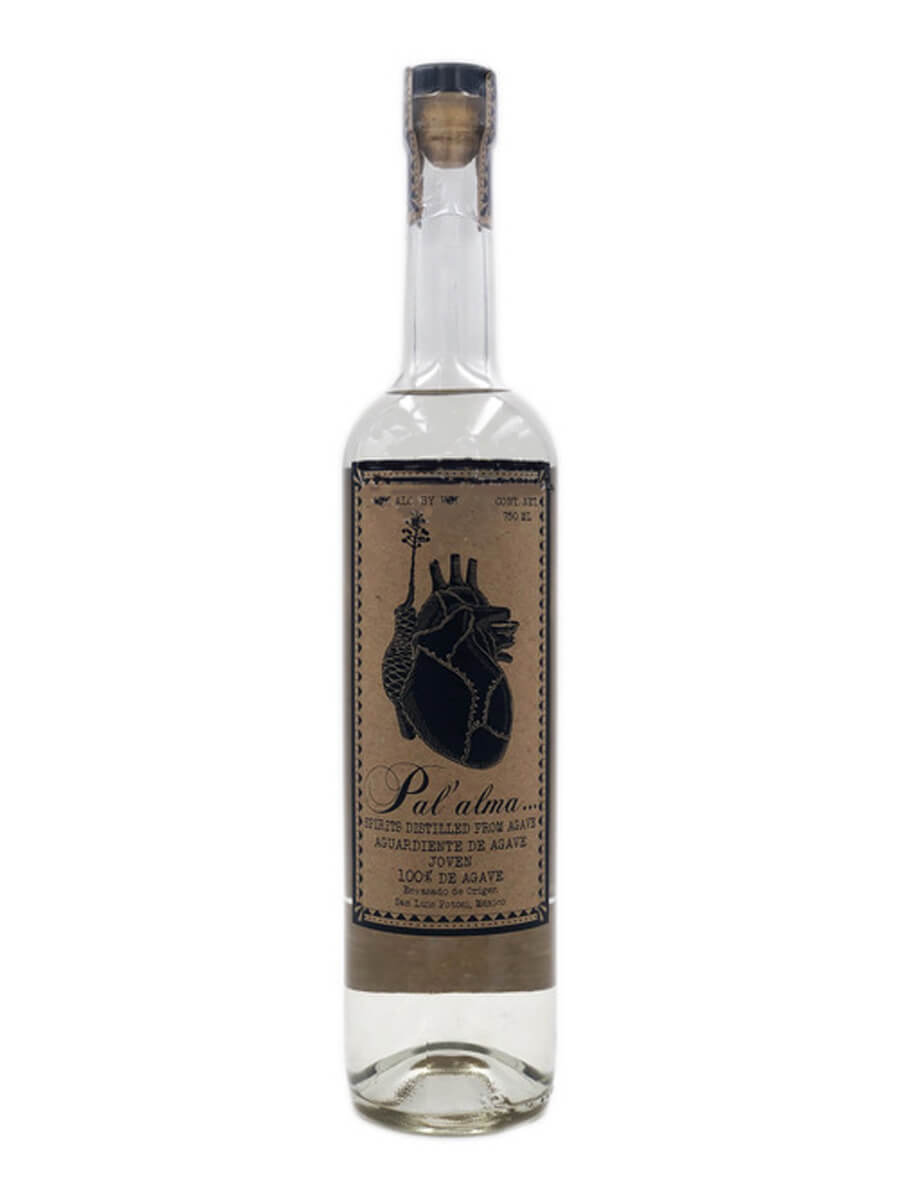
Pal'alma
Pal’alma Puebla – Papalometl
Potatorum · Puebla
3.6(42)
Caminitos Agave Spirits
Caminitos Puntas de Tobala – Sergio Cruz Martinez
Potatorum · Oaxaca
3.6(42)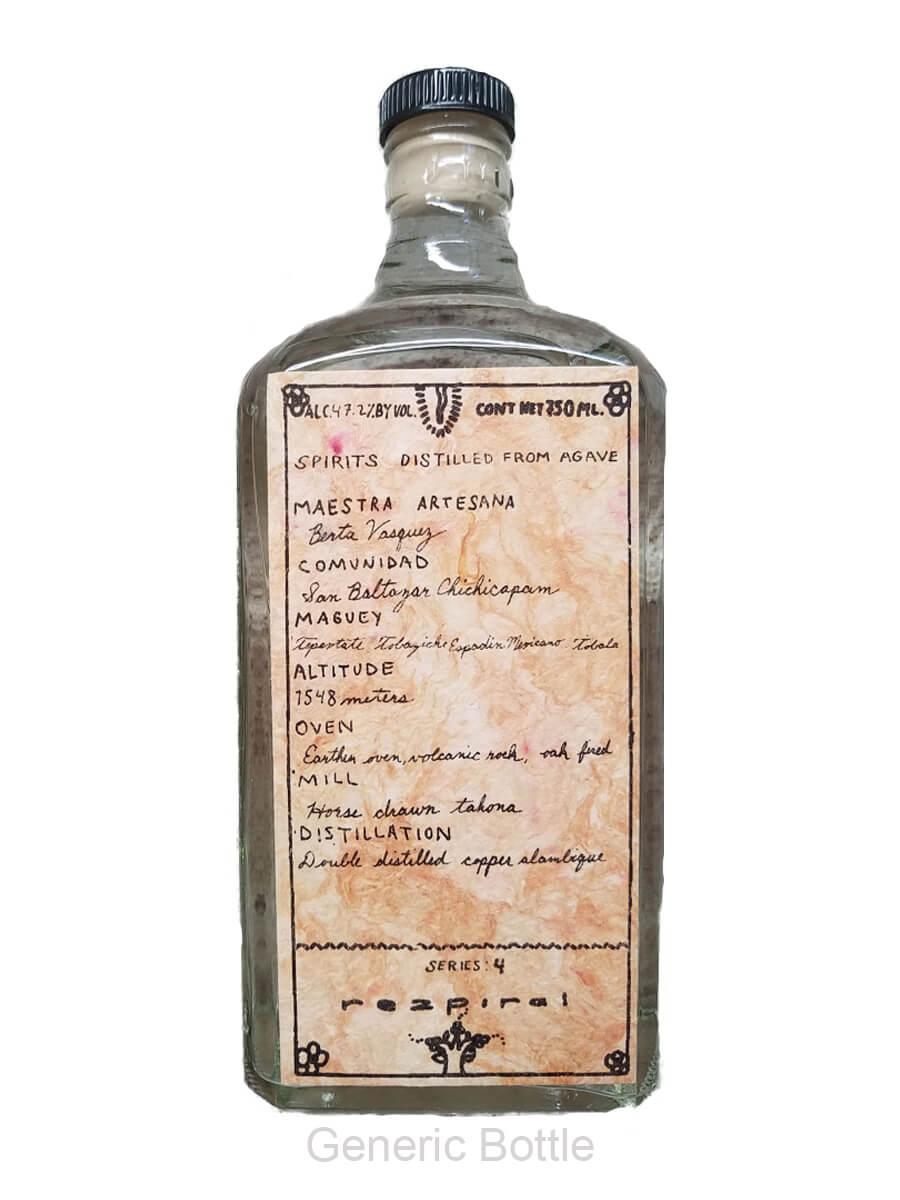
Rezpiral
Rezpiral Tepeztate, Tobaziche, Espadin, Mexicano, Tobala – Berta Vasquez
Angustifolia · Oaxaca
3.6(42)
República Agavera
República Agavera Tobala
Potatorum · Oaxaca
3.6(42)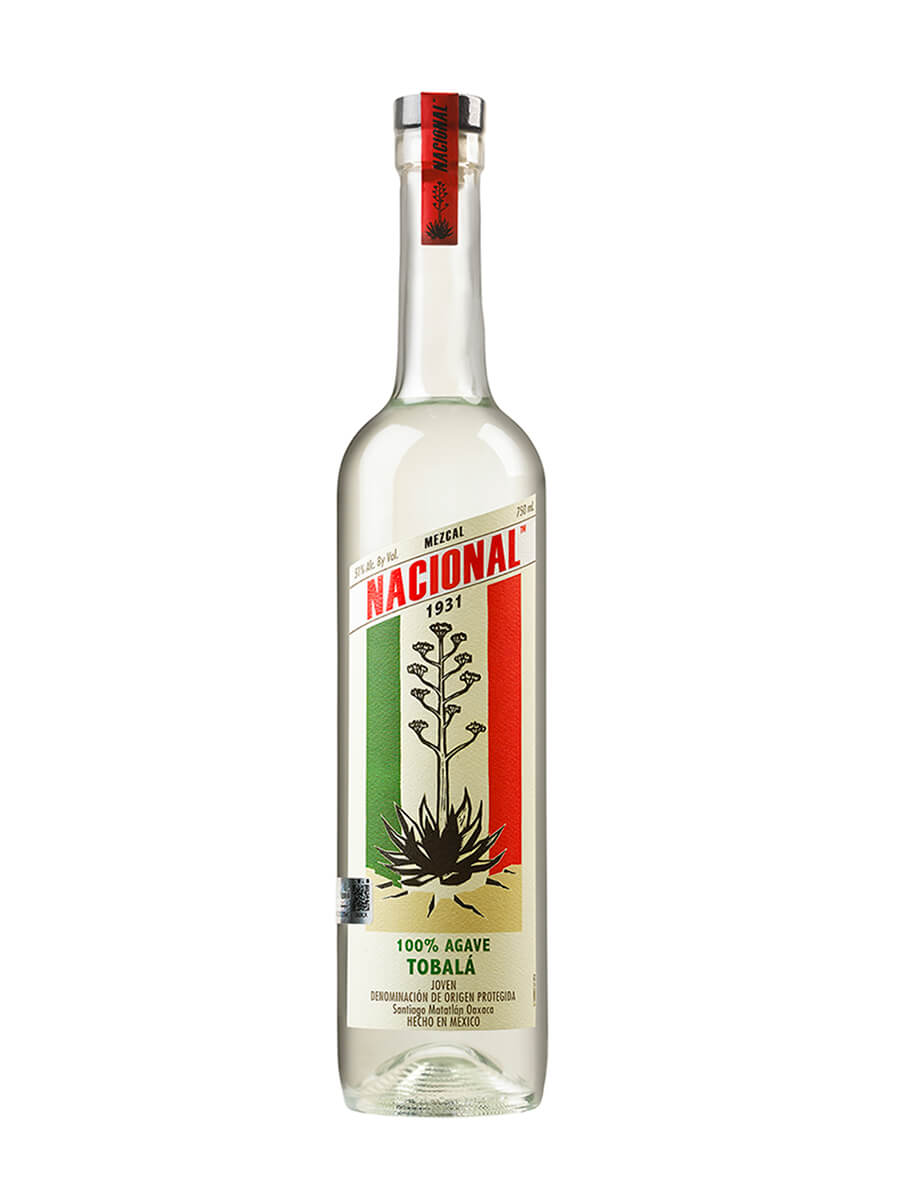
Nacional Mezcal
Nacional 1931
Potatorum
3.6(42)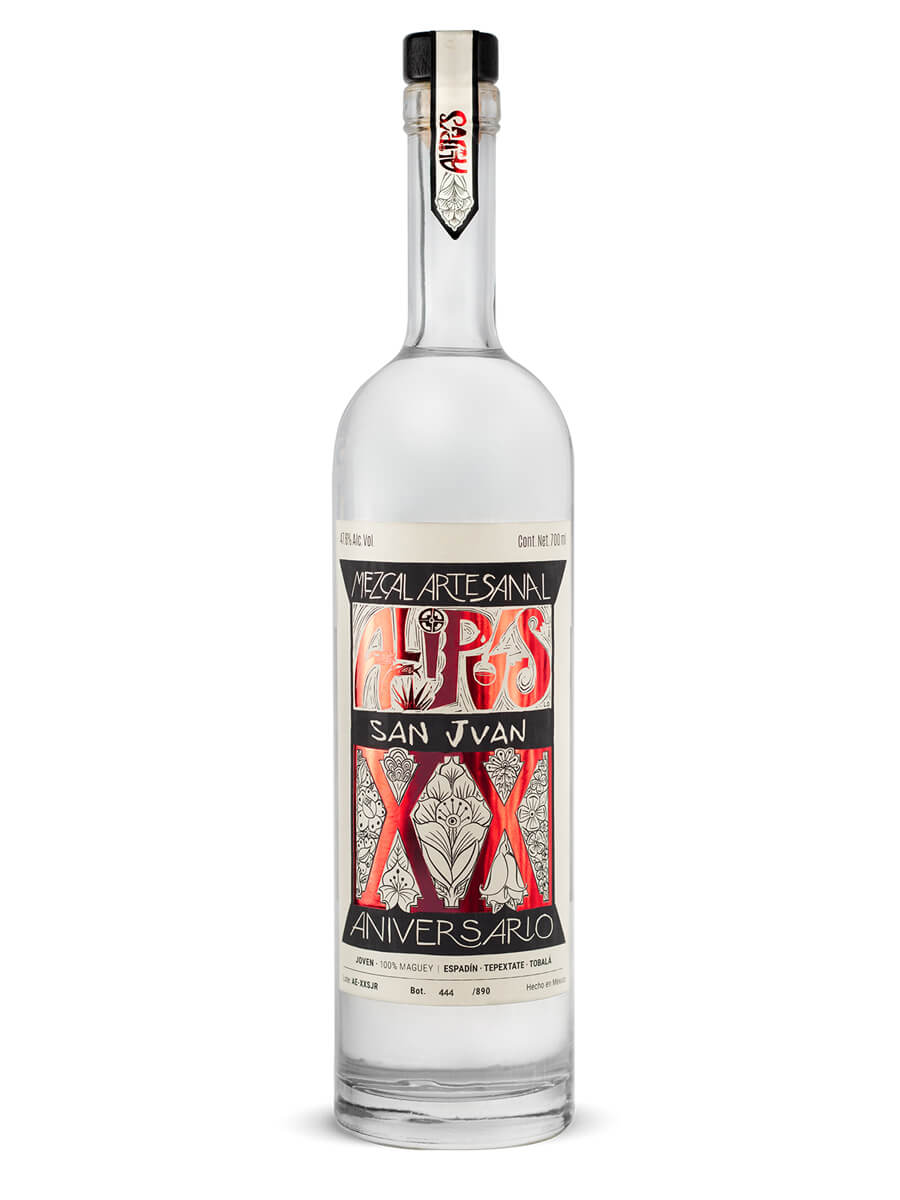
Alipus Mezcal
Alipus San Juan XX Aniversario – Rodolfo Juan Juárez
Angustifolia · Oaxaca
3.6(42)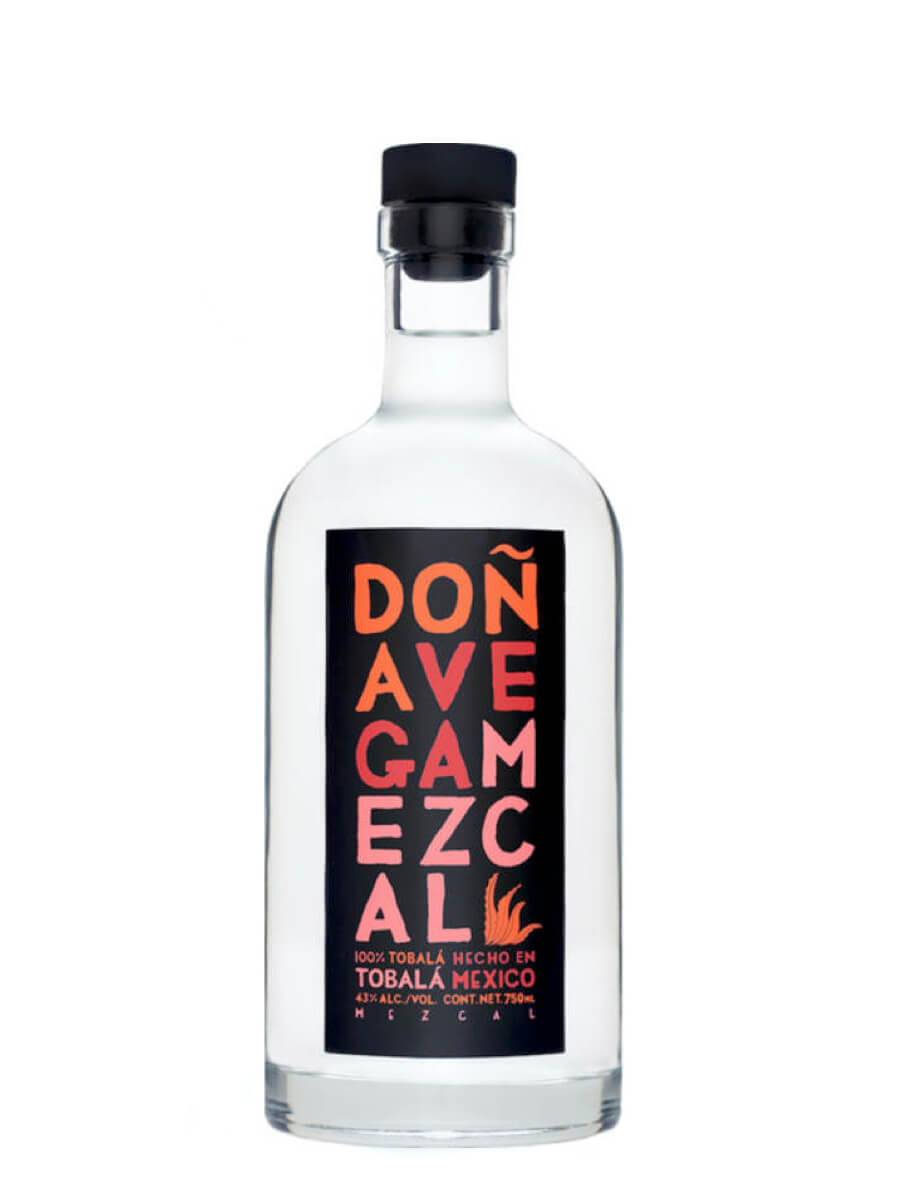
Doña Vega Mezcal
Doña Vega Tobala
Potatorum · Oaxaca
3.6(42)
Rezpiral
Rezpiral Ensamble de 7 – Leonardo Hernandez
Americana · Oaxaca
3.6(42)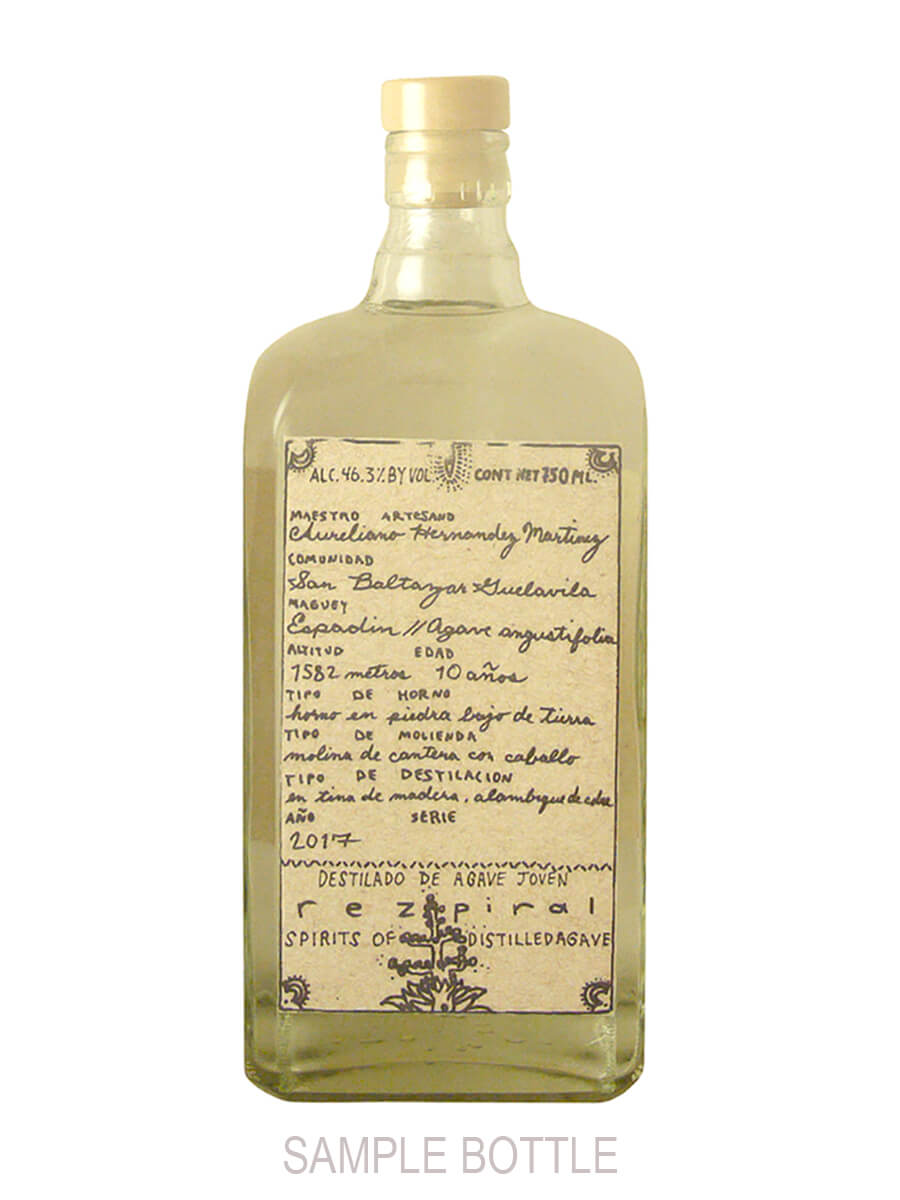
Rezpiral
Rezpiral Tobala / Cuishe – Berta Vasquez
Karwinskii · Oaxaca
3.6(42)
Cruz de Fuego Mezcal
Cruz de Fuego Ensamble
Angustifolia · Oaxaca
3.6(42)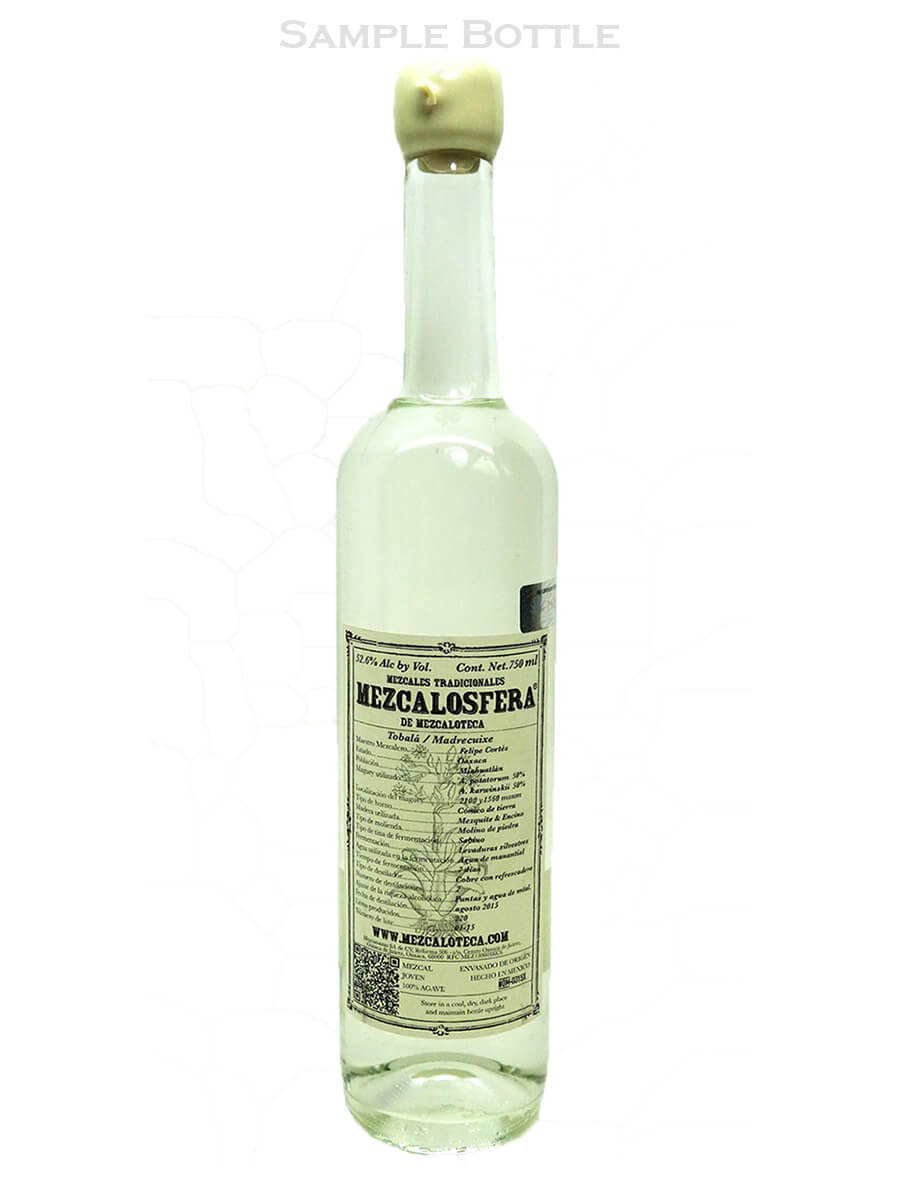
Mezcalosfera de Mezcaloteca
Mezcalosfera Bicuishe/ Tobala/ Madrecuishe – Margarito Cortés
Karwinskii · Oaxaca
3.6(42)
Praedium Mezcal
Praedium Ensamble de 7
Americana · Oaxaca
3.6(42)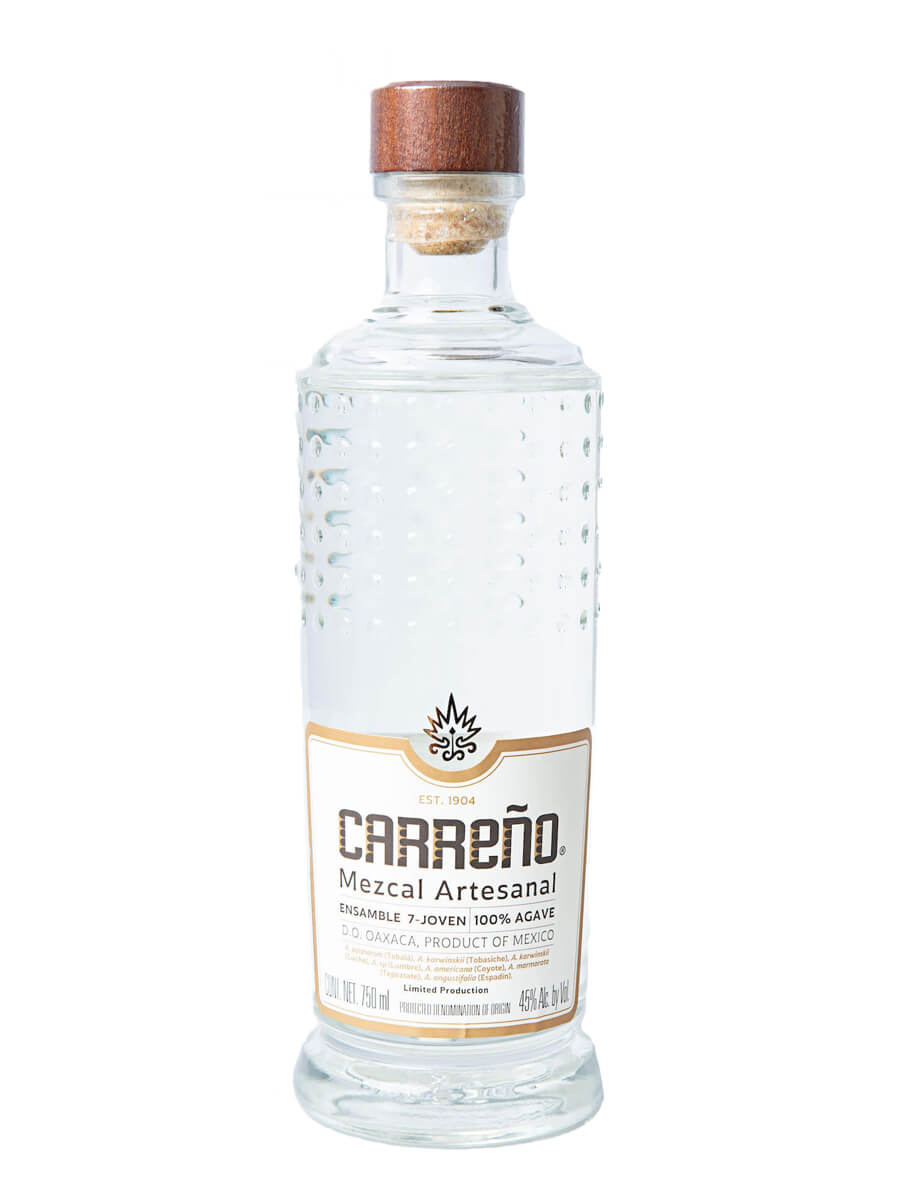
Carreño Mezcal
Carreño Ensamble 7
Americana · Oaxaca
3.6(42)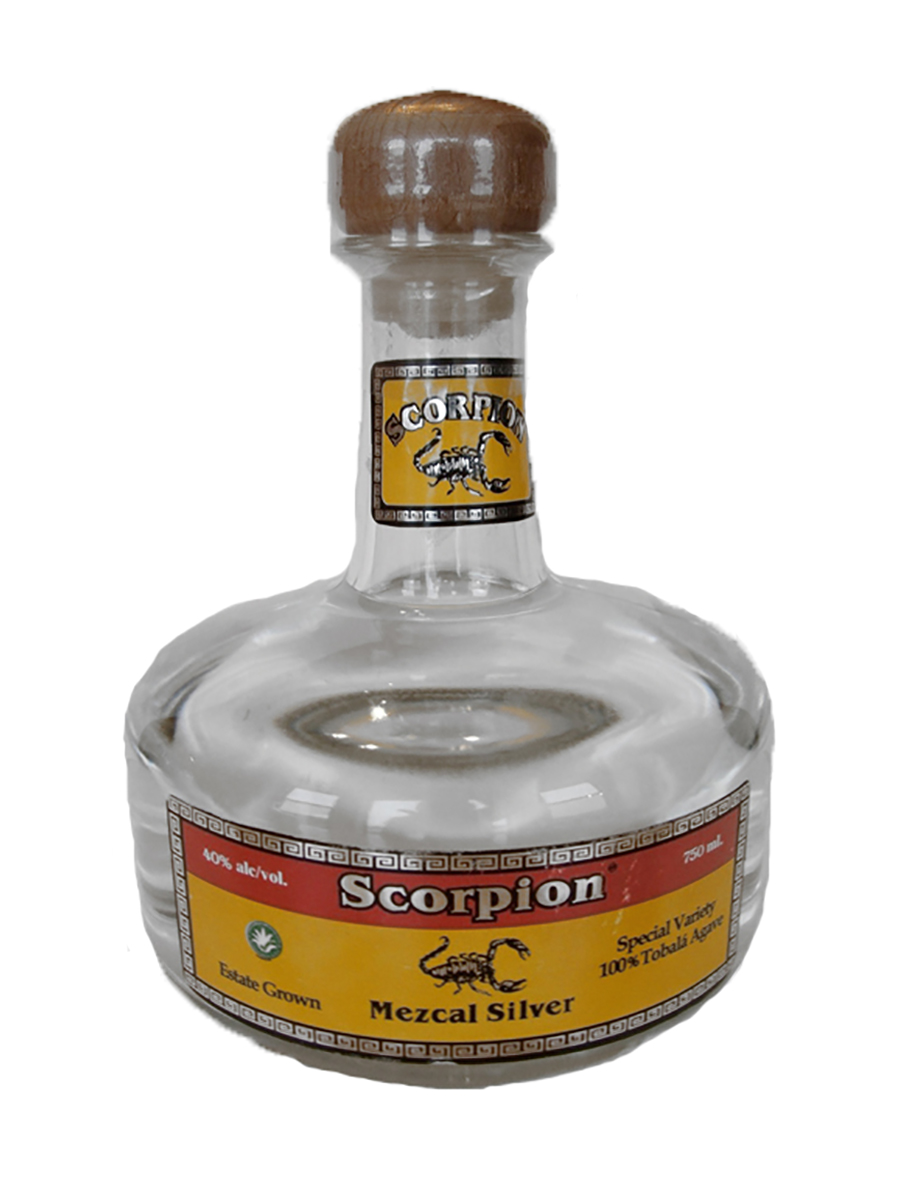
Scorpion Mezcal
Scorpion Silver Tobala
Potatorum · Oaxaca
3.6(42)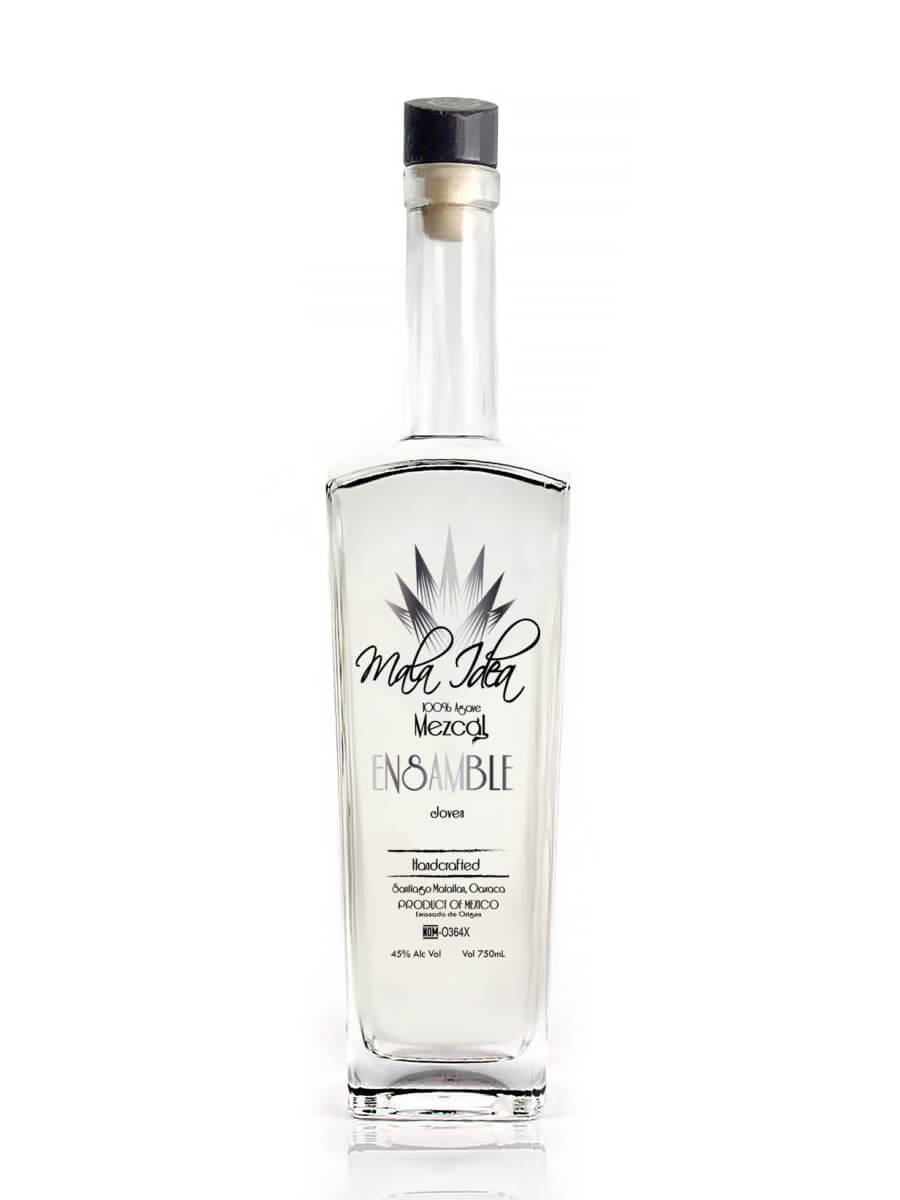
Mala Idea Mezcal
Mala Idea Ensamble
Angustifolia · Oaxaca
3.6(42)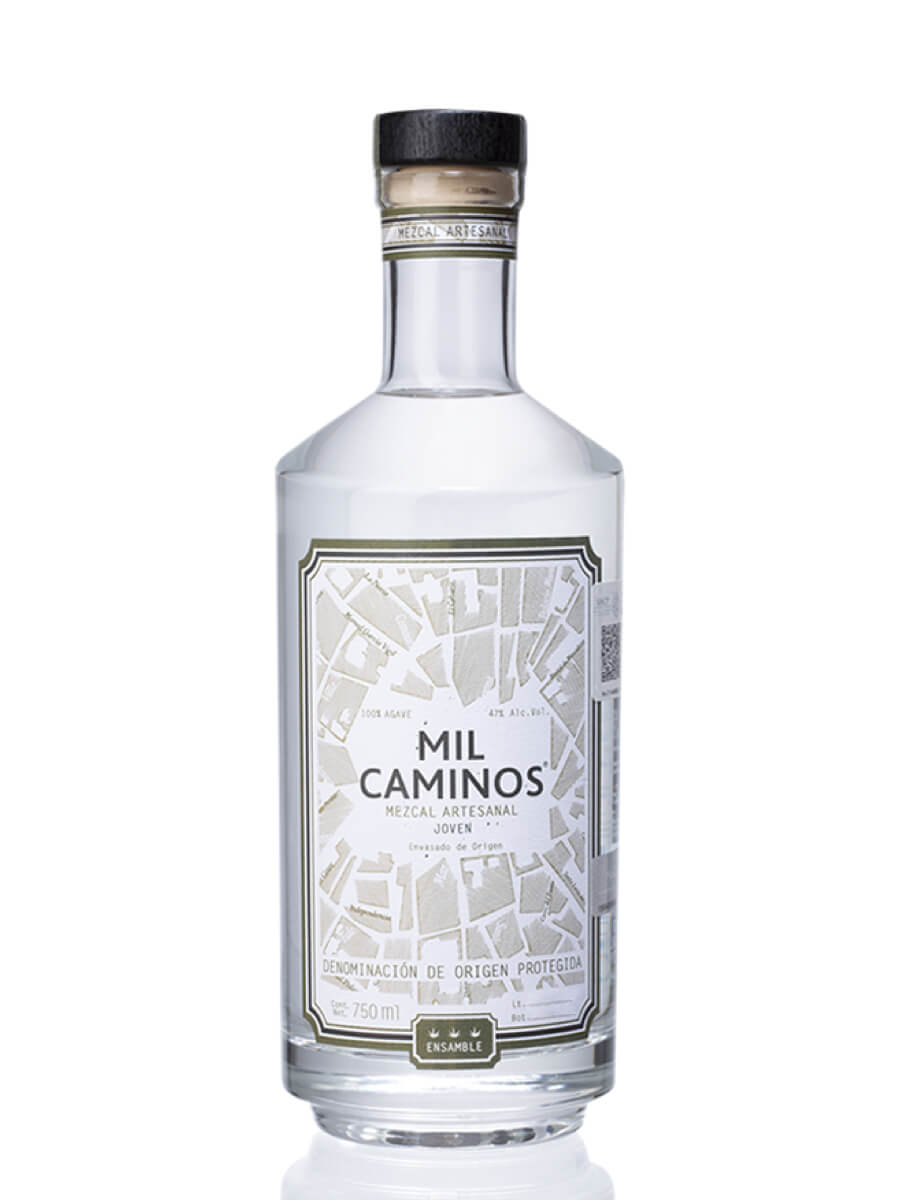
Mil Caminos Mezcal
Mil Caminos Ensamble
Karwinskii · Oaxaca
3.6(42)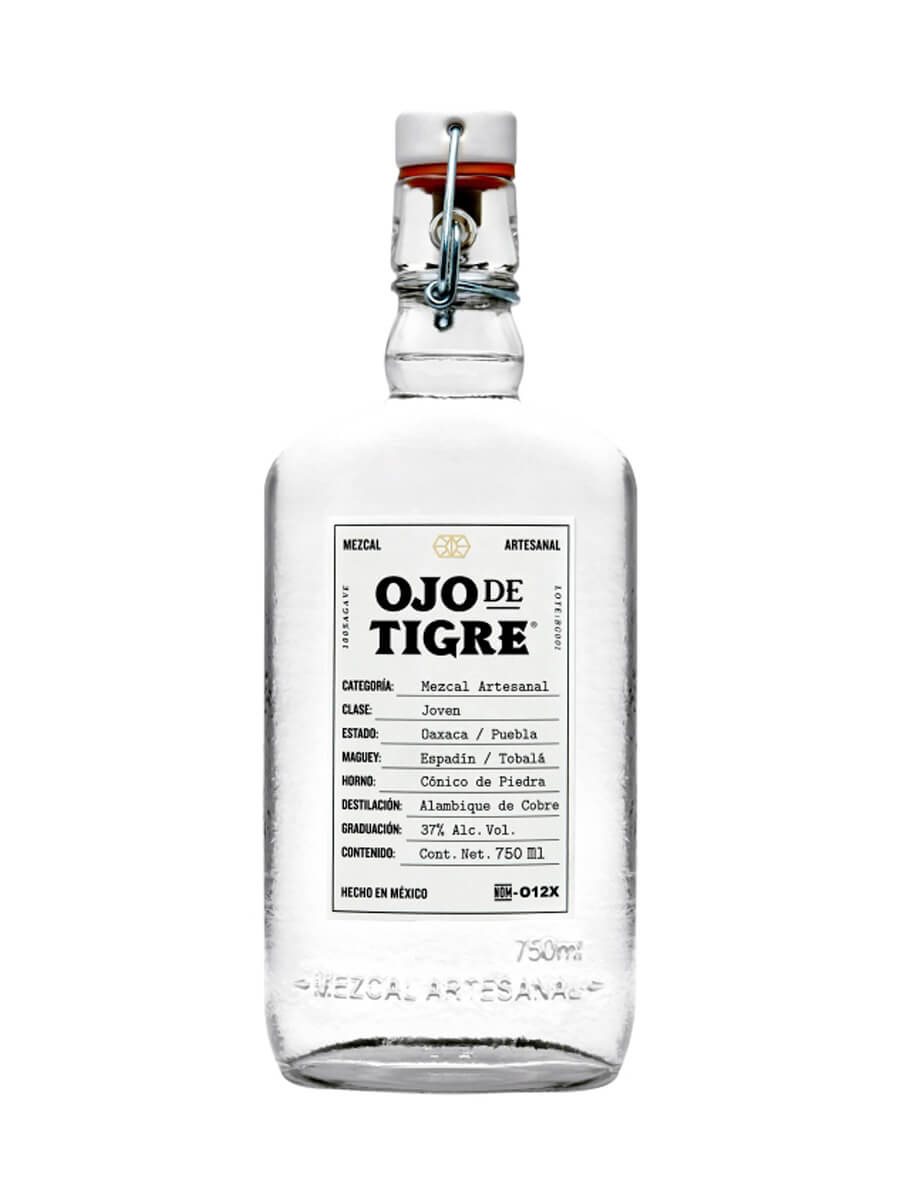
Ojo de Tigre Mezcal
Ojo de Tigre Joven
Angustifolia · Oaxaca
3.6(42)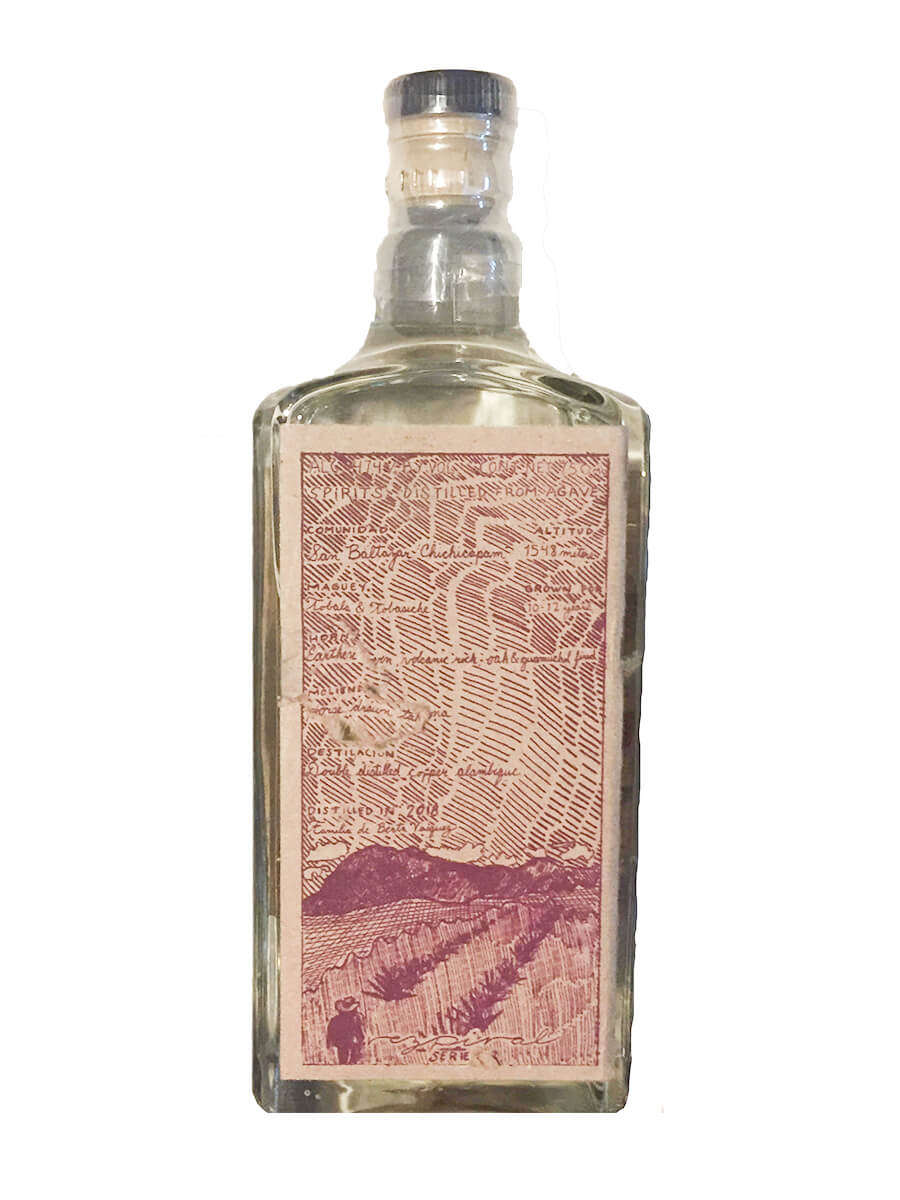
Rezpiral
Rezpiral Tobala / Tobaziche – Berta Vasquez
Karwinskii · Oaxaca
3.6(42)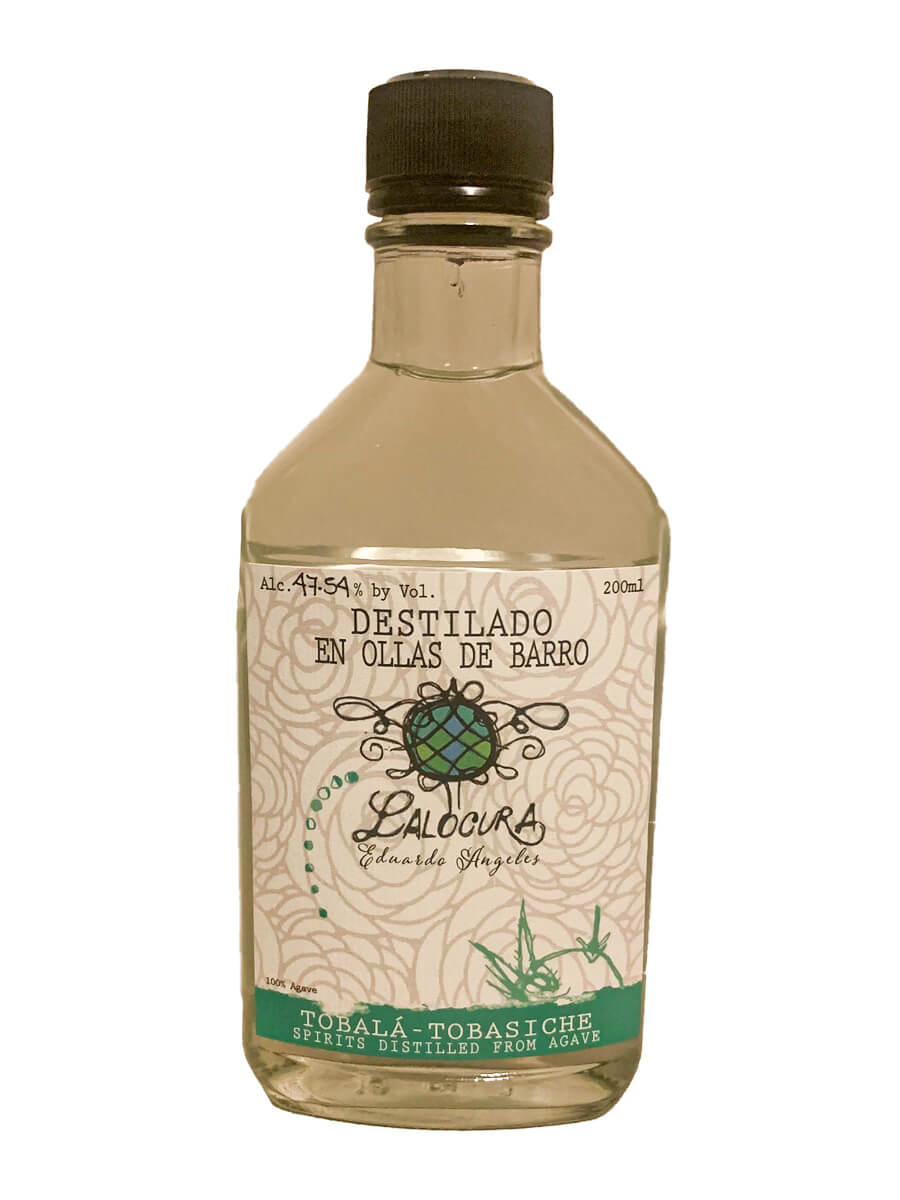
Lalocura Mezcal
Lalocura Tobala-Tobasiche
Karwinskii · Oaxaca
3.6(42)Mezcalero Mezcal
Mezcalero No. 8
Karwinskii · Oaxaca
3.6(42)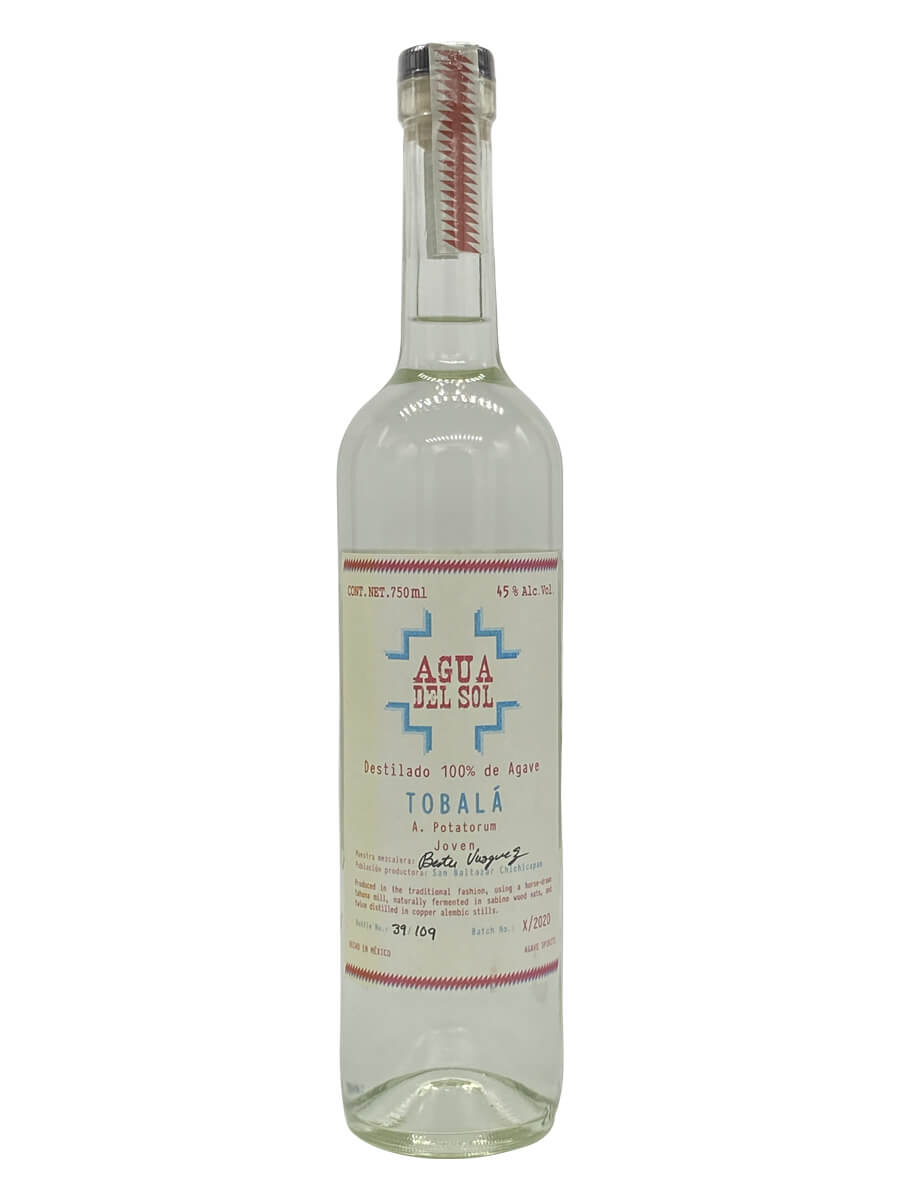
Agua del Sol
Agua del Sol Tobala – Berta Vasquez
Potatorum · Oaxaca
3.6(42)
Rey Campero Mezcal
Rey Campero Tobala, Chino, Coyote
Cupreata · Oaxaca
3.6(42)
Fósforo Mezcal
Fósforo Ensamble
Angustifolia · Puebla
3.6(42)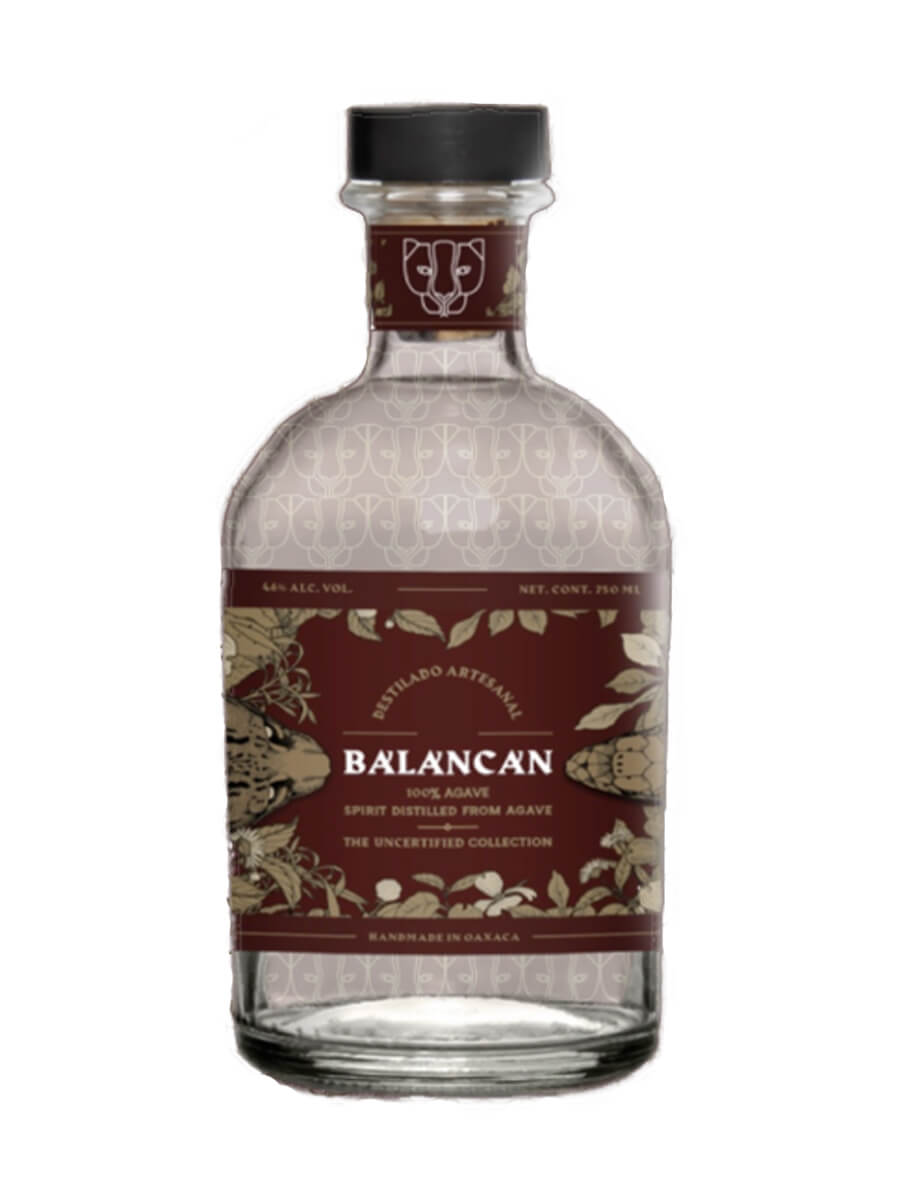
Balancan
Balancan Destilado
Potatorum · Oaxaca
3.6(42)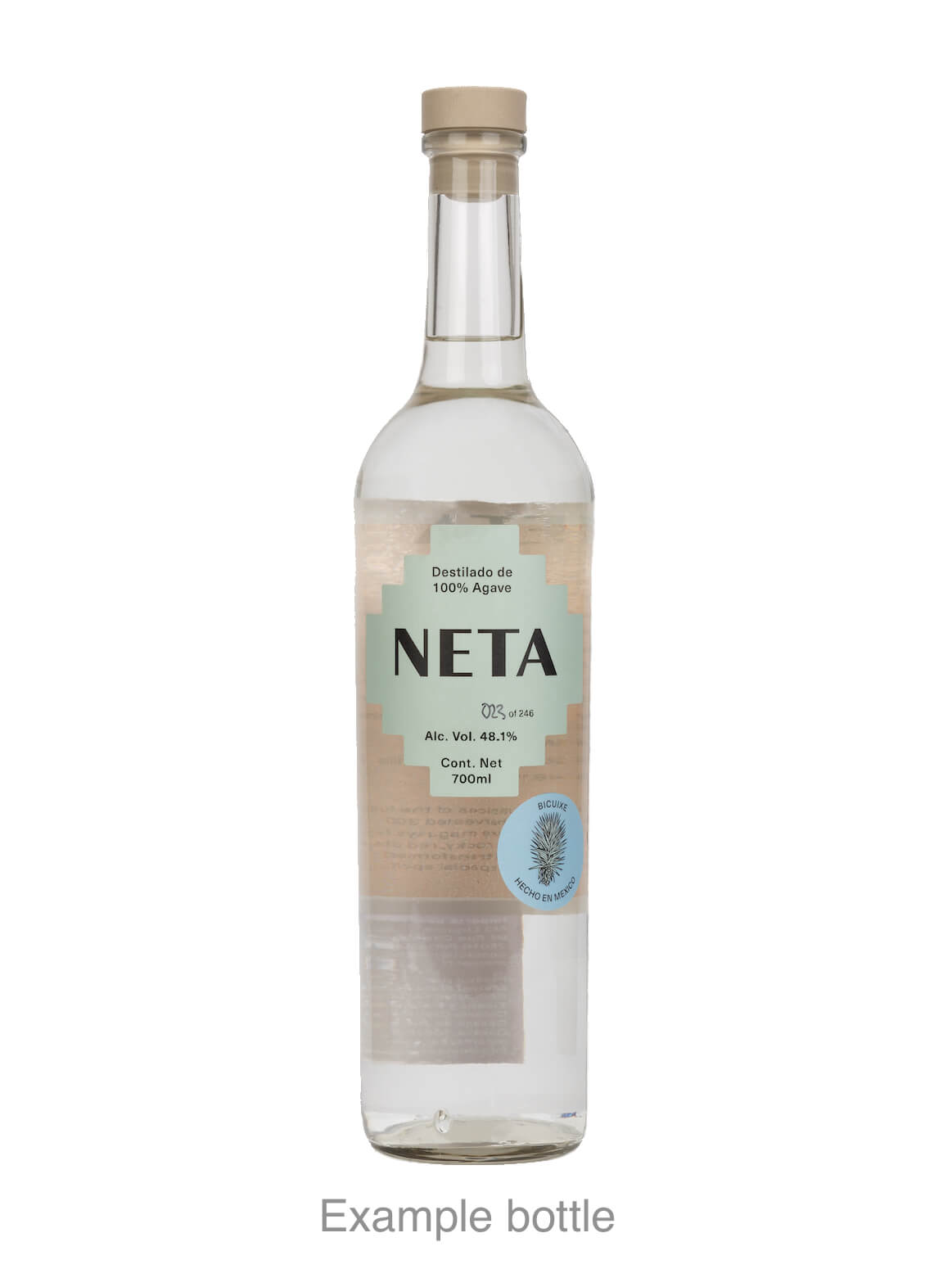
NETA
NETA Coyote, Tobala, Tepextate – Wilfrido Garcia Sanchez
Americana · Oaxaca
3.6(42)
Quiote
Quiote Papalometl – Francisco Trujano
Potatorum · Oaxaca
3.6(42)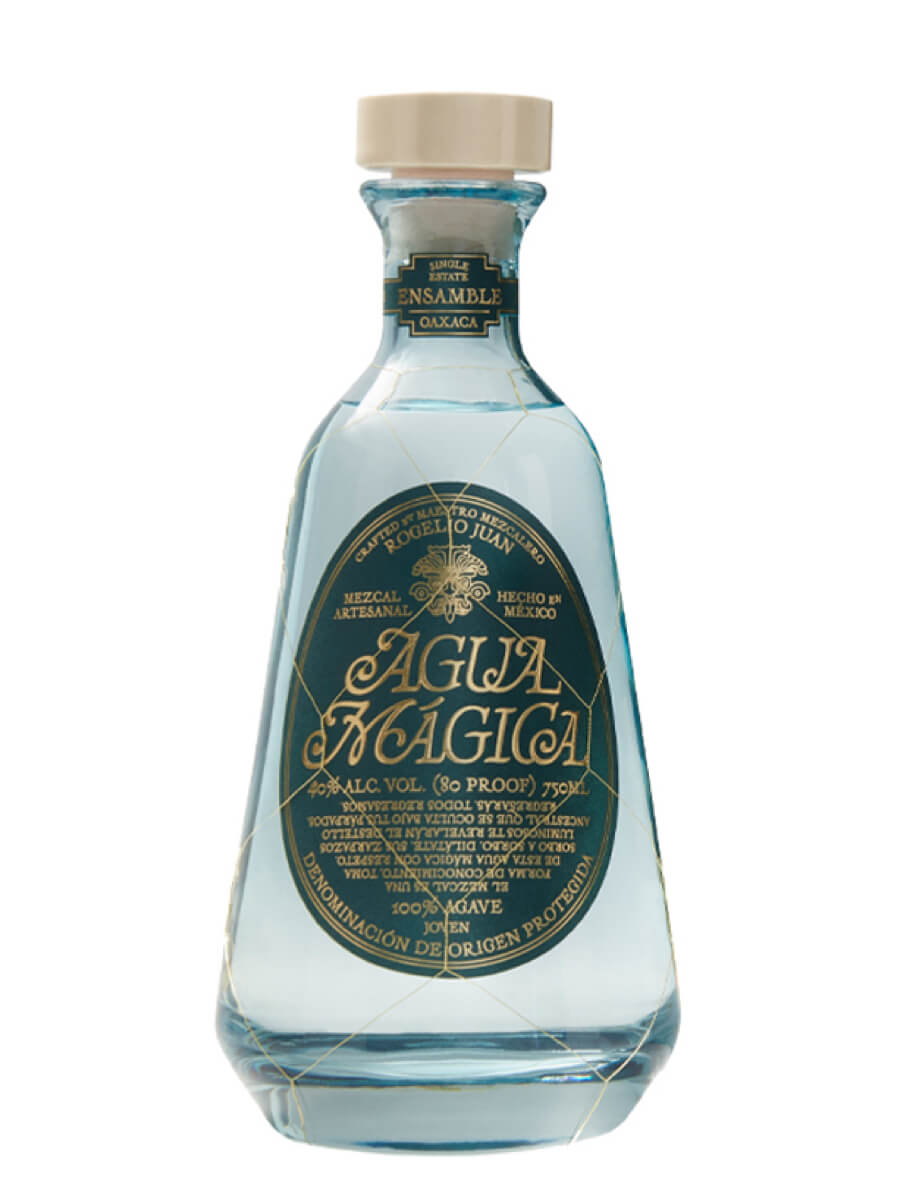
Agua Mágica
Agua Mágica Ensamble
Angustifolia · Oaxaca
3.6(42)
Firme Mezcal
Firme Tobala
Potatorum · Oaxaca
3.6(42)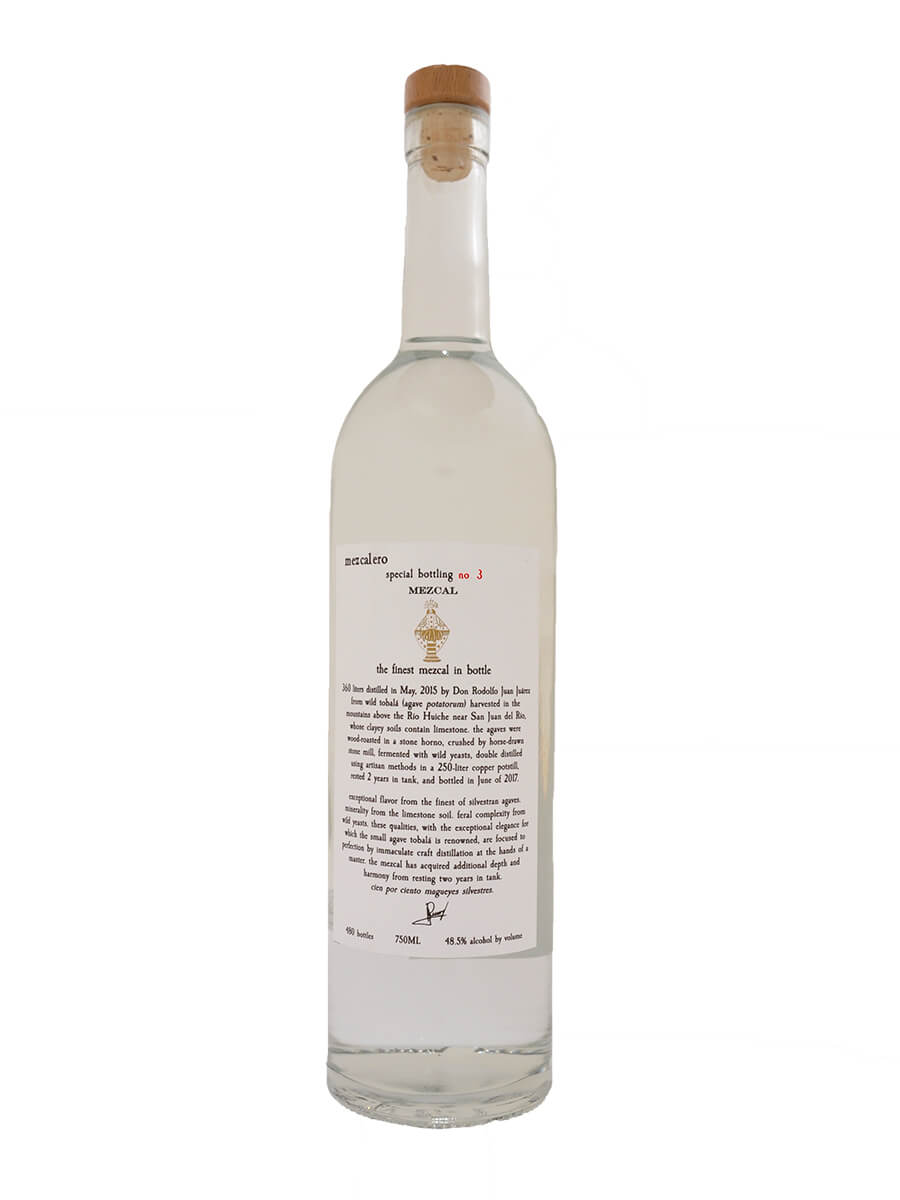
Mezcalero Mezcal
Mezcalero Special Bottling No. 3
Potatorum · Oaxaca
3.6(42)
5 Sentidos
5 Sentidos Tobala – Eduardo Cortez Perez
Potatorum · Oaxaca
3.6(42)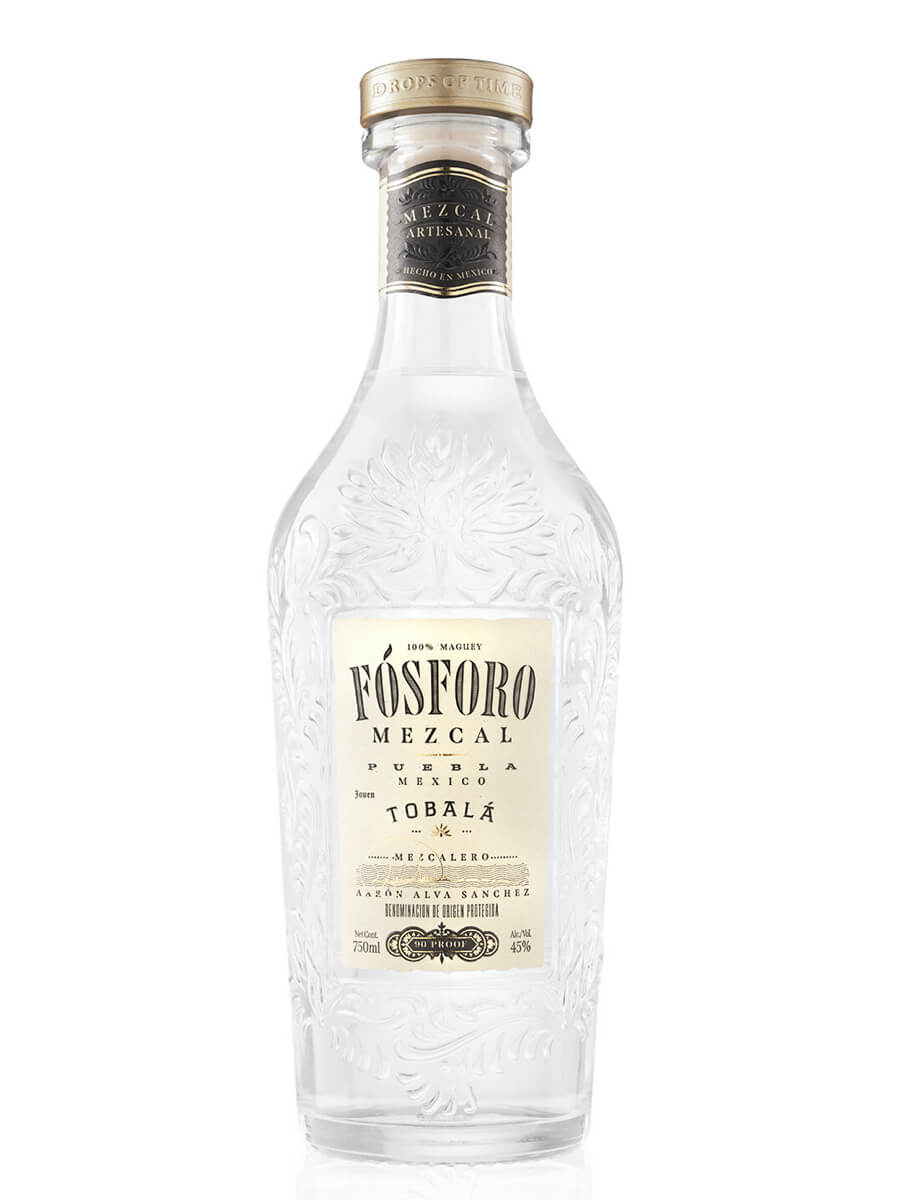
Fósforo Mezcal
Fósforo Tobalá
Potatorum · Puebla
3.6(42)Puntiagudo
Puntiagudo Jabali / Tobala- Rubén López
Convallis · Oaxaca
3.6(42)
5 Sentidos
Cinco Sentidos Papalome (Mixteca ed. 4)
Potatorum · Puebla
3.6(42)
Tlamati Sprits
Tlamati Milpa Pechuga
Potatorum · Oaxaca
3.6(42)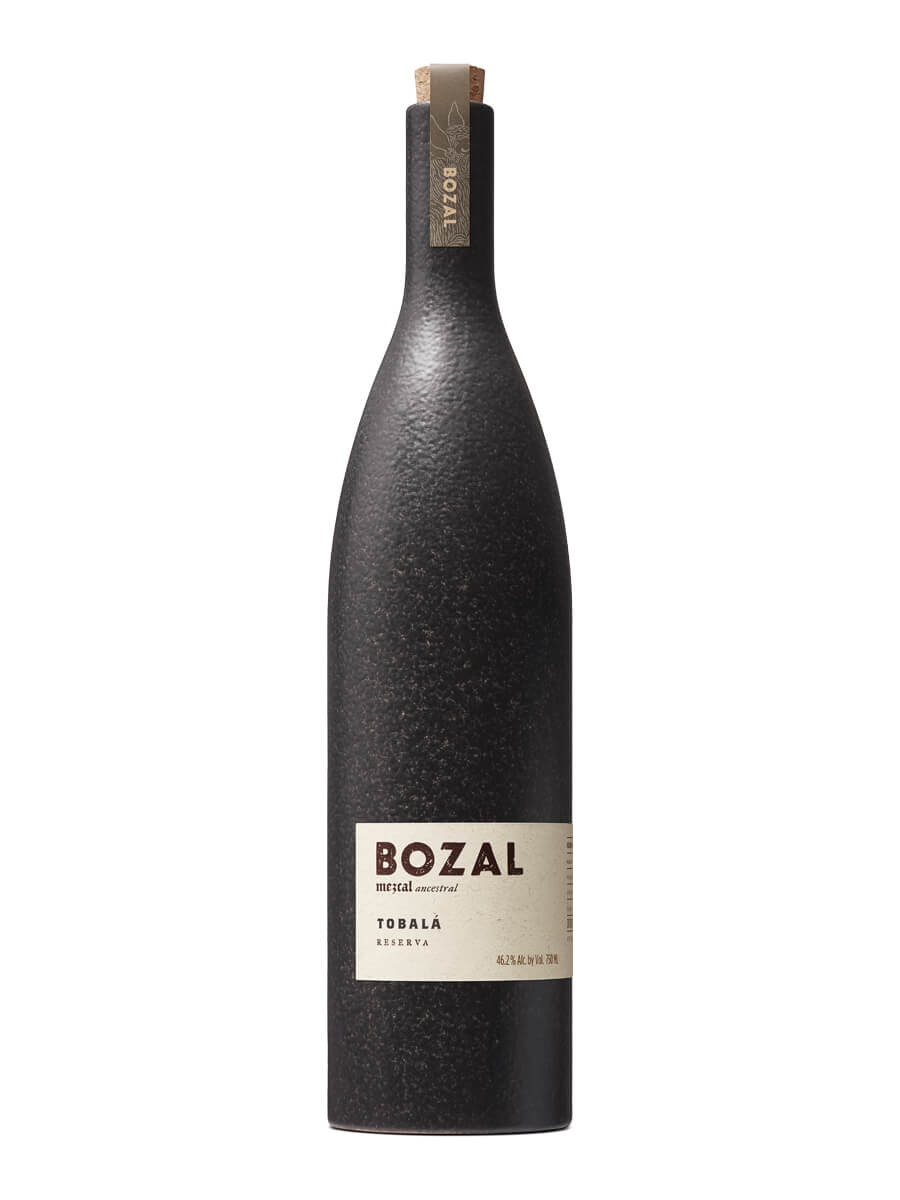
Bozal Mezcal
Bozal Tobala
Potatorum · Oaxaca
3.6(42)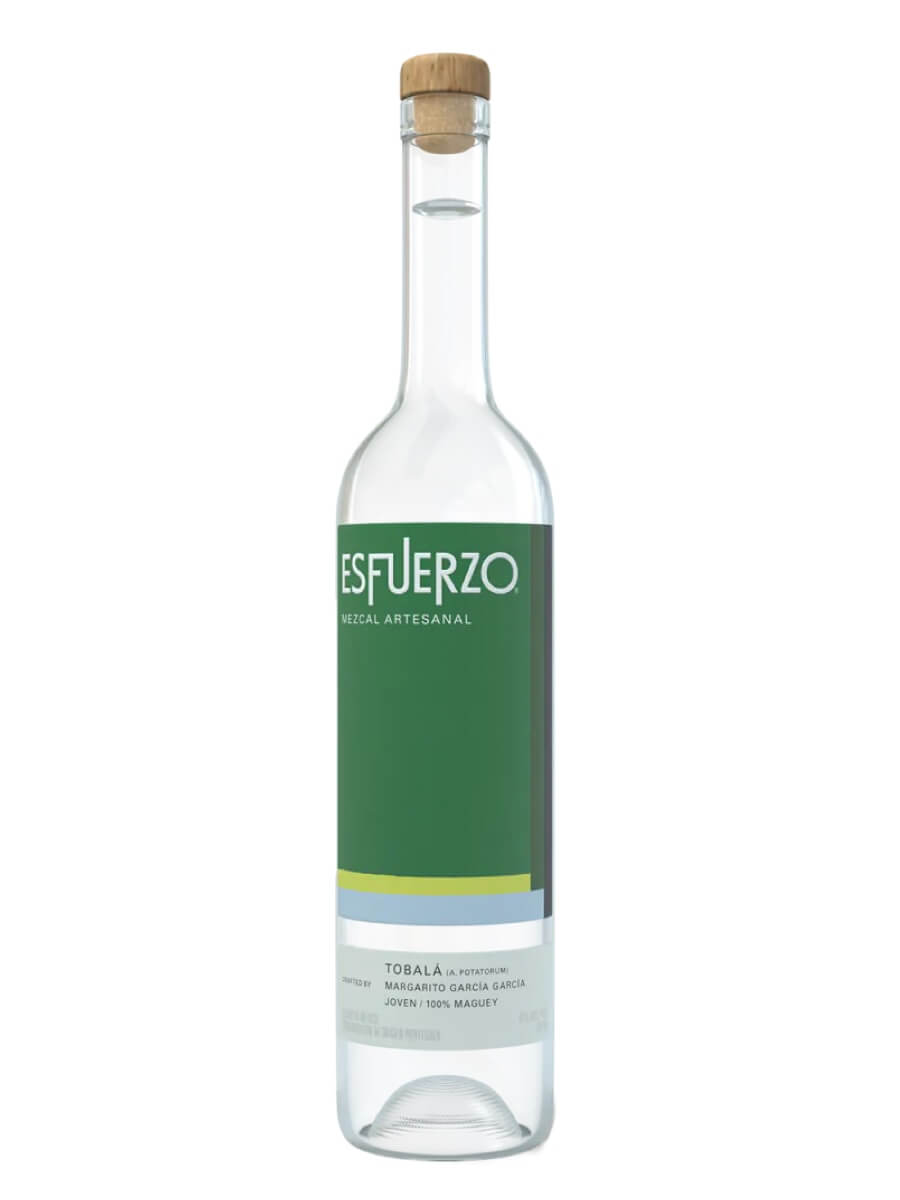
Esfuerzo Mezcal
Esfuerzo Tobalá
Potatorum · Oaxaca
3.6(42)Mezcalero Mezcal
Mezcalero No. 21
Karwinskii · Oaxaca
3.6(42)Rezpiral
Rezpiral Tobala with Frutas – Aureliano Hernandez
Potatorum · Oaxaca
3.6(42)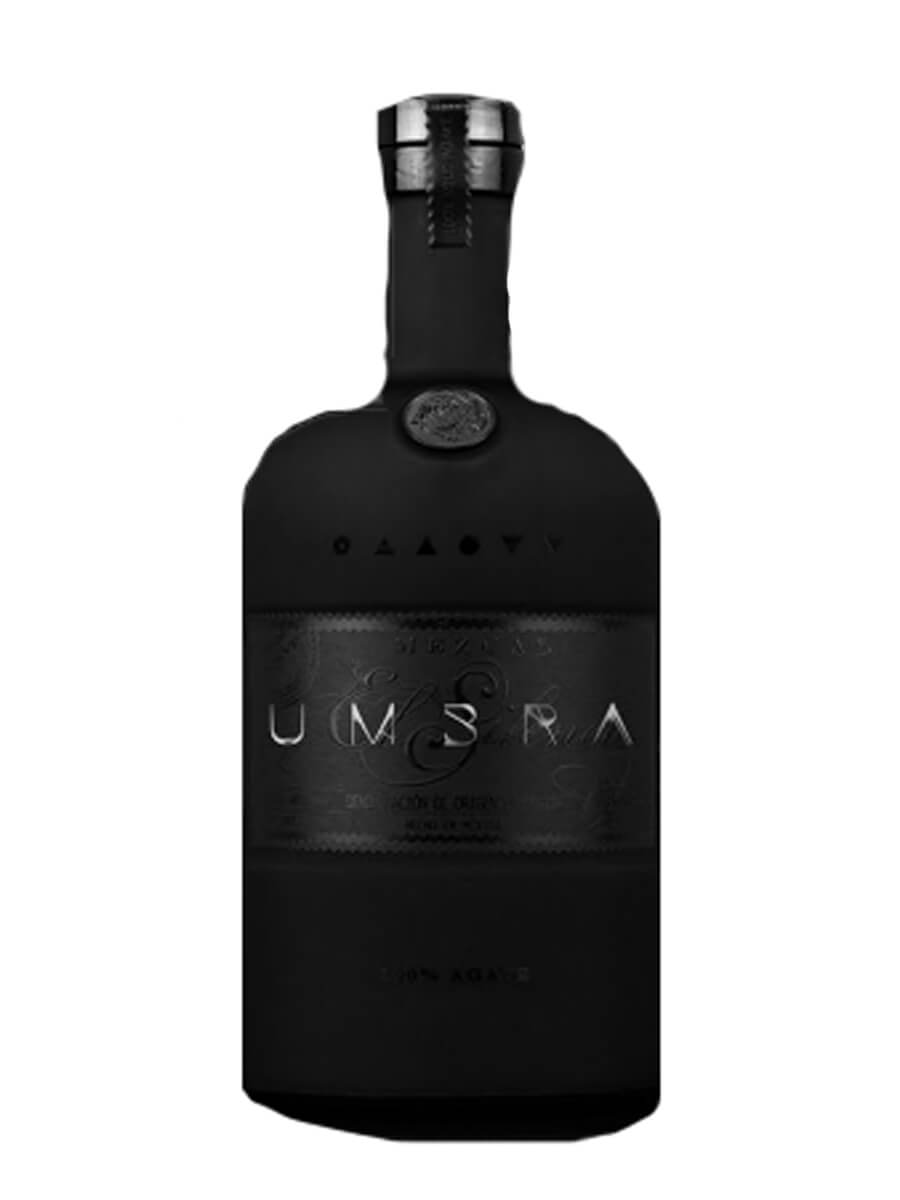
El Silencio Mezcal
El Silencio Umbra
Angustifolia · Oaxaca
3.6(42)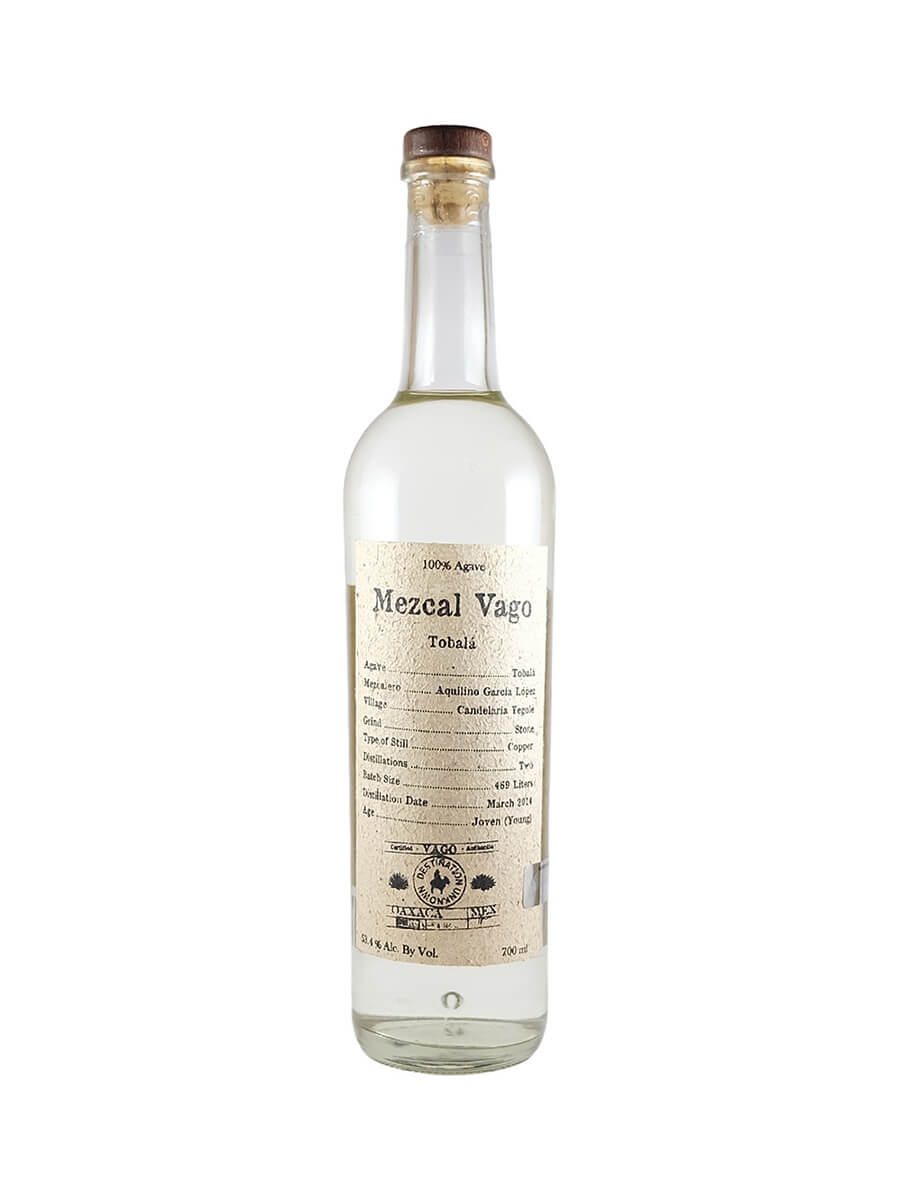
Vago Mezcal
Vago Tobala – Aquilino Garcia Lopez
Potatorum · Oaxaca
3.6(42)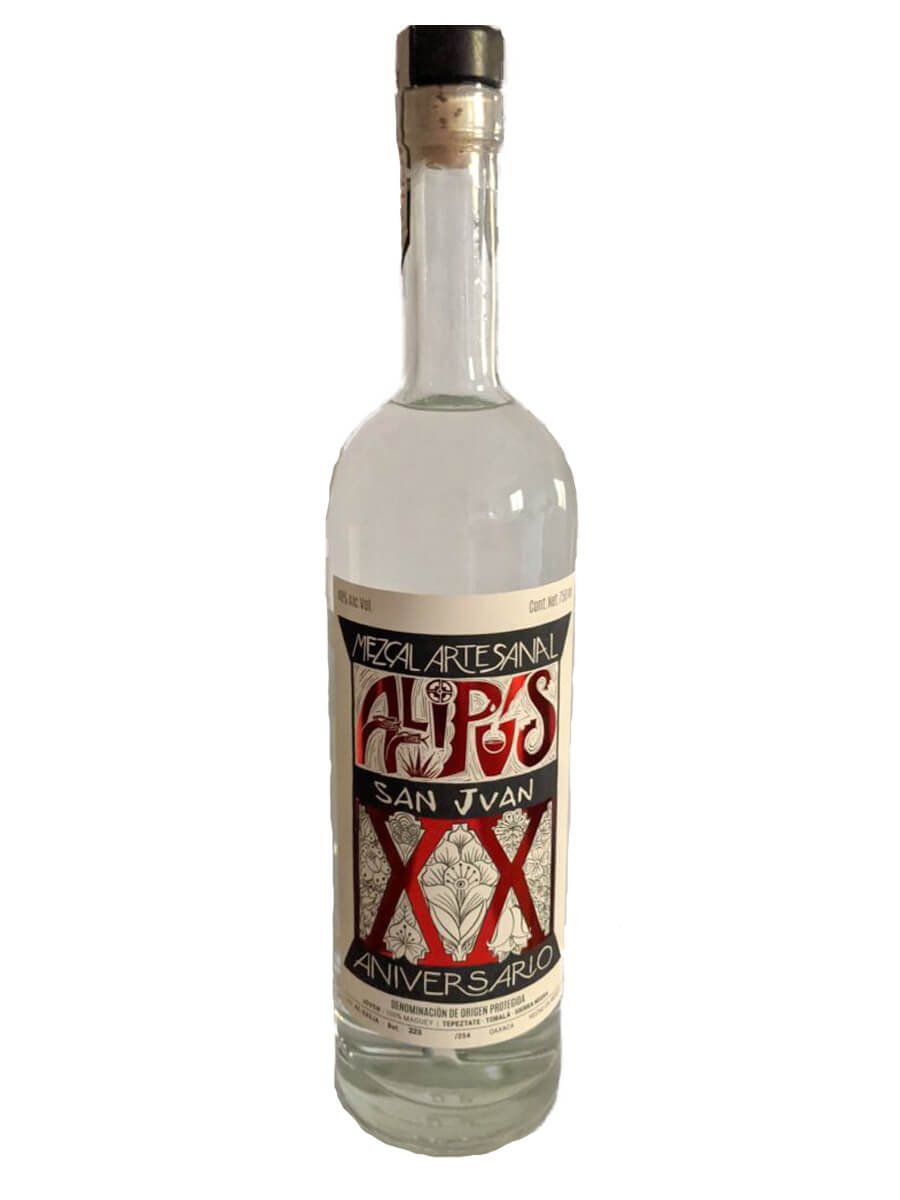
Alipus Mezcal
Alipus San Juan XX Aniversario Tepeztate, Tobala, Sierra Negra – Joel Antonio Cruz
Americana · Oaxaca
3.6(42)
Mal Bien
Mal Bien Tobala – Ramos
Potatorum · Oaxaca
3.6(42)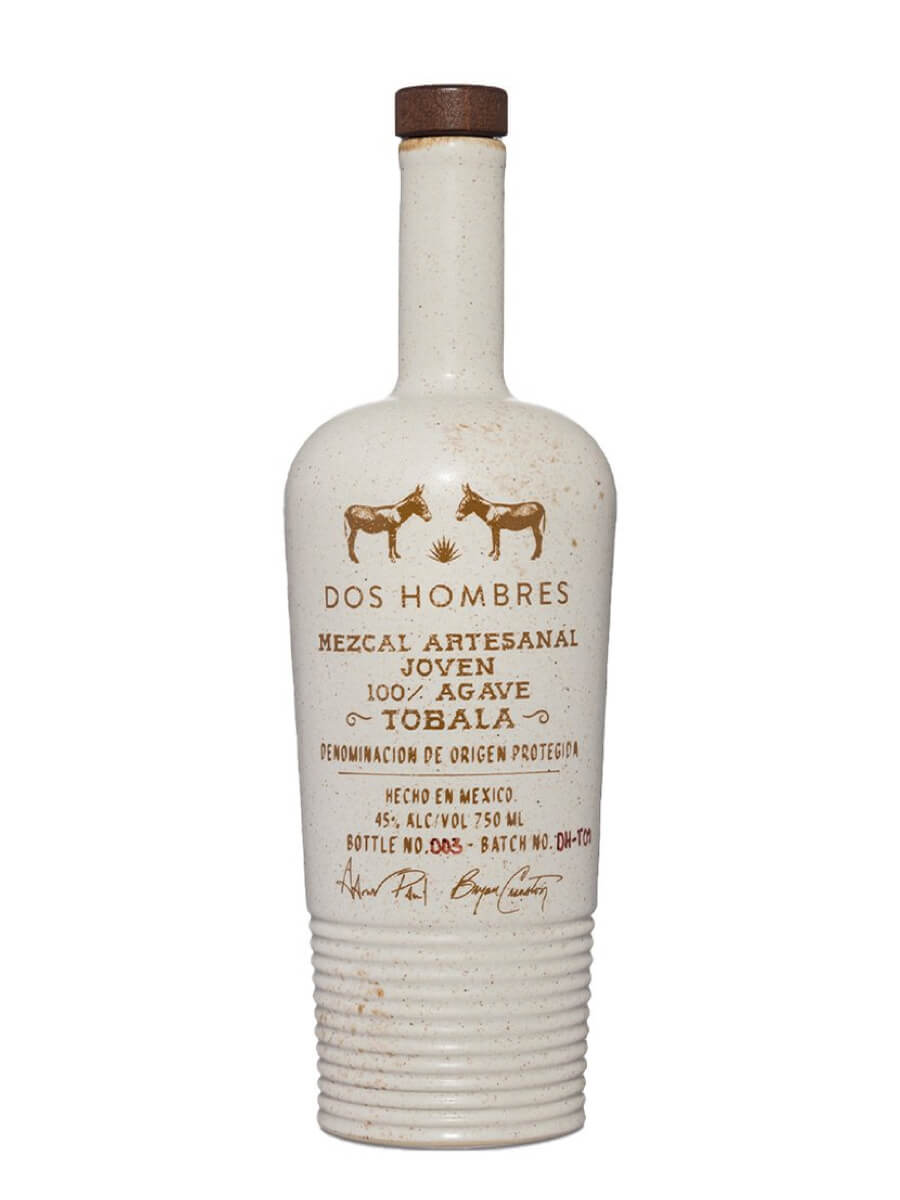
Dos Hombres Mezcal
Dos Hombres Tobala
Potatorum · Oaxaca
3.6(42)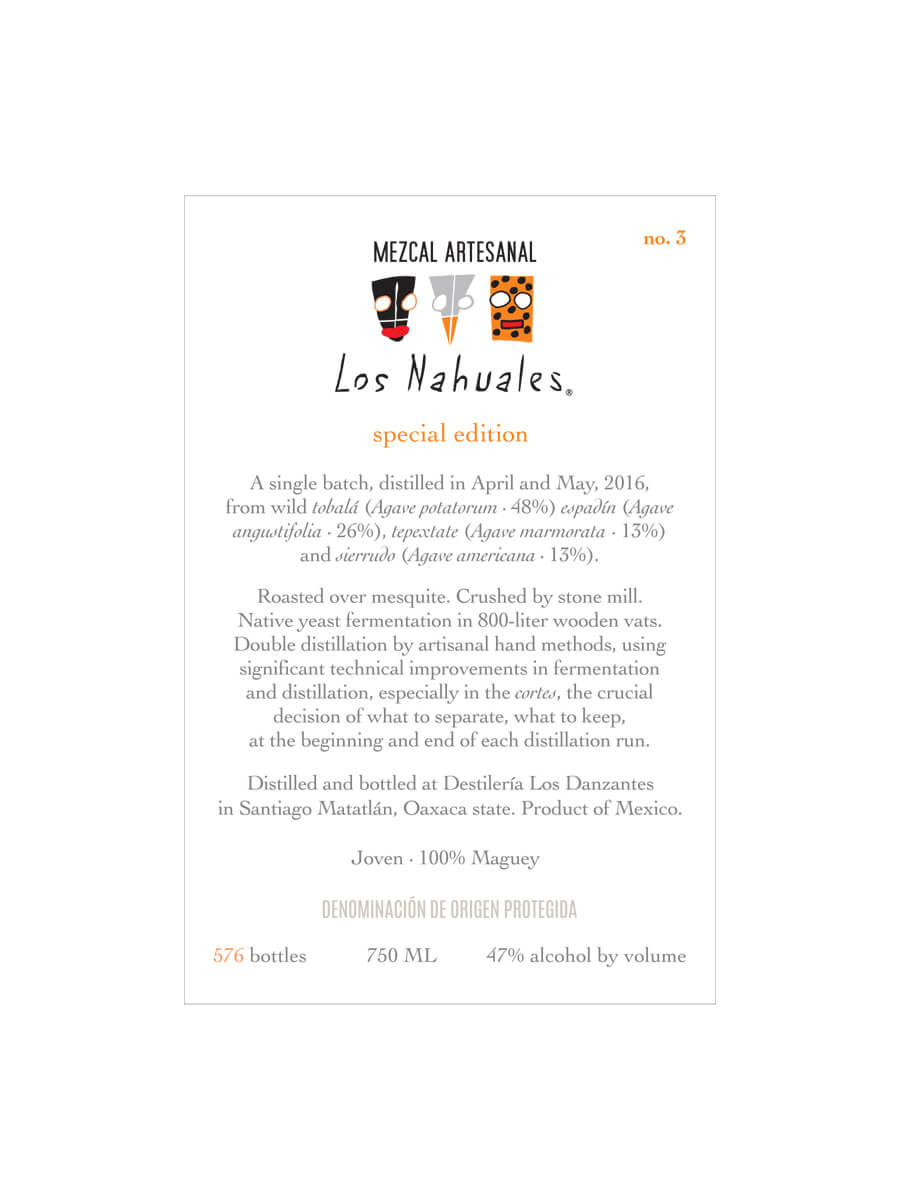
Los Nahuales Mezcal
Los Nahuales Special Edition No. 3
Americana · Oaxaca
3.6(42)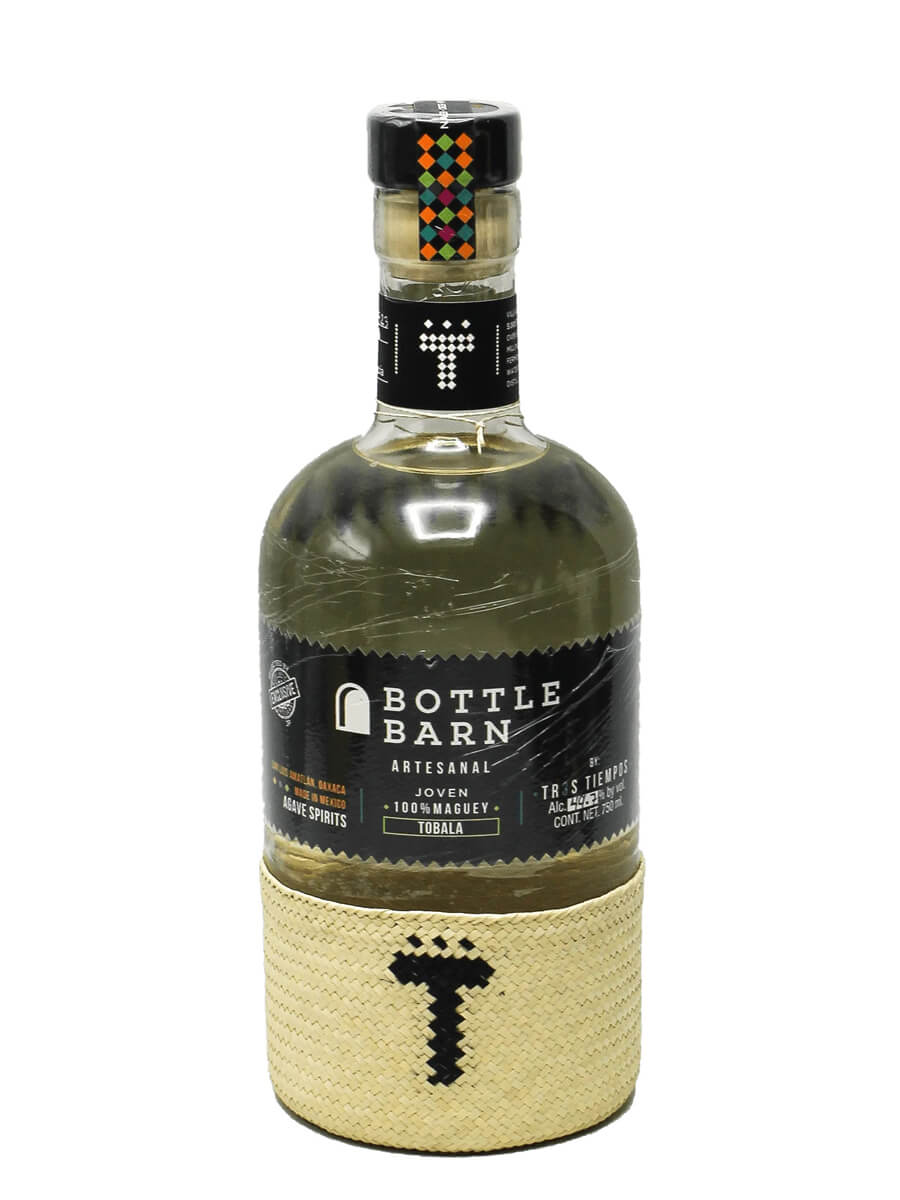
Tr3s Tiempos Mezcal
Tr3s Tiempos Tobala – Diego Lucas Garcia
Potatorum · Oaxaca
3.6(42)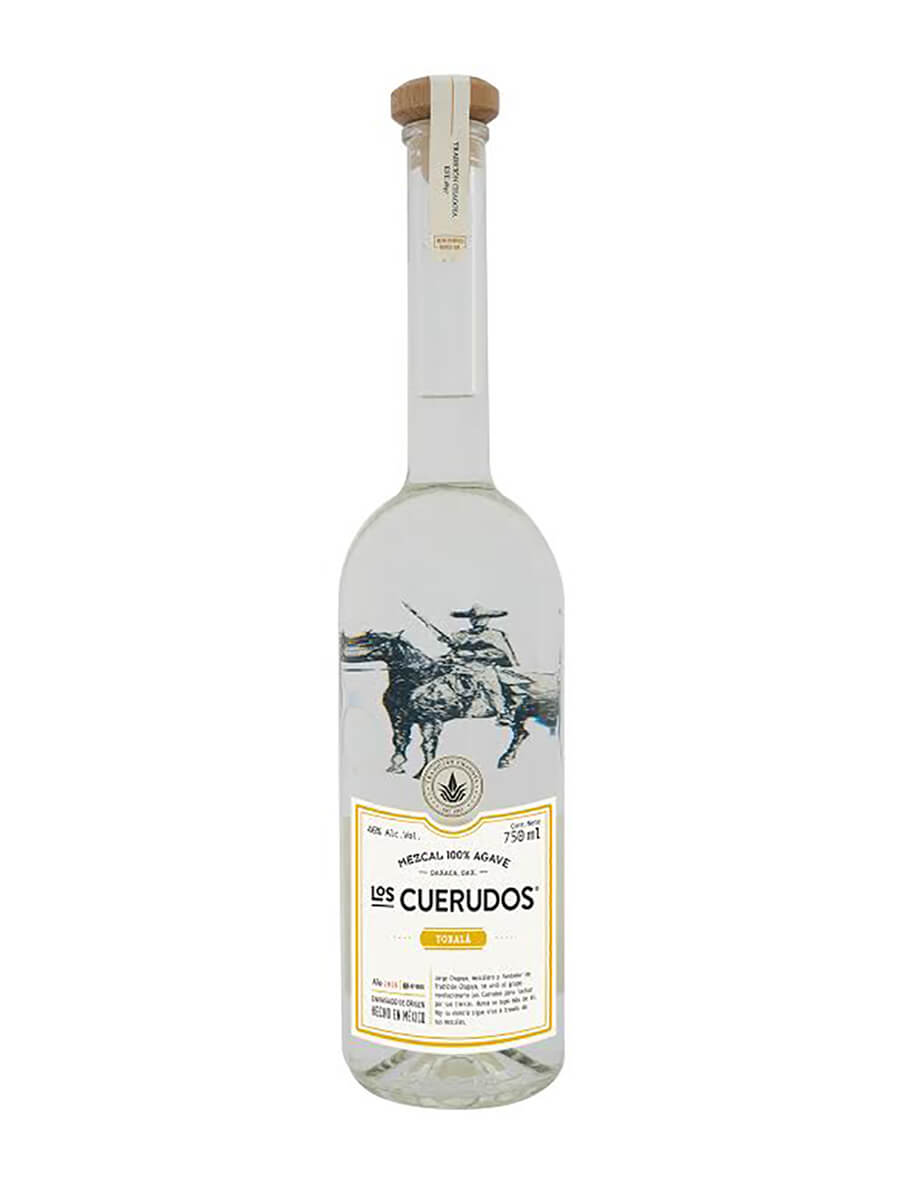
Los Cuerudos Mezcal
Los Cuerudos Tobala
Potatorum · Oaxaca
3.6(42)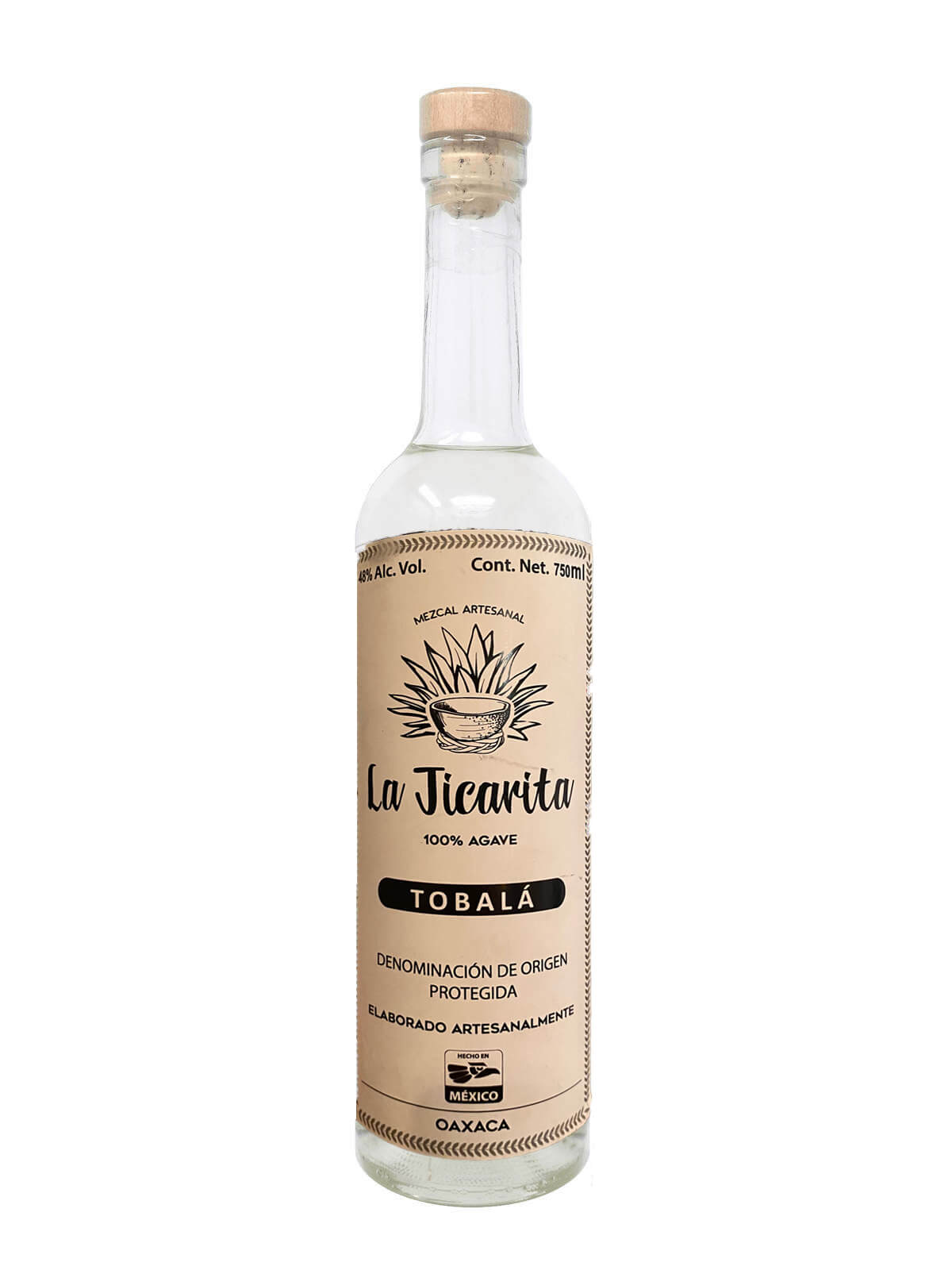
La Jicarita Mezcal
La Jicarita Tobala
Potatorum · Oaxaca
3.6(42)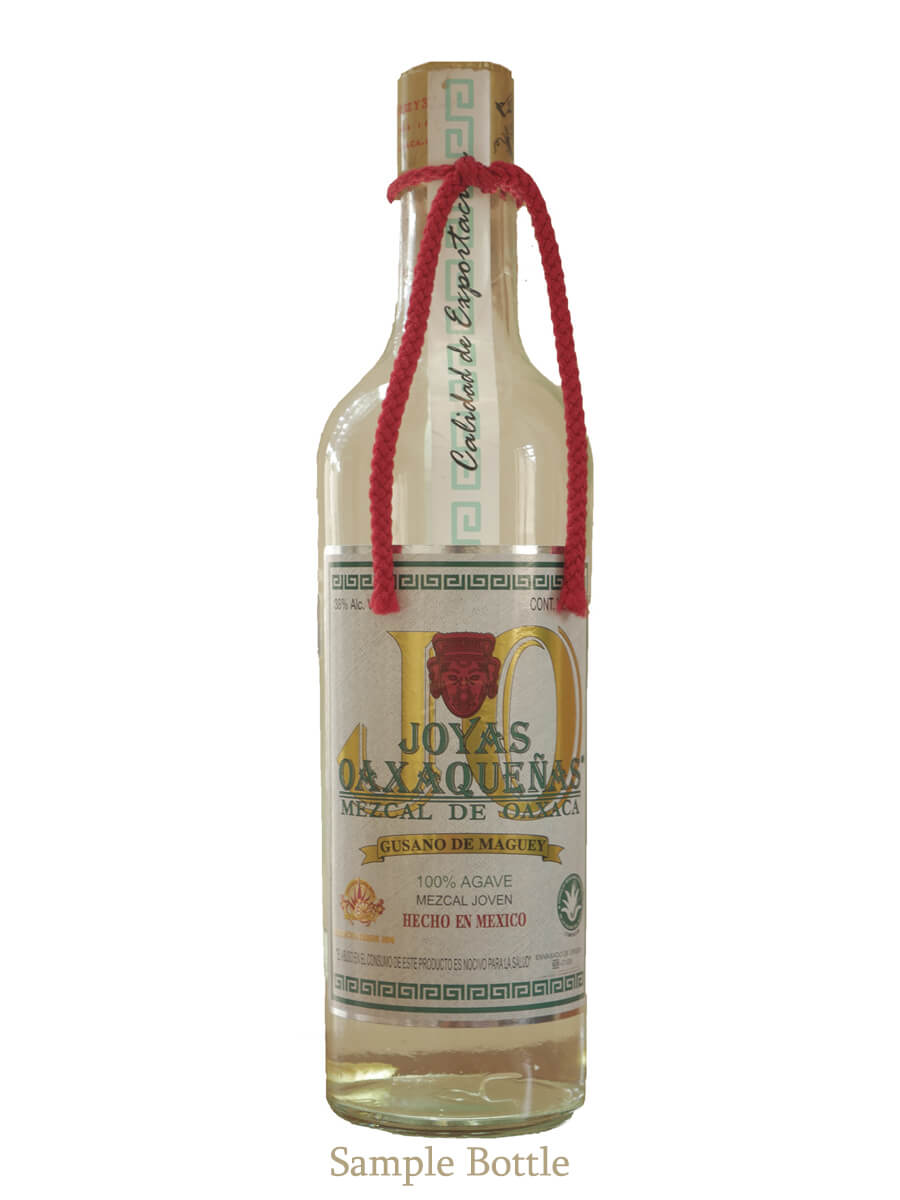
Joyas Oaxaqueñas Mezcal
Joyas Oaxaqueñas Tobala
Potatorum · Oaxaca
3.6(42)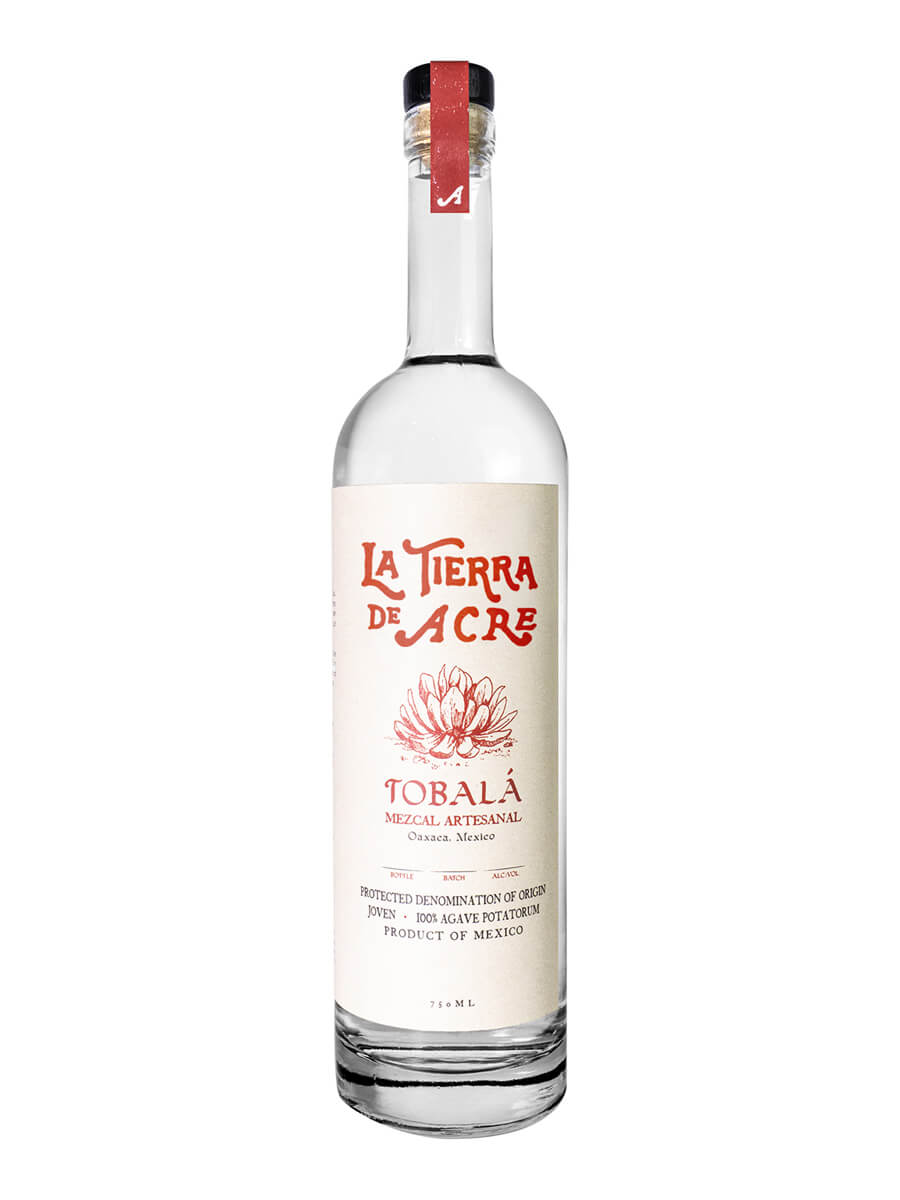
La Tierra de Acre Mezcal
La Tierra de Acre Tobala
Potatorum · Oaxaca
3.6(42)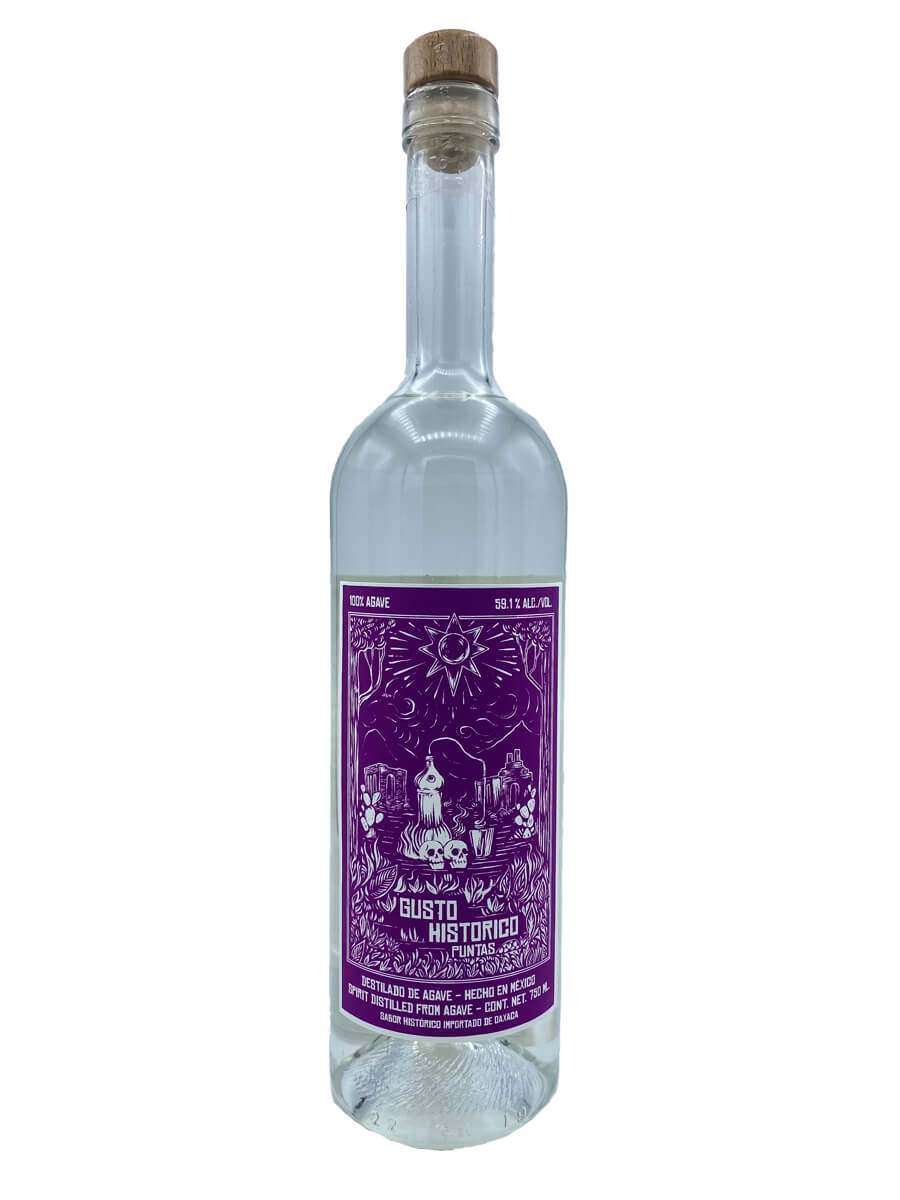
Gusto Histórico
Gusto Historico Puntas de Tepextate, Tobala, y Espadin – Velasco
Angustifolia · Oaxaca
3.6(42)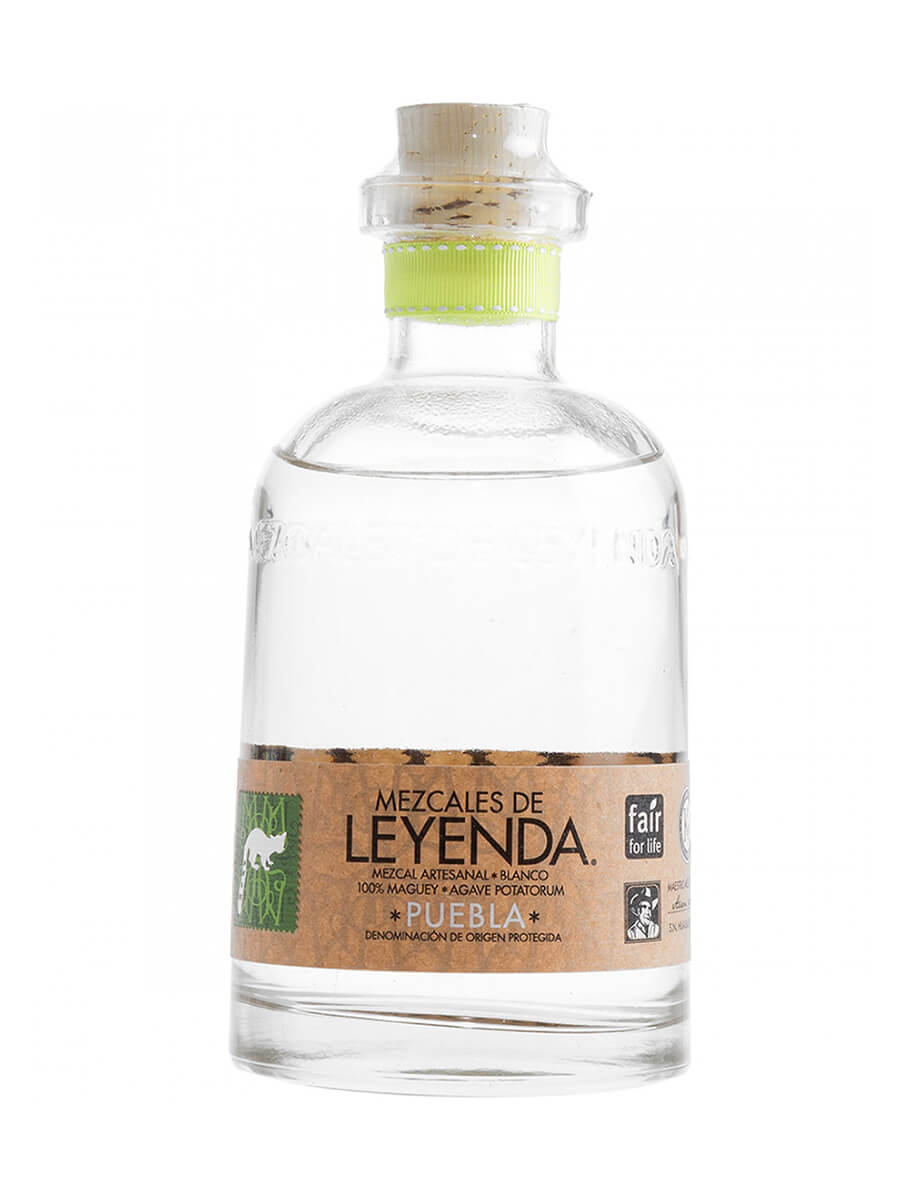
Leyendas Mezcal
Leyendas Tobala (Puebla)
Potatorum · Puebla
3.6(42)
Tres Tribus
Tres Tribus Ensamble
Angustifolia · Oaxaca
3.6(42)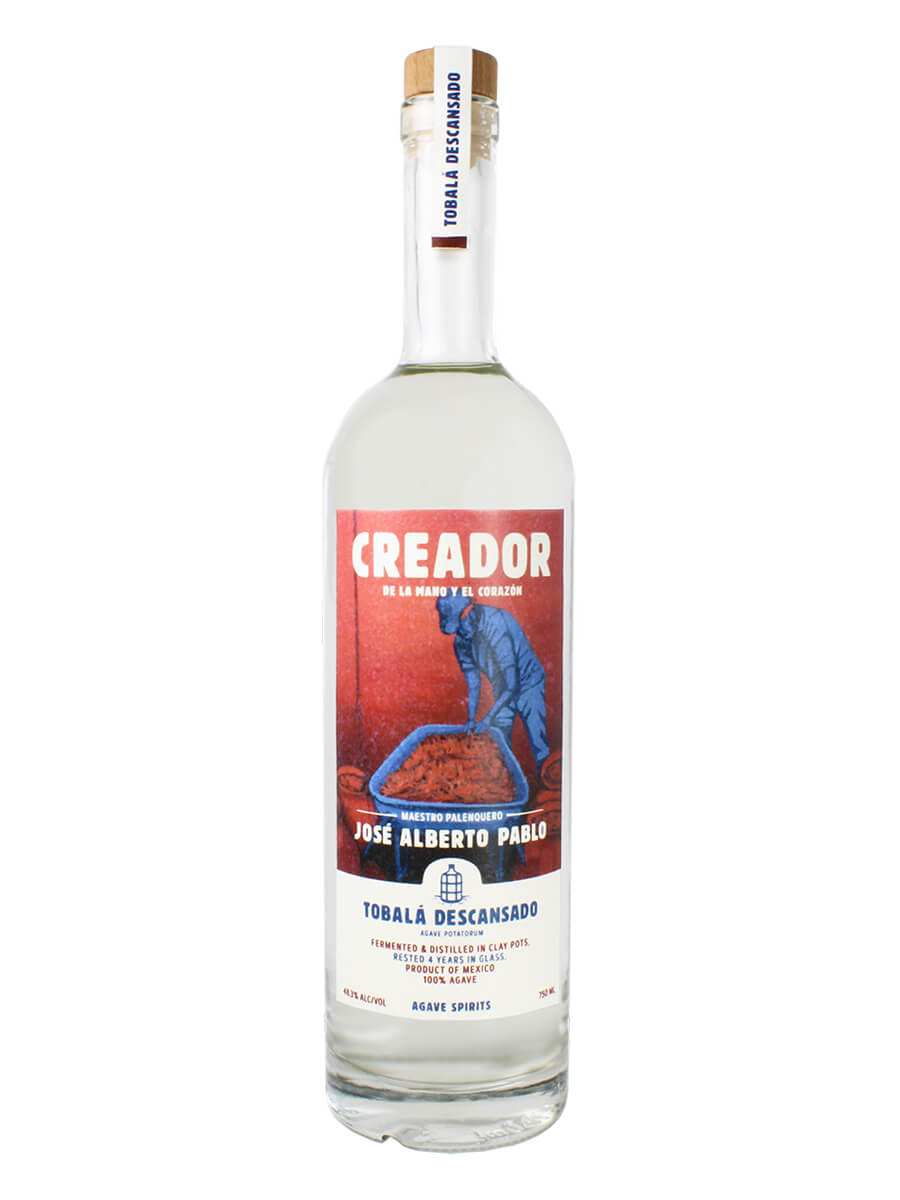
Creador Agave Spirits
Creador Tobala Descansado
Potatorum · Oaxaca
3.6(42)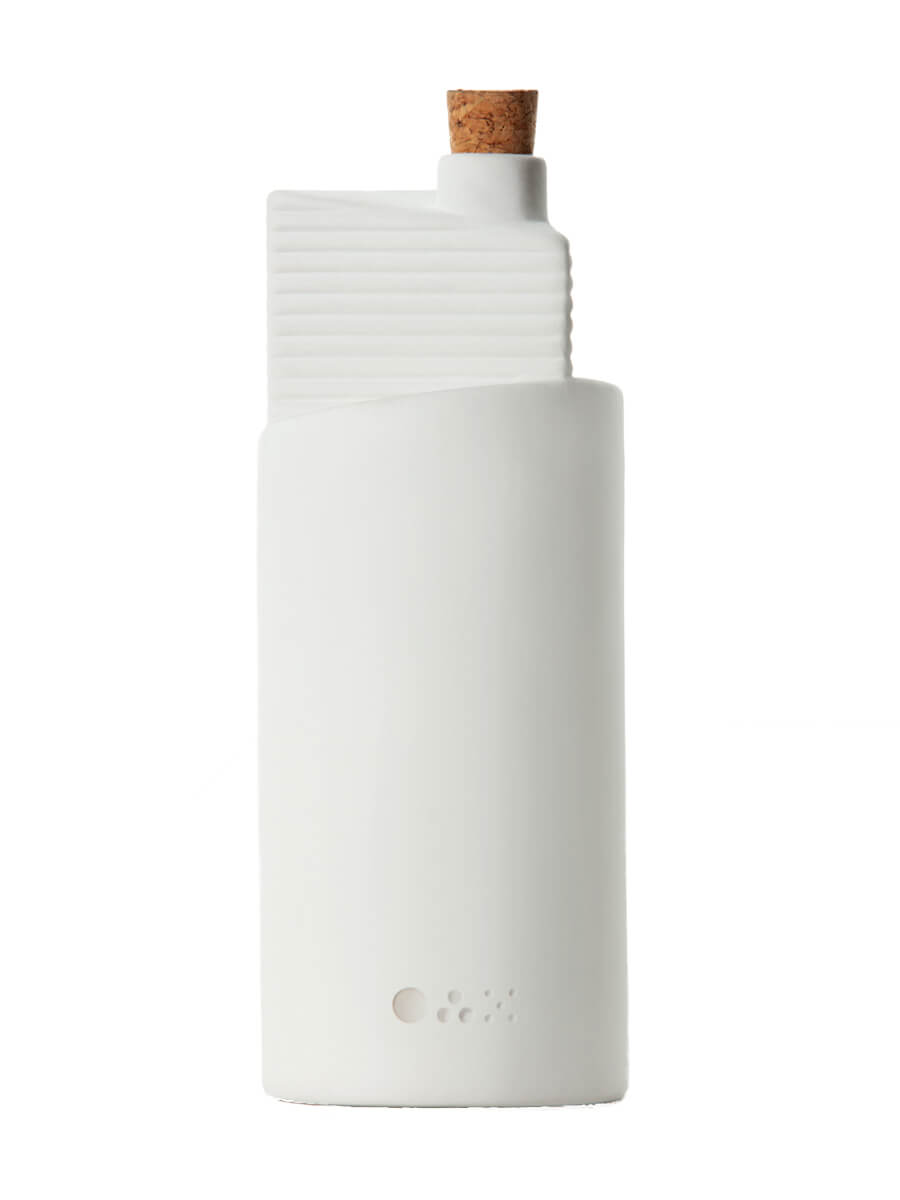
OAX Original
OAX Original Tobalá
Potatorum · Oaxaca
3.6(42)
Agua del Sol
Agua del Sol Tobala – Raul Garcia
Potatorum · Oaxaca
3.6(42)
5 Sentidos
Cinco Sentidos Azul y Papalome (Mixteca ed. 4)
Potatorum · Puebla
3.6(42)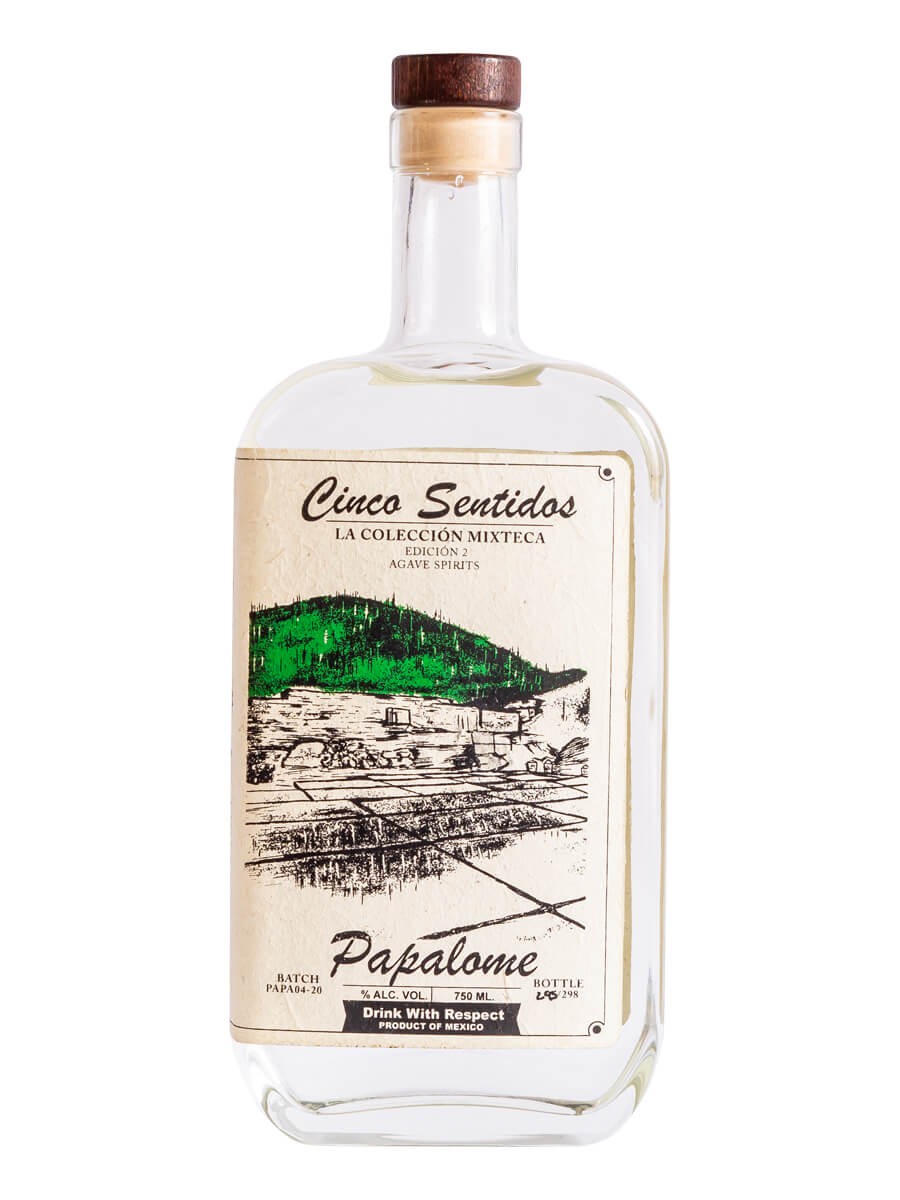
5 Sentidos
Cinco Sentidos Papalome (Mixteca ed. 2)
Potatorum · Puebla
3.6(42)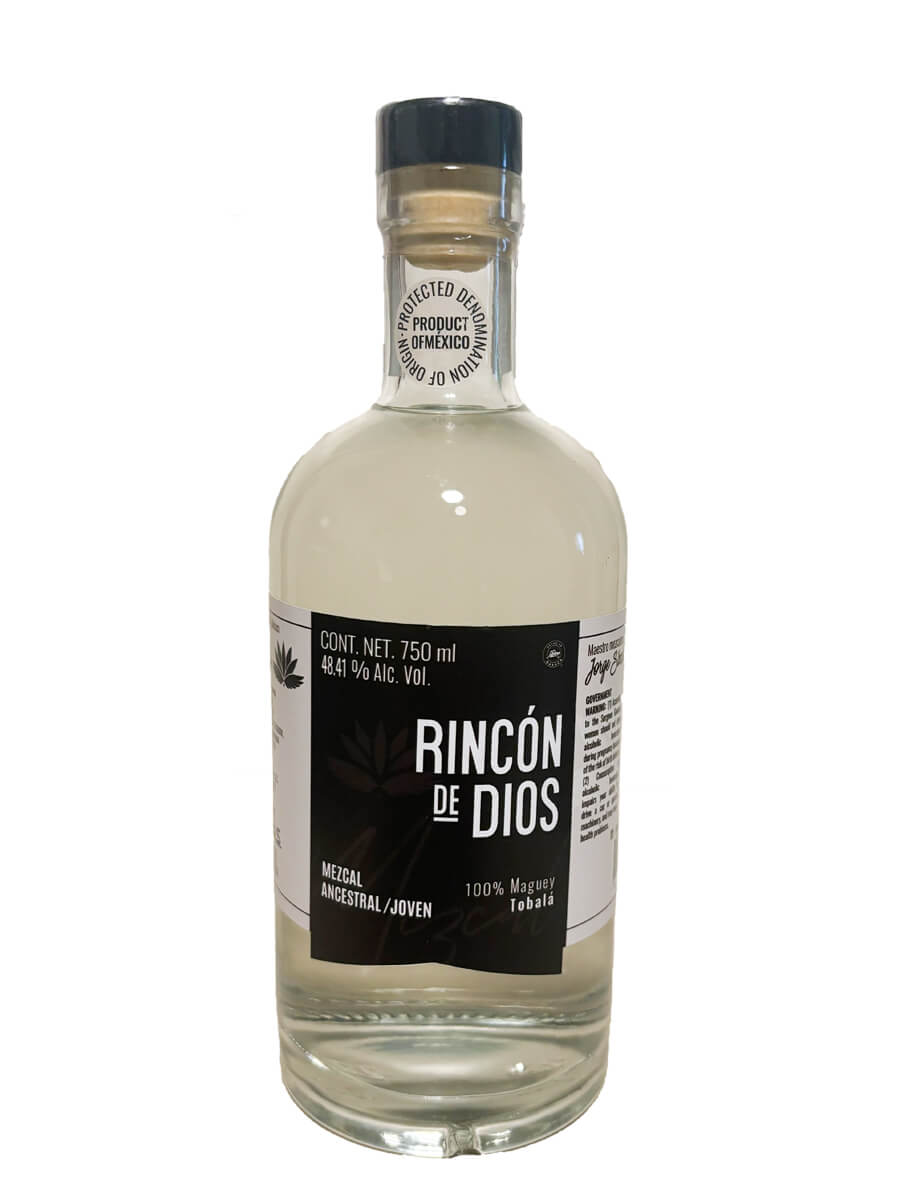
Rincon de Dios Mezcal
Rincon de Dios Tobala
Potatorum · Oaxaca
3.6(42)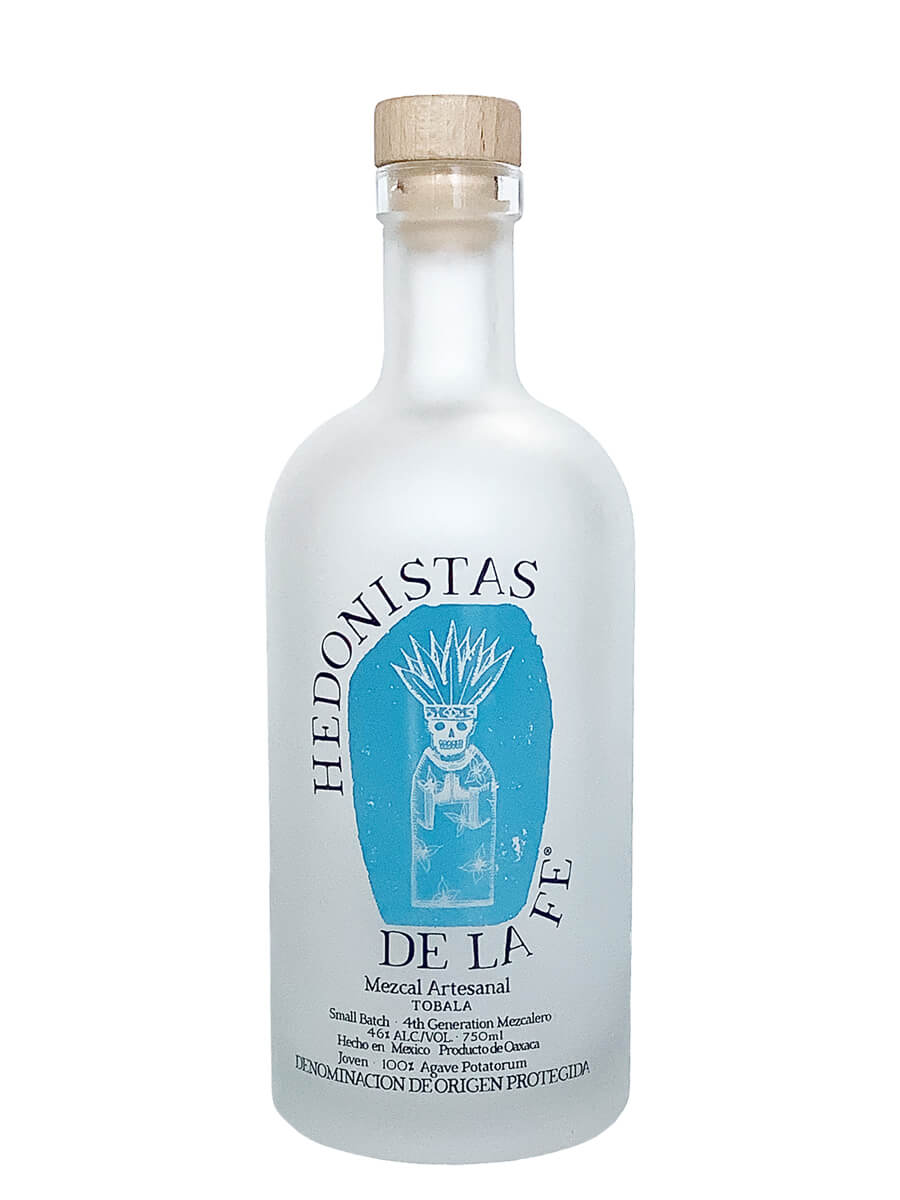
Hedonistas de la Fe Mezcal
Hedonistas de la Fe Tobala
Potatorum · Oaxaca
3.6(42)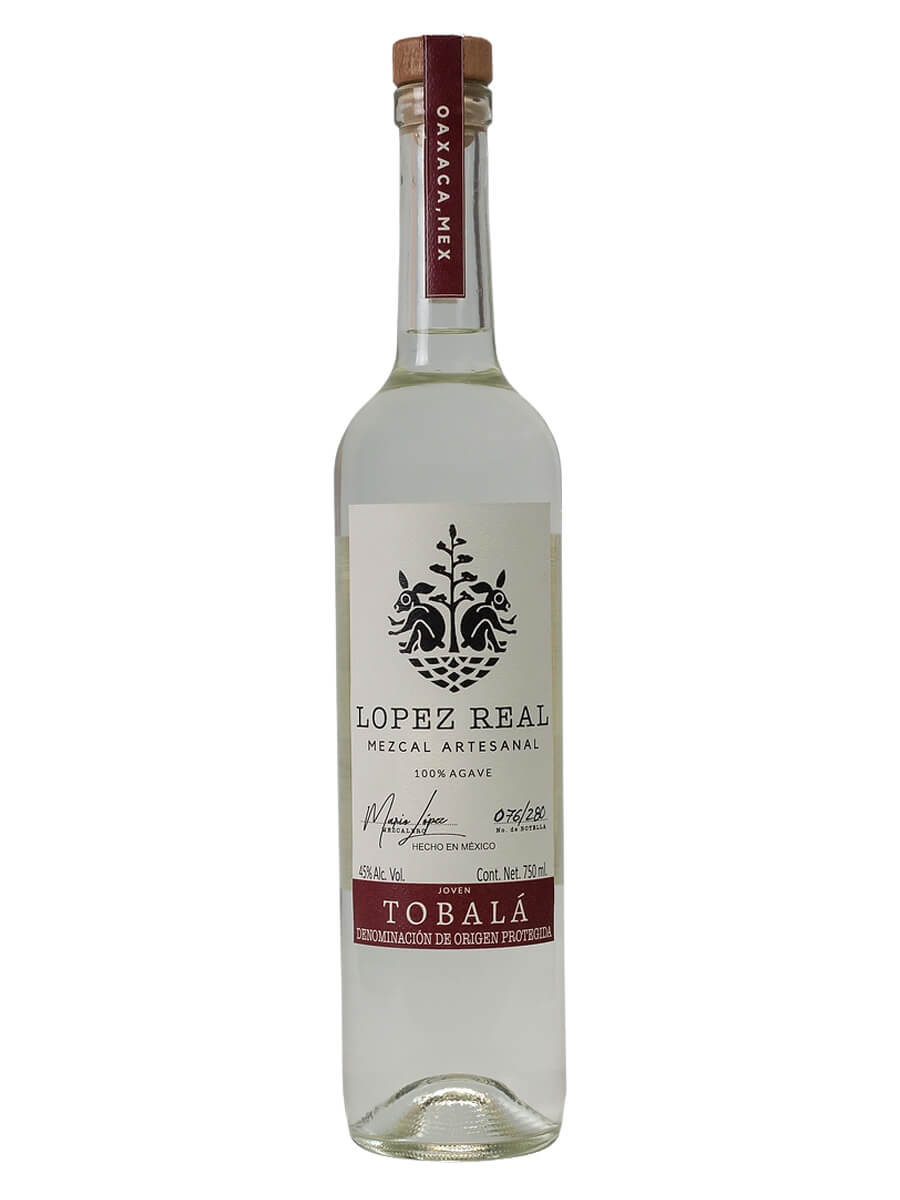
Lopez Real Mezcal
Lopez Real Tobala
Potatorum · Oaxaca
3.6(42)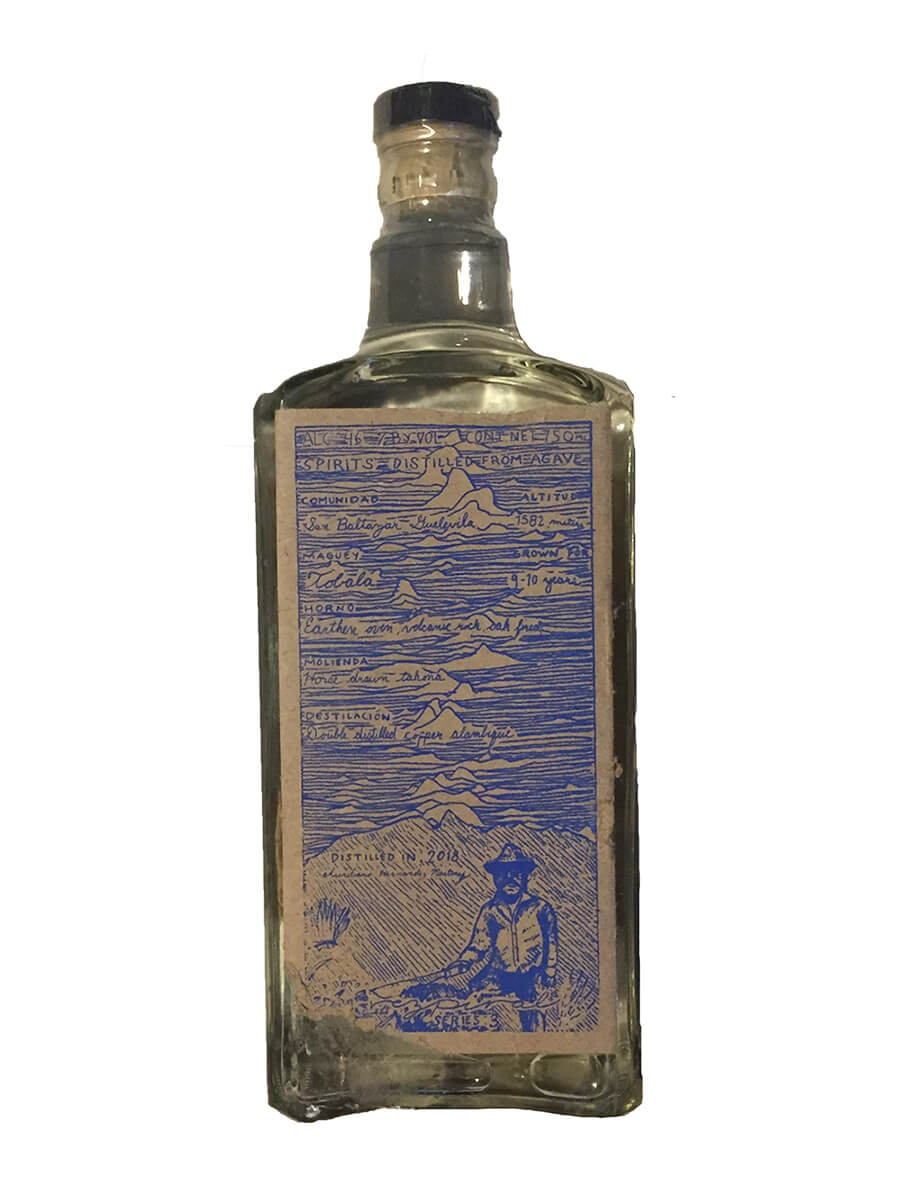
Rezpiral
Rezpiral Tobala – Aureliano Hernandez Martinez
Potatorum · Oaxaca
3.6(42)
Agua del Sol
Agua del Sol Pichumetl / Papalometl – Jesús Correa
Marmorata · Oaxaca
3.6(42)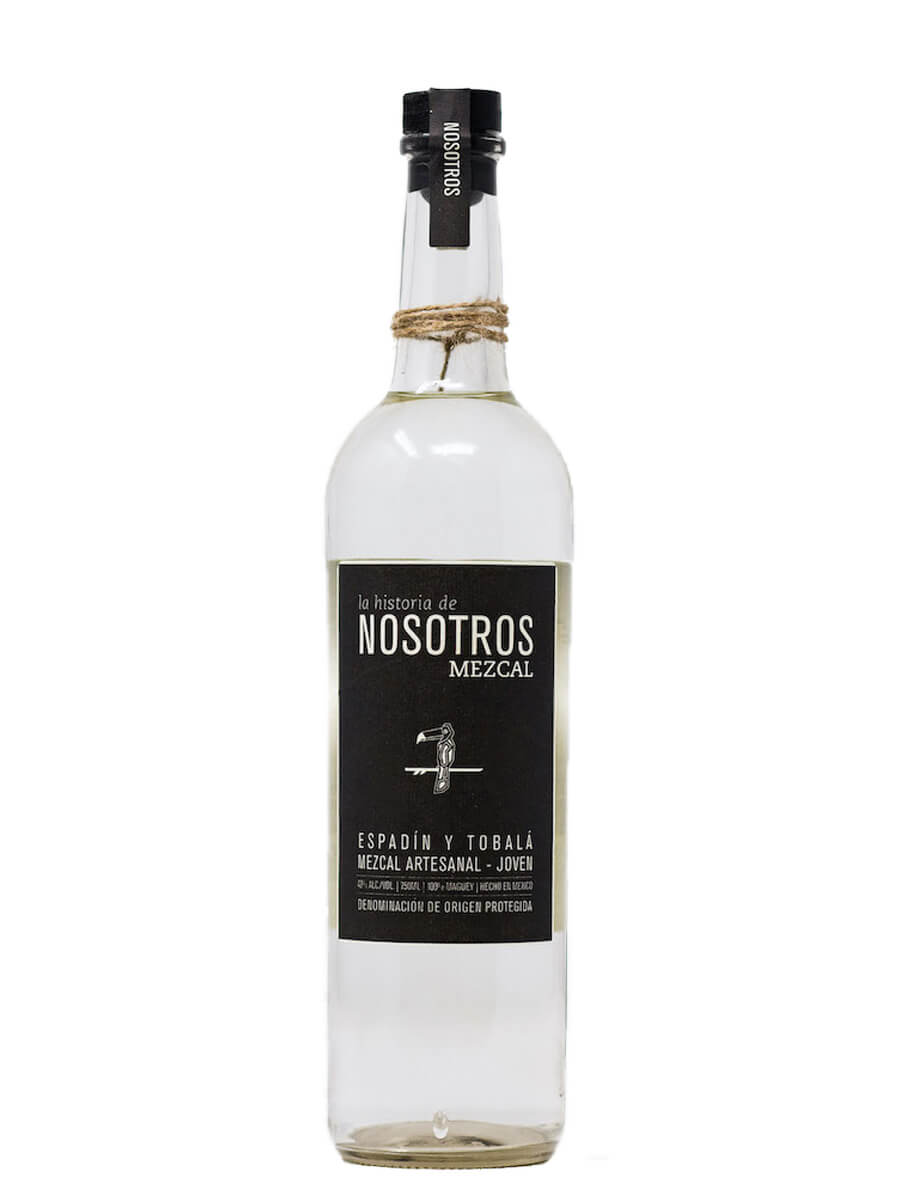
Nosotros Mezcal
Nosotros Mezcal
Angustifolia · Oaxaca
3.6(42)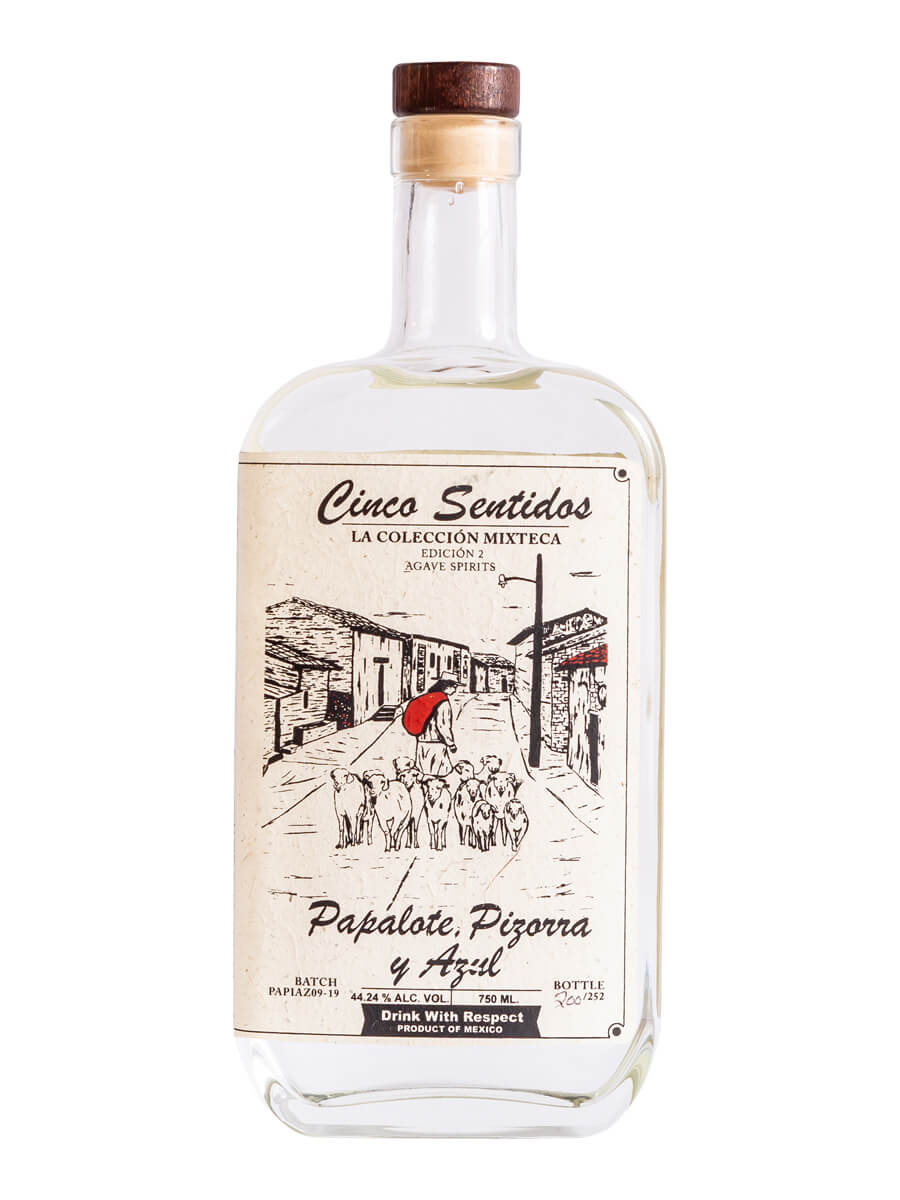
5 Sentidos
Cinco Sentidos Papalote, Pizorra, y Azul
Marmorata · Puebla
3.6(42)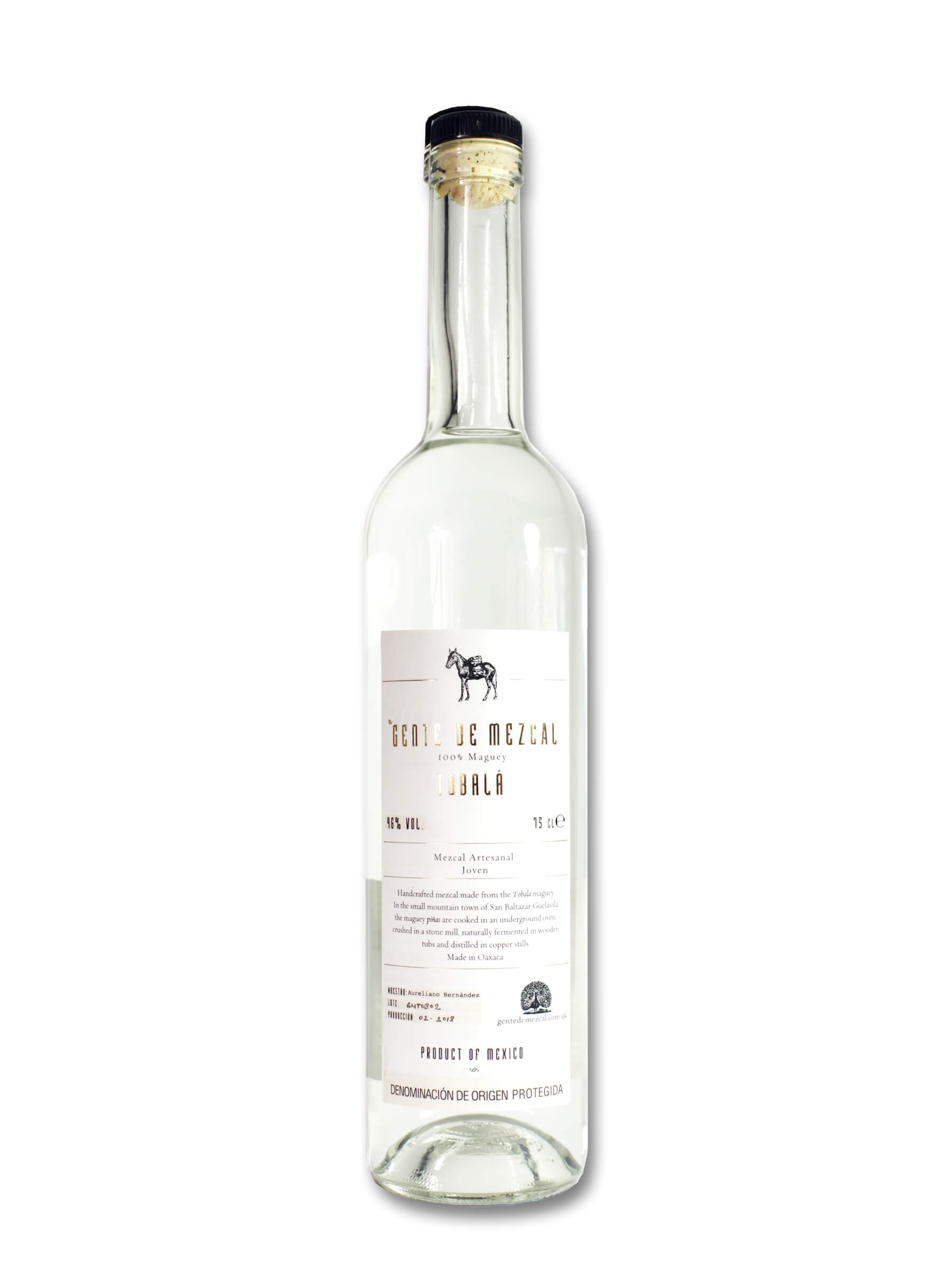
Gente de Mezcal
Gente de Mezcal Tobala
Potatorum · Oaxaca
3.6(42)
Maltoro Mezcal
Maltoro Tobala
Potatorum · Oaxaca
3.6(42)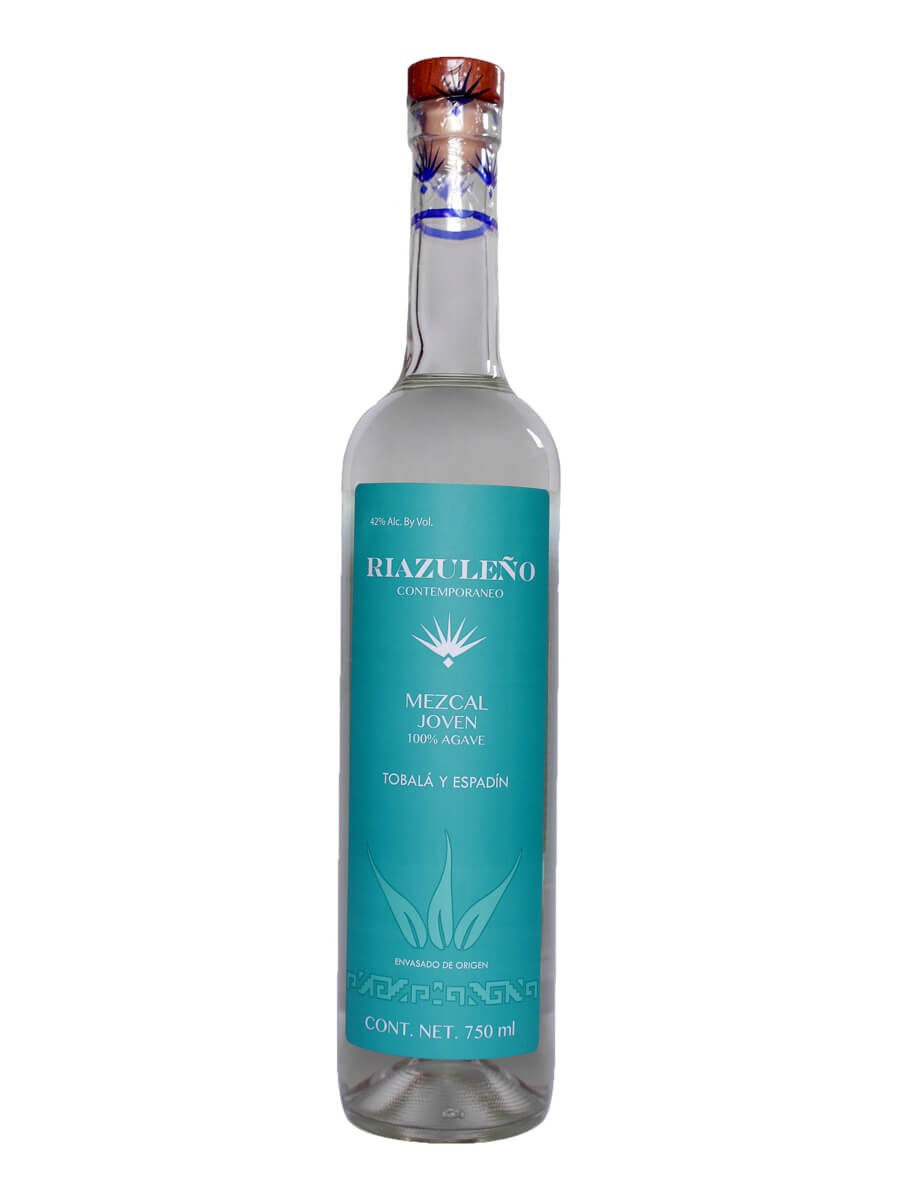
Riazuleño Mezcal
Riazuleño Contemporaneo
Angustifolia · Oaxaca
3.6(42)
Cantaro Chumpeate Mezcal
Cantaro Chumpeate Tobala
Potatorum · Oaxaca
3.6(42)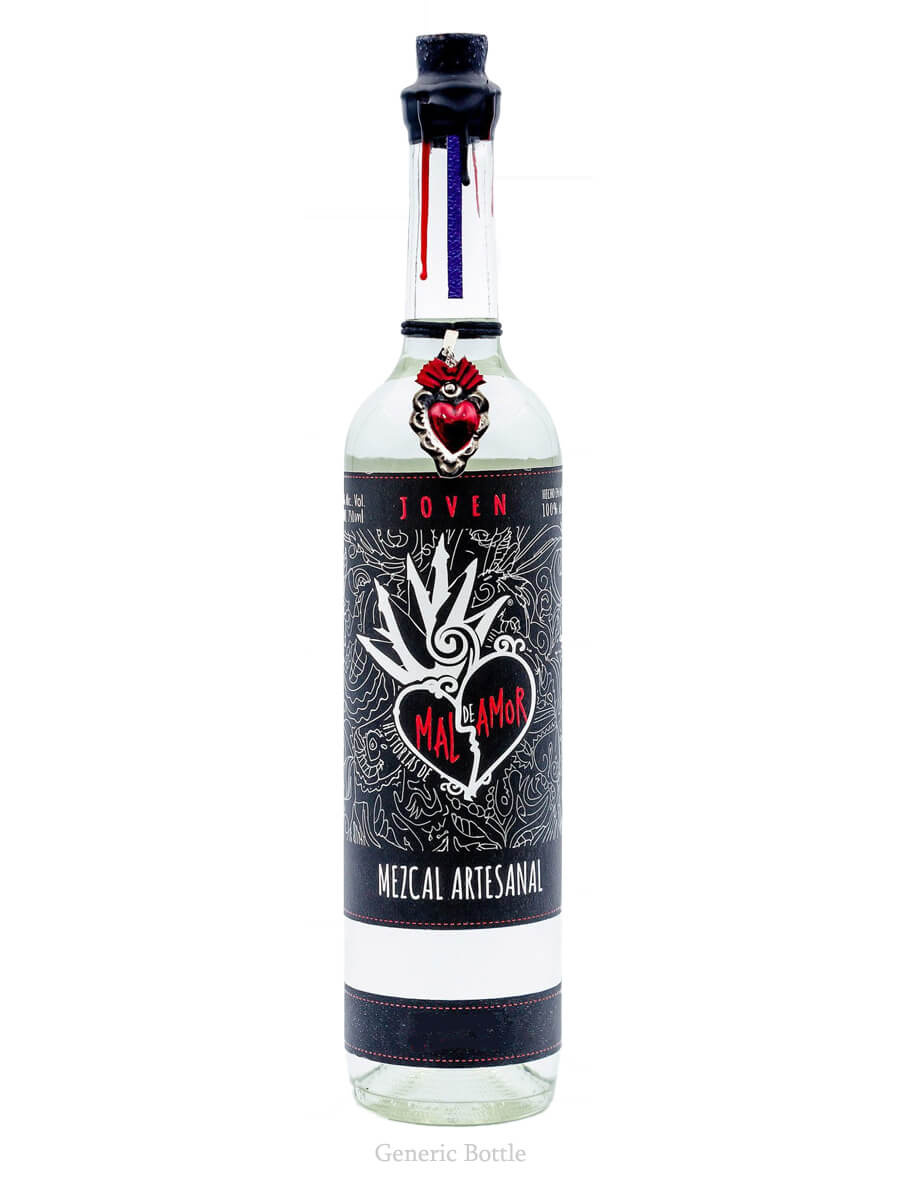
Mal de Amor Mezcal
Mal de Amor Tobala
Potatorum · Oaxaca
3.6(42)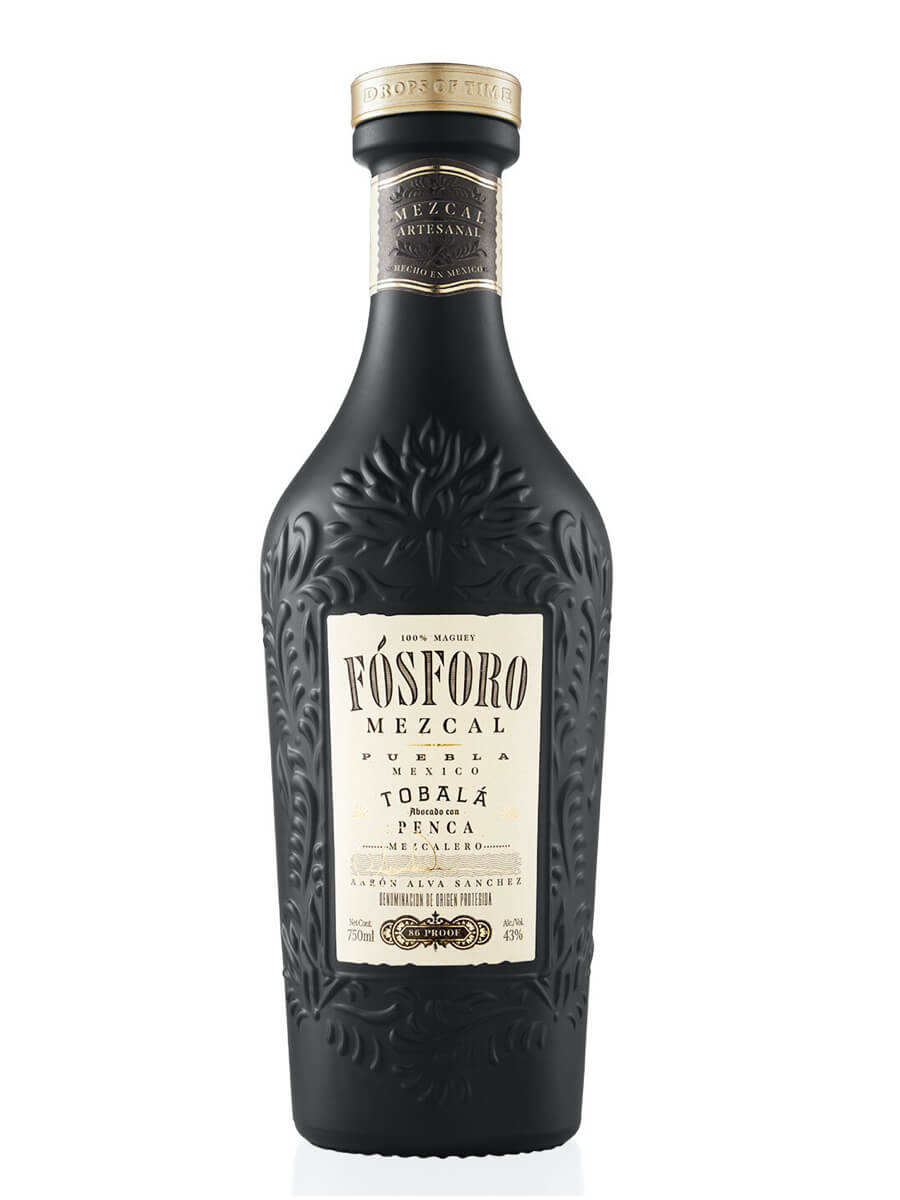
Fósforo Mezcal
Fósforo Tobalá Penca
Potatorum · Puebla
3.6(42)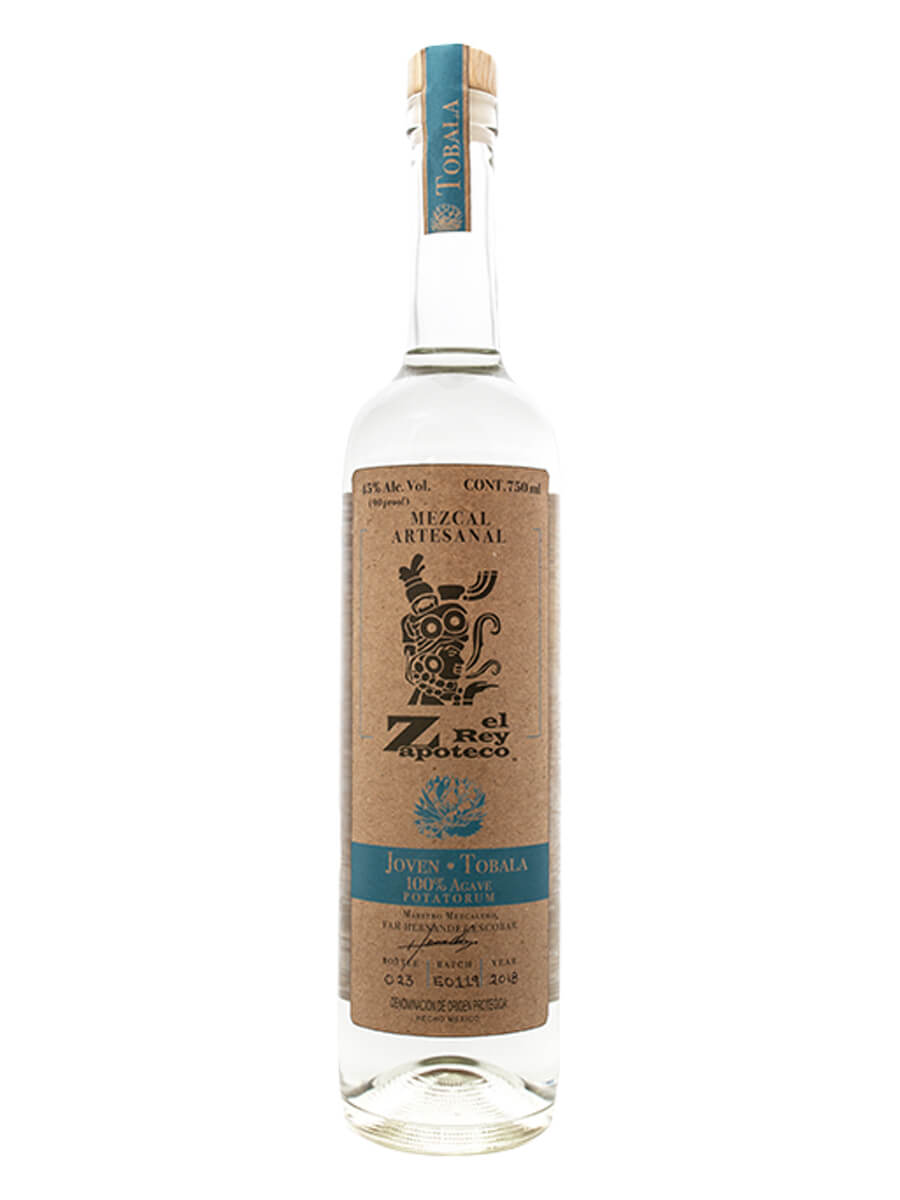
El Rey Zapoteco Mezcal
El Rey Zapoteco Tobala
Potatorum · Oaxaca
3.6(42)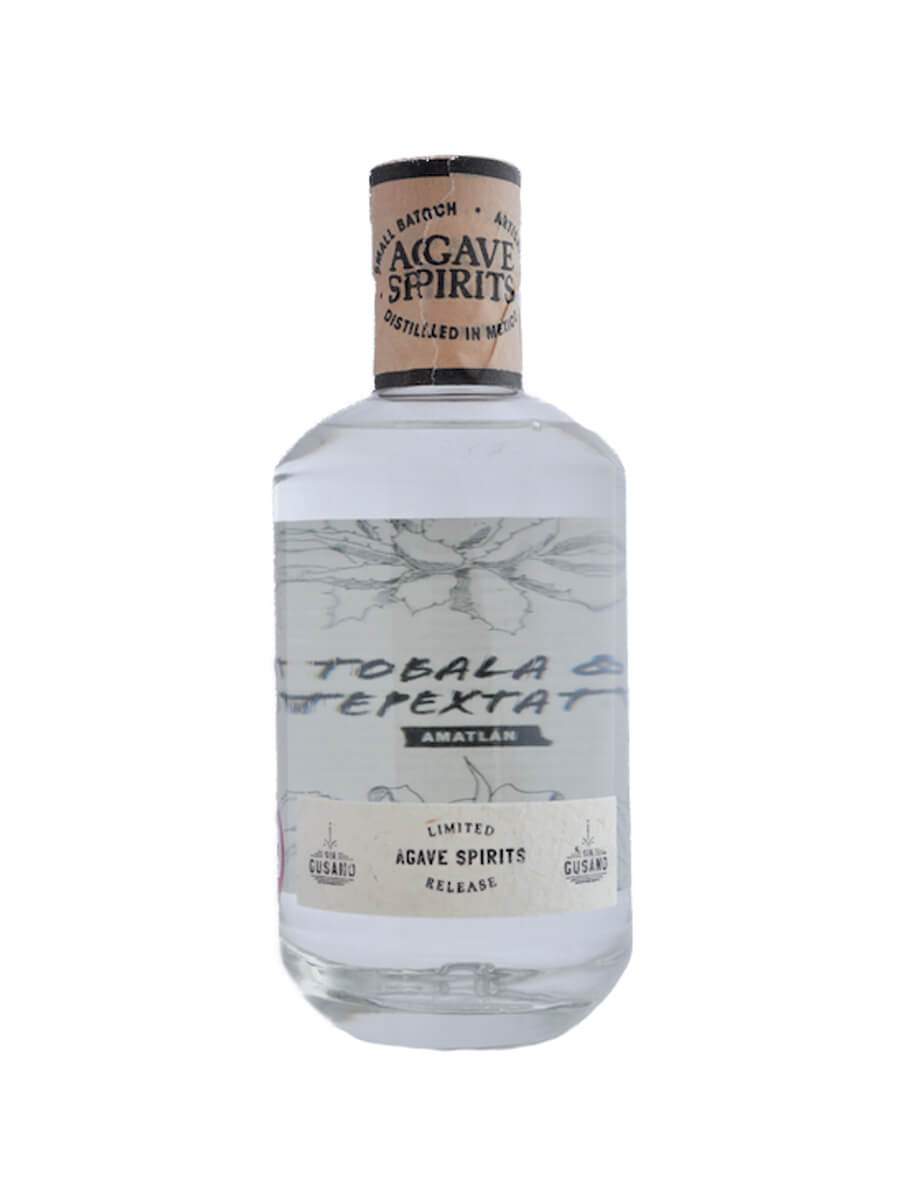
Sin Gusano Project
Sin Gusano Tobala & Tepextate – Amatlan
Marmorata · Oaxaca
3.6(42)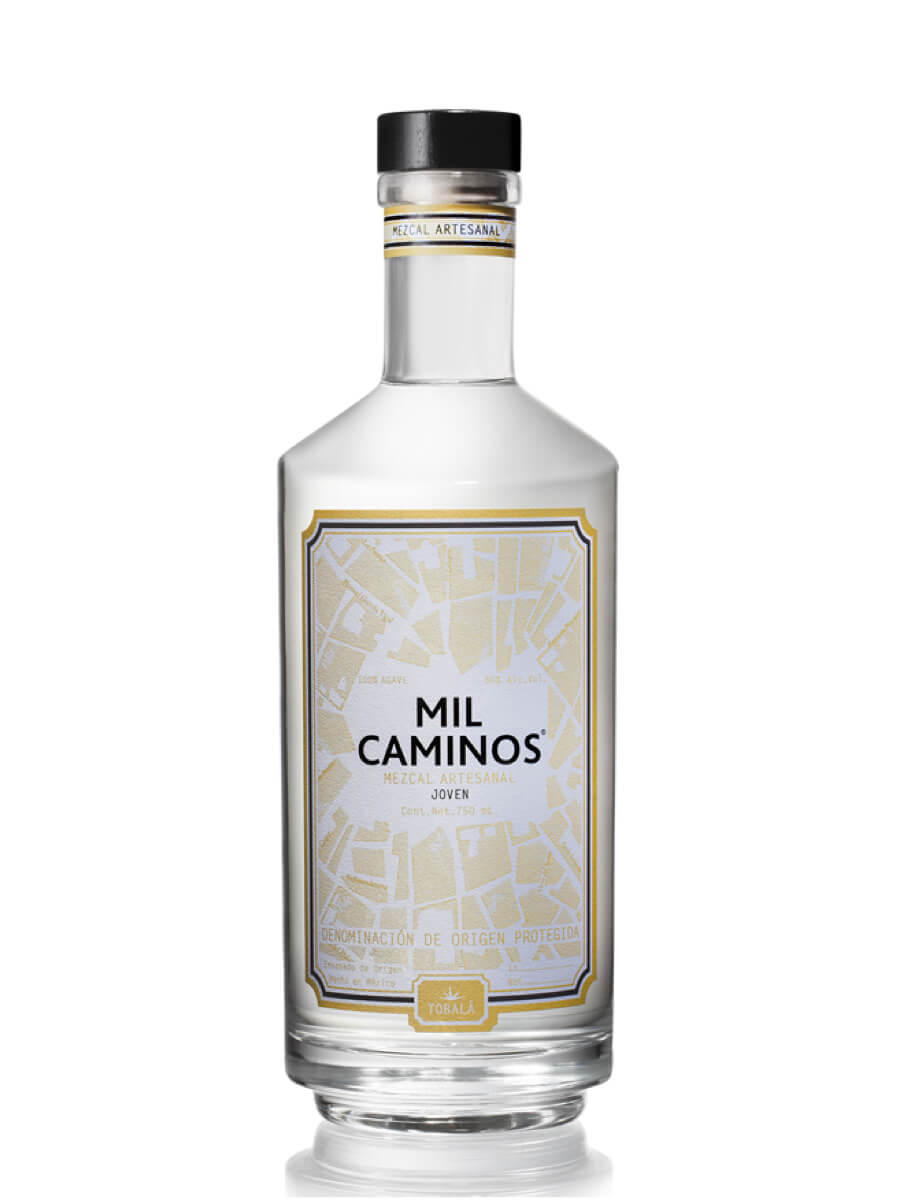
Mil Caminos Mezcal
Mil Caminos Tobala
Potatorum · Oaxaca
3.6(42)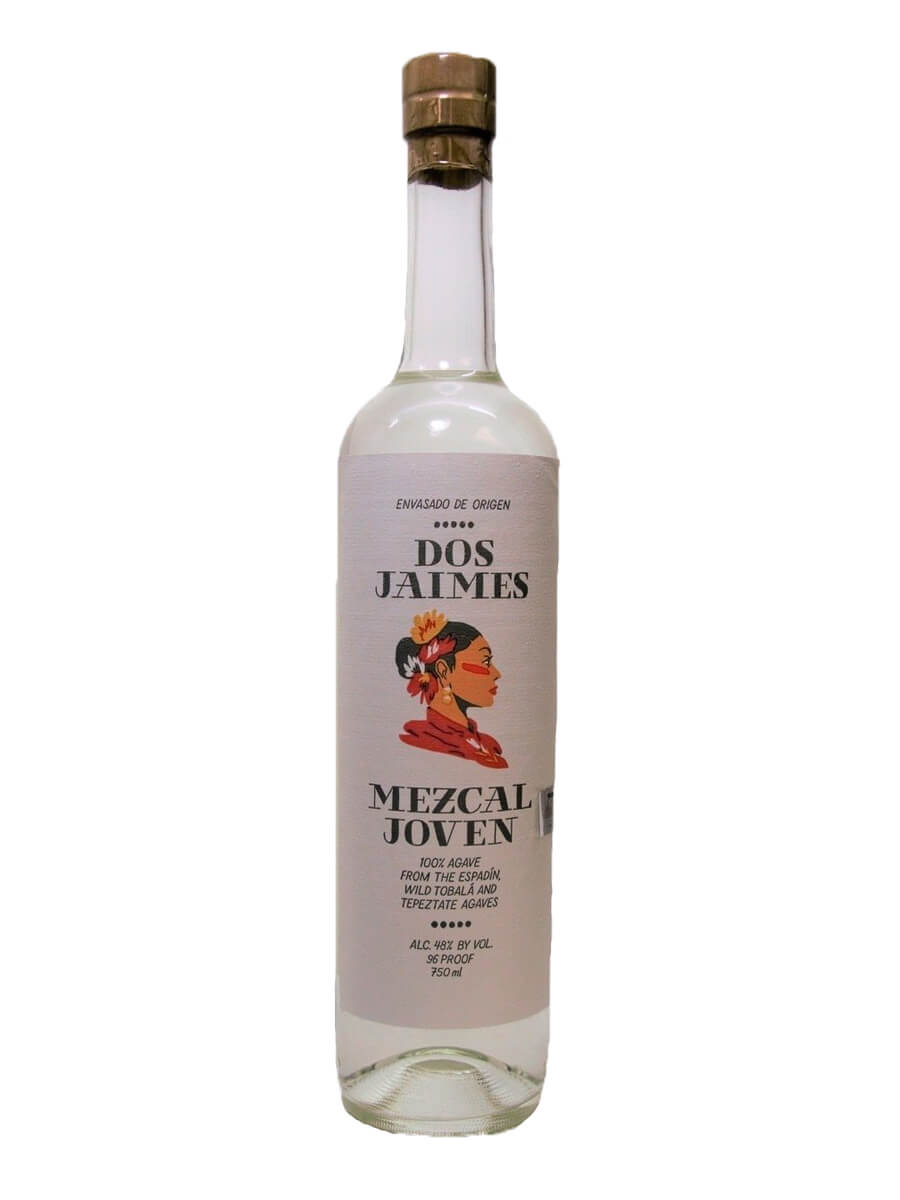
Dos Jaimes Mezcal
Dos Jaimes Joven
Angustifolia · Oaxaca
3.6(42)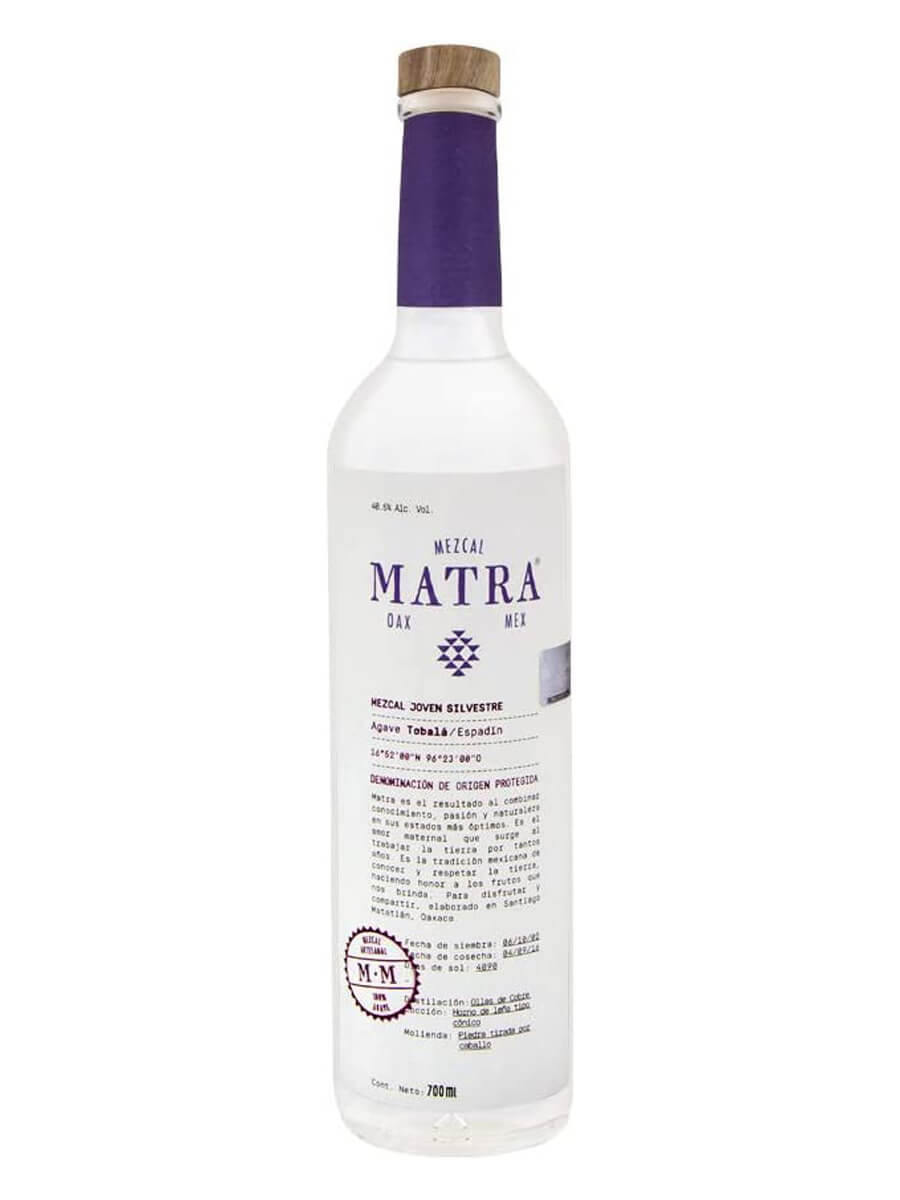
Matra Mezcal
Matra Tobala / Espadin
Angustifolia · Oaxaca
3.6(42)
Tobalá — frequently asked
- What is tobalá mezcal?
- Tobalá mezcal is distilled from Agave potatorum, a small wild agave that grows on rocky highland slopes and takes over a decade to mature. It yields little sugar per plant, so batches are small and prices are high.
- Why is tobalá mezcal so expensive?
- It is wild-harvested, small, slow to mature and hard to reach. It takes many more plants to produce the same volume of spirit than with cultivated espadín.
- What does tobalá taste like?
- Typically floral and fruity — tropical fruit, honeysuckle, cocoa — with soft texture and restrained smoke compared with espadín.
Compare across the whole catalog in the best mezcals guide or browse by producer.